Behavior
What are quick tips for Golden Retriever hip dysplasia prevalence?
Ensure regular vet check-ups and maintain a healthy weight for your Golden Retriever. Gentle exercise and joint supplements can help manage symptoms.

Quick answer
What are quick tips for Golden Retriever hip dysplasia prevalence?
Ensure regular vet check-ups and maintain a healthy weight for your Golden Retriever. Gentle exercise and joint supplements can help manage symptoms.
Golden Retriever hip dysplasia prevalence is a significant health issue that can affect your dog's quality of life. This condition involves the improper formation of the hip joint, leading to pain and mobility issues.
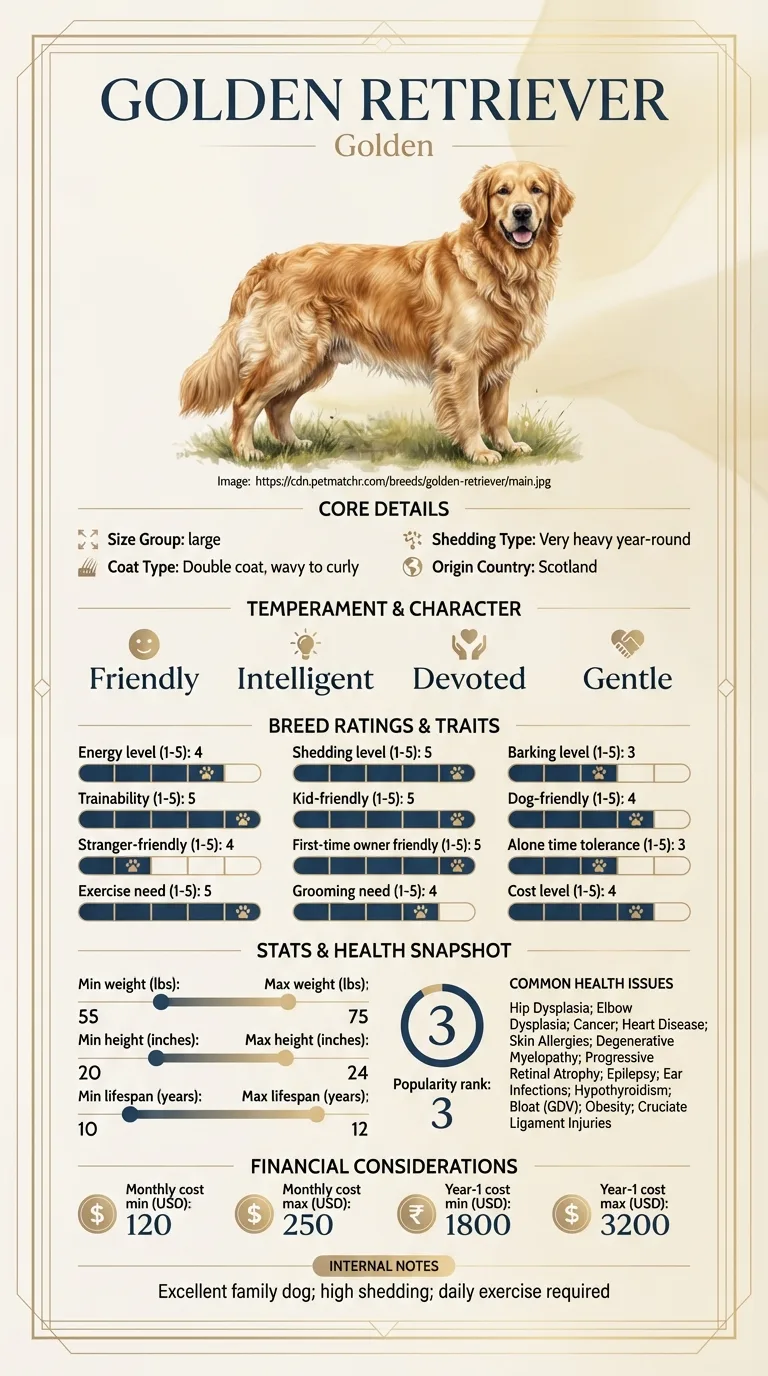
Many Golden Retriever owners, especially first-time dog parents, face challenges with hip dysplasia. This is particularly true for those unaware of the breed's predisposition to this condition and the necessary preventive measures.
This guide is not medical advice. If your dog shows pain, sudden behavior change, or worsening symptoms, consult a licensed veterinarian.
Some links may be affiliate links. We may earn a commission at no extra cost to you. We only suggest products we believe are helpful for dog owners.
We research and check what we publish, but we do not warrant that any figure, date, price, or statement is accurate, complete, or current, and we accept no liability for any loss, cost, injury, or other harm arising from the use of this site. Use it as one reference among several. You remain responsible for your own decisions and for your dog's care - confirm anything that matters with a licensed veterinarian or another qualified professional before you act on it. Full disclaimer.
Check this first
Knowing when Golden Retriever hip dysplasia is an emergency can save your dog's life. It’s crucial to distinguish between severe symptoms that require immediate veterinary care and milder signs that can be monitored at home. If your Golden experiences sudden lameness, difficulty standing or walking, or displays signs of extreme pain when touched, you should call your vet immediately.
These could indicate a serious hip issue or injury that needs prompt treatment.
On the other hand, if your Golden Retriever shows occasional stiffness after exercise or seems a bit hesitant to jump, these might be manageable symptoms. You can monitor these signs while keeping a close watch on their activity level and comfort. Regular check-ups with your vet and a tailored exercise plan can help maintain your dog's mobility and quality of life without rushing to the clinic every time they seem a bit off.
Here are some red flags to watch for: - Sudden limping or inability to bear weight on a leg. - Signs of severe pain, such as whining or growling when moving. - Swelling around the hip area.
Milder cases to monitor: - Occasional stiffness after exercise. - Hesitation when jumping or climbing stairs. - General lethargy or reduced activity levels.
In summary, stay alert to your Golden's behavior. If you notice any alarming signs, don’t hesitate to seek veterinary advice. For minor concerns, a watchful approach along with proper care and training may often suffice.
If any of these apply, call your vet or an emergency clinic now. The rest of this page is for the cases that are not an emergency.
Golden Retriever hip dysplasia prevalence is a significant concern for many owners. This condition occurs when the hip joint doesn't fit into the hip socket properly, leading to pain and mobility issues. Daily life can be challenging for a Golden with this problem, as they may struggle with basic activities like walking or playing.
Hip dysplasia is quite common in Golden Retrievers, with estimates suggesting that around 20-30% of the breed is affected to some degree. Regular vet check-ups and screenings can help catch this issue early, allowing for better management.
Golden Retrievers are prone to hip dysplasia due to their genetics. This condition often results from an inherited malformation of the hip joint, which can lead to arthritis and pain. It's more common in larger breeds, making Golden Retrievers especially susceptible.
Environmental factors such as obesity, lack of exercise, and improper nutrition can worsen hip dysplasia. If a Golden Retriever is overweight, it puts extra strain on their joints, exacerbating any existing problems. Additionally, inadequate exercise can cause muscle weakness, which further impacts joint stability.
It's important to talk to a vet if you notice signs of pain, such as limping or reluctance to move. A vet can offer a proper diagnosis and may recommend treatments like physical therapy or medications to manage pain and inflammation.
Avoiding these common mistakes can help manage Golden Retriever hip dysplasia prevalence more effectively.
Start here: Golden Retriever Most Common Genetic Disorders: Screening
See all Golden Retriever health problems, which breeds are prone to hip dysplasia prevalence, or the full Golden Retriever breed guide for temperament, exercise needs and ownership costs.
You can expect to see improvements in your Golden Retriever's mobility and comfort within 4 to 6 months of starting a tailored exercise and management plan.
Success means your Golden Retriever shows improved activity levels, reduced pain, and better overall mobility, allowing for enjoyable daily walks and playtime.
Sarah, a first-time dog owner, adopted Max, her Golden Retriever, when he was a puppy. She soon noticed he struggled to keep up during walks and was hesitant to jump onto the couch. After a vet visit confirmed hip dysplasia, Sarah felt overwhelmed. However, she committed to a structured exercise plan, including low-impact activities like swimming and regular weight management. Over several months, Max became more active and playful, enjoying life despite his condition.
Key takeaway: With the right approach and dedication, managing Golden Retriever hip dysplasia prevalence can lead to a happier and healthier dog.
Golden Retrievers are prone to hip dysplasia due to genetic factors. Poor breeding practices can increase the likelihood of this condition, which affects the hip joint's development. Regular vet check-ups and responsible breeding can help mitigate this issue.
Signs of hip dysplasia in Golden Retrievers include difficulty rising, reluctance to jump or run, and noticeable limping. If you notice these symptoms, consult your vet for an evaluation. Early detection can lead to better management options.
Treatment may include weight management, physical therapy, and medication for pain relief. In severe cases, surgical options such as hip replacement may be necessary. Your vet can recommend the best course of action based on your dog's condition.
Maintaining a healthy weight and providing regular low-impact exercise can help prevent further deterioration. Additionally, providing joint supplements may support joint health. Always consult your vet before starting any new treatment or exercise regimen.
Yes, hip dysplasia is a common health issue in Golden Retrievers. Studies suggest that the prevalence can be quite high among this breed, making awareness and proactive measures crucial. Regular screenings can help catch the problem early.
Training can help manage your Golden's activity levels, which is essential for dogs with hip dysplasia. Focus on gentle training techniques and avoid high-impact activities. This approach can help keep your dog active without causing stress on their joints.
Signs of hip dysplasia in a Golden Retriever can include difficulty rising, reluctance to jump or run, and a noticeable limp. You might also notice your dog favoring one leg over the other or experiencing discomfort when touched around the hips.
Yes, older Golden Retrievers can develop hip dysplasia, especially if they are overweight or have a history of joint issues. It's crucial to monitor their mobility and consult with a vet if you notice any changes in their behavior or ability to move.
Managing hip dysplasia may involve weight management, low-impact exercise, and pain relief medication prescribed by your vet. Physical therapy or joint supplements can also be beneficial in reducing discomfort and improving mobility.
Yes, there are genetic tests available that can help determine the likelihood of hip dysplasia in Golden Retrievers. Consulting with a reputable breeder who tests their breeding stock can also help you make informed decisions.
Training can help prevent injury that exacerbates hip dysplasia, especially in growing puppies. Teaching your Golden Retriever to avoid high-impact activities can help reduce stress on their joints, potentially lowering the risk of developing the condition.
Ensure regular vet check-ups and maintain a healthy weight for your Golden Retriever. Gentle exercise and joint supplements can help manage symptoms.
Create a comfortable resting area, avoid stairs, and use ramps for car entry. Supportive beds can also help alleviate pressure on their joints.
Treatment costs can range from $120 to $250 monthly, depending on the severity of the condition and the treatments required.
Watch for increased difficulty in mobility, changes in behavior, or signs of pain. If you notice these, it's time to consult your vet.
Focus on low-impact activities and obedience training. Avoid high-energy exercises that can strain their hips.
A one-page prep sheet for this condition: the signs, the questions to ask, what to get priced. Unlocks here.
You get: Vet visit prep sheet
No spam. One-click unsubscribe. See our privacy policy.
Preview page 1 before you decide.
