DogBreedCompass
← Back to breed profile

Golden Retriever Intervertebral Disc Disease (IVDD) Type I

Golden Retriever intervertebral disc disease (IVDD) type I is a serious condition where herniated discs press on the spinal cord. This can lead to pain, mobility issues, and decreased quality of life for your furry friend.

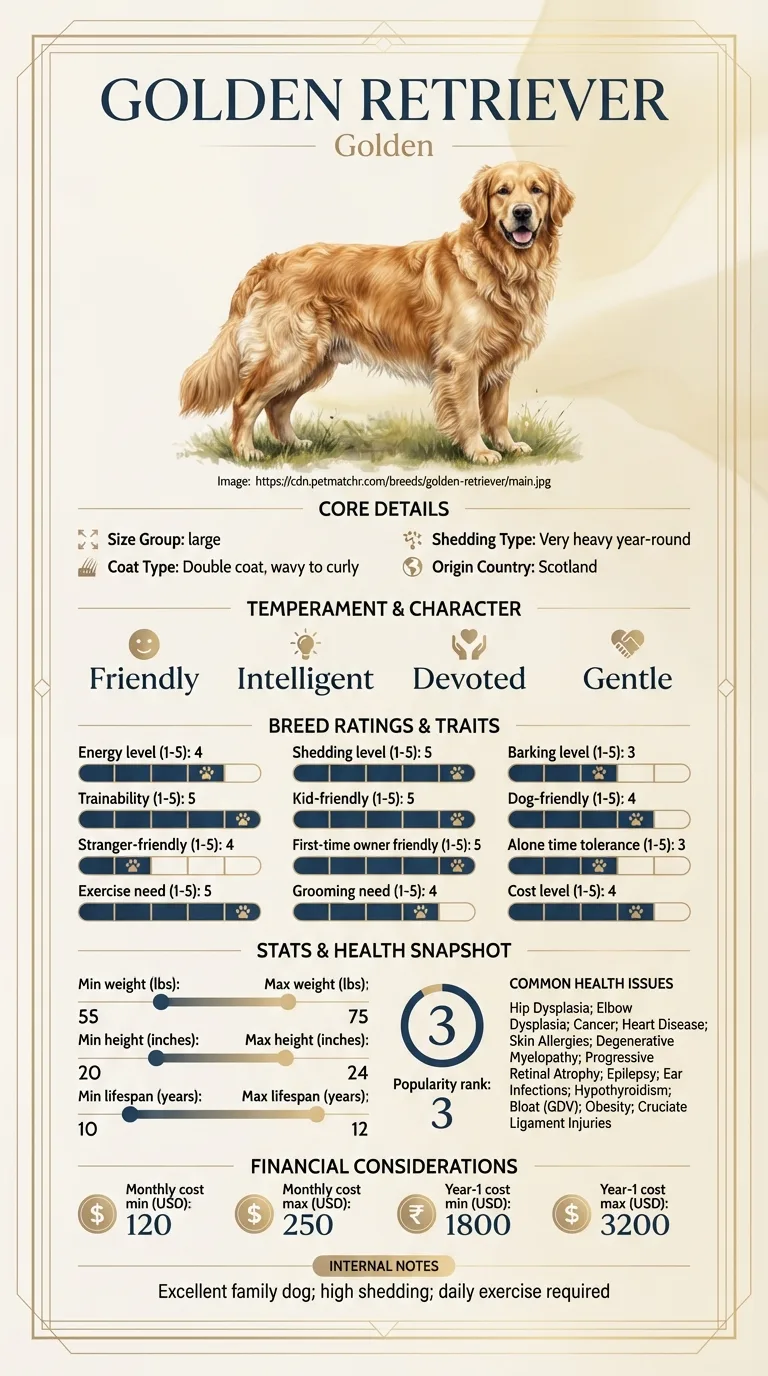
Golden Retriever Intervertebral Disc Disease (IVDD) Type I infographic

Typically, owners of Golden Retrievers, especially those with older dogs or those that have been active, may struggle with this issue. If your dog shows signs of pain or abnormal movement, this problem can be particularly concerning.

Important reminder

This guide is not medical advice. If your dog shows pain, sudden behavior change, or worsening symptoms, consult a licensed veterinarian.

Some links may be affiliate links. We may earn a commission at no extra cost to you. We only suggest products we believe are helpful for dog owners.

What this problem looks like

Golden Retriever intervertebral disc disease (ivdd) type i is a serious condition where herniated discs press on the spinal cord. This can lead to pain, mobility issues, and even paralysis. Owners may notice their dog struggling to walk, reluctance to jump, or changes in behavior due to discomfort.

Common triggers

  • Genetic predisposition in Golden Retrievers
  • Excessive jumping or rough play
  • Obesity, which adds stress to the spine
  • Aging, which can weaken the spine and discs

This condition is relatively common among Golden Retrievers, particularly those between 5 and 10 years old. It's important for owners to be aware of the signs and consult a vet if they suspect their dog may be suffering.

Why this happens

Breed factors

Golden Retrievers are predisposed to intervertebral disc disease (IVDD) type I due to their genetic makeup. This condition is more common in larger breeds with long backs, making Goldens particularly vulnerable. Their weight and body structure can put extra stress on the spine, increasing the risk of disc herniation.

Environment factors

Environmental factors such as lack of exercise, obesity, or improper handling can contribute to the onset of IVDD. If a Golden Retriever is overactive or jumps from high places, it can also strain their back. Additionally, poor nutrition may lead to obesity, further exacerbating spine issues.

What you can try

At-home strategies

  • Maintain a healthy weight by measuring food portions and avoiding excessive treats.
  • Encourage low-impact exercises like walking or swimming to strengthen back muscles without straining them.
  • Provide a comfortable bed with adequate support to reduce pressure on the spine.

When to consider a trainer

If your Golden shows signs of discomfort or difficulty moving, consider consulting a professional dog trainer. They can help you with proper techniques for lifting and managing your dog, reducing the risk of injury.

When to talk to your vet

If your Golden Retriever experiences sudden weakness, pain, or loss of coordination, contact your vet immediately. These symptoms may indicate a serious condition that requires prompt medical attention.

Realistic expectations

Managing Golden Retriever intervertebral disc disease (IVDD) type I can take several weeks to several months, depending on the severity. Regular vet check-ups and consistent care are crucial during this period.

Success looks like a noticeable reduction in pain and improved mobility for your Golden Retriever. Your dog should show increased comfort during daily activities and a return to normal behavior patterns.

Mistakes that make this worse

Many owners unintentionally reinforce problems related to Golden Retriever intervertebral disc disease (IVDD) type I. Here are some common mistakes and safer alternatives to help your dog.

  • Ignoring early signs of discomfort: Waiting too long to address your dog's pain can allow the condition to worsen. Pay attention to any changes in behavior or mobility and consult a vet promptly.
  • Overexerting your dog: Allowing your Golden to engage in strenuous activities can strain their back. Instead, focus on low-impact exercises like short walks and swimming to maintain fitness without risking their health.
  • Neglecting weight management: Being overweight can exacerbate IVDD symptoms. Ensure your dog is on a balanced diet and consult a vet for a proper weight management plan.
  • Inconsistent training: Inadequate training can lead to anxiety and stress, worsening IVDD symptoms. Implement a consistent training routine focused on gentle commands and positive reinforcement.
  • Failing to provide a comfortable environment: Not offering a supportive bed or space can affect your dog's recovery. Invest in orthopedic beds to help relieve pressure on their spine.
  • Avoiding regular vet check-ups: Skipping routine vet visits can delay the detection of potential problems. Schedule regular check-ups to monitor your dog's condition effectively.
  • Using rough handling: Being too rough when lifting or moving your dog can cause further injury. Always support their back and use proper lifting techniques to minimize strain.

When Golden Retriever Intervertebral Disc Disease (IVDD) Type I is an Emergency

Intervertebral disc disease (IVDD) type I can lead to serious health issues in your Golden Retriever. Knowing when to seek immediate veterinary help is crucial. Here are some red-flag signs that mean you should call your vet right away.

Golden Retriever Intervertebral Disc Disease (IVDD) Type I - When Golden Retriever Intervertebral Disc Disease (IVDD) Type I is an Emergency
  • Severe pain or yelping when touched
  • Inability to walk or drag hind legs
  • Loss of bladder or bowel control
  • Sudden weakness or paralysis
  • Severe muscle spasms

When to Monitor and Wait

In less severe cases, you can monitor your Golden Retriever at home. If your dog shows mild symptoms like slight reluctance to jump or play, it's usually okay to observe them closely. Make sure to keep them comfortable and limit excessive movement while you assess their condition.

Golden Retriever Intervertebral Disc Disease (IVDD) Type I - When to Monitor and Wait
  • Mild reluctance to move
  • Occasional yelping during play
  • Difficulty getting up after resting

Maggie's Journey with IVDD

When Maggie, a five-year-old Golden Retriever, began showing signs of discomfort and difficulty walking, her owner, Sarah, was worried. After a vet visit, they discovered Maggie had intervertebral disc disease (IVDD) type I. Initially overwhelmed, Sarah followed the vet's advice for rest, medication, and physical therapy. With time and dedication, Maggie regained her strength and now enjoys regular walks again, with Sarah always ensuring she avoids high jumps to prevent future issues.

Key takeaway: Early intervention and a commitment to a rehabilitation plan can lead to significant improvements in a dog's quality of life when dealing with IVDD.

Frequently asked questions

What causes Golden Retriever intervertebral disc disease (ivdd) type i?

Golden Retriever intervertebral disc disease (ivdd) type i is typically caused by herniated discs that press on the spinal cord. This can happen due to genetic factors, age, or injury. Maintaining a healthy weight and providing proper exercise can help reduce the risk.

How can I stop Golden Retriever intervertebral disc disease (ivdd) type i from worsening?

To prevent Golden Retriever intervertebral disc disease (ivdd) type i from worsening, it's important to limit high-impact activities and encourage gentle exercises. Regular vet check-ups are crucial for monitoring your dog's spine health. Additionally, providing a supportive bed can help alleviate pressure on their back.

What are the symptoms of intervertebral disc disease in Golden Retrievers?

Symptoms of intervertebral disc disease in Golden Retrievers include pain, reluctance to move, difficulty walking, or changes in posture. You may also notice signs of weakness in their legs. If you observe any of these signs, consult your vet immediately.

Is surgery necessary for Golden Retriever intervertebral disc disease (ivdd) type i?

Surgery may be necessary for severe cases of Golden Retriever intervertebral disc disease (ivdd) type i, especially if your dog shows significant pain or loss of mobility. Your vet will evaluate the condition and discuss the best options for treatment. Non-surgical treatments are also available and can be effective in many situations.

How can I train my Golden Retriever with intervertebral disc disease (ivdd) type i?

Training a Golden Retriever with intervertebral disc disease (ivdd) type i should focus on low-impact activities. Use positive reinforcement techniques and gentle commands to encourage desired behaviors. Avoid strenuous activities that may place stress on their spine.

What lifestyle changes can help my Golden Retriever with intervertebral disc disease (ivdd) type i?

Lifestyle changes for a Golden Retriever with intervertebral disc disease (ivdd) type i include weight management, appropriate exercise, and a comfortable living environment. Make sure your dog has easy access to areas where they can rest without jumping or climbing. Regular vet visits are key to staying ahead of any issues.

What are the early signs of intervertebral disc disease (ivdd) type i in Golden Retrievers?

Early signs of Golden Retriever intervertebral disc disease (ivdd) type i include reluctance to move, decreased appetite, or whining when touched. You might also notice stiffness in their back or difficulty jumping. If you see these symptoms, consult your vet promptly.

Can older Golden Retrievers develop intervertebral disc disease (ivdd) type i?

Yes, older Golden Retrievers are at a higher risk for developing intervertebral disc disease (ivdd) type i. Degenerative changes in their spine can lead to herniated discs. Regular check-ups with your vet can help monitor their spine health.

How can I help my Golden Retriever cope with intervertebral disc disease (ivdd) type i?

Helping your Golden Retriever cope with intervertebral disc disease (ivdd) type i involves reducing their activity level and providing a supportive bed. Physical therapy or controlled exercise under a vet's guidance can also aid recovery. Always consult your vet before starting any new treatment.

What should I do if my Golden Retriever shows signs of pain related to intervertebral disc disease (ivdd) type i?

If your Golden Retriever shows signs of pain, such as yelping or difficulty walking, contact your vet immediately. Pain management is crucial, and your vet may recommend medication or other treatments. Do not attempt to diagnose or treat them without professional guidance.

How does intervertebral disc disease (ivdd) type i affect a Golden Retriever’s quality of life?

Golden Retriever intervertebral disc disease (ivdd) type i can significantly impact their quality of life if left untreated. Pain and mobility issues may limit their ability to enjoy daily activities. Early diagnosis and treatment can help manage symptoms and improve their overall well-being.

Quick answers

View more answers
Behavior

What are quick tips for managing Golden Retriever intervertebral disc disease (ivdd) type i?

To manage Golden Retriever intervertebral disc disease (ivdd) type i, keep your dog's weight in check and provide soft bedding. Gentle, low-impact exercises can help maintain mobility.

Health

How often should I take my Golden Retriever for a vet check-up?

For a Golden Retriever with intervertebral disc disease (ivdd) type i, aim for veterinary check-ups every 6 to 12 months, or more frequently if symptoms worsen.

Costs

What are the costs associated with treating Golden Retriever intervertebral disc disease (ivdd) type i?

Treatment costs for Golden Retriever intervertebral disc disease (ivdd) type i can range from $1,000 for non-surgical options to $5,000 or more for surgery, depending on the severity.

Related DogBreedCompass guides

  • Golden Retriever behavior problemsLearn about common behavior issues that can arise with Golden Retrievers, including separation anxiety.
  • Golden Retriever intervertebral disc disease (ivdd) type i trainingUnderstanding how to train your Golden Retriever can help mitigate health issues like IVDD.
  • how to stop Golden Retriever intervertebral disc disease (ivdd) type iExplore how to prevent and manage intervertebral disc disease in Golden Retrievers.
  • Golden Retriever cost breakdownCheck out the costs associated with owning a Golden Retriever to prepare for potential medical expenses.
  • Golden Retriever intervertebral disc disease (ivdd) overviewUnderstand the symptoms and treatments for IVDD to provide the best care for your Golden.

Related guides