Health
What are quick tips for managing Golden Retriever most common genetic disorders?
Choose a responsible breeder, keep regular vet appointments, and maintain a healthy diet and exercise routine.

Quick answer
What are quick tips for managing Golden Retriever most common genetic disorders?
Choose a responsible breeder, keep regular vet appointments, and maintain a healthy diet and exercise routine.
Golden Retrievers are prone to several common genetic disorders that can affect their health and happiness. Understanding these disorders is crucial for responsible ownership.
New dog owners, families with children, and busy professionals often struggle with the implications of these genetic disorders. They want the best for their faithful companions but can feel overwhelmed by the potential health issues.
This guide is not medical advice. If your dog shows pain, sudden behavior change, or worsening symptoms, consult a licensed veterinarian.
Some links may be affiliate links. We may earn a commission at no extra cost to you. We only suggest products we believe are helpful for dog owners.
We research and check what we publish, but we do not warrant that any figure, date, price, or statement is accurate, complete, or current, and we accept no liability for any loss, cost, injury, or other harm arising from the use of this site. Use it as one reference among several. You remain responsible for your own decisions and for your dog's care - confirm anything that matters with a licensed veterinarian or another qualified professional before you act on it. Full disclaimer.
Check this first
Understanding when to act quickly is crucial for your Golden Retriever's health. Some signs indicate immediate veterinary attention is necessary, while others can be monitored at home. Recognizing the difference can save your dog's life.
Red-Flag Signs (Call Your Vet Now): - Sudden weakness or inability to stand. - Severe difficulty breathing or rapid breathing. - Excessive vomiting or diarrhea, especially if accompanied by blood.
- Signs of pain like whining, shaking, or refusing to move. - Swollen abdomen, which can indicate bloat (GDV) or other serious conditions.
Mild Cases (Monitor at Home): - Occasional limping or reluctance to exercise, which may indicate a minor injury. - Mild skin irritations or allergies that don’t seem to worsen. - Slight lethargy that doesn’t last more than a day or two.
- Changes in appetite or thirst that are temporary and not severe.
If any mild symptoms persist or worsen, consult your veterinarian. Keeping a close eye on your Golden's health will help you catch any serious problems early. Regular check-ups are also essential to manage genetic disorders effectively.
If any of these apply, call your vet or an emergency clinic now. The rest of this page is for the cases that are not an emergency.
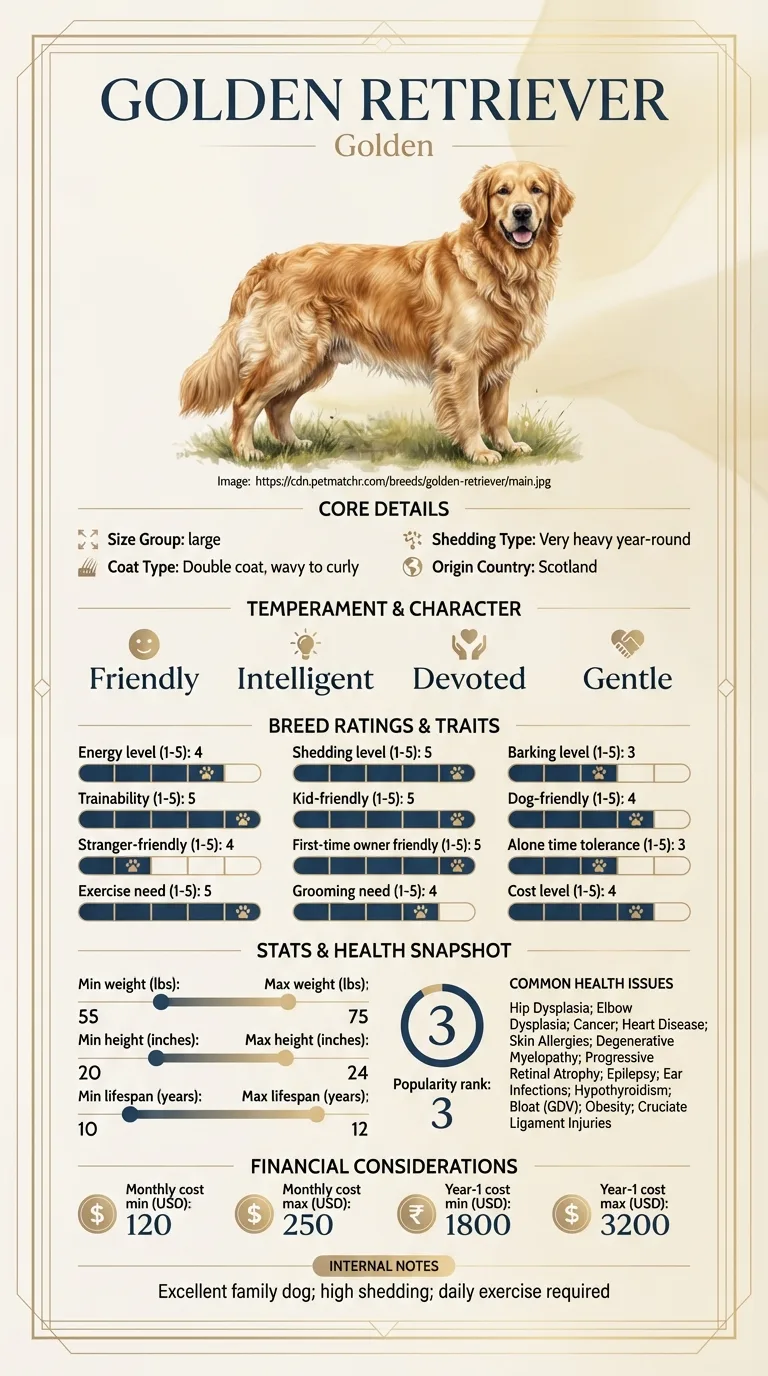
Golden Retrievers are prone to several genetic disorders that can affect their quality of life. Common issues include hip and elbow dysplasia, heart disease, and certain cancers. These conditions can lead to pain, mobility issues, and a reduced lifespan, making it essential for owners to understand and recognize them early.
Unfortunately, Golden Retrievers have a higher incidence of genetic disorders compared to many other breeds. Hip dysplasia affects nearly 20-30% of Goldens, while elbow dysplasia and heart diseases are also significant concerns. Regular vet check-ups and genetic testing can help manage these risks.
Golden Retrievers are prone to certain genetic disorders due to their breeding history. Conditions like hip dysplasia and elbow dysplasia are common in this breed, as they have been selectively bred for specific traits. Their genetics can also lead to issues such as cancer and heart disease, making awareness crucial for responsible ownership.
Environmental factors can exacerbate genetic health issues. For example, lack of exercise can lead to obesity, which increases the risk of joint problems. Additionally, poor nutrition and inadequate veterinary care may contribute to the severity of existing genetic disorders.
Consult your vet if you notice persistent symptoms like limping, excessive weight gain, or changes in appetite. Early intervention can make a significant difference in managing genetic disorders. Always keep up with regular health check-ups to catch potential issues before they become serious.
Understanding how to avoid common mistakes can help you manage your Golden Retriever's health better. Here are some missteps and safer alternatives to consider.
See all Golden Retriever health problems, which breeds are prone to most common genetic disorders, or the full Golden Retriever breed guide for temperament, exercise needs and ownership costs.
Addressing genetic disorders in Golden Retrievers can take several months to years. Early detection and consistent care are key.
Success means managing symptoms effectively, maintaining your dog's quality of life, and ensuring regular vet check-ups to monitor their health.
Sarah, a first-time dog owner, adopted a Golden Retriever named Charlie. After a few months, she noticed he was limping and seemed lethargic. A vet visit revealed he had hip dysplasia, a common genetic disorder in Golden Retrievers. Determined to help Charlie, Sarah committed to a routine of medication, physical therapy, and tailored exercise. Over time, Charlie regained his energy and mobility, allowing them to enjoy their daily walks together.
Key takeaway: Early identification and a proactive approach to care can significantly improve the quality of life for Golden Retrievers facing genetic disorders.
Golden Retrievers are prone to several genetic disorders, including hip dysplasia, elbow dysplasia, and certain types of cancer. Other issues include heart disease, skin allergies, and progressive retinal atrophy. Regular vet check-ups can help catch these conditions early. This answer relates to Golden Retriever most common genetic disorders.
While you can't completely prevent genetic disorders, you can minimize risks by choosing a reputable breeder who tests for common health issues. Regular exercise, a balanced diet, and routine veterinary care are also essential for maintaining your dog's health.
Genetic disorders are often inherited traits that can be passed down from parents to puppies. If your Golden Retriever has a genetic disorder, it may be because one or both parents were carriers of the gene. Regular screening can help identify potential risks.
If you notice any unusual symptoms, such as limping, excessive itching, or changes in behavior, consult your veterinarian immediately. Early diagnosis can improve treatment outcomes significantly.
Treatment costs can vary widely depending on the disorder. Basic treatments may start around $200, while surgeries for conditions like hip dysplasia can exceed $5,000. It's important to budget for potential health care expenses.
If your older Golden Retriever shows signs of common genetic disorders, it's essential to consult a veterinarian. Early detection can help manage symptoms and improve their quality of life. Regular check-ups can also catch issues before they become severe.
Yes, a balanced diet can support overall health and potentially alleviate some symptoms of genetic disorders. Consult your vet for specific dietary recommendations tailored to your Golden's health needs.
Yes, many genetic disorders in Golden Retrievers are inherited traits. Responsible breeding practices can help reduce the risk of these disorders in puppies. Always choose breeders who screen for common health issues.
Signs of genetic disorders may include limping, difficulty breathing, or unusual behaviors. If you notice any concerning symptoms, schedule a vet appointment for a thorough examination and diagnostic tests.
Treatment options depend on the specific disorder but may include medication, physical therapy, or surgery. Your veterinarian can recommend the best course of action based on your Golden's condition and needs.
Choose a responsible breeder, keep regular vet appointments, and maintain a healthy diet and exercise routine.
Watch for any changes in behavior, appetite, or energy levels. Regular health checks are key.
Yes, Golden Retrievers are prone to several genetic disorders, making it vital to be proactive with their health care.
You can expect to spend between $120 to $250 monthly on care, depending on the dog's health needs.
A one-page prep sheet for this condition: the signs, the questions to ask, what to get priced. Unlocks here.
You get: Vet visit prep sheet
No spam. One-click unsubscribe. See our privacy policy.
Preview page 1 before you decide.