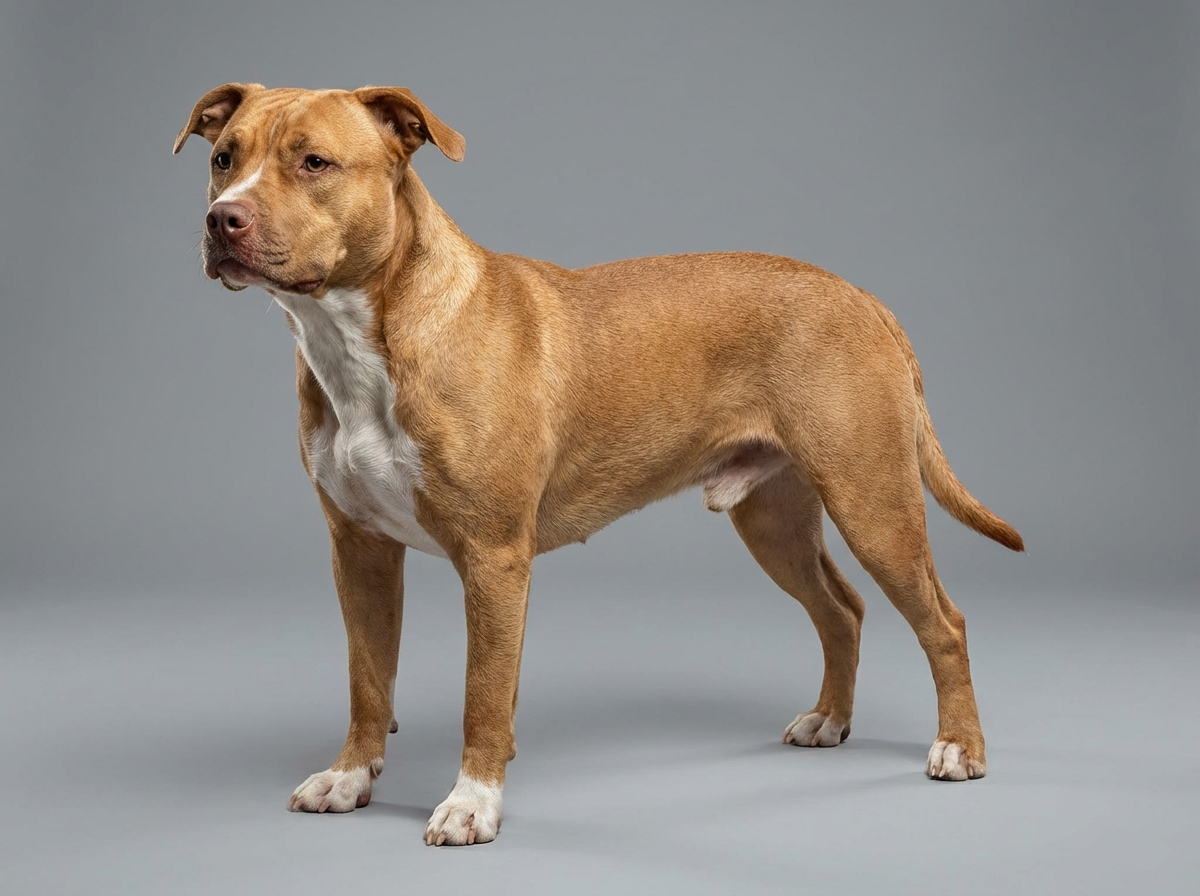
American Pit Bull Terrier Skin Infections: Causes and Solutions
American Pit Bull Terrier skin infections can be a frustrating challenge for pet owners. These infections often occur in facial folds and can lead to discomfort.

What you can try
- Regularly groom your American Pit Bull Terrier to remove dirt and loose hair. Use a soft brush that’s gentle on their skin.
- Keep their living area clean and dry to minimize allergens. Vacuum regularly and wash their bedding frequently.
- Consider using hypoallergenic dog shampoos when bathing your pet. This helps reduce skin irritation and keeps their coat healthy.
- Monitor their diet for any potential food allergies. Consult with a vet about switching to a limited ingredient diet if skin issues persist.
- Apply a veterinarian-approved topical treatment to soothe irritated skin. This can help prevent infections from worsening.
Mistakes that make this worse – American Pit Bull Terrier skin infections
Avoiding common pitfalls can help you manage American Pit Bull Terrier skin infections more effectively. Here are some mistakes to watch out for.
- Neglecting regular grooming – Skipping grooming can lead to dirty fur and trapped moisture, making infections worse. Brush your Pit Bull regularly to keep their coat clean and dry.
- Ignoring symptoms – Waiting too long to address skin issues can allow infections to spread. If you notice redness, itching, or unusual smells, consult your vet promptly.
- Using human products – Applying creams or soaps meant for humans can irritate your dog's skin. Stick to dog-specific products recommended by your vet.
- Over-bathing – Bathing your Pit Bull too frequently can strip natural oils, worsening skin conditions. Limit baths to once a month or as advised by your vet.
- Not addressing allergies – Food or environmental allergies can trigger skin infections. Work with your vet to identify and manage any underlying allergies.
- Delaying veterinary visits – Procrastinating on vet appointments can prolong your dog’s discomfort. Schedule a check-up at the first sign of skin issues to get timely treatment.
- Using harsh collars or harnesses – Some collars can irritate the skin, especially if they rub against inflamed areas. Opt for soft, comfortable alternatives.
When is it an Emergency?
Recognizing when your American Pit Bull Terrier has skin infections is crucial. Some signs indicate it's time to call your vet immediately, while others can be monitored at home. Red flags include severe swelling, excessive bleeding, or pus-filled lesions. If your dog is excessively scratching, biting, or showing signs of pain, don't hesitate to reach out to your vet.
Mild cases might involve occasional itching or small, localized irritations. If your dog seems comfortable and the skin issue isn't worsening, you can watch and wait. It's important to keep the area clean and monitor for any changes. If the irritation persists beyond a few days or worsens, consult your vet for advice.
Always trust your instincts. If your dog is acting unusually lethargic or has a decreased appetite alongside skin issues, contact your vet. Early intervention can prevent more serious problems down the line.

Frequently asked questions
Why does my American Pit Bull Terrier have skin infections?
American Pit Bull Terrier skin infections can occur due to allergies, parasites, or bacteria. Regular grooming and cleaning can help prevent infections, especially in areas with folds. If you notice persistent infections, consult a vet for a proper diagnosis.
How can I stop my American Pit Bull Terrier from getting skin infections?
To stop American Pit Bull Terrier skin infections, ensure your dog has a balanced diet and regular baths. Keep their skin dry and clean, and check for any irritants like flea bites or environmental allergens. Regular vet check-ups can help catch issues early.
What are the common signs of skin infections in American Pit Bull Terriers?
Common signs of skin infections include redness, swelling, or discharge. Your dog may also scratch or lick the affected area excessively. If you notice these signs, it’s important to seek veterinary care promptly.
Are skin infections in American Pit Bull Terriers serious?
While many skin infections can be treated easily, untreated infections can lead to more serious health issues. If your dog is frequently experiencing skin infections, it’s wise to consult your vet for a comprehensive plan.
What treatments are available for skin infections in American Pit Bull Terriers?
Treatments for American Pit Bull Terrier skin infections may include medicated shampoos, topical ointments, or oral medications. Your vet will provide the best treatment based on the infection's cause and severity.
What are the common causes of skin infections in American Pit Bull Terriers?
American Pit Bull Terrier skin infections often arise from allergies, parasites, or bacterial infections. Allergies can be environmental, food-related, or due to grooming products. Regular vet check-ups can help identify the root cause.
How can I tell if my American Pit Bull Terrier's skin infection is serious?
If your Pit Bull has persistent redness, swelling, or excessive scratching, it might indicate a serious skin infection. Look for signs like discharge or if they seem in pain. It's best to consult a vet if these symptoms occur.
Can skin infections in older American Pit Bull Terriers be different from younger dogs?
Yes, older American Pit Bull Terriers may develop skin infections differently, often due to weakened immune systems or chronic health issues. Monitoring their skin closely and adjusting their care can help maintain their health.
What are some home remedies for American Pit Bull Terrier skin infections?
While home remedies like oatmeal baths can soothe irritated skin, they aren't a substitute for veterinary care. Always consult a vet before trying home treatments to avoid worsening the infection.
How can I prevent skin infections in my American Pit Bull Terrier?
To prevent American Pit Bull Terrier skin infections, maintain regular grooming, keep their environment clean, and monitor for allergies. A balanced diet and regular vet visits also help keep their skin healthy.