What are some quick tips to reduce my Yorkshire Terrier's excessive barking?
To reduce Yorkshire Terrier excessive barking, ensure they get enough exercise, provide mental stimulation, and train them with positive reinforcement. Consider using toys or engaging games to distract them from barking triggers.
Yorkshire Terrier excessive barking can be a real challenge for owners.
Many Yorkie owners, especially first-time pet parents or those living in apartments, often find themselves struggling with this issue. Busy professionals, families with children, or anyone looking for a quieter home environment may feel particularly impacted.
Important reminder
This guide is not medical advice. If your dog shows pain, sudden behavior change, or worsening symptoms, consult a licensed veterinarian.
Some links may be affiliate links. We may earn a commission at no extra cost to you. We only suggest products we believe are helpful for dog owners.
We research and check what we publish, but we do not warrant that any figure, date, price, or statement is accurate, complete, or current, and we accept no liability for any loss, cost, injury, or other harm arising from the use of this site. Use it as one reference among several. You remain responsible for your own decisions and for your dog's care - confirm anything that matters with a licensed veterinarian or another qualified professional before you act on it. Full disclaimer.
What this problem looks like
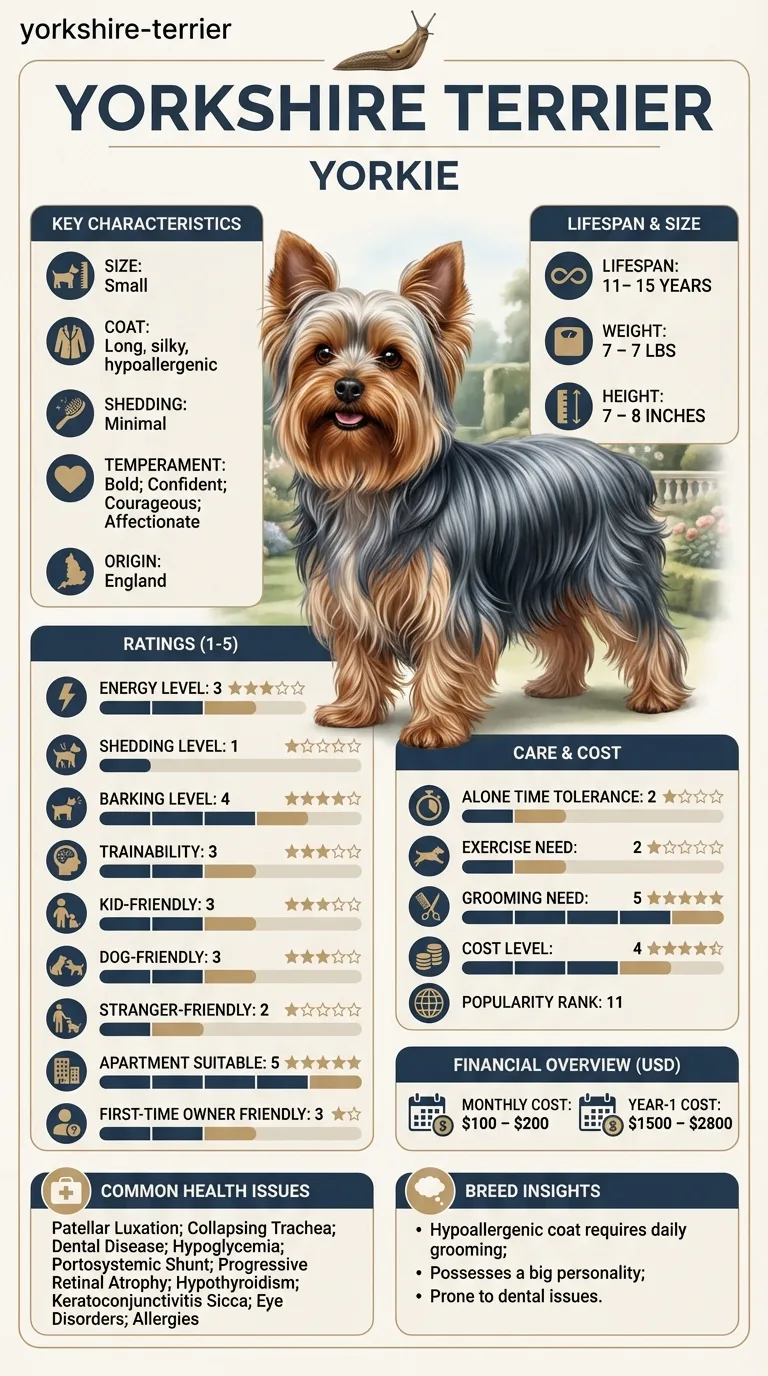
Yorkshire Terrier excessive barking is a common issue for many owners of this small breed. These feisty little dogs tend to bark at anything that moves, whether it's a passerby, a squirrel, or even a rustling leaf. This barking can become a daily annoyance, especially in apartment living where noise carries easily.
Common triggers
Strange noises or unfamiliar people
Boredom or lack of stimulation
Separation from their owner or anxiety
Excitement during playtime or walks
For Yorkshire Terriers, excessive barking is quite common, ranking high on their behavior spectrum. Many owners report this as a frequent challenge, particularly when their Yorkie is left alone or not adequately exercised.
Why this happens
Breed factors
Yorkshire Terriers, or Yorkies, are known for their bold and confident personalities. This breed has a high barking level, which often stems from their instinct to alert owners of any potential threats. Their history as small terriers means they were bred to be alert and protective, leading to barking at various stimuli.
Environment factors
Environmental factors also play a significant role. If a Yorkie feels anxious or lacks stimulation, they may bark excessively due to boredom or loneliness. Moreover, urban living can expose them to more noise and movement, prompting them to bark even more at unfamiliar sounds or sights.
What you can try
At-home strategies
Establish a routine: Dogs thrive on consistency. Set regular feeding, walking, and playtimes to help your Yorkie feel secure.
Provide mental stimulation: Engage your Yorkie with puzzle toys, training sessions, or games like hide-and-seek to keep their mind busy.
Create a calm environment: Use white noise machines or calming music to drown out sudden noises that may trigger barking.
Teach the 'quiet' command: Train your Yorkie to stop barking on cue. When they bark, say 'quiet' and reward them when they stop. Repeat until they understand.
Socialization: Introduce your Yorkie to different environments, people, and other pets gradually to help them become more comfortable and less reactive.
When to consider a trainer
If your efforts to curb excessive barking don’t yield results, consider consulting a professional trainer. They can provide tailored strategies and help address underlying behavioral issues.
When to talk to your vet
If you notice a sudden increase in barking that seems out of character for your Yorkie, consult your vet. This may indicate anxiety, pain, or other health concerns needing attention.
It can take several weeks to a few months to see significant improvements in your Yorkshire Terrier's excessive barking.
Success means your Yorkie barks less frequently and responds better to commands to be quiet, creating a more peaceful home environment.
Mistakes that make Excessive Barking worse
Here are some common mistakes that can worsen Yorkshire Terrier excessive barking, along with safer alternatives to help improve the situation.
Ignoring the barking: Many owners mistakenly ignore their dog's barking, thinking it will stop on its own. This can reinforce the behavior, as the dog learns that barking gets them attention, even if it's negative.
Yelling at the dog: Shouting at your Yorkshire Terrier during barking can create anxiety and confusion. Instead, calmly redirect their attention to a toy or command to help them focus on something else.
Using punishment: Physical punishment or aversive techniques can lead to fear and aggression. Focus on positive reinforcement methods, rewarding quiet behavior with treats or praise.
Inconsistent training: Switching training methods or not being consistent can confuse your dog. Stick to a clear training plan and ensure all family members are on the same page.
Allowing too much freedom: Letting your Yorkie roam freely can invite excessive barking at stimuli. Use boundaries and crates to limit their access to distractions when you can't supervise them.
Failing to provide mental stimulation: A bored Yorkshire Terrier is more likely to bark excessively. Provide puzzle toys, training sessions, or interactive games to keep their mind engaged.
Neglecting socialization: Lack of exposure to different environments, people, and dogs can increase barking due to fear or excitement. Gradually introduce your dog to new experiences to build their confidence.
When Yorkshire Terrier Excessive Barking is an Emergency
Recognizing when your Yorkshire Terrier's excessive barking is an emergency can be crucial. Some barking is normal, but certain signs indicate you should call your vet immediately. If your Yorkie is barking uncontrollably and shows signs of distress, such as pacing, panting excessively, or refusing to eat, it's time to seek help.
These behaviors may indicate underlying anxiety or health issues.
On the other hand, if your dog barks at specific triggers, like doorbells or passing cars, this may not be an emergency. You can monitor these situations and try training techniques. It's essential to have a plan to manage excessive barking, focusing on consistent training and positive reinforcement.
Watch for these red flags that mean you should call your vet right away:
- Sudden onset of excessive barking
- Signs of pain or discomfort (whining, hiding)
- Changes in behavior, such as aggression or withdrawal
- Difficulty breathing or coughing while barking
- Barking accompanied by other concerning symptoms, like vomiting or lethargy.
If your dog is barking out of boredom or to alert you, consider it a mild case. You can implement training strategies or consult a trainer for advice. Remember, patience is key as you work through your Yorkshire Terrier's excessive barking.
Understanding Yorkshire Terrier Excessive Barking - When Yorkshire Terrier Excessive Barking is an Emergency
Tina and Max's Journey to Quietude
Tina, a first-time dog owner living in a small apartment, was overwhelmed by her Yorkshire Terrier Max's constant barking. It was especially challenging when neighbors complained, and Tina felt embarrassed. After researching how to stop Yorkshire Terrier excessive barking, she started a training program that included positive reinforcement and consistent commands.
With patience and daily practice, Tina noticed Max barking less and responding to 'quiet' more reliably. Eventually, their home became calmer, and Tina felt proud of her progress with Max.
Key takeaway: Training takes time and consistency, but it's possible to reduce excessive barking with the right approach.
Frequently asked questions
Why does my Yorkshire Terrier have excessive barking?
Yorkshire Terriers often bark excessively due to their high energy and alert nature. They may bark to communicate, express anxiety, or react to environmental stimuli. Identifying triggers, like strangers or loud noises, is essential for addressing this behavior.
How can I stop my Yorkshire Terrier from excessive barking?
To stop Yorkshire Terrier excessive barking, start by identifying the triggers and reducing exposure to them. Training methods, such as positive reinforcement for quiet behavior and distractions like toys, can also help. Consistency is key, so make sure everyone in your household applies the same techniques.
Is excessive barking a sign of separation anxiety in Yorkshire Terriers?
Yes, excessive barking can indicate separation anxiety in Yorkshire Terriers. If your Yorkie barks when left alone, consider gradual desensitization, creating a safe space, or consulting a trainer for specialized techniques. Addressing this early can prevent further behavior issues.
What training techniques work best for Yorkshire Terrier excessive barking?
Techniques like 'quiet' commands, distraction methods, and rewarding calm behavior are effective for Yorkshire Terrier excessive barking. You can also use puzzle toys to keep them engaged and reduce barking. Regular exercise and mental stimulation are crucial for their overall well-being.
How long does it take to train a Yorkshire Terrier to stop excessive barking?
The time it takes to train a Yorkshire Terrier to stop excessive barking can vary from a few weeks to several months. Consistent practice and reinforcement are essential, so be patient and stay committed to the training routine. Progress may be slow, but improvements will come with time.
What are some common triggers for Yorkshire Terrier excessive barking?
Yorkshire Terriers may bark excessively due to boredom, anxiety, or environmental stimuli. Common triggers include strangers approaching the house, other dogs barking, or even loud noises. Identifying these triggers can help you address the barking effectively.
How can I manage barking in an older Yorkshire Terrier?
Older Yorkshire Terriers may bark excessively due to changes in their environment or health issues. It's important to ensure their comfort and consult a vet if you notice sudden changes in behavior. Training methods may need to be adjusted for older dogs to accommodate their needs.
What should I do if my Yorkshire Terrier's barking is disrupting my neighbors?
If your Yorkshire Terrier's barking is bothering neighbors, consider implementing consistent training and behavior modification techniques. Providing more exercise and mental stimulation can also help reduce barking. If the problem persists, consulting a trainer may be a good next step.
Can health issues cause my Yorkshire Terrier to bark excessively?
Absolutely. Health issues like dental pain or respiratory problems can lead to increased barking in Yorkshire Terriers. If you suspect health issues may be the cause of excessive barking, it's essential to schedule a vet appointment for a thorough check-up.
What are some quick tips to reduce my Yorkshire Terrier's excessive barking?
To reduce Yorkshire Terrier excessive barking, ensure they get enough exercise, provide mental stimulation, and train them with positive reinforcement. Consider using toys or engaging games to distract them from barking triggers.
Behavior
Can excessive barking lead to other behavior problems?
Yes, excessive barking can lead to other behavior issues, such as anxiety or aggression. Addressing barking early can help prevent these complications.
Training
Is professional training necessary for barking issues?
While many owners can manage barking issues themselves, professional training can provide tailored solutions and faster results. If your Yorkie's barking seems severe, consider seeking help.
Training
How much time should I dedicate to training my Yorkshire Terrier?
Dedicate at least 10-15 minutes daily to training your Yorkshire Terrier. Consistent, short sessions are more effective than infrequent, longer ones.
Related DogBreedCompass guides
how to stop Yorkshire Terrier excessive barking – Learn how to effectively manage barking issues specific to Yorkshire Terriers.