What this problem looks like
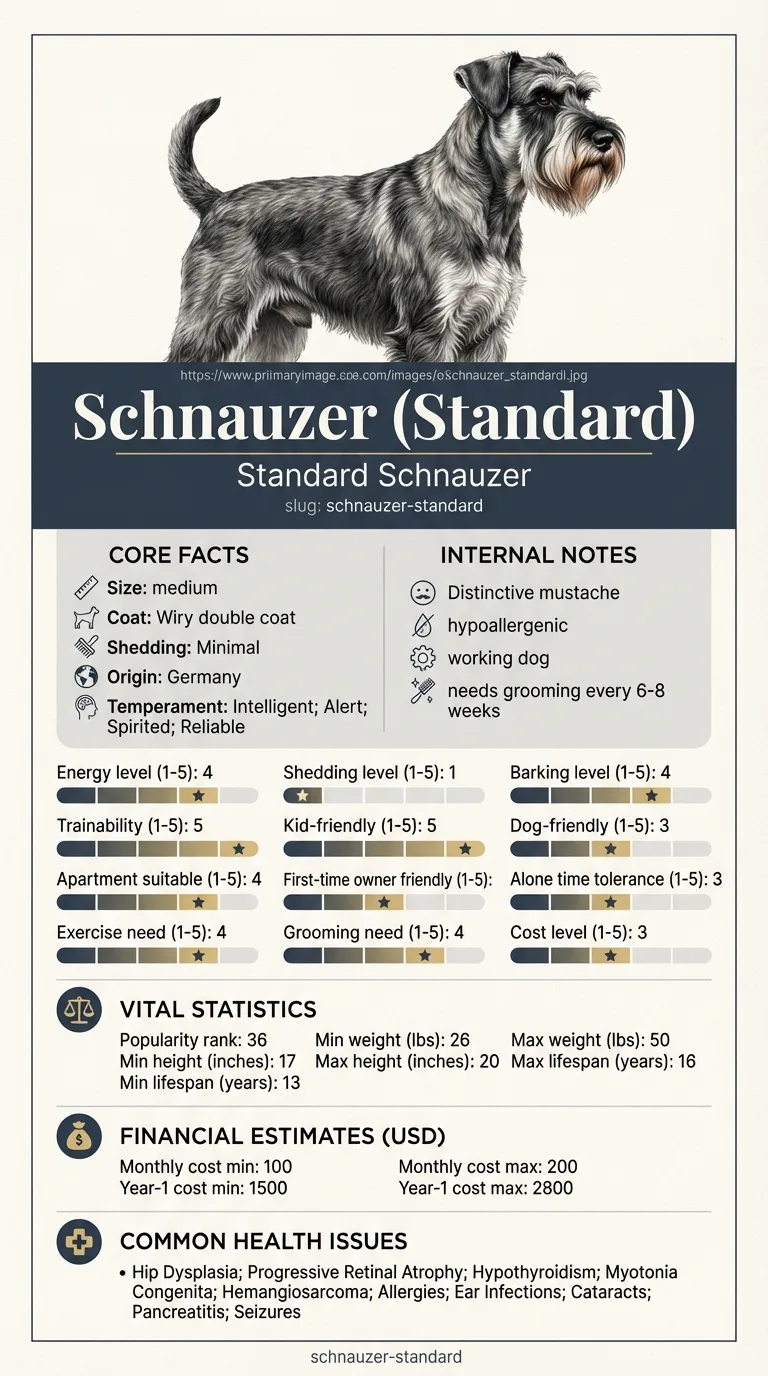
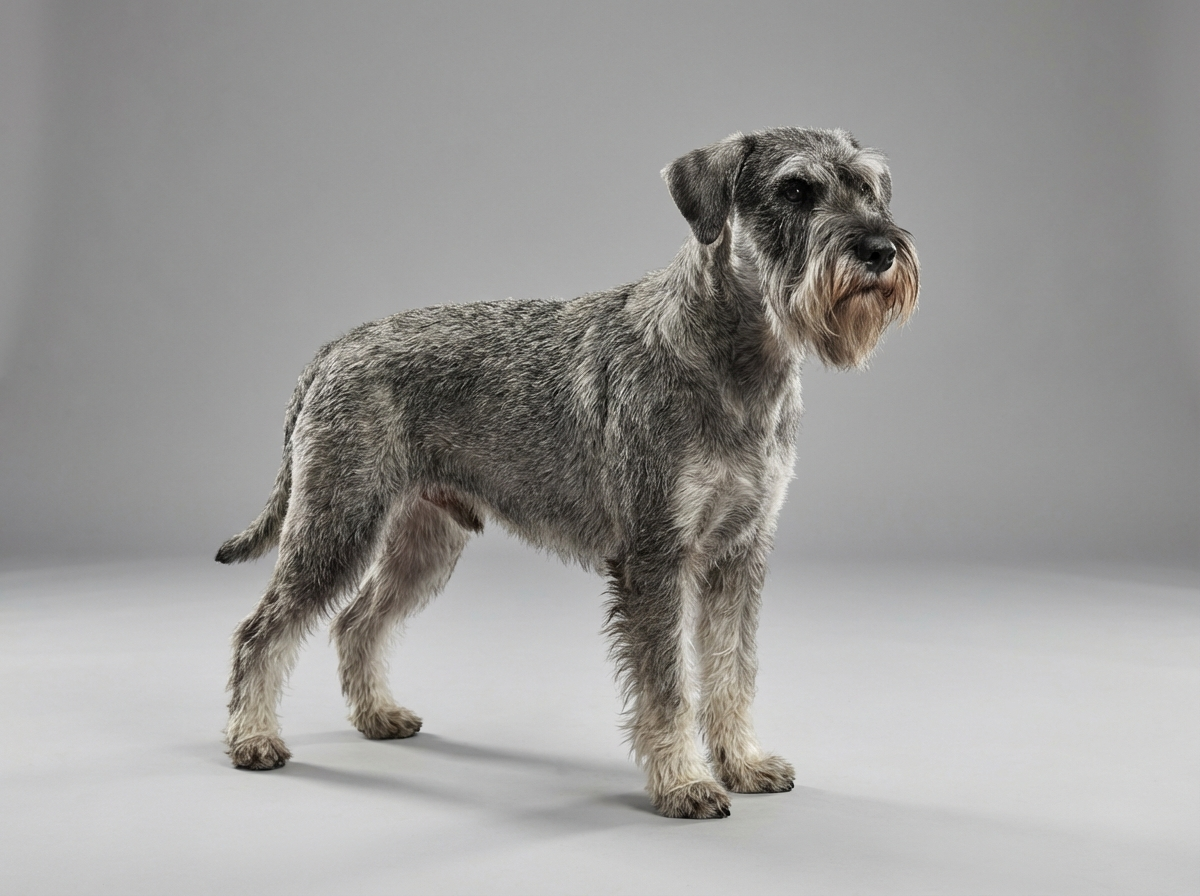
Schnauzer (Standard) hip dysplasia is a common condition that affects this breed's hip joints, leading to pain and mobility issues. Owners may notice their dog having difficulty getting up, limping, or hesitating to jump or climb stairs. These signs can be distressing and may worsen over time, impacting your Schnauzer's quality of life.
Common triggers
- Genetics, as hip dysplasia is often inherited.
- Obesity, which puts extra strain on the joints.
- Overexertion or sudden changes in activity levels.
Hip dysplasia is quite common in Schnauzers (Standard), affecting up to 20% of the breed. While not every dog will experience severe symptoms, it's essential for owners to be aware of this risk.
A Journey to Health: Lisa and Max
Lisa, a busy nurse in Chicago, noticed her Standard Schnauzer, Max, was limping after playtime. After a vet visit, she learned Max had hip dysplasia. Feeling overwhelmed, Lisa started researching ways to help him. She implemented a weight management plan and began regular low-impact exercises like swimming. Lisa also enrolled Max in physical therapy, which helped strengthen his muscles. Over the months, Max's mobility improved, and he could enjoy walks again. Lisa learned that patience and commitment were key to managing Max's condition.
Key takeaway: With the right support and care, you can significantly improve the quality of life for your Schnauzer (Standard) with hip dysplasia.