DogBreedCompass
← Back to breed profile

Schnauzer (Standard) Intervertebral Disc Disease (IVDD) Type I

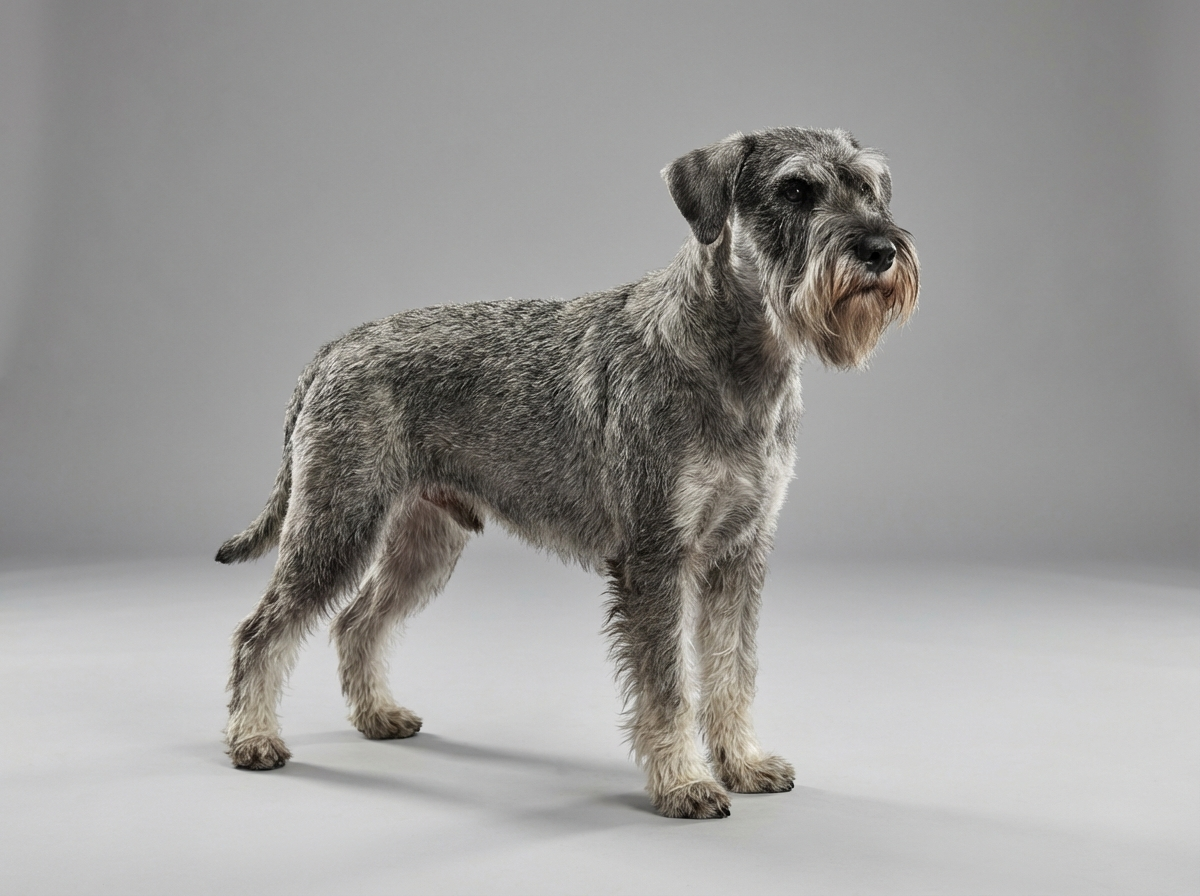
Schnauzer (Standard) intervertebral disc disease (IVDD) type I can cause significant discomfort for your dog. This condition involves herniated discs pressing on the spinal cord, leading to pain and mobility issues.

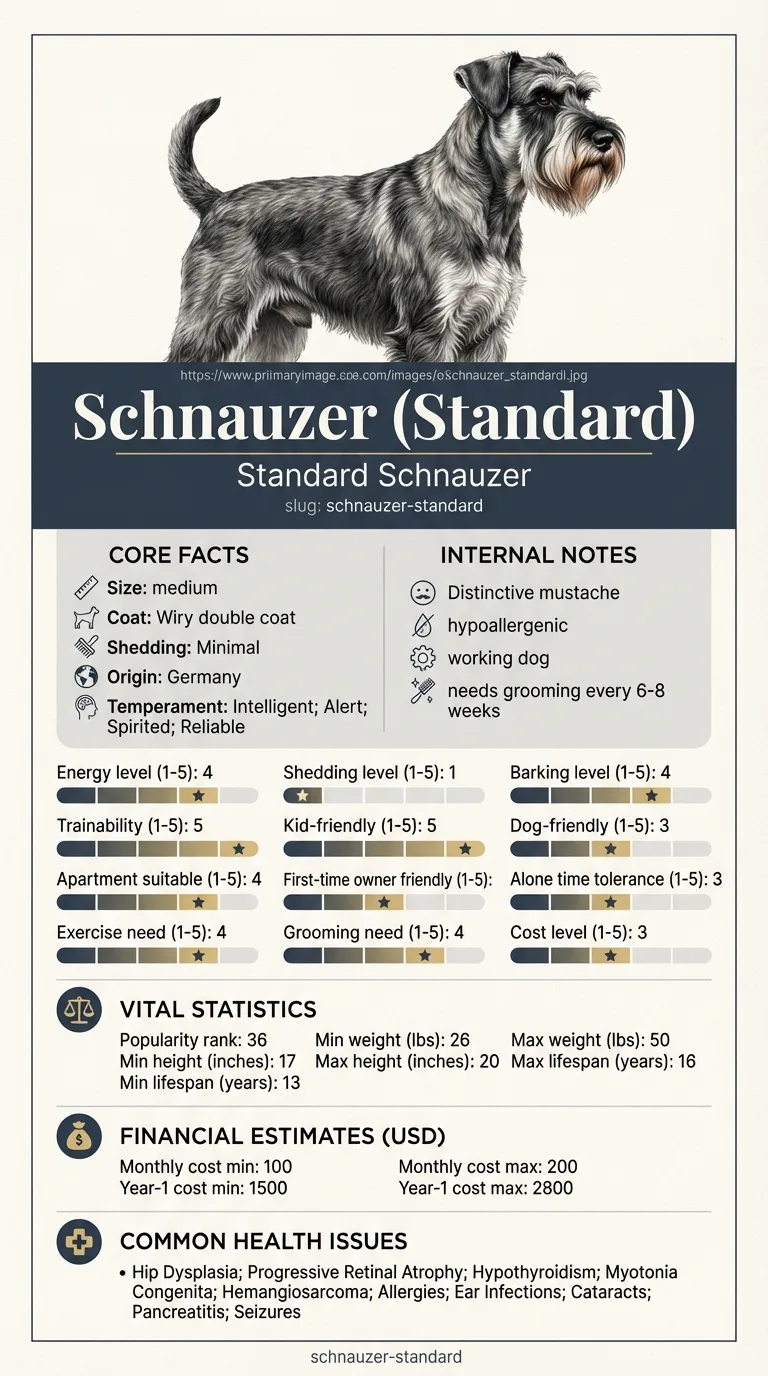
Schnauzer (Standard) Intervertebral Disc Disease (IVDD) Type I infographic

Typically, owners of Schnauzers (Standard) may face this issue, especially those who have active dogs or live in environments that put stress on their dogs' backs. Busy families or first-time dog owners may find it particularly challenging to manage the symptoms and treatment effectively.

Important reminder

This guide is not medical advice. If your dog shows pain, sudden behavior change, or worsening symptoms, consult a licensed veterinarian.

Some links may be affiliate links. We may earn a commission at no extra cost to you. We only suggest products we believe are helpful for dog owners.

What this problem looks like

Schnauzer (Standard) intervertebral disc disease (IVDD) type I is a serious condition where herniated discs press on the spinal cord. This can cause pain, weakness, or even paralysis in affected dogs. Owners may notice their Schnauzer having difficulty walking, reluctance to jump or play, or showing signs of discomfort when picked up.

Common triggers

  • Obesity or excessive weight can increase strain on the spine.
  • High-impact activities that put stress on the back.
  • Genetics play a role, as some Schnauzers are predisposed to this condition.

This condition is relatively common in Schnauzers, especially in older dogs or those that are overweight. While not every Schnauzer will experience IVDD, being aware of this risk can help owners take preventive measures.

Why this happens

Breed factors

Schnauzers (Standard) are prone to intervertebral disc disease (IVDD) type I due to their genetic predisposition. Their medium size and body structure can lead to spinal issues, especially if they engage in high-impact activities or have a history of back problems. Additionally, aging increases their likelihood of developing this condition.

Environment factors

Environmental factors such as lack of exercise or obesity can exacerbate the risk of IVDD. A sedentary lifestyle can weaken the muscles that support the spine, making it more susceptible to injury. Moreover, jumping or climbing on furniture without proper training can lead to sudden back injuries.

What you can try

At-home strategies

  • Maintain a healthy weight for your Schnauzer (Standard) to reduce stress on their spine. Regular vet check-ups can help monitor their weight.
  • Provide low-impact exercises such as walking or swimming instead of jumping or running on hard surfaces. Aim for 30 minutes of exercise daily, split into shorter sessions.
  • Use ramps or steps to help your dog access furniture or cars without jumping. This can significantly reduce the risk of back injuries.

When to consider a trainer

If your Schnauzer (Standard) exhibits signs of anxiety or fear of certain movements, a professional trainer can help address these issues. Training sessions focusing on gentle commands can improve their confidence and reduce the risk of injury.

When to talk to your vet

Contact your vet if you notice any signs of pain, difficulty in movement, or changes in behavior. If your dog is showing symptoms of IVDD, such as weakness in the hind legs or reluctance to jump, it's essential to seek veterinary advice immediately.

Realistic expectations

You can expect to see improvements in your Schnauzer's condition within 4 to 6 weeks of starting treatment and rehabilitation. However, it may take several months for your dog to fully recover, depending on the severity of the disease.

Success means that your Schnauzer regains mobility and shows reduced pain. Ideally, your dog will return to their normal activities, such as walking and playing, while maintaining a comfortable quality of life.

Mistakes that make this worse – Schnauzer (Standard) intervertebral disc disease (ivdd) type i

Avoiding these common mistakes can help manage your Schnauzer's intervertebral disc disease (IVDD) type I more effectively.

  • Ignoring early signs of pain: If your Schnauzer shows signs of discomfort, like reluctance to jump or play, it's crucial not to dismiss these signs. Instead, consult a vet promptly to address any potential issues before they worsen.
  • Overexercising: While exercise is essential, too much can strain your dog's back. Stick to moderate, low-impact activities and consider short, frequent walks instead of long, strenuous outings.
  • Neglecting weight management: Extra weight can put additional pressure on your dog's spine. Ensure a balanced diet and regular exercise to help maintain a healthy weight and reduce the risk of exacerbating IVDD.
  • Using improper lifting techniques: When lifting your Schnauzer, always support their body properly. Avoid lifting them by the front legs or under the belly; instead, use both arms to cradle their body to prevent injury.
  • Skipping regular vet check-ups: Routine visits can help catch health issues early. Don’t wait for a crisis; regular check-ups can provide crucial insights into your Schnauzer's condition.
  • Ignoring prescribed rest: After a diagnosis, it's easy to want to comfort your Schnauzer with attention and play. However, rest is vital for healing. Follow your vet's advice on limiting activity to promote recovery.
  • Self-diagnosing or treating: Avoid the temptation to diagnose or treat your Schnauzer without professional guidance. Always consult a vet before trying new treatments or medications to ensure safety.

When It Is an Emergency

Knowing when your Schnauzer (Standard) is facing an emergency due to intervertebral disc disease (IVDD) type I is crucial. Look out for red-flag signs that require immediate veterinary attention, such as sudden loss of mobility, severe pain, or inability to stand or walk. If your dog has any of these symptoms, don't hesitate – call your vet right away.

Other warning signs include loss of bladder or bowel control, noticeable weakness in the hind legs, or any signs of extreme distress, like whining or shaking. These could indicate significant nerve damage or a severe herniated disc pressing on the spinal cord. Prompt action is essential to prevent permanent damage.

On the other hand, if your Schnauzer (Standard) shows mild symptoms like occasional stiffness, slight difficulty jumping, or minor discomfort that seems to improve with rest, you can monitor the situation at home. A plan for care might include limiting activity, keeping your dog comfortable, and consulting with your vet about management strategies. Regular check-ins and observing any changes in behavior can help you decide if a vet visit becomes necessary.

Schnauzer (Standard) Intervertebral Disc Disease (IVDD) Type I - When It Is an Emergency

Emily and Max: Overcoming IVDD Challenges

Emily, a busy nurse in Dallas, was devastated when her Standard Schnauzer, Max, was diagnosed with intervertebral disc disease (IVDD) type I. Initially, Max struggled with mobility and seemed to be in pain. Emily quickly learned that a combination of medication, physical therapy, and careful management of Max's activity level would be key to his recovery. She committed to daily exercises prescribed by the vet, combined with regular check-ins. Over the next few months, Max gradually regained strength and confidence. Emily celebrated when he could finally join her on short walks again.

Key takeaway: With dedication and the right guidance, managing a Schnauzer with IVDD can lead to a successful recovery and a happy, active life.

Frequently asked questions

Why does my Schnauzer (Standard) have intervertebral disc disease (IVDD) type I?

Schnauzers are prone to intervertebral disc disease (IVDD) type I due to their genetic makeup and physical structure. Their medium size and body shape can lead to herniated discs, which put pressure on the spinal cord. Regular vet check-ups can help catch early signs. This answer relates to Schnauzer (Standard) intervertebral disc disease (ivdd) type i.

How can I stop my Schnauzer (Standard) from suffering from IVDD type I?

Preventing IVDD type I in your Schnauzer involves maintaining a healthy weight and providing low-impact exercise. Avoid letting your dog jump from high places or engage in rough play. Additionally, consider using ramps for easy access to furniture.

What are the signs of intervertebral disc disease (IVDD) type I in Schnauzers?

Common signs include back pain, reluctance to move, weakness in limbs, or in severe cases, paralysis. If you notice any of these symptoms, consult your vet immediately for an evaluation. Early detection can improve treatment outcomes.

What treatment options are available for Schnauzers with IVDD type I?

Treatment options include medication for pain and inflammation, physical therapy, and in some cases, surgery. Your vet will recommend the best approach based on the severity of your Schnauzer's condition. Always follow their guidance for the best results.

Can training help manage my Schnauzer's IVDD type I?

Yes, training can help manage IVDD type I by teaching your Schnauzer to avoid risky behaviors. Focus on commands that promote safe movement and control, like 'sit' and 'stay'. Consistent reinforcement will help your dog adapt to their condition.

Can intervertebral disc disease (IVDD) type I occur in older Schnauzers (Standard)?

Yes, while IVDD can affect Schnauzers of any age, it is more common in older dogs. As your Schnauzer ages, the risk of disc degeneration increases, making regular veterinary check-ups essential.

What signs indicate my Schnauzer (Standard) might have IVDD type I?

Look for signs like reluctance to move, difficulty walking, or yelping in pain when touched. If your Schnauzer shows these symptoms, consult your vet as soon as possible.

Are there any preventive measures for IVDD type I in Schnauzers (Standard)?

To help prevent IVDD, maintain a healthy weight and avoid excessive jumping or rough play. Regular exercise and weight management can strengthen your Schnauzer's back and reduce the risk.

Is surgery always necessary for Schnauzers (Standard) with IVDD type I?

Not always. Some cases can be managed with medication and restricted activity. However, if your Schnauzer's condition is severe, surgery may be recommended to relieve pressure on the spinal cord.

What is the long-term outlook for a Schnauzer (Standard) diagnosed with IVDD type I?

The long-term outlook varies based on the severity of the condition and treatment. Many dogs recover well with proper care, but some may have ongoing mobility issues. Regular follow-ups with your vet are crucial for managing your Schnauzer's health.

Quick answers

View more answers
Behavior

What are some quick tips for managing Schnauzer (Standard) IVDD type I?

Ensure a balanced diet and maintain a healthy weight to reduce strain on your Schnauzer's spine. Regular, gentle exercise can help keep them fit. Always supervise play to prevent injuries.

Living

How can I help my Schnauzer (Standard) with IVDD type I at home?

Create a safe environment by removing obstacles and using soft bedding. Provide ramps to help them navigate furniture safely. Regular vet visits are essential for monitoring their condition.

Costs

What costs are associated with Schnauzer (Standard) IVDD type I treatment?

Treatment costs can vary widely, ranging from $1,500 to $5,000 depending on the severity and type of treatment needed. Regular vet visits can also add to ongoing expenses.

Related DogBreedCompass guides

Related guides