Health
What's the riskiest part of anesthesia for a Pug?
Induction, before the breathing tube is placed, and recovery, after it comes out, are the two highest-risk windows.

Quick answer
What's the riskiest part of anesthesia for a Pug?
Induction, before the breathing tube is placed, and recovery, after it comes out, are the two highest-risk windows.
The riskiest parts of a Pug's surgery are often not the surgery itself, but the ten minutes before and the hour after.
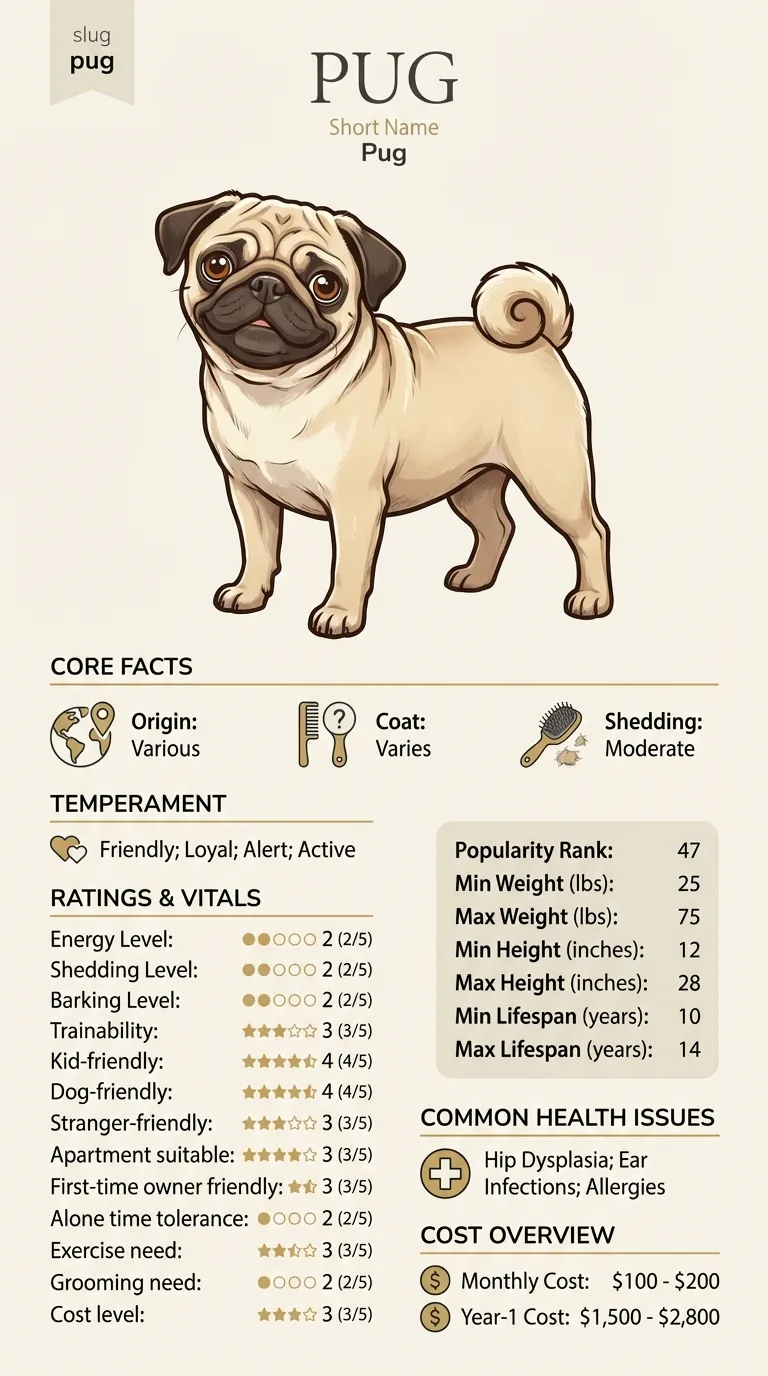
This matters to any owner facing a routine procedure like a dental cleaning or a spay or neuter, not just major surgery. It is especially relevant for owners who have never had a brachycephalic dog before and don't realize that sedation risk here isn't proportional to how minor the procedure is.
This guide is not medical advice. If your dog shows pain, sudden behavior change, or worsening symptoms, consult a licensed veterinarian.
Some links may be affiliate links. We may earn a commission at no extra cost to you. We only suggest products we believe are helpful for dog owners.
Anesthesia sensitivity in Pugs is fundamentally an airway anatomy issue rather than a drug metabolism one. Sedation relaxes muscles that keep the airway open, and this breed starts with so little airway margin that the same drugs which are routine in other breeds carry a higher risk of obstruction during the unprotected windows of induction and recovery.
Serious anesthetic complications are not the norm; most Pug procedures go smoothly with an appropriate protocol. But brachycephalic breeds are consistently overrepresented in anesthesia-related complication data compared to breeds with normal muzzle length, which is why the extra precautions exist.
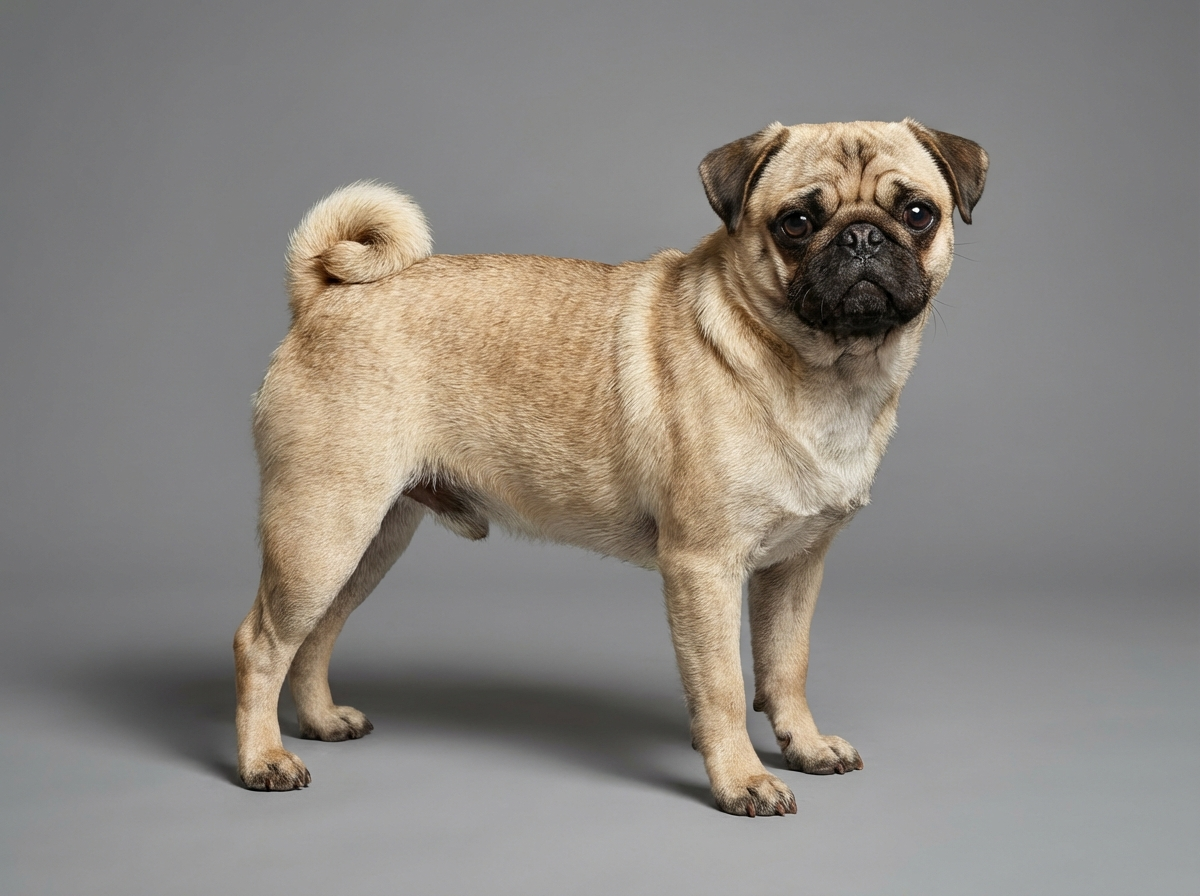
The same short muzzle, narrow nostrils, and crowded soft palate that define this breed's look are exactly what narrow the airway to begin with. Anesthesia doesn't create a new problem; it temporarily removes the muscle tone that was compensating for an already-tight airway.
Heat and stress around a vet visit can compound the risk, since panting is a Pug's main cooling mechanism and that mechanism is disrupted during and immediately after sedation. A calm, temperature-controlled recovery environment reduces this added strain.
Discuss anesthesia risk before scheduling any procedure, not on the day of. If your Pug shows labored breathing, blue-tinged gums, or unusual grogginess that doesn't improve within the expected recovery window after coming home, contact the clinic or an emergency vet immediately rather than waiting to see if it passes.
See all PUG health problems, which breeds are prone to anesthesia sensitivity, or the full PUG breed guide for temperament, exercise needs and ownership costs.
Most Pugs are back to normal activity within 24 to 48 hours of a routine anesthetic procedure, with full recovery from more involved surgery, like soft palate work, taking one to two weeks.
Success means the procedure and recovery pass without a breathing crisis, using a protocol that specifically accounts for this breed's airway rather than a generic one.
Anesthetic risk in brachycephalic dogs concentrates heavily around two specific windows rather than being spread evenly through the procedure. During induction, before a breathing tube is placed, sedation relaxes airway muscles that were already working hard to keep a narrow passage open, which can cause obstruction before the vet team has full airway control. During recovery, after the tube comes out, the same muscle relaxation lingers while the dog is still groggy and less able to compensate, which is why many vets keep brachycephalic dogs intubated longer than other breeds and monitor them closely well past when a longer-nosed dog would already be walking around.
A vet team experienced with flat-faced breeds typically adjusts several things: pre-oxygenating before induction, avoiding sedatives that heavily depress respiratory drive, keeping the dog intubated longer into recovery, and having someone dedicated to airway monitoring rather than only tracking heart rate and blood pressure. None of this makes anesthesia risk-free, but it addresses the specific failure points this breed is prone to rather than applying a generic protocol built around dogs with normal airway anatomy.

When Otis, a seven-year-old Pug, needed his first dental cleaning under anesthesia, his owner was nervous after reading about brachycephalic anesthesia risk online. She called ahead and asked the clinic directly about their protocol. The vet explained they would pre-oxygenate Otis before induction, use a sedation plan that avoided heavy respiratory depression, and keep him intubated longer into recovery than a typical patient. The cleaning itself took under an hour. Otis stayed at the clinic for extended monitoring afterward and went home groggy but breathing normally that evening. His owner said knowing the plan in advance made the day far less stressful than she expected.
Key takeaway: Asking about the specific anesthesia protocol before the day of the procedure, rather than assuming any clinic's default approach accounts for airway risk, is the single most useful thing an owner can do.
It carries more risk than for a longer-nosed breed, primarily around airway management during induction and recovery, but with a vet team experienced in brachycephalic protocols, most procedures go smoothly. The key is asking your vet directly what their brachycephalic-specific approach involves before the day of the procedure.
Yes. Asking whether the practice routinely handles brachycephalic breeds and what their induction and recovery protocol looks like is a reasonable and useful question, not an overreaction.
Sedation relaxes airway muscles, and that relaxation doesn't disappear the moment the breathing tube comes out. A groggy dog with a still-relaxed airway can struggle to breathe well even after the procedure is technically finished, which is why extended monitoring during recovery matters.
Yes, dental cleanings in dogs require anesthesia to safely clean below the gumline and take X-rays, and Pugs often need this more frequently than average because their crowded teeth are prone to faster periodontal disease.
Most vets already build in extra airway monitoring for brachycephalic breeds, but it is reasonable to ask specifically what monitoring is planned and to request it explicitly if you have concerns.
Age matters less than overall airway and heart health. A young Pug with significant airway narrowing can carry more anesthetic risk than an older Pug with a milder airway, so a pre-procedure exam matters more than age alone.
Yes. Extra weight around the neck and chest adds further pressure on an already-tight airway and can complicate breathing during recovery, which is one more reason weight management matters in this breed.
Induction, before the breathing tube is placed, and recovery, after it comes out, are the two highest-risk windows.
Yes, ask directly whether the clinic routinely treats flat-faced breeds and has an adjusted anesthesia protocol for them.
Yes, extra weight adds pressure on an already narrow airway, which is one more reason to keep a Pug at a healthy weight.
Extended monitoring or overnight observation can add to a procedure's cost; ask for an estimate that includes recovery monitoring upfront.
Most clinics don't allow owners in recovery for safety reasons, but you can ask to be called the moment the breathing tube is removed.
A one-page prep sheet for this condition: the signs, the questions to ask, what to get priced. Unlocks here.
You get: Vet visit prep sheet
No spam. One-click unsubscribe. See our privacy policy.
Preview page 1 before you decide.