Behavior
What are quick tips for Cocker Spaniel anesthesia sensitivity?
Monitor your dog closely after any procedure and report unusual behavior to your vet. Discuss alternative anesthetics or protocols with your vet prior to any surgery.

Quick answer
What are quick tips for Cocker Spaniel anesthesia sensitivity?
Monitor your dog closely after any procedure and report unusual behavior to your vet. Discuss alternative anesthetics or protocols with your vet prior to any surgery.
Cocker Spaniel anesthesia sensitivity can be a serious concern for dog owners. It involves the dog's unusual reaction to anesthetic drugs, which can lead to complications during medical procedures.
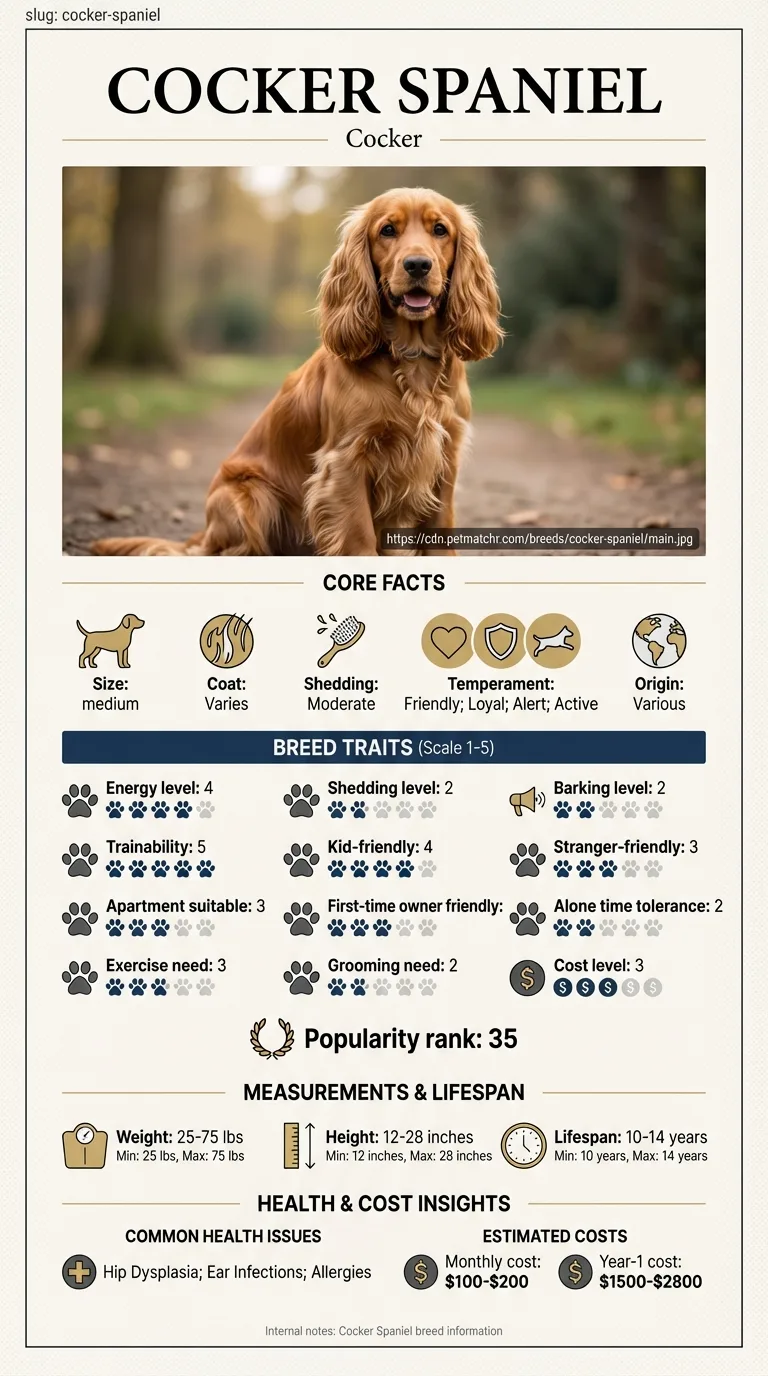
Typically, owners of Cocker Spaniels, especially those who may need to schedule surgeries or dental work, face this challenge. New pet owners and those unaware of their dog’s sensitivity may feel particularly stressed about this issue.
This guide is not medical advice. If your dog shows pain, sudden behavior change, or worsening symptoms, consult a licensed veterinarian.
Some links may be affiliate links. We may earn a commission at no extra cost to you. We only suggest products we believe are helpful for dog owners.
We research and check what we publish, but we do not warrant that any figure, date, price, or statement is accurate, complete, or current, and we accept no liability for any loss, cost, injury, or other harm arising from the use of this site. Use it as one reference among several. You remain responsible for your own decisions and for your dog's care - confirm anything that matters with a licensed veterinarian or another qualified professional before you act on it. Full disclaimer.
Check this first
Knowing when Cocker Spaniel anesthesia sensitivity is an emergency is crucial for your dog's health. Some signs indicate you need to call your vet immediately. These include severe allergic reactions, difficulty breathing, or extreme lethargy after anesthesia. If your dog shows any of these symptoms, don’t hesitate—seek veterinary help right away.
On the other hand, mild sensitivity might not require immediate action. If your Cocker experiences slight drowsiness or nausea but is still responsive, you can monitor them at home. Create a comfortable space for your dog to rest, ensuring they are hydrated. Keep an eye on their behavior and note any changes.
Always have a plan for both scenarios. Being aware of the signs of anesthesia sensitivity can make a significant difference. If you're unsure, it's better to err on the side of caution and consult your vet.
If any of these apply, call your vet or an emergency clinic now. The rest of this page is for the cases that are not an emergency.
Cocker Spaniel anesthesia sensitivity can create significant challenges during vet visits or surgeries. Dogs with this sensitivity may react poorly to anesthetic drugs, leading to extended recovery times or other complications. Everyday signs can include excessive lethargy post-surgery or unusual behaviors after anesthesia.
This sensitivity is relatively common in Cocker Spaniels, partly due to their genetic predispositions. Many owners report experiencing issues with anesthesia sensitivity, especially in older dogs or those with pre-existing health problems.
Cocker Spaniels may have a genetic predisposition to anesthesia sensitivity. Their medium size and specific metabolism can affect how they process anesthetic drugs. Some Cocker Spaniels are more prone to reactions due to their unique body chemistry.
Environmental factors can also contribute to anesthesia sensitivity. Stressful situations, such as unfamiliar settings or loud noises, can heighten their reactions. Additionally, any underlying health issues, like allergies or previous health problems, may make them more susceptible.
If you notice unusual symptoms, such as excessive drowsiness or reactions after anesthesia, it's essential to consult your vet. They can assess whether your Cocker Spaniel's sensitivity is a concern and advise on the best steps to take.
Avoiding these common mistakes can help improve your Cocker Spaniel's anesthesia sensitivity. Here are some behaviors to steer clear of.
Start here: Cocker Spaniel Most Common Genetic Disorders: Screening
See all Cocker Spaniel health problems, which breeds are prone to anesthesia sensitivity, or the full Cocker Spaniel breed guide for temperament, exercise needs and ownership costs.
Improving your Cocker Spaniel's anesthesia sensitivity may take several weeks to months, depending on the dog's individual response to care and management strategies.
Success looks like your Cocker Spaniel undergoing necessary procedures with minimal stress and recovering well, showing reduced anxiety around vet visits and anesthesia.
Sarah, a busy dog mom with a Cocker Spaniel named Bella, noticed that Bella became extremely anxious at the vet, especially when anesthesia was involved. After a particularly stressful experience, Sarah decided to work on Bella's sensitivity. She started using a combination of positive reinforcement training and desensitization techniques. They practiced going to the vet just for weigh-ins and treats, gradually introducing Bella to the sights and smells of the clinic without the pressure of a procedure. Over time, Bella's anxiety decreased, and she learned to associate vet visits with positive experiences. When the time came for a necessary dental procedure, Bella was much calmer, allowing for a smoother process.
Key takeaway: With patience and consistent training, you can help your Cocker Spaniel manage anesthesia sensitivity, making vet visits less stressful for both of you.
Cocker Spaniel anesthesia sensitivity can be caused by genetic factors, underlying health issues, or reactions to anesthetic drugs. It's important to consult your vet to determine any specific risks or triggers for your dog.
Signs of anesthesia sensitivity may include prolonged recovery times, unusual behavior after procedures, or adverse reactions to anesthesia. If your Cocker shows any of these signs post-surgery, contact your vet for advice.
To manage anesthesia sensitivity, discuss with your vet the possibility of pre-anesthetic testing. They may recommend alternative anesthetics or adjusted dosages based on your Cocker Spaniel's specific needs.
Training can help reduce stress and anxiety around vet visits, which may indirectly help with anesthesia sensitivity. Exposure to positive experiences at the vet can make your dog more comfortable during procedures.
Signs of anesthesia sensitivity in Cocker Spaniels can include excessive drooling, vomiting, or unusual lethargy post-surgery. If these symptoms occur, contact your veterinarian right away for guidance. Early intervention can help address any serious issues.
Talk to your vet about your Cocker Spaniel's medical history, any previous reactions to anesthesia, and what options are available for safer anesthesia protocols. Being proactive can help ensure your dog's safety.
While you can't completely eliminate anesthesia sensitivity, working closely with your vet can help you identify the best anesthetic options and protocols for your Cocker Spaniel, minimizing risks during procedures.
If your Cocker Spaniel has a bad reaction to anesthesia, contact your vet immediately. They can assess the situation and provide the necessary care. Monitoring your dog closely after any procedure is crucial.
Yes, older Cocker Spaniels may develop anesthesia sensitivity due to age-related changes in their health. It's essential to discuss any concerns with your vet before any procedure requiring anesthesia. They can suggest appropriate precautions based on your dog's health status.
To prepare your Cocker Spaniel for anesthesia, ensure they are healthy by visiting the vet for a pre-anesthetic evaluation. Discuss any past reactions to anesthesia or other medications. Following your vet's fasting guidelines before the procedure is also important.
Some breeds, including Cocker Spaniels, may have a higher predisposition to anesthesia sensitivity. Genetics, weight, and overall health contribute to this risk. Always discuss breed-specific concerns with your vet before any scheduled anesthesia.
Monitor your dog closely after any procedure and report unusual behavior to your vet. Discuss alternative anesthetics or protocols with your vet prior to any surgery.
Ensure your Cocker is well-exercised and calm before the appointment. A relaxed state can help reduce anxiety during anesthesia.
Signs include extended recovery time, confusion, or unusual behavior after anesthesia. Contact your vet if you notice these symptoms.
While not mandatory, training can help alleviate anxiety before vet visits, making the process smoother for your Cocker Spaniel.
Immediately contact your vet for guidance if your Cocker shows adverse reactions after anesthesia. Quick action can help address any complications.
A one-page prep sheet for this condition: the signs, the questions to ask, what to get priced. Unlocks here.
You get: Vet visit prep sheet
No spam. One-click unsubscribe. See our privacy policy.
Preview page 1 before you decide.