Problem

German Shepherd Anesthesia Sensitivity: What You Need to Know

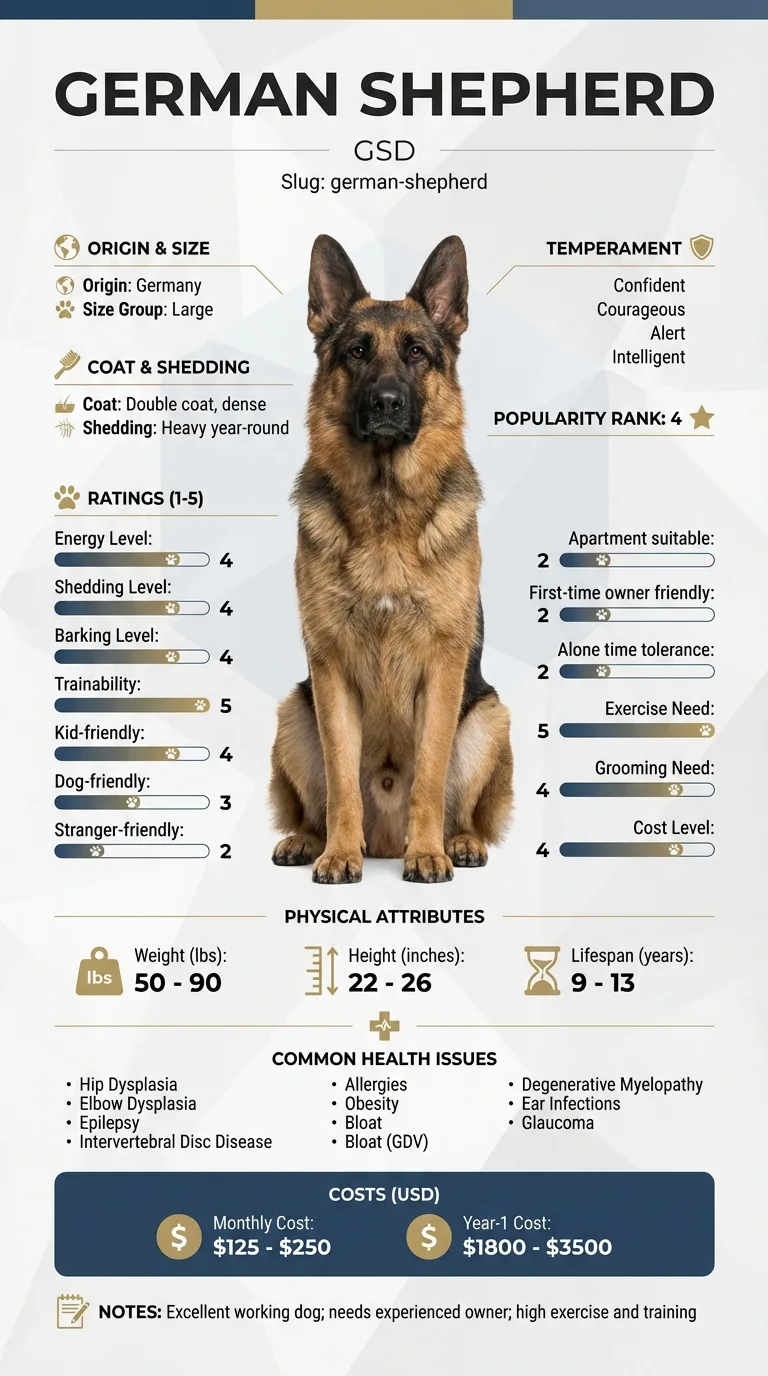
German Shepherd anesthesia sensitivity can be a serious concern for dog owners. This condition can make surgeries and medical procedures riskier for these beloved pets.

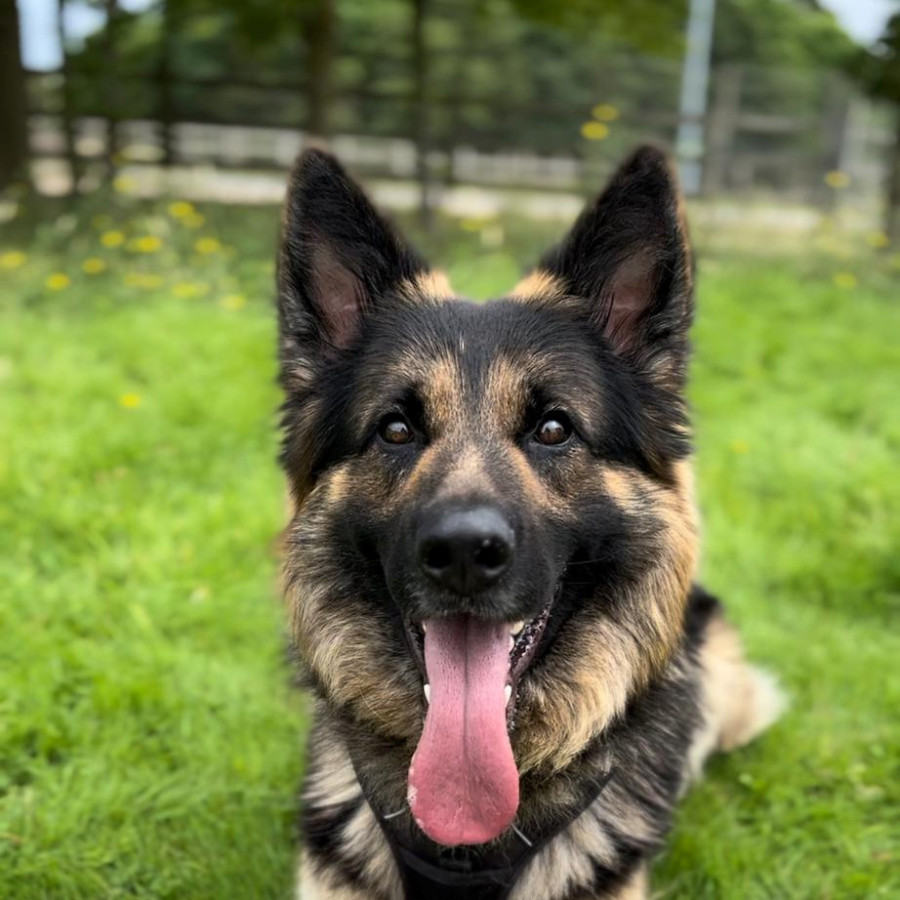
German Shepherd Anesthesia Sensitivity: What You Need to Know photo

What you can try

Mistakes that make this worse

Avoiding common mistakes can help manage your German Shepherd's anesthesia sensitivity more effectively.

When German Shepherd Anesthesia Sensitivity is an Emergency

Understanding when your German Shepherd's anesthesia sensitivity is an emergency can be crucial. It's essential to recognize red-flag signs that require immediate veterinary attention versus milder cases that can be monitored at home.

Call your vet immediately if your German Shepherd shows any of the following signs:<br/>- Difficulty breathing or gasping for air<br/>- Extreme lethargy or unresponsiveness<br/>- Severe vomiting or diarrhea, especially if it's persistent<br/>- Swelling of the face, tongue, or throat<br/>- Seizures or muscle tremors<br/>These symptoms can indicate a serious reaction to anesthesia, and timely intervention can be life-saving.

On the other hand, if your dog experiences mild sensitivity such as slight grogginess or temporary disorientation after anesthesia, you can monitor them at home. In these cases, ensure your dog is in a comfortable, quiet space and has access to water. Keep an eye on their behavior over the next few hours.

If they gradually return to normal or show only mild signs of discomfort, you can proceed with caution. However, always consult your vet for guidance on how to manage their recovery effectively.

German Shepherd Anesthesia Sensitivity: What You Need to Know - When German Shepherd Anesthesia Sensitivity is an Emergency

Frequently asked questions

Why does my German Shepherd have anesthesia sensitivity?

German Shepherd anesthesia sensitivity may stem from genetic factors or underlying health issues. Their size and unique metabolism can also affect how they react to anesthetics. It's crucial to discuss your dog's health history with your vet before any surgery.

How can I tell if my German Shepherd is sensitive to anesthesia?

Signs of anesthesia sensitivity can include prolonged recovery times after surgery, unusual behavior post-anesthesia, or difficulty waking up. If you notice any of these symptoms, consult your veterinarian for advice and potential testing.

What should I do if my German Shepherd has anesthesia sensitivity?

If your German Shepherd has a history of anesthesia sensitivity, inform your vet before any procedures. They may suggest alternative medications or a different anesthetic protocol to ensure your dog's safety during surgery.

How to stop German Shepherd anesthesia sensitivity?

While you can't change your dog's genetic predisposition, you can reduce risks by ensuring they are healthy before surgery. Regular vet check-ups and discussing any past reactions to anesthesia can help create a safer plan.

Is there training for German Shepherd anesthesia sensitivity?

While there's no specific training to eliminate anesthesia sensitivity, behavioral training can help your dog manage anxiety related to vet visits. Reducing stress can lead to better outcomes when anesthesia is required.

Can anesthesia sensitivity in German Shepherds be hereditary?

Yes, some cases of anesthesia sensitivity may have a hereditary component. If you have concerns about your German Shepherd's lineage, it's worth discussing with a vet who can help assess potential risks.

What precautions should I take for my German Shepherd during surgery?

Make sure your vet knows about your German Shepherd's anesthesia sensitivity. They may recommend pre-anesthetic blood work and closely monitor your dog during and after surgery to ensure a safe experience.

What are the signs that my German Shepherd is sensitive to anesthesia?

Signs of anesthesia sensitivity in your German Shepherd may include prolonged recovery time after surgery, unusual agitation or disorientation, and breathing difficulties. If you notice any of these symptoms, it's essential to consult your veterinarian immediately.

How can I prepare my German Shepherd for anesthesia if they have sensitivity?

Preparing your German Shepherd for anesthesia involves discussing their history with your vet. Ensure to mention any previous reactions and follow all pre-surgery instructions carefully, including fasting requirements. This preparation can help minimize risks and improve outcomes.

Is anesthesia sensitivity hereditary in German Shepherds?

Anesthesia sensitivity can have genetic components, making certain breeds, like German Shepherds, more susceptible. If you have concerns about your dog's lineage, consult your vet or a canine geneticist for a deeper understanding.

What alternatives are there for sedation in sensitive German Shepherds?

For German Shepherds with anesthesia sensitivity, your veterinarian may suggest alternative sedation methods. These could include lighter sedation techniques or using different medications that are less likely to cause adverse reactions. Always consult with your vet before making changes.

When should I see a vet about my German Shepherd's anesthesia sensitivity?

If your German Shepherd experiences any unusual effects after anesthesia, such as prolonged lethargy, difficulty breathing, or seizures, seek veterinary help immediately. Regular check-ups can also help monitor any ongoing issues related to anesthesia sensitivity.