Health
What should I do if my Dachshund reacts poorly to anesthesia?
If your Dachshund has a poor reaction to anesthesia, contact your vet immediately for advice on next steps.

Quick answer
What should I do if my Dachshund reacts poorly to anesthesia?
If your Dachshund has a poor reaction to anesthesia, contact your vet immediately for advice on next steps.
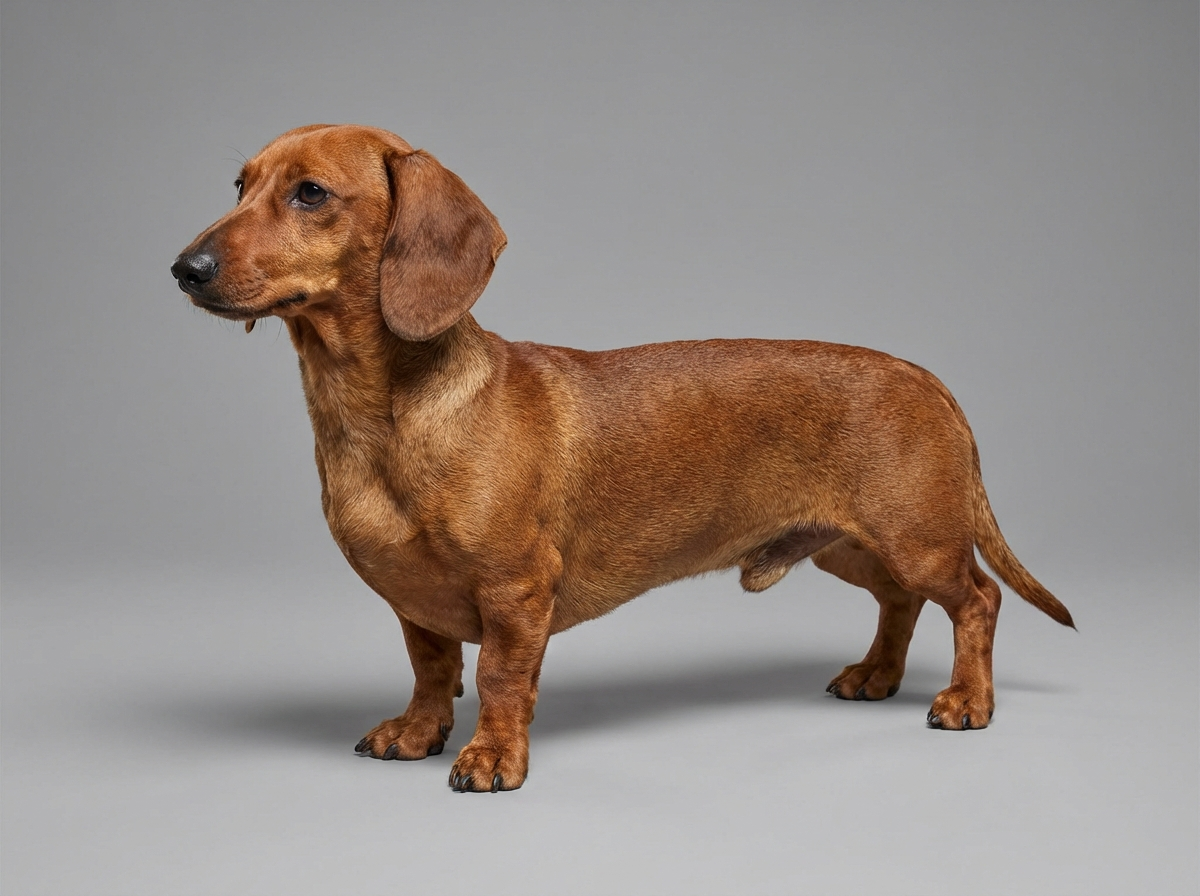
Dachshund anesthesia sensitivity can pose serious risks during veterinary procedures. This sensitivity affects how your Doxie reacts to anesthetic drugs, making it crucial for owners to be informed.
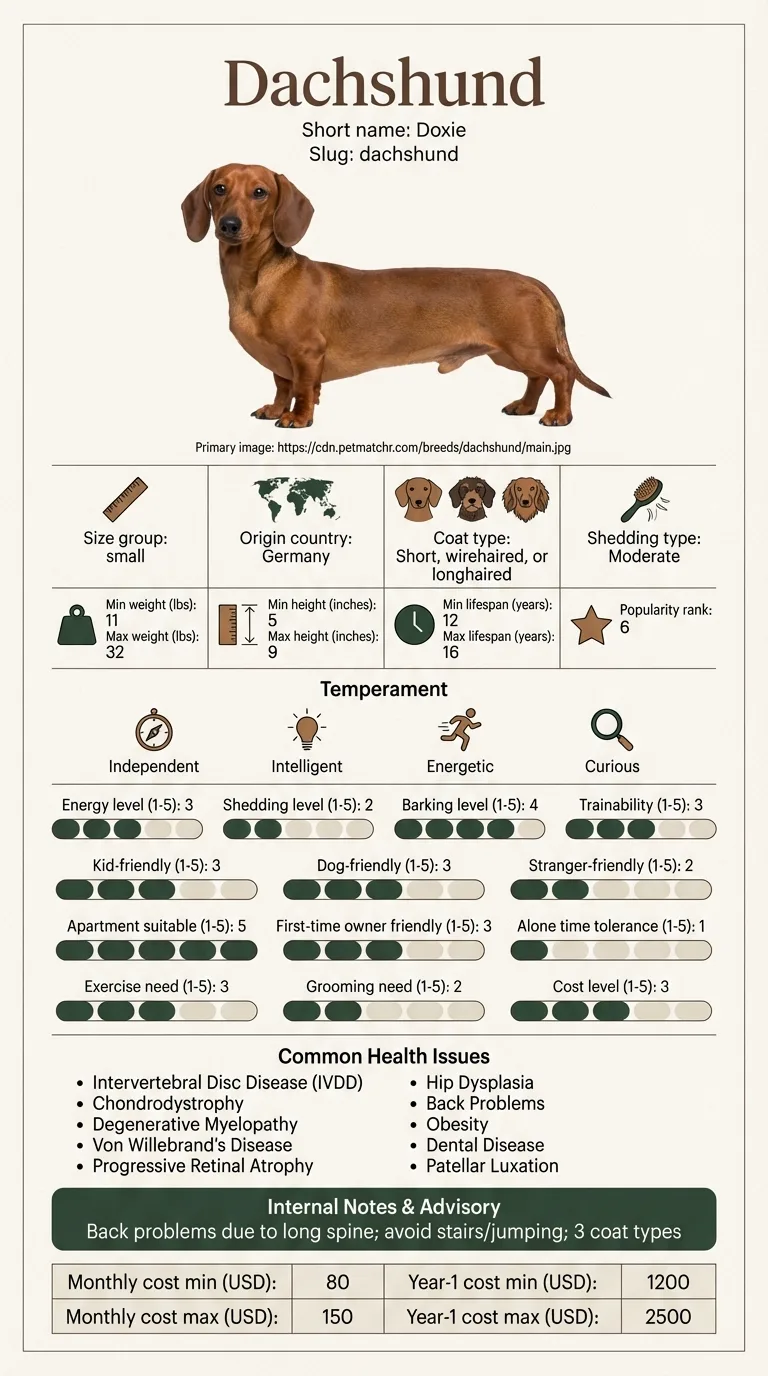
Owners of Dachshunds, particularly those who need regular veterinary care, often face this challenge. New pet parents or those with older Doxies may find this especially concerning.
This guide is not medical advice. If your dog shows pain, sudden behavior change, or worsening symptoms, consult a licensed veterinarian.
Some links may be affiliate links. We may earn a commission at no extra cost to you. We only suggest products we believe are helpful for dog owners.
We research and check what we publish, but we do not warrant that any figure, date, price, or statement is accurate, complete, or current, and we accept no liability for any loss, cost, injury, or other harm arising from the use of this site. Use it as one reference among several. You remain responsible for your own decisions and for your dog's care - confirm anything that matters with a licensed veterinarian or another qualified professional before you act on it. Full disclaimer.
Check this first
Understanding when Dachshund anesthesia sensitivity becomes an emergency is crucial for your pet's health. If your Dachshund experiences severe reactions to anesthesia, you should act quickly. Look for signs like difficulty breathing, excessive drooling, or seizures. These are red flags that require immediate veterinary attention.
On the other hand, if your Dachshund shows mild symptoms such as temporary disorientation or slight lethargy post-anesthesia, this can often be monitored at home. It's important to observe their behavior and ensure they are recovering comfortably. You can create a plan with your vet to manage mild sensitivity and watch for changes in their condition.
If you notice any worsening of symptoms, do not hesitate to call your vet. Regular check-ins and open communication with your veterinarian are key to managing your Dachshund's anesthesia sensitivity effectively.
If any of these apply, call your vet or an emergency clinic now. The rest of this page is for the cases that are not an emergency.
Dachshund anesthesia sensitivity is a common issue that can affect your Doxie's experience during medical procedures. This sensitivity can lead to prolonged recovery times or adverse reactions to anesthesia, making it vital for pet owners to be aware of the signs. Day-to-day, you might notice your Dachshund being more lethargic or unresponsive after a vet visit, especially if anesthesia was involved.
Anesthesia sensitivity is relatively common in Dachshunds due to their unique physiology. Their long bodies and short legs can contribute to complications, making it crucial for owners to discuss any concerns with their veterinarian.
Dachshunds are known for their unique body structure, which includes a long spine and short legs. This anatomy can affect how anesthesia is metabolized. Additionally, some Dachshunds may inherit sensitivities to certain anesthetic agents, making them more vulnerable than other breeds.
Environmental factors, such as stress during vet visits or previous negative experiences with anesthesia, can amplify sensitivity. A noisy clinic or a lack of familiar smells can heighten anxiety, leading to a stronger reaction to anesthetics.
Discuss any concerns about your Dachshund's anesthesia sensitivity with your vet. If your dog has had adverse reactions in the past, a vet can recommend pre-anesthesia testing or alternative sedation methods. Be proactive in asking about safer anesthetic options for your Doxie.
Owners can unknowingly reinforce anesthesia sensitivity in their Dachshunds. Here are some common mistakes and better alternatives.
Start here: Dachshund Most Common Genetic Disorders: What to Screen For
See all Dachshund health problems, which breeds are prone to anesthesia sensitivity, or the full Dachshund breed guide for temperament, exercise needs and ownership costs.
You may start seeing improvements in your Dachshund's anesthesia sensitivity within a few weeks of consistent care under your vet's plan. However, full adjustment to any new routines or medications may take several months.
Success means that your Dachshund experiences less anxiety during vet visits and has a smoother recovery from anesthesia, with fewer side effects.
Jenny, a busy veterinarian in Seattle, noticed that her Dachshund, Daisy, was anxious every time they visited the clinic. After Daisy's last surgery, she took longer to recover than expected. Concerned about her anesthesia sensitivity, Jenny consulted a veterinary behaviorist. Together, they developed a plan that included gradual desensitization to the clinic environment and specific training techniques. Over the next few months, Daisy became more comfortable with vet visits, and her reactions improved significantly during procedures.
Key takeaway: With patience and the right training, you can help your Dachshund manage anesthesia sensitivity, leading to better vet experiences.
Dachshunds may have anesthesia sensitivity due to their unique physiology and genetic predispositions. Factors like age, weight, and overall health can influence how they react to anesthetic drugs, making it important to consult your vet for personalized advice.
Managing Dachshund anesthesia sensitivity involves pre-surgery discussions with your vet. They may recommend specific protocols or monitoring to ensure your dog remains safe during procedures. Always follow their advice closely.
Signs of anesthesia sensitivity can include prolonged recovery time, excessive vomiting, or sudden behavior changes after anesthesia. If you notice any of these symptoms, contact your vet immediately for guidance.
Yes, training can help reduce anxiety related to anesthesia. Introducing your Dachshund to the vet's office in a positive way and using desensitization techniques can build their confidence. This can lead to a smoother experience during procedures.
Before surgery, ensure your Dachshund is in good health by scheduling a check-up with your vet. Discuss any concerns about anesthesia sensitivity and follow all pre-surgery guidelines, including fasting instructions.
Some alternatives to traditional anesthesia may include lighter sedation or localized anesthesia, depending on the procedure. Always discuss these options with your veterinarian to determine the best approach for your Dachshund.
Preparing your Dachshund for a vet visit can involve bringing their favorite toy or blanket to provide comfort. Practicing calm behavior during car rides and at the vet's office can also help ease their anxiety.
Yes, older Dachshunds can develop anesthesia sensitivity as their bodies may not process drugs as efficiently. It's essential to discuss any age-related changes with your vet, especially if your dog requires surgery or other procedures that involve anesthesia.
Signs of anesthesia sensitivity in Dachshunds can include prolonged grogginess after a procedure, abnormal breathing, or difficulty waking up. If you notice these symptoms, contact your vet immediately for advice.
To prepare your Dachshund, provide your vet with a complete health history. Discuss any previous reactions to anesthesia and follow pre-surgery instructions regarding fasting and medication adjustments. This preparation can help minimize risks.
While there's no specific training for anesthesia sensitivity, general training can help reduce anxiety around vet visits. Techniques like positive reinforcement and desensitization can make the experience less stressful for your Dachshund.
If your Dachshund has a poor reaction to anesthesia, contact your vet immediately for advice on next steps.
To help your Dachshund feel less anxious, practice positive reinforcement training and visit the vet for non-medical check-ins.
Yes, using gradual desensitization and counter-conditioning can help your Dachshund become more comfortable with the idea of anesthesia.
Many people think all dogs react the same to anesthesia, but Dachshunds often require tailored approaches due to their specific health issues.
The cost for anesthesia varies, but you can expect to pay between $150 to $300, depending on the procedure and your vet's pricing.
A one-page prep sheet for this condition: the signs, the questions to ask, what to get priced. Unlocks here.
You get: Vet visit prep sheet
No spam. One-click unsubscribe. See our privacy policy.
Preview page 1 before you decide.