DogBreedCompass
← Back to breed profile

Understanding Bulldog (English) Anesthesia Sensitivity

Bulldogs (English) can be sensitive to anesthesia, which is crucial to understand for their safety during procedures. (Bulldog (English) anesthesia sensitivity)

Many Bulldog owners, especially first-time pet parents or those planning surgeries, often worry about this issue. It's especially concerning for owners who may not be aware of the specific health challenges their Bulldogs face.

Important reminder

This guide is not medical advice. If your dog shows pain, sudden behavior change, or worsening symptoms, consult a licensed veterinarian.

Some links may be affiliate links. We may earn a commission at no extra cost to you. We only suggest products we believe are helpful for dog owners.

What this problem looks like

Bulldog (English) anesthesia sensitivity can be a significant concern for owners. This problem often manifests during routine veterinary procedures that require anesthesia, such as spaying or dental cleanings. Bulldogs may experience adverse reactions to anesthetic drugs, which can lead to prolonged recovery times or complications.

Common triggers

  • Routine veterinary procedures requiring anesthesia
  • Underlying health conditions like respiratory issues
  • Obesity, which is common in Bulldogs

Anesthesia sensitivity is relatively common in Bulldogs due to their brachycephalic nature. Many Bulldogs face challenges with anesthesia, making it essential for owners to discuss this issue with their veterinarian before any procedure.

Why this happens

Breed factors

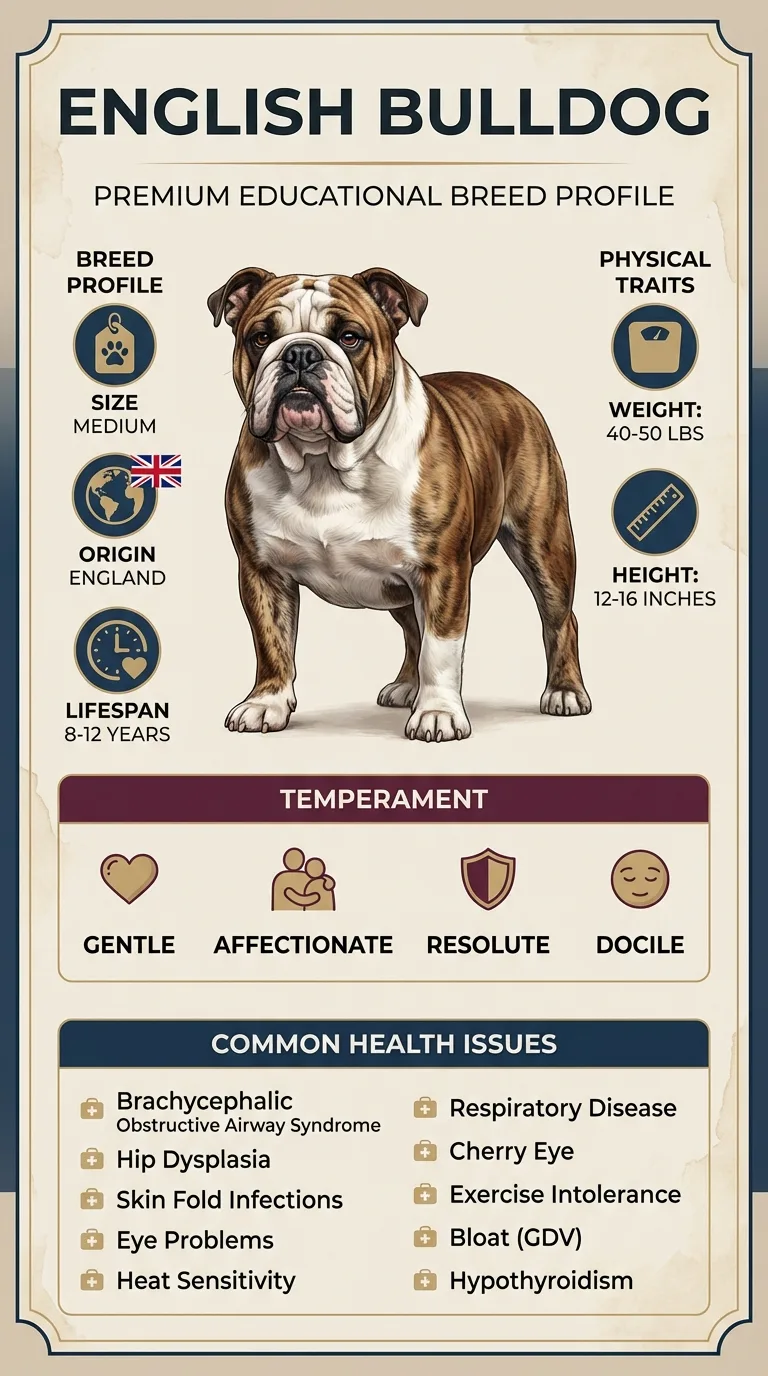
Bulldogs (English) are brachycephalic, meaning they have short snouts. This anatomy can lead to breathing difficulties, especially under anesthesia. Their unique airway structure makes them more sensitive to anesthetic drugs, which can affect their recovery.

Environment factors

Additionally, environmental factors like stress and anxiety during vet visits can worsen their sensitivity. If a Bulldog is anxious or excited, it may react poorly to anesthesia, making it crucial to provide a calm environment.

What you can try

At-home strategies

  • Create a calm space for your Bulldog before vet visits. Use familiar blankets or toys to help them feel secure.
  • Practice gentle handling and desensitization techniques at home. Get them used to being touched and handled in a way that mimics vet visits.
  • Consider using calming aids, like pheromone diffusers or anxiety wraps, to help manage their stress levels.

When to consider a trainer

If your Bulldog shows extreme anxiety or aggression during vet visits, it may be time to consult a professional trainer. They can help with behavioral strategies tailored to your dog's needs.

When to talk to your vet

Always talk to your vet if you suspect your Bulldog has anesthesia sensitivity. Discuss any prior negative experiences with anesthesia and consider a pre-anesthetic evaluation to determine the safest approach for your dog.

Realistic expectations

You can expect noticeable improvements in your Bulldog's anesthesia sensitivity within 6 to 12 months of consistent training and care adjustments.

Success means your Bulldog can undergo routine veterinary procedures with reduced anxiety and a safer response to anesthesia, ensuring a smoother recovery.

Mistakes that make this worse Bulldog (English) anesthesia sensitivity

Avoid these common mistakes to help your Bulldog (English) manage anesthesia sensitivity more effectively.

  • Ignoring Breathing Issues: Bulldogs often have breathing difficulties due to their short snouts. Not addressing these issues can worsen anesthesia sensitivity. Always consult your vet about your dog's respiratory health.
  • Skipping Pre-Anesthesia Tests: Some owners think their Bulldog is fine without testing. This can lead to serious complications. Always follow your vet's advice on necessary tests before anesthesia.
  • Neglecting Weight Management: Overweight Bulldogs can have increased anesthesia risks. Keeping them at a healthy weight can improve overall health and reduce sensitivity. Regular exercise and proper diet are key.
  • Not Discussing Past Reactions: Some owners forget to mention previous reactions to anesthesia. This can lead to repeated mistakes. Always communicate any past issues with your vet to tailor the anesthesia plan.
  • Failing to Prepare for Recovery: Owners often overlook recovery time. A Bulldog's sensitivity may mean they need a longer recovery period. Create a quiet, comfortable space for them post-surgery.
  • Using Home Remedies: Trying home remedies for anesthesia sensitivity can backfire. Instead, rely on vet-approved methods for managing this condition. This ensures your dog's safety and well-being.
  • Rushing the Decision: Some owners rush into anesthesia without considering all factors. Take the time to discuss options with your vet to make an informed decision.

When Bulldog Anesthesia Sensitivity is an Emergency

Understanding when Bulldog (English) anesthesia sensitivity is an emergency is crucial for your pet's safety. Watch for red-flag signs that indicate you should call your vet immediately, such as severe difficulty breathing, persistent vomiting after anesthesia, or extreme disorientation that lasts longer than expected. These symptoms could indicate a serious reaction to anesthesia and need urgent veterinary attention.

On the other hand, if your Bulldog exhibits mild symptoms like slight lethargy, reduced appetite, or moderate discomfort, these cases can often be monitored at home. Create a plan to keep an eye on your dog's condition over the next few hours or days, but be ready to seek veterinary help if symptoms worsen. It's always better to err on the side of caution with anesthesia sensitivity, especially in Bulldogs, who are already prone to breathing issues due to their shape.

A Bulldog's Journey to Anesthesia Safety

Meet Sarah, a first-time Bulldog owner in Seattle. When her dog, Max, had to undergo a minor surgery, she learned about his anesthesia sensitivity the hard way. Max struggled during recovery, leaving Sarah worried and stressed. Determined to help him, she researched and worked with her vet to create a careful plan. They focused on gradual desensitization and anxiety-reducing techniques. After several months of consistent training and a better understanding of Max's needs, his next vet visit went smoothly. He recovered well, and Sarah felt relieved watching him bounce back.

Key takeaway: With patience and the right approach, you can help your Bulldog manage anesthesia sensitivity and ensure their well-being during medical procedures.

Frequently asked questions

Why does my Bulldog (English) have anesthesia sensitivity?

Bulldogs (English) are brachycephalic, meaning they have short noses that can complicate breathing. This anatomical structure often leads to increased sensitivity to anesthesia. It's crucial to consult with a vet who understands these specific needs. This answer relates to Bulldog (English) anesthesia sensitivity.

How can I manage my Bulldog's anesthesia sensitivity during vet visits?

To manage anesthesia sensitivity, inform your vet about your Bulldog's history and any previous reactions to anesthesia. They may recommend specific protocols or medications to ensure a safer procedure. It's also helpful to choose a vet experienced with Bulldogs.

What signs should I look for after my Bulldog undergoes anesthesia?

After anesthesia, watch for signs like excessive drooling, difficulty breathing, or unusual lethargy. If your Bulldog seems disoriented or has trouble waking up, contact your vet immediately. Monitoring them closely during recovery is essential.

Can training help reduce my Bulldog's anxiety related to anesthesia?

Yes, training can alleviate anxiety associated with vet visits. Gradual desensitization techniques, such as taking your Bulldog to the vet for short, positive visits can help. Rewarding them with treats during these visits can create a more positive association.

What are some common anesthesia alternatives for Bulldogs?

Some alternatives include sedation methods that are less harsh and tailored specifically for Bulldogs. Your vet may suggest options like lighter sedation or different drug protocols. Always discuss the best options for your Bulldog's health.

What are the signs my Bulldog (English) is sensitive to anesthesia?

Signs of anesthesia sensitivity in Bulldogs can include prolonged recovery times, excessive drooling, and unusual behavior after surgery. If your Bulldog seems lethargic or disoriented for an extended period, it's important to consult your vet.

Can older Bulldogs develop anesthesia sensitivity?

Yes, older Bulldogs can develop increased sensitivity to anesthesia due to age-related health issues. It's crucial to have a thorough pre-anesthetic exam to assess their overall health and tailor the approach accordingly.

How can I prepare my Bulldog (English) for surgery to minimize anesthesia sensitivity?

Preparing your Bulldog for surgery includes ensuring they are well-hydrated and not stressed on the day of the procedure. Discuss with your vet any specific steps to take based on your dog's health and history of anesthesia sensitivity.

What should I do if my Bulldog (English) has a bad reaction to anesthesia?

If your Bulldog exhibits a bad reaction to anesthesia, such as difficulty breathing or severe lethargy, contact your vet immediately. They can provide emergency care and evaluate the situation to ensure your dog's safety.

Is there training to help reduce my Bulldog's anesthesia sensitivity?

While there isn't specific training to reduce anesthesia sensitivity, ensuring your Bulldog is calm and relaxed during vet visits can help. Techniques like desensitization to handling and positive reinforcement can make their visits less stressful.

Quick answers

View more answers
Behavior

What are Bulldog (English) anesthesia sensitivity quick tips?

Keep your Bulldog calm before vet visits, and consider pre-visit training. Always inform your vet about their history with anesthesia. Monitoring their recovery closely is essential.

Living

How can I prepare my Bulldog for surgery?

Provide a comfortable environment at home and avoid feeding them before surgery as directed by the vet. A calm demeanor from you can also help ease their anxiety.

Health

What should I do if my Bulldog reacts poorly to anesthesia?

Contact your vet immediately if you notice any unusual behavior or symptoms after anesthesia. Early intervention can make a significant difference.

Costs

What is the cost of managing Bulldog anesthesia sensitivity?

Managing anesthesia sensitivity can range from $150 to $350 monthly, depending on the vet visits and any additional treatments. Always discuss costs upfront with your vet.

Related DogBreedCompass guides

  • how to stop Bulldog (English) anesthesia sensitivityLearn more about how to manage your Bulldog's anesthesia sensitivity effectively.
  • Bulldog (English) behavior problemsUnderstand the behavior issues that Bulldogs often face, including anxiety.
  • Bulldog (English) anesthesia sensitivity trainingDiscover training techniques specifically designed for Bulldogs with anesthesia sensitivity.
  • Bulldog (English) common health issuesExplore the common health issues Bulldogs face and how to address them.
  • Bulldog (English) separation anxiety guideGet tips on managing separation anxiety in Bulldogs, which can be related to anesthesia sensitivity.

Related guides