Behavior
What are quick tips for Poodle (All Sizes) schnauzer comedo syndrome?
Regular grooming and bathing with appropriate products can help manage schnauzer comedo syndrome. Keeping your dog's skin clean and moisturized is essential.

Quick answer
What are quick tips for Poodle (All Sizes) schnauzer comedo syndrome?
Regular grooming and bathing with appropriate products can help manage schnauzer comedo syndrome. Keeping your dog's skin clean and moisturized is essential.
Poodle (All Sizes) schnauzer comedo syndrome is a common skin condition that can cause discomfort and distress for your dog. Understanding this issue is essential for keeping your furry friend healthy and happy.
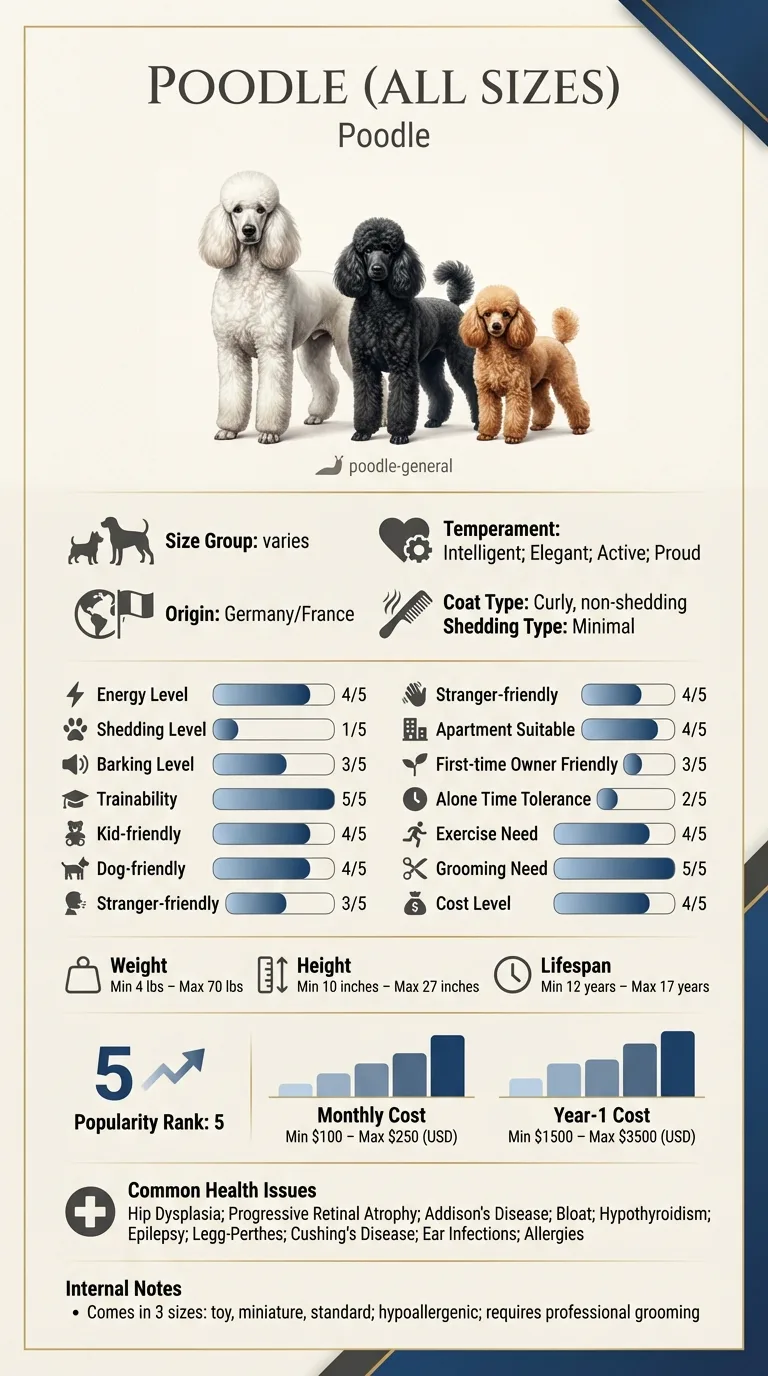
Dog owners, particularly first-time Poodle parents or those with multiple dogs, often face this challenge. Busy professionals, families, and anyone who loves their Poodle will want to address this condition to ensure their pet's well-being.
This guide is not medical advice. If your dog shows pain, sudden behavior change, or worsening symptoms, consult a licensed veterinarian.
Some links may be affiliate links. We may earn a commission at no extra cost to you. We only suggest products we believe are helpful for dog owners.
We research and check what we publish, but we do not warrant that any figure, date, price, or statement is accurate, complete, or current, and we accept no liability for any loss, cost, injury, or other harm arising from the use of this site. Use it as one reference among several. You remain responsible for your own decisions and for your dog's care - confirm anything that matters with a licensed veterinarian or another qualified professional before you act on it. Full disclaimer.
Check this first
It's important to know when your Poodle (All Sizes) may need immediate veterinary attention for Schnauzer Comedo Syndrome. Look out for red flags such as severe itching, swelling, or raw spots on the skin. If your dog shows signs of infection, like pus, excessive hair loss, or lethargy, call your vet right away.
In contrast, mild cases can often be monitored at home. If your Poodle has occasional blackheads or minor irritation but is otherwise active and eating well, you can keep an eye on the condition. Regular grooming and maintaining a clean environment can help manage these symptoms effectively.
Creating a plan to monitor your dog's skin condition is key. Keep track of any changes in their symptoms and schedule a veterinary visit if things worsen or don’t improve. This way, you can ensure that your furry friend stays happy and healthy without unnecessary panic.
If any of these apply, call your vet or an emergency clinic now. The rest of this page is for the cases that are not an emergency.
Schnauzer Comedo Syndrome is a skin condition that can affect Poodles of all sizes. It typically presents as blackheads or small bumps on the skin, often seen on the back and sides. This problem can lead to discomfort, irritation, and even infections if not treated properly.
Schnauzer Comedo Syndrome is relatively common among Poodles, especially those with a history of skin issues. Many owners report noticing symptoms by the time their dog is a few years old. While not every Poodle will face this issue, it's a good idea to stay alert for any signs.
Poodles, like many breeds, can be genetically predisposed to Schnauzer Comedo Syndrome. This skin condition is more common in breeds with curly, non-shedding coats, leading to clogged hair follicles. If your Poodle has this syndrome, it may also be linked to their grooming needs and overall skin health.
Environmental factors can exacerbate Schnauzer Comedo Syndrome in Poodles. Poor grooming practices, lack of regular baths, and exposure to allergens can lead to skin irritations. Additionally, an unclean living environment may contribute to the development of this condition.
If your Poodle develops severe skin irritation, hair loss, or seems to be in discomfort, consult your vet. They can diagnose the condition accurately and recommend appropriate treatments.
Avoid these common mistakes that can worsen Schnauzer Comedo Syndrome in your Poodle (All Sizes). Making these changes can help improve your dog's skin health.
Start here: Poodle (All Sizes) Genetic Disorders: What to Screen For
See all Poodle General health problems, which breeds are prone to schnauzer comedo syndrome, or the full Poodle General breed guide for temperament, exercise needs and ownership costs.
Most owners see improvement in their Poodle's skin condition within 2 to 3 months of consistent care and treatment.
Success means your Poodle has healthier skin, fewer bumps or lesions, and improved comfort. Regular grooming and appropriate skincare routines will help maintain these results.
Megan, a busy nurse in Seattle, noticed that her Poodle, Charlie, was developing small, dark bumps on his back. Worried about his comfort, she consulted her vet, who diagnosed him with Schnauzer Comedo Syndrome. Following the vet's advice, Megan started a strict grooming routine and used recommended skincare products. After two months of dedication, not only did Charlie's skin improve, but he also seemed much happier and more energetic.
Key takeaway: With consistent grooming and proper care, you can effectively manage Schnauzer Comedo Syndrome in Poodles, leading to happier, healthier pets.
Poodle (All Sizes) schnauzer comedo syndrome is a skin condition that causes the formation of blackheads or comedones. It's most commonly seen in dog breeds with curly coats, like Poodles. The condition can lead to skin irritation and discomfort if not managed properly.
To help manage schnauzer comedo syndrome in your Poodle, ensure regular grooming and bathing with appropriate shampoos. Consult your vet for topical treatments or medications that can reduce inflammation and prevent flare-ups.
While schnauzer comedo syndrome isn't usually life-threatening, it can lead to discomfort and skin infections if left untreated. Early intervention and proper care can minimize complications and maintain your dog's skin health.
Yes, a balanced diet can influence your Poodle's skin health. Omega fatty acids and high-quality proteins can improve their coat condition. Always consult your vet before making significant dietary changes.
If your Poodle shows severe symptoms, such as excessive itching or skin lesions, it's best to consult a veterinarian immediately. They can provide a proper diagnosis and recommend treatment options tailored to your dog's needs.
Yes, older Poodles may experience more pronounced symptoms of schnauzer comedo syndrome due to weakened immune systems. Regular vet check-ups become even more crucial as they age to monitor any changes in their skin health.
Managing schnauzer comedo syndrome at home involves regular grooming and bathing with specialized shampoos. Additionally, maintaining a healthy diet can support your Poodle's skin health, but always check with your vet for the best products.
Even with regular grooming, schnauzer comedo syndrome can occur due to genetic predisposition or environmental factors. It's important to understand that some skin conditions are beyond grooming efforts and may require veterinary intervention.
Schnauzer comedo syndrome can have a genetic component, which means it may be more common in certain lines of Poodles. If you're concerned about hereditary conditions, discussing your dog's lineage with a vet can provide insights.
Regular grooming and bathing with appropriate products can help manage schnauzer comedo syndrome. Keeping your dog's skin clean and moisturized is essential.
Aim to groom your Poodle at least once a week to prevent matting and skin issues. Regular grooming also helps to monitor skin health.
Mild cases can often be managed at home with proper grooming and skin care products. However, consult your vet for severe or persistent symptoms.
A one-page prep sheet for this condition: the signs, the questions to ask, what to get priced. Unlocks here.
You get: Vet visit prep sheet
No spam. One-click unsubscribe. See our privacy policy.
Preview page 1 before you decide.