Behavior
What are quick tips for Poodle (All Sizes) hip dysplasia prevalence?
Focus on a nutritious diet, maintain a healthy weight, and control exercise intensity. Regular vet visits are essential to monitor hip health.

Quick answer
What are quick tips for Poodle (All Sizes) hip dysplasia prevalence?
Focus on a nutritious diet, maintain a healthy weight, and control exercise intensity. Regular vet visits are essential to monitor hip health.
Hip dysplasia prevalence is a serious concern for Poodles, impacting their health and mobility. (Poodle (All Sizes) hip dysplasia prevalence)
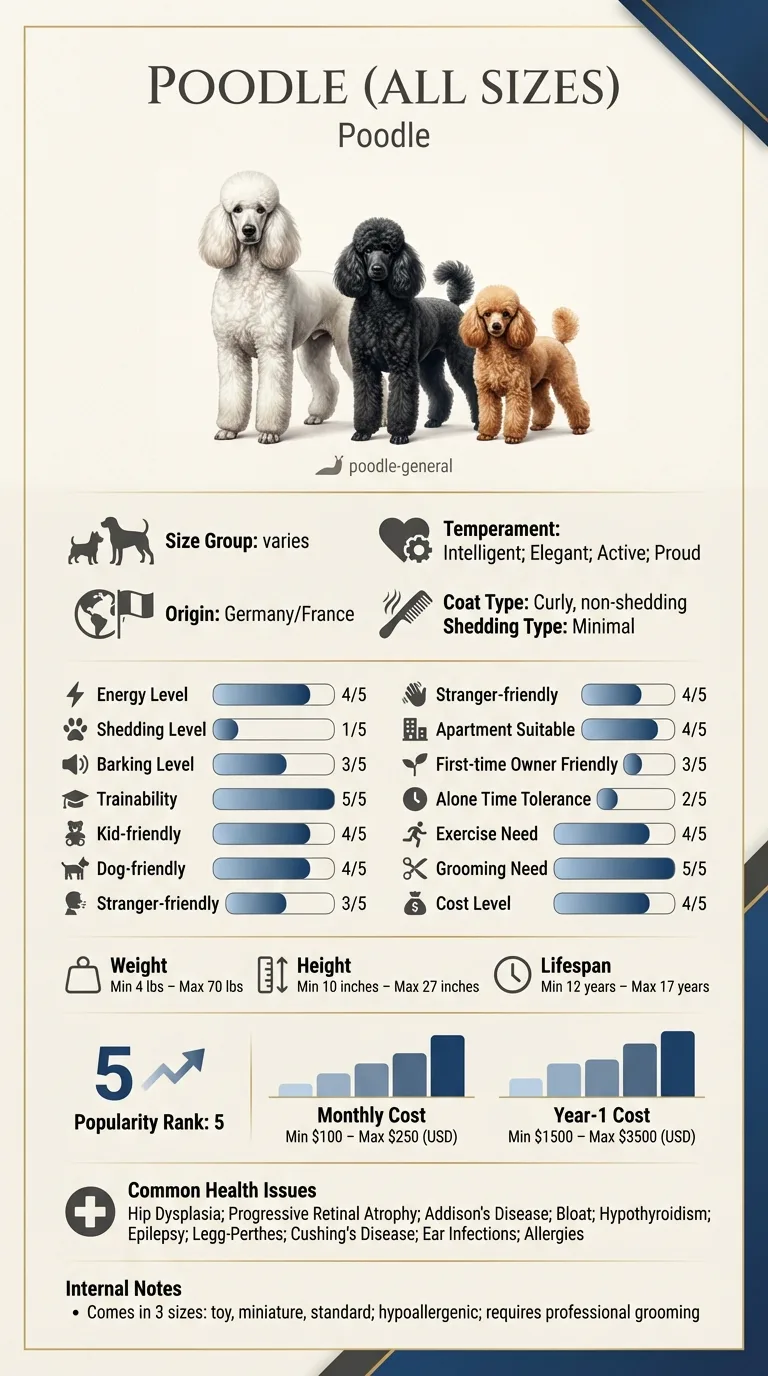
Typically, owners of Poodles, especially those with larger sizes, may face this issue. Busy families or first-time dog owners might find it challenging to recognize early signs of hip dysplasia and implement proper care.
This guide is not medical advice. If your dog shows pain, sudden behavior change, or worsening symptoms, consult a licensed veterinarian.
Some links may be affiliate links. We may earn a commission at no extra cost to you. We only suggest products we believe are helpful for dog owners.
We research and check what we publish, but we do not warrant that any figure, date, price, or statement is accurate, complete, or current, and we accept no liability for any loss, cost, injury, or other harm arising from the use of this site. Use it as one reference among several. You remain responsible for your own decisions and for your dog's care - confirm anything that matters with a licensed veterinarian or another qualified professional before you act on it. Full disclaimer.
Check this first
Not all cases of hip dysplasia in Poodles warrant an immediate call to the vet. However, understanding when to act quickly can make all the difference in your dog's health. Here are some red-flag signs that mean you should call your vet right away.
If any of these apply, call your vet or an emergency clinic now. The rest of this page is for the cases that are not an emergency.
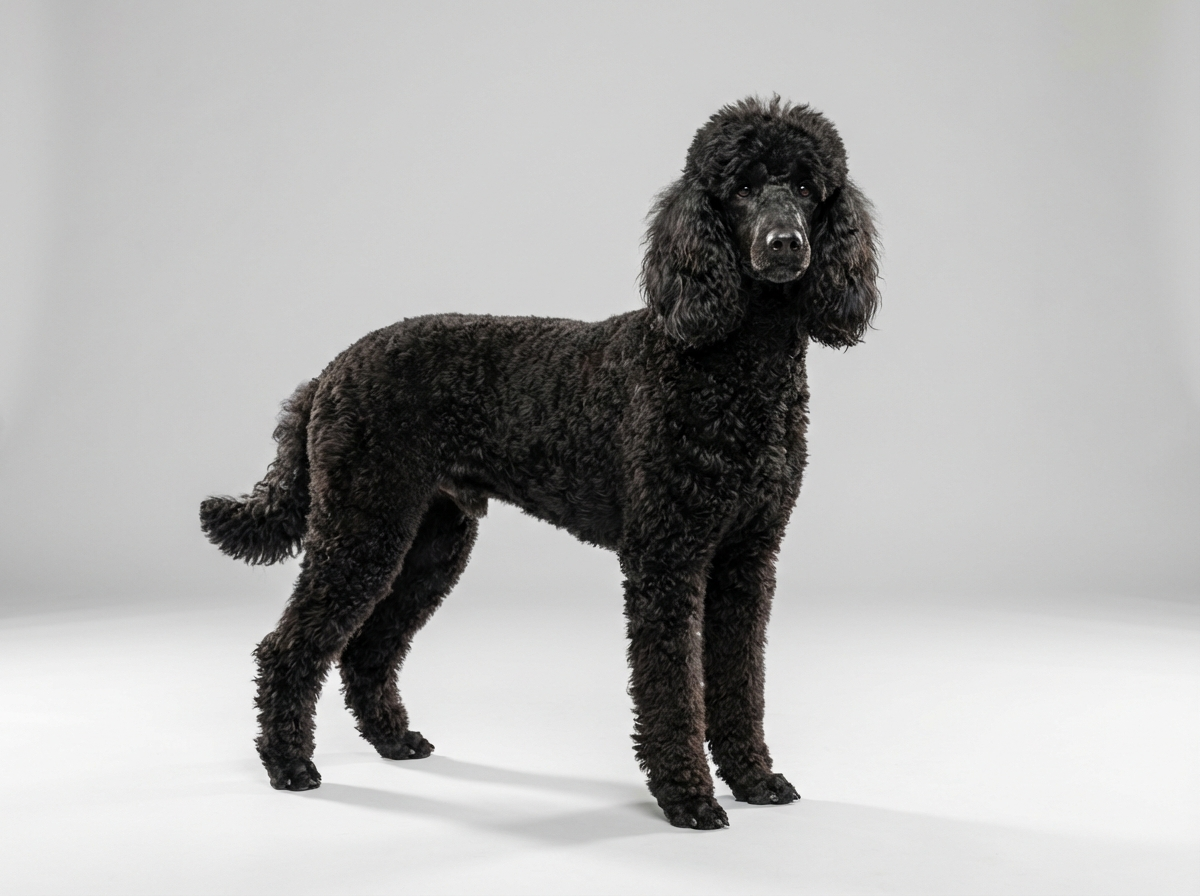
Poodle (All Sizes) hip dysplasia prevalence is a serious concern that can affect your dog's quality of life. This genetic condition occurs when the hip joint doesn't form properly, leading to pain and mobility issues. Daily life may include your Poodle showing reluctance to play, limping, or struggling to jump onto furniture.
Hip dysplasia is fairly common in Poodles, particularly in larger sizes. Studies suggest that up to 20% of Poodles may be affected, making awareness and proactive care essential.
Poodles are prone to hip dysplasia due to their genetic predisposition. This condition can be influenced by their size, particularly in larger Poodles. The way their joints develop can lead to instability and pain.
Environmental factors can also contribute to hip dysplasia. Overweight dogs place extra stress on their joints. Additionally, improper exercise or training techniques can exacerbate joint issues.
If you notice limping, decreased activity, or signs of pain, consult your vet. They can assess the severity of hip dysplasia and recommend treatments, including physical therapy or medication.
Certain behaviors can worsen Poodle (All Sizes) hip dysplasia prevalence. Here are some common mistakes to avoid and safer alternatives.
Start here: Poodle (All Sizes) Genetic Disorders: What to Screen For
See all Poodle General health problems, which breeds are prone to hip dysplasia prevalence, or the full Poodle General breed guide for temperament, exercise needs and ownership costs.
With consistent care and veterinary support, you may see improvements in your Poodle's hip health within 6 to 12 months.
Success means your Poodle will have improved mobility, reduced pain, and a higher quality of life, allowing them to enjoy daily activities.
If your Poodle shows any of these symptoms, it’s crucial to seek veterinary assistance immediately:
- Severe limping or difficulty walking - Sudden inability to stand or bear weight on a leg - Signs of extreme pain, such as yelping or whimpering - Swelling or deformity in the hip area - Loss of appetite or lethargy - Any signs of distress or discomfort that seem unusual for your dog.

If your Poodle has mild hip dysplasia symptoms, you can often manage the situation at home. Keep an eye on any changes in their behavior or mobility. Consider setting up a monitoring plan with your vet for follow-up assessments.

If your Poodle is displaying these milder signs, it may be safe to monitor them instead of rushing to the vet:
- Occasional limping after exercise - Mild stiffness or reluctance to jump - Slight decrease in activity level without other symptoms - No obvious signs of pain or distress.
When Sarah adopted Max, her standard Poodle, she quickly noticed he struggled to keep up on walks. Concerned, she learned about the prevalence of hip dysplasia in Poodles. After consulting with her vet, she began a tailored exercise and weight management plan. With patience and regular check-ups, Max improved over several months. Sarah could see him playing fetch and running happily again, a joy she thought was lost forever.
Key takeaway: Early intervention and a consistent care plan can significantly improve the quality of life for Poodles dealing with hip dysplasia.
Hip dysplasia prevalence in Poodles can stem from genetics, poor nutrition, and excessive exercise during their growth phase. Responsible breeding practices can help reduce the risk. Regular vet check-ups can catch early signs. This answer relates to Poodle (All Sizes) hip dysplasia prevalence.
To help prevent hip dysplasia, focus on a balanced diet and controlled exercise. Avoid high-impact activities while your Poodle is still growing. Also, ensure your dog maintains a healthy weight.
Common symptoms include limping, difficulty getting up, and reluctance to engage in play. You might also notice your Poodle has a decreased range of motion in their hips. If you see these signs, consult your vet.
Treatment options range from weight management and physical therapy to medications for pain relief. In severe cases, surgery may be recommended. A vet can help determine the best course based on your dog's condition.
Hip dysplasia can be diagnosed as early as four months old, but signs often appear in older puppies or adults. Regular screenings can help catch it early, especially in breeds prone to the condition.
Training can play a role by promoting healthy movement and exercise. Engaging your Poodle in low-impact activities helps strengthen their muscles without straining their joints. Consistent training can also help maintain a healthy weight.
Signs of hip dysplasia in a Poodle (All Sizes) include difficulty getting up, limping, or reluctance to jump or run. You may also notice decreased activity levels or unusual sitting positions. If you observe these signs, it's important to consult your veterinarian for a thorough examination.
Yes, hip dysplasia can be hereditary in Poodles (All Sizes), as genetics play a significant role in this condition. Responsible breeding practices can help reduce the risk. Always ask breeders about health screenings for hip dysplasia in parent dogs before purchasing a puppy.
Treatments for hip dysplasia in Poodles (All Sizes) vary based on severity and can include weight management, medications, physical therapy, or even surgery in severe cases. Your vet will help determine the best course of action tailored to your Poodle's needs.
While hip dysplasia can affect all sizes of Poodles, larger ones, like the Standard Poodle, may be more prone to the condition due to their weight and growth rates. Regular check-ups and maintaining a healthy weight can help manage the risk across all sizes.
If your Poodle (All Sizes) shows any signs of discomfort, limping, or reduced mobility, it's wise to schedule a vet visit. Early diagnosis can lead to better management of hip dysplasia, helping your dog lead a comfortable and active life.
Focus on a nutritious diet, maintain a healthy weight, and control exercise intensity. Regular vet visits are essential to monitor hip health.
Treatment costs can vary widely, ranging from $100 for initial vet visits to several thousand for surgery. Budgeting for potential treatments is wise.
Aside from hip dysplasia, Poodles are prone to conditions like allergies and progressive retinal atrophy. Regular check-ups help catch these issues early.
Yes, proper training can encourage low-impact activities that strengthen muscles. This helps support joint health and reduces discomfort.
A one-page prep sheet for this condition: the signs, the questions to ask, what to get priced. Unlocks here.
You get: Vet visit prep sheet
No spam. One-click unsubscribe. See our privacy policy.
Preview page 1 before you decide.