DogBreedCompass
← Back to breed profile

Poodle (All Sizes) Intervertebral Disc Disease (IVDD) Type I

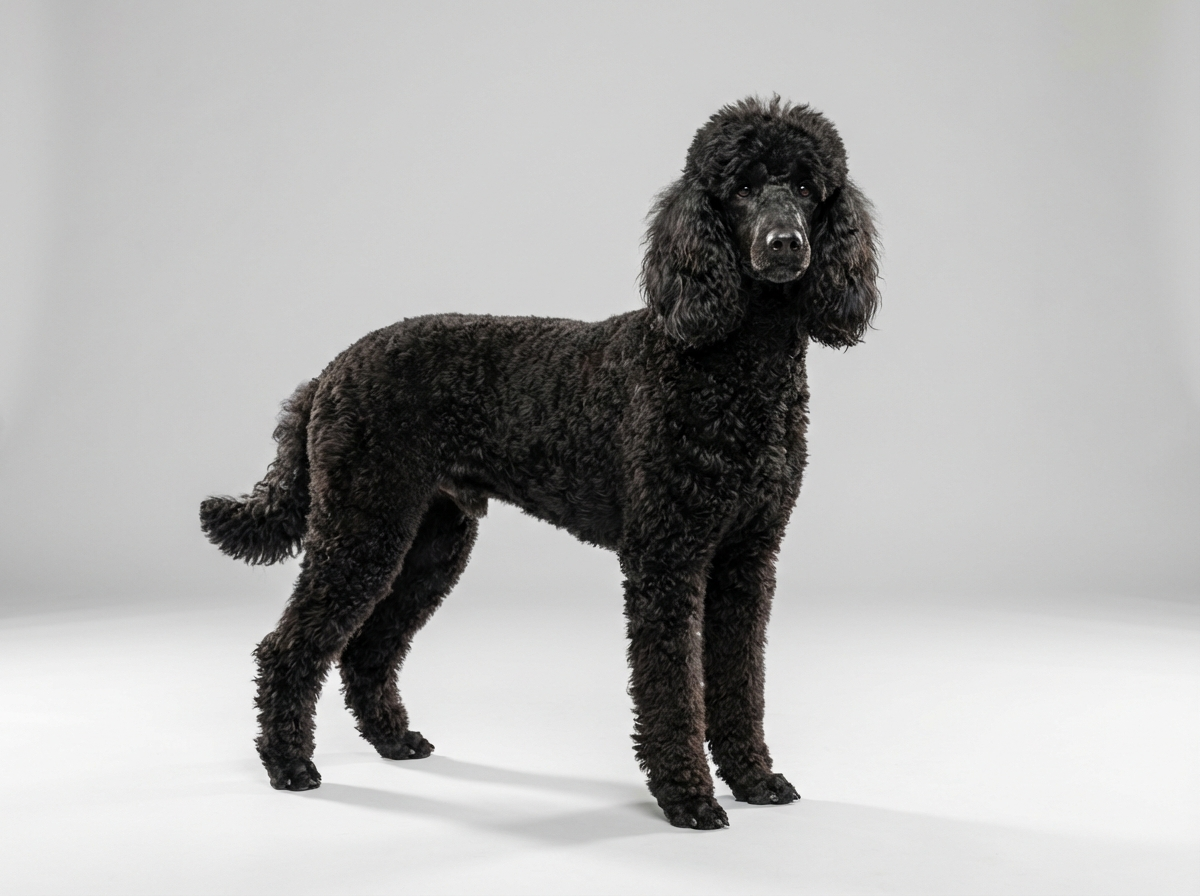
Poodle (All Sizes) can suffer from intervertebral disc disease (IVDD) type I, leading to severe pain and mobility issues. (Poodle (All Sizes) intervertebral disc disease (ivdd) type i)

Poodle (All Sizes) Intervertebral Disc Disease (IVDD) Type I infographic

Many Poodle owners, especially those with older dogs, face challenges when their pets show signs of IVDD. This can be particularly difficult for first-time pet parents who may not know how to interpret their dog's behavior.

Important reminder

This guide is not medical advice. If your dog shows pain, sudden behavior change, or worsening symptoms, consult a licensed veterinarian.

Some links may be affiliate links. We may earn a commission at no extra cost to you. We only suggest products we believe are helpful for dog owners.

What this problem looks like

Intervertebral disc disease (IVDD) type I is a common issue in Poodles of all sizes. This condition occurs when discs in the spine herniate, pressing on the spinal cord. It can cause pain, weakness, and even paralysis, making it crucial for owners to recognize the signs early.

Common triggers

  • Rapid movements or jumps that strain the spine
  • Obesity, which increases stress on the discs
  • Genetics, as some Poodles are predisposed to this condition

IVDD type I is relatively common among Poodles, particularly in older dogs or those with a family history of spine issues. Awareness and proper care can help manage the risks.

Why this happens

Breed factors

Poodles (All Sizes) are prone to intervertebral disc disease (IVDD) type I due to their body structure. Their long backs and short legs can create extra stress on their spine. This breed is also more likely to have genetic factors that contribute to spinal issues.

Environment factors

Environmental factors can exacerbate IVDD in Poodles. Activities like jumping off furniture, rough play, or lack of proper exercise can increase the risk of herniated discs. Additionally, being overweight can put extra strain on their spines.

What you can try

At-home strategies

  • Limit jumping: Use ramps or steps to help your Poodle get on and off furniture safely.
  • Maintain a healthy weight: Regularly check your Poodle’s weight and adjust their diet to prevent obesity.
  • Provide low-impact exercise: Take your Poodle on gentle walks and avoid strenuous activities that could strain their back.

When to consider a trainer

If your Poodle continues to show signs of discomfort or if their behavior changes significantly, consider hiring a professional trainer. They can provide specialized guidance on safe training techniques and help you manage your dog’s activity levels.

When to talk to your vet

Talk to your vet if your Poodle displays persistent symptoms like limping, reluctance to jump, or signs of pain. Early intervention can prevent more severe issues and ensure your Poodle receives the right treatment.

Realistic expectations

Addressing intervertebral disc disease (IVDD) type I in Poodles can take several weeks to months. Initial improvements may be seen within a few weeks with proper care and management.

Success looks like your Poodle regaining mobility, feeling less pain, and being able to participate in daily activities comfortably. Regular veterinary check-ups and a consistent rehabilitation routine will help ensure long-term health.

Mistakes that make this worse

Avoiding certain behaviors can help your Poodle (All Sizes) with intervertebral disc disease (IVDD) Type I. Here are some common mistakes owners make that can hinder recovery or increase pain.

  • Ignoring signs of pain: It's easy to brush off whimpering or reluctance to move as simple fussiness. Instead, take these cues seriously and consult your vet to avoid worsening the condition.
  • Overexertion during play: Allowing your Poodle to engage in intense play or jumping can aggravate IVDD. Opt for calm, controlled exercise to keep them safe.
  • Neglecting weight management: Extra weight puts additional strain on your Poodle’s spine. Regularly assess their diet and ensure they maintain a healthy weight.
  • Skipping vet visits: Regular check-ups are vital for monitoring your Poodle's condition. Skipping these can delay necessary interventions.
  • Using inappropriate stairs or ramps: If your home has stairs, using slippery or steep ones can lead to injury. Invest in pet-friendly ramps or steps to help them navigate safely.
  • Not providing a supportive bed: A poor-quality bed can exacerbate back problems. Choose a supportive, orthopedic bed designed for dogs with joint issues.
  • Failing to enforce rest periods: Letting your Poodle run freely can worsen their IVDD symptoms. Implement regular rest breaks to promote healing.

When Poodle (All Sizes) intervertebral disc disease (ivdd) type i is an emergency

Intervertebral disc disease (IVDD) type I can be a serious condition for your Poodle (All Sizes). It's crucial to know when to act quickly and when you can monitor the situation. If your dog shows any signs of severe pain, inability to walk, or sudden loss of bladder control, these are red flags that mean you should call your vet immediately.

Poodle (All Sizes) Intervertebral Disc Disease (IVDD) Type I - When Poodle (All Sizes) intervertebral disc disease (ivdd) type i is an emergency

Mild cases to monitor

On the other hand, if your Poodle (All Sizes) is showing mild symptoms, such as slight limping or reluctance to jump, you may have time to observe them closely. Create a plan to monitor their behavior and limit their physical activity. Keep an eye out for any changes and consult your vet if symptoms persist for more than a couple of days.

Poodle (All Sizes) Intervertebral Disc Disease (IVDD) Type I - Mild cases to monitor

A Journey with Bella: Managing IVDD in a Miniature Poodle

When Sarah, a busy mom in San Diego, noticed her Miniature Poodle Bella struggling to jump onto the couch, she became concerned. After a vet visit, Bella was diagnosed with intervertebral disc disease (IVDD) type I. Sarah was overwhelmed but committed to Bella's recovery. She followed the vet's advice, which included a strict rest regimen, physical therapy exercises, and weight management. Gradually, Bella regained her strength and started playing again, showing significant improvement in just a few months.

Key takeaway: Managing IVDD requires patience and dedication. With the right approach, your Poodle can still lead a happy, active life.

Frequently asked questions

Why does my Poodle (All Sizes) have intervertebral disc disease (IVDD) type I?

Intervertebral disc disease (IVDD) type I in Poodles occurs when the discs in the spine become herniated, putting pressure on the spinal cord. This can result from genetics, age, or injury. Keeping your Poodle at a healthy weight and providing regular exercise can help reduce the risk. This answer relates to Poodle (All Sizes) intervertebral disc disease (ivdd) type i.

How can I stop my Poodle (All Sizes) from developing IVDD type I?

To prevent intervertebral disc disease (IVDD) type I, maintain a healthy weight for your Poodle and avoid excessive jumping or rough play. Regular low-impact exercise and proper nutrition can strengthen their back muscles. Consider regular vet check-ups to monitor spine health.

What are the symptoms of IVDD type I in Poodles?

Symptoms of IVDD type I in Poodles may include back pain, reluctance to move, weakness in limbs, or in severe cases, paralysis. If you notice any of these signs, consult your veterinarian immediately. Early diagnosis is crucial for effective treatment.

How is IVDD type I treated in Poodles?

Treatment options for intervertebral disc disease (IVDD) type I can vary. Mild cases may require rest and pain management, while severe cases might need surgery. Your vet will recommend the best course of action based on your Poodle's condition.

Can IVDD type I be managed long-term in Poodles?

Yes, many Poodles with intervertebral disc disease (IVDD) type I can lead fulfilling lives with proper management. Regular vet visits, weight control, and a tailored exercise plan can help maintain their quality of life. Follow your vet's guidance closely.

Are certain sizes of Poodles more prone to IVDD type I?

All sizes of Poodles can develop intervertebral disc disease (IVDD) type I, but smaller Poodles may be more susceptible due to their body structure. Regardless of size, all Poodles benefit from preventive care and regular monitoring of their spinal health.

What are the early signs of intervertebral disc disease (IVDD) type I in Poodles?

Early signs of IVDD in Poodles can include reluctance to jump, a hunched back, or changes in behavior. You may also notice your dog seems to have difficulty walking or appears to be in pain when moving. If you see these signs, it’s essential to consult a vet promptly.

Can intervertebral disc disease (IVDD) type I affect older Poodles differently?

Yes, older Poodles may experience IVDD type I differently, often showing more severe symptoms due to age-related changes in their spine. Older dogs may also take longer to recover from treatment. Regular vet check-ups become increasingly important as your Poodle ages.

How can I help my Poodle manage intervertebral disc disease (IVDD) type I at home?

To help manage IVDD at home, ensure your Poodle has a comfortable resting area and avoid activities that could strain their back, like jumping or running. Consider using ramps or stairs to make it easier for them to access furniture or vehicles. Regular, gentle exercise is also important.

What treatments are available for Poodles with intervertebral disc disease (IVDD) type I?

Treatments for IVDD type I can include medication for pain relief, physical therapy, and sometimes surgery. The best course of action will depend on the severity of your Poodle's condition. Always consult your vet for a treatment plan tailored to your dog's needs.

Why does my Poodle (All Sizes) have intervertebral disc disease (IVDD) type I?

The causes of IVDD type I in Poodles can include genetic predisposition, age, and lifestyle factors. Breeds like Poodles are more susceptible due to their spinal structure. Maintaining a healthy weight and avoiding high-impact activities can help reduce the risk.

Quick answers

View more answers
Behavior

What are quick tips for managing IVDD type I in Poodles?

To manage IVDD type I, ensure your Poodle maintains a healthy weight and avoid high-impact activities. Regular low-impact exercise and timely vet visits are crucial for monitoring their condition.

Costs

How much does it cost to treat IVDD type I in Poodles?

Treatment for intervertebral disc disease (IVDD) type I can range from a few hundred to several thousand dollars, depending on severity and treatment method. Routine care and preventive measures can reduce long-term costs.

Behavior

What should I watch for in my Poodle's behavior?

Watch for signs like reluctance to jump, changes in walking, or signs of pain when touched. These behaviors may indicate potential issues with IVDD type I.

Health

Is surgery always necessary for IVDD type I?

Not always. Many cases can be managed with rest and medication, but surgery may be required for severe cases. Consult your vet for the best treatment plan.

Related DogBreedCompass guides

Related guides