DogBreedCompass
← Back to breed profile

Poodle (All Sizes) Hip Dysplasia: What You Need to Know

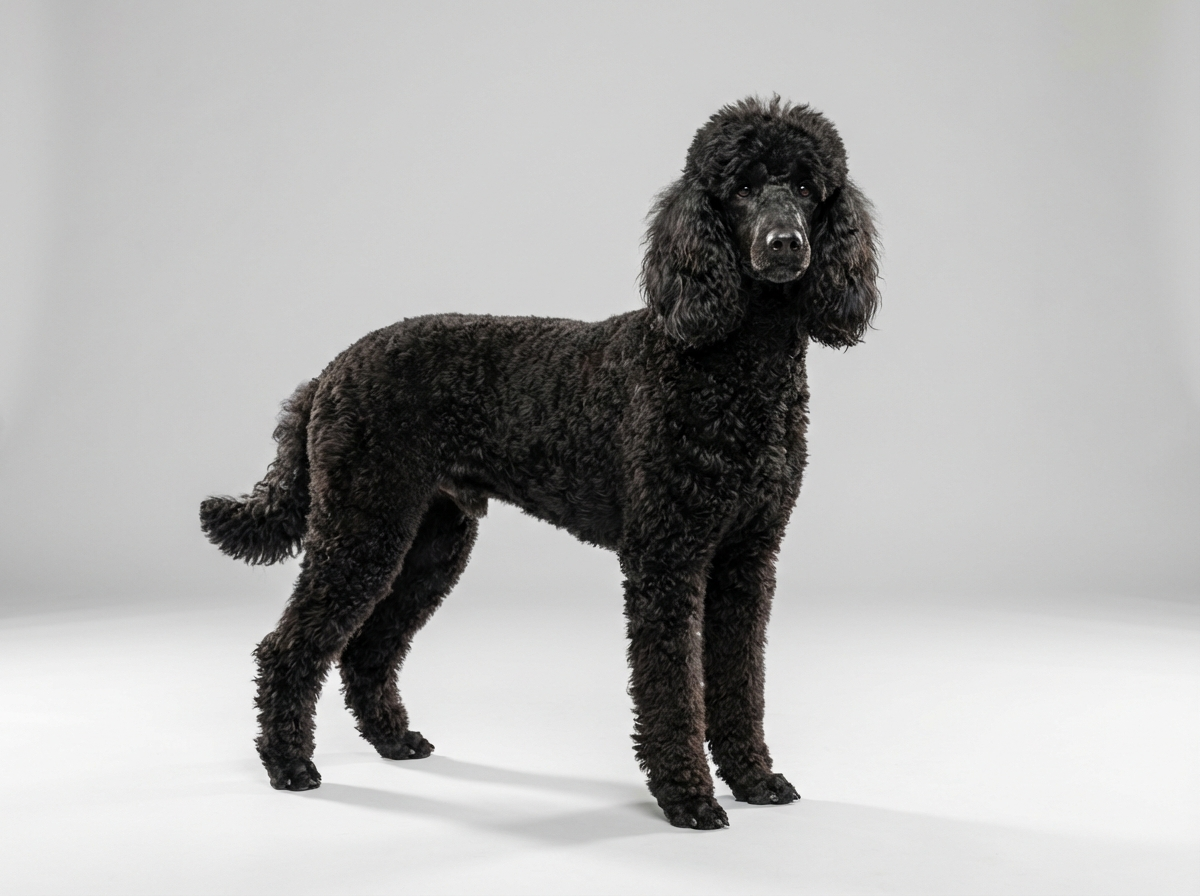
Poodle (All Sizes) hip dysplasia is a serious issue that affects mobility and comfort. This condition involves the improper formation of hip joints, leading to arthritis over time.

Poodle (All Sizes) Hip Dysplasia: What You Need to Know infographic

New dog owners or busy families often find themselves struggling with the signs of hip dysplasia. If your Poodle seems reluctant to move, has difficulty standing up, or shows signs of discomfort, this issue may be at play.

Important reminder

This guide is not medical advice. If your dog shows pain, sudden behavior change, or worsening symptoms, consult a licensed veterinarian.

Some links may be affiliate links. We may earn a commission at no extra cost to you. We only suggest products we believe are helpful for dog owners.

What this problem looks like

Poodle (All Sizes) hip dysplasia is a common condition that affects the hip joints, leading to arthritis and mobility issues. Day-to-day, this might look like your Poodle having difficulty getting up, limping during walks, or showing reluctance to engage in play. The pain can vary, sometimes making even simple activities challenging.

Common triggers

  • Genetics and breed predisposition
  • Rapid growth in puppies
  • Obesity and lack of exercise
  • Injury or trauma

Hip dysplasia is a frequent issue among Poodles, particularly in larger sizes. Approximately 20-30% of Poodles may develop this condition at some point in their lives, making it an important consideration for potential owners.

Why this happens

Breed factors

Poodles are prone to hip dysplasia due to genetics. This condition is more common in larger Poodles, like Standard Poodles, but can occur in all sizes. It's essential to consider the lineage of your Poodle when evaluating their risk.

Environment factors

Environmental factors also play a significant role. Overweight dogs or those that experience rapid growth during their puppy years may be more susceptible to hip dysplasia. Additionally, excessive jumping or rough play can strain their joints.

What you can try

At-home strategies

  • Maintain a healthy weight to reduce stress on the joints. Use a balanced diet and regular exercise to keep your Poodle fit.
  • Incorporate joint supplements like glucosamine and chondroitin into their diet after consulting your vet. These can help support joint health.
  • Provide a comfortable, supportive bed to minimize joint strain while resting. Orthopedic beds are a great option.
  • Limit high-impact activities, especially during puppyhood. Focus on low-impact exercises like walking or swimming to build strength without causing harm.

When to consider a trainer

If your Poodle shows signs of discomfort or is hesitant to move, it may be time to consult a professional trainer. They can help with tailored exercises that strengthen and stabilize your dog's joints.

When to talk to your vet

If you suspect your Poodle has hip dysplasia due to mobility issues or pain, it's crucial to see a vet. They can recommend diagnostic imaging and provide a comprehensive treatment plan.

Realistic expectations

Managing Poodle (All Sizes) hip dysplasia typically takes several months to see improvement. Consistent training and treatment will show noticeable results in about 3 to 6 months.

Success means your Poodle can move more comfortably, engage in regular activities, and has reduced pain levels. Regular vet check-ups and a tailored exercise plan will help maintain their quality of life.

Mistakes that make this worse

Avoiding these common mistakes can help improve your Poodle's hip dysplasia situation.

  • Neglecting weight management: Overweight dogs put extra stress on their joints, worsening hip dysplasia. Keep your Poodle at a healthy weight through portion control and regular exercise.
  • Skipping regular vet check-ups: Missing out on routine visits can delay early detection of hip dysplasia and its progression. Make regular vet visits a priority to monitor your Poodle's joint health.
  • Ignoring signs of pain or discomfort: If your Poodle shows reluctance to exercise or difficulty getting up, these could be signs of worsening hip dysplasia. Address these changes promptly with your vet.
  • Engaging in high-impact activities: Activities like jumping or running on hard surfaces can exacerbate hip problems. Opt for low-impact exercises, like walking and swimming, to keep your Poodle active without straining their joints.
  • Using poor-quality dog food: Low-quality diets can lead to obesity and poor joint health. Choose a balanced, high-quality dog food specifically formulated for joint health to support your Poodle's needs.
  • Failing to provide proper support: Inadequate bedding and living spaces can worsen joint discomfort. Provide supportive beds and avoid slippery floors to help your Poodle move comfortably at home.

When Poodle (All Sizes) Hip Dysplasia is an Emergency

Recognizing when hip dysplasia in your Poodle (All Sizes) requires immediate veterinary attention is crucial. If your dog shows signs of severe pain, such as yelping, difficulty standing or walking, or reluctance to move, you should call your vet right away. Additionally, if you notice swelling in the hip area, sudden changes in behavior, or inability to bear weight on a leg, these are all red flags that need urgent care.

In contrast, if your Poodle is experiencing mild discomfort, such as occasional limping or stiffness after exercise, you can monitor the situation at home. Keeping track of their activity levels and observing for any worsening symptoms can help you manage their condition. If the mild symptoms persist for more than a couple of days or worsen, it's wise to consult your vet.

Establishing a care plan with your veterinarian can also help manage mild cases effectively. Regular check-ups, weight management, and specific exercises can significantly improve your dog's quality of life. Always prioritize open communication with your vet about any changes in your Poodle's behavior or mobility.

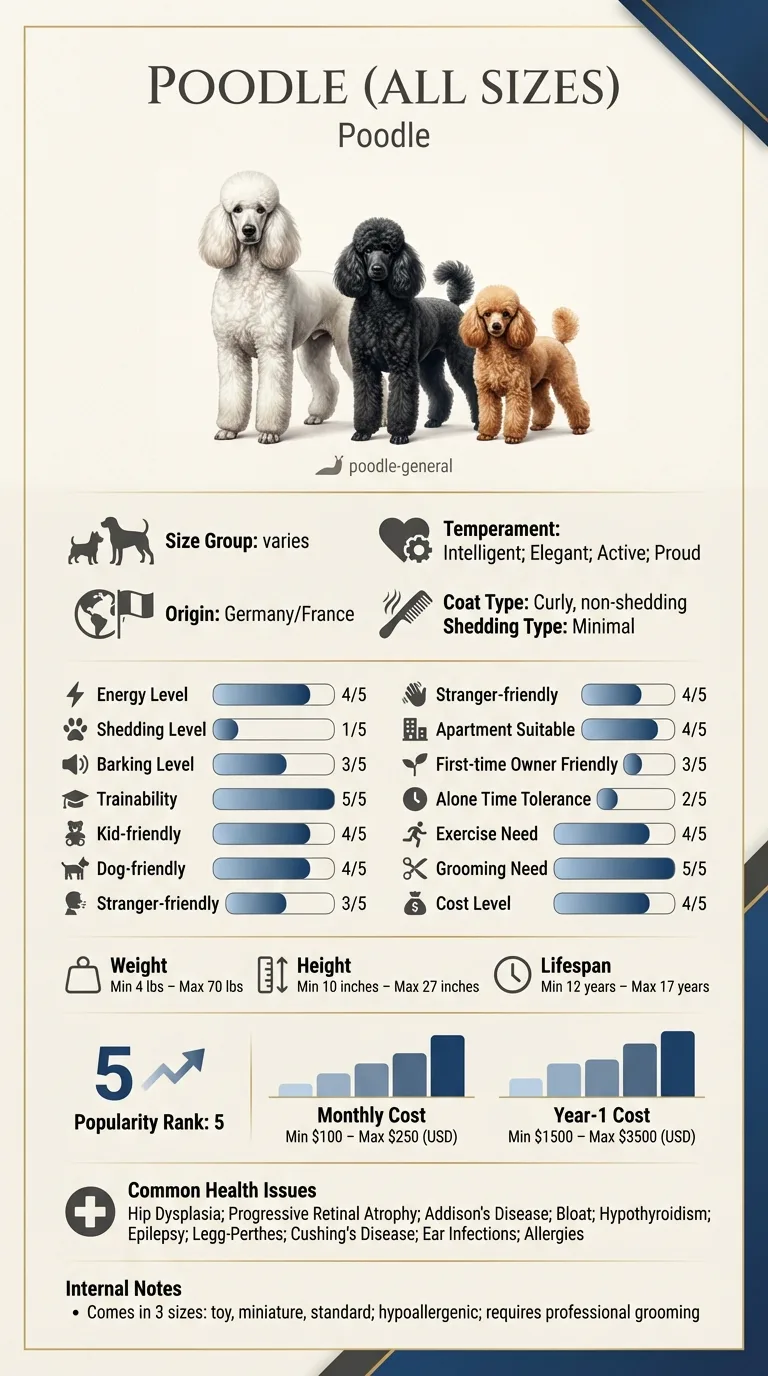
Poodle (All Sizes) Hip Dysplasia: What You Need to Know - When Poodle (All Sizes) Hip Dysplasia is an Emergency

Overcoming Hip Dysplasia: A Poodle's Journey

Jessica, a busy nurse in Seattle, noticed her 5-year-old Poodle, Max, was limping after playtime. After a vet visit, she learned Max had hip dysplasia. At first, Jessica felt overwhelmed, but she committed to a rehabilitation plan that included controlled exercises and weight management. With patience and dedication, Max improved over several months and could enjoy his daily walks with less discomfort.

Key takeaway: With the right approach, managing Poodle (All Sizes) hip dysplasia can lead to a happier, more active dog. Consistency and support from your vet are crucial.

Frequently asked questions

Why does my Poodle (All Sizes) have hip dysplasia?

Hip dysplasia in Poodles can be due to genetic factors, improper nutrition, or excessive exercise during their growth stages. It's essential to consult a vet if you notice symptoms like limping or difficulty standing. Early diagnosis can help manage the condition effectively.

How can I stop my Poodle (All Sizes) from developing hip dysplasia?

To reduce the risk of hip dysplasia, ensure your Poodle maintains a healthy weight and gets balanced nutrition. Controlled exercise is crucial, especially during their growth phases. Regular vet check-ups can also help monitor their joint health.

What are the signs of hip dysplasia in Poodles?

Signs of hip dysplasia may include difficulty in rising, limping, or decreased activity levels. You might also notice your Poodle struggling to jump or climb stairs. If you see these symptoms, it's best to visit your vet for an evaluation.

Can hip dysplasia be treated in Poodles?

Yes, hip dysplasia can be managed through weight control, physical therapy, and in some cases, surgery. Your vet may recommend pain relief medications or joint supplements to improve your Poodle's quality of life. Always follow your vet's advice for the best outcomes.

Is hip dysplasia hereditary in Poodles?

Hip dysplasia does have a hereditary component, especially in breeds like Poodles. Responsible breeding practices can help reduce the incidence of this condition in future generations. If you're considering getting a Poodle, research their lineage for health clearances.

How can training help with my Poodle (All Sizes) hip dysplasia?

Training can assist in managing your Poodle's behavior and ensuring they don't overexert themselves. Teaching commands like 'slow' can help prevent high-impact activities that might worsen their hip issues. Focus on low-impact exercises to keep them active but safe.

What lifestyle changes are needed for a Poodle with hip dysplasia?

For a Poodle with hip dysplasia, consider adjusting their diet to maintain a healthy weight and implementing a low-impact exercise routine. Providing them with a comfortable bed and avoiding slippery floors can also help. Regular vet visits are crucial for monitoring their condition.

What are the signs of hip dysplasia in Poodles?

Signs of hip dysplasia in Poodles can include difficulty getting up, limping, or reluctance to jump. You might also notice them being less active or favoring one leg. If you see these signs, it’s essential to consult your vet for proper evaluation.

Can hip dysplasia affect older Poodles differently?

Yes, hip dysplasia can worsen with age in Poodles. Older dogs may experience increased pain and reduced mobility due to arthritis developing in the hip joints. Regular vet check-ups can help manage their condition effectively.

How can I manage my Poodle's hip dysplasia at home?

Managing your Poodle's hip dysplasia at home includes maintaining a healthy weight, providing joint supplements, and ensuring they get gentle, low-impact exercise. Avoid high-impact activities that could worsen their condition.

Is surgery necessary for Poodles with hip dysplasia?

Not all Poodles with hip dysplasia require surgery. Treatment options vary based on the severity of the condition. Your vet can help you decide if surgery or other methods, like medication or physical therapy, are suitable for your dog.

Why does my Poodle (All Sizes) have hip dysplasia?

Hip dysplasia in Poodles is often due to genetic factors, but environmental influences can also play a role. Factors like rapid growth, obesity, and lack of exercise can contribute to the development of this condition. Ensure you choose a reputable breeder to minimize the risk.

Quick answers

View more answers
Behavior

What are quick tips for Poodle (All Sizes) hip dysplasia?

Maintain a healthy weight and provide balanced nutrition to lower the risk of hip dysplasia. Regular vet check-ups and controlled exercise are key. Monitor for any signs of discomfort and adjust their activities accordingly.

Costs

How much does treatment for hip dysplasia cost?

Treatment costs for Poodle (All Sizes) hip dysplasia can vary, ranging from $100 to $300 monthly for management. Surgical options can be significantly higher, often exceeding $3,000. Always consult your vet for a tailored cost estimate.

Living

Can Poodles with hip dysplasia live a normal life?

Yes, with proper management, Poodles can live a normal, happy life despite hip dysplasia. Regular exercise, weight management, and veterinary care are vital. Keep an eye on their activity levels to prevent discomfort.

Related DogBreedCompass guides

  • Poodle (All Sizes) separation anxiety guideLearn more about how to prevent and manage separation anxiety in Poodles.
  • Poodle (All Sizes) behavior problemsExplore common behavior problems in Poodles and how to address them.
  • Poodle (All Sizes) cost breakdownUnderstand the costs associated with owning a Poodle, including healthcare.
  • Recognizing hip dysplasia in PoodlesCheck out the signs and symptoms of hip dysplasia specific to the Poodle breed.
  • Poodle (All Sizes) hip dysplasia trainingFind training tips specifically designed for Poodles to improve their health.

Related guides