Behavior
What are quick tips for managing Poodle (All Sizes) pancreatitis & diabetes?
Focus on low-fat diets, regular vet visits, and consistent exercise. Monitor their weight closely to prevent obesity.

Quick answer
What are quick tips for managing Poodle (All Sizes) pancreatitis & diabetes?
Focus on low-fat diets, regular vet visits, and consistent exercise. Monitor their weight closely to prevent obesity.
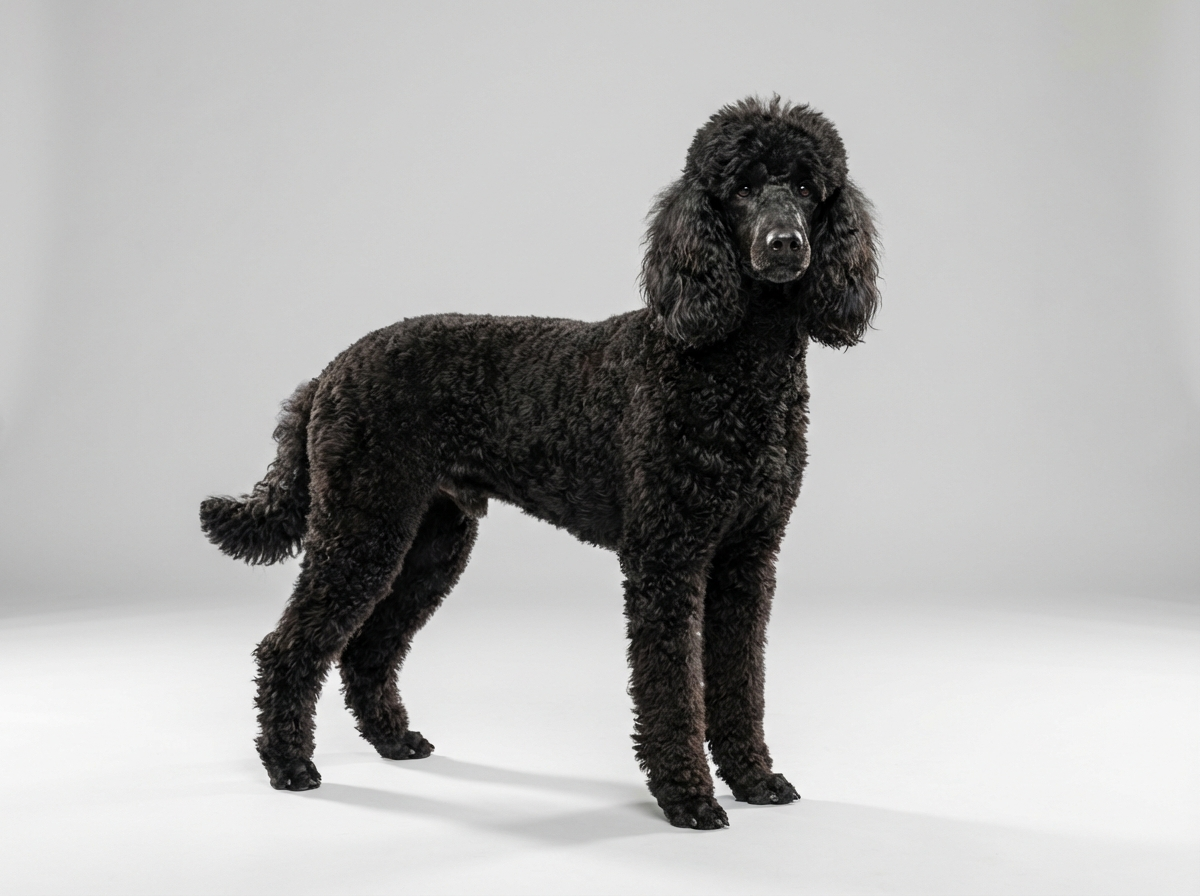
Poodle (All Sizes) pancreatitis and diabetes are serious health issues that can affect your dog's quality of life. These conditions can lead to discomfort and require careful management. (Poodle (All Sizes) pancreatitis & diabetes)
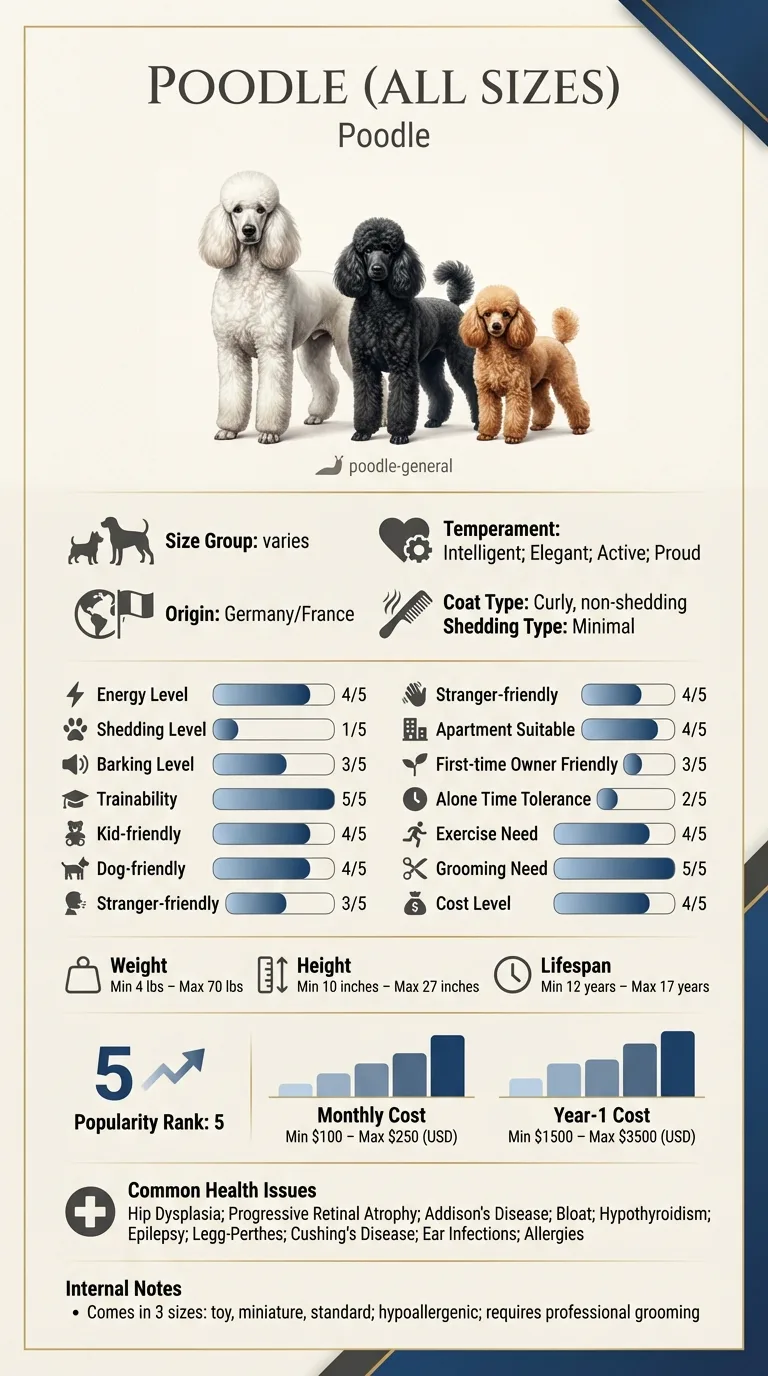
Owners of Poodles, especially older ones, often face these health issues. If your dog has experienced sudden weight loss, increased thirst, or frequent urination, you may be dealing with these conditions. It's a tough situation for many dog parents who want to ensure their furry friends remain happy and healthy.
This guide is not medical advice. If your dog shows pain, sudden behavior change, or worsening symptoms, consult a licensed veterinarian.
Some links may be affiliate links. We may earn a commission at no extra cost to you. We only suggest products we believe are helpful for dog owners.
We research and check what we publish, but we do not warrant that any figure, date, price, or statement is accurate, complete, or current, and we accept no liability for any loss, cost, injury, or other harm arising from the use of this site. Use it as one reference among several. You remain responsible for your own decisions and for your dog's care - confirm anything that matters with a licensed veterinarian or another qualified professional before you act on it. Full disclaimer.
Check this first
Recognizing when your Poodle's health issues are an emergency is crucial. If your dog exhibits severe symptoms like vomiting multiple times, persistent diarrhea, lethargy, or signs of pain, you should call your vet immediately. These can indicate a serious flare-up of pancreatitis or complications from diabetes that need urgent care.
On the other hand, milder symptoms, such as occasional vomiting, minor changes in appetite, or mild lethargy, may not require immediate attention. In these cases, you can monitor your Poodle closely and consult your vet to create a management plan. Keep a detailed log of symptoms to share with your vet, as this information can be valuable for diagnosis.
Remember, if you're ever unsure, it's better to err on the side of caution and reach out to your veterinarian. They can provide guidance based on your dog's specific symptoms and health history.
If any of these apply, call your vet or an emergency clinic now. The rest of this page is for the cases that are not an emergency.
Poodle (All Sizes) pancreatitis & diabetes can be serious health concerns, especially in older dogs. Symptoms may include excessive thirst, frequent urination, vomiting, and lethargy. These conditions often arise due to dietary issues or obesity, making it crucial for owners to monitor their Poodle's eating habits and weight.
These health issues are relatively common among Poodles as they age, particularly those that are overweight. While not every Poodle will develop pancreatitis or diabetes, the risk increases significantly after the age of 7. Regular vet check-ups and a proper diet can help mitigate these risks.
Poodles, regardless of size, can be genetically predisposed to pancreatitis and diabetes. Their high energy levels and unique metabolism can also contribute to these health issues, especially if they are overweight or have an unhealthy diet.
Environmental factors such as diet, lack of exercise, and stress can exacerbate health problems. Feeding your Poodle high-fat foods or indulging in table scraps can significantly increase their risk for pancreatitis and diabetes.
Consult your vet if you notice symptoms like vomiting, lethargy, or significant weight changes. Regular check-ups are essential for catching early signs of pancreatitis and diabetes.
Avoiding certain common mistakes can significantly improve your Poodle's health. Here are some behaviors to watch out for.
Start here: Poodle (All Sizes) Genetic Disorders: What to Screen For
See all Poodle General health problems, which breeds are prone to pancreatitis diabetes, or the full Poodle General breed guide for temperament, exercise needs and ownership costs.
You may start to see improvements in your Poodle's pancreatitis and diabetes symptoms within a few weeks of making dietary changes and following a vet's treatment plan. However, managing these conditions is a long-term commitment that requires regular vet visits and monitoring.
Success means your Poodle maintains a stable weight, shows fewer symptoms, and enjoys a good quality of life. Regular vet check-ups will help ensure their pancreatitis and diabetes are under control.
When Sarah adopted Bella, her Poodle, she was unaware of the health challenges ahead. At six years old, Bella was diagnosed with pancreatitis and later diabetes. Sarah felt overwhelmed, especially after noticing Bella's frequent thirst and weight loss. After consulting her vet, Sarah learned that Bella needed a strict, low-fat diet along with insulin injections. Initially, the daily routine was challenging, but with time, Sarah became more confident. She prepared Bella's meals at home and ensured regular vet check-ups. Now, Bella is thriving, and Sarah feels empowered to manage her health.
Key takeaway: With dedication and support, you can successfully manage your Poodle's pancreatitis and diabetes, leading to a happier, healthier life together.
Poodles are at higher risk for pancreatitis and diabetes, especially as they age. Factors like obesity, high-fat diets, and genetics can contribute to these conditions. Regular vet check-ups and a balanced diet can help manage these risks. This answer relates to Poodle (All Sizes) pancreatitis & diabetes.
To prevent pancreatitis and diabetes, focus on a low-fat diet and maintain a healthy weight. Regular exercise is essential to keep your Poodle active. Consult your vet for a tailored diet plan and routine.
Symptoms may include excessive thirst, frequent urination, lethargy, and loss of appetite. If your Poodle shows these signs, it's crucial to see a vet for diagnosis and treatment. Early intervention can make a significant difference.
Yes, training can aid in managing pancreatitis and diabetes. Teaching commands like 'leave it' can help prevent them from eating harmful foods. Positive reinforcement is key to making training effective and enjoyable.
Switch to a high-quality, low-fat dog food that is specifically formulated for dogs with pancreatitis or diabetes. Consult your vet for recommendations based on your Poodle's specific needs. Monitor their weight and adjust portions accordingly.
Absolutely! Regular vet visits help monitor your Poodle's health and adjust treatments as necessary. Blood tests can detect issues early, leading to better outcomes.
Signs of pancreatitis in your Poodle (All Sizes) can include vomiting, abdominal pain, lethargy, and a decreased appetite. If you notice these symptoms, it's crucial to consult your vet immediately for proper diagnosis and treatment.
Yes, pancreatitis can lead to diabetes in Poodles (All Sizes) due to damage to the pancreas. This damage can impair insulin production, making it harder for your dog to regulate blood sugar levels.
Managing a Poodle's pancreatitis and diabetes at home involves providing a low-fat diet, keeping a consistent feeding schedule, and monitoring their weight. Regular vet check-ups are also essential to track their condition and adjust treatment as needed.
If your Poodle (All Sizes) shows any signs of illness such as persistent vomiting, excessive thirst, or lethargy, it's time to see the vet. Early intervention can prevent serious complications from pancreatitis or diabetes.
While not all cases can be prevented, you can reduce the risk by maintaining a healthy weight and diet for your Poodle (All Sizes). Regular exercise and routine vet visits also play a key role in prevention.
Focus on low-fat diets, regular vet visits, and consistent exercise. Monitor their weight closely to prevent obesity.
Feed smaller, more frequent meals throughout the day to help manage blood sugar levels and prevent pancreatitis flare-ups.
Yes, but choose low-fat, healthy treats and limit portions. Always check with your vet for suitable options.
Aim for daily walks and interactive play to keep your Poodle engaged and healthy. Tailor activities to their energy level.
A one-page prep sheet for this condition: the signs, the questions to ask, what to get priced. Unlocks here.
You get: Vet visit prep sheet
No spam. One-click unsubscribe. See our privacy policy.
Preview page 1 before you decide.