What is Basset Hound chondrodystrophy (cddy)?
Basset Hound chondrodystrophy (cddy) is a genetic disorder that affects the development of bones in Basset Hounds. This condition can lead to various skeletal issues, resulting in pain and mobility problems. It's important for owners to recognize the signs early for effective management.
Why does my Basset Hound have chondrodystrophy (cddy)?
Chondrodystrophy (cddy) in Basset Hounds is primarily due to genetic factors. This breed is predisposed to this condition, which affects their growth and bone structure. If you suspect your dog has this disorder, consult a vet for a proper diagnosis and treatment plan.
How can I manage my Basset Hound's chondrodystrophy (cddy)?
Managing Basset Hound chondrodystrophy involves regular vet check-ups, maintaining a healthy weight, and providing joint supplements. Physical therapy can help improve mobility. Always follow your vet's recommendations for the best care.
Is there a training approach for Basset Hound chondrodystrophy (cddy)?
While training cannot cure chondrodystrophy, it can help your Basset Hound adapt. Focus on gentle, low-impact activities to avoid stress on their joints. Positive reinforcement techniques can be particularly effective for stubborn Basset Hounds.
What are the signs of chondrodystrophy in Basset Hounds?
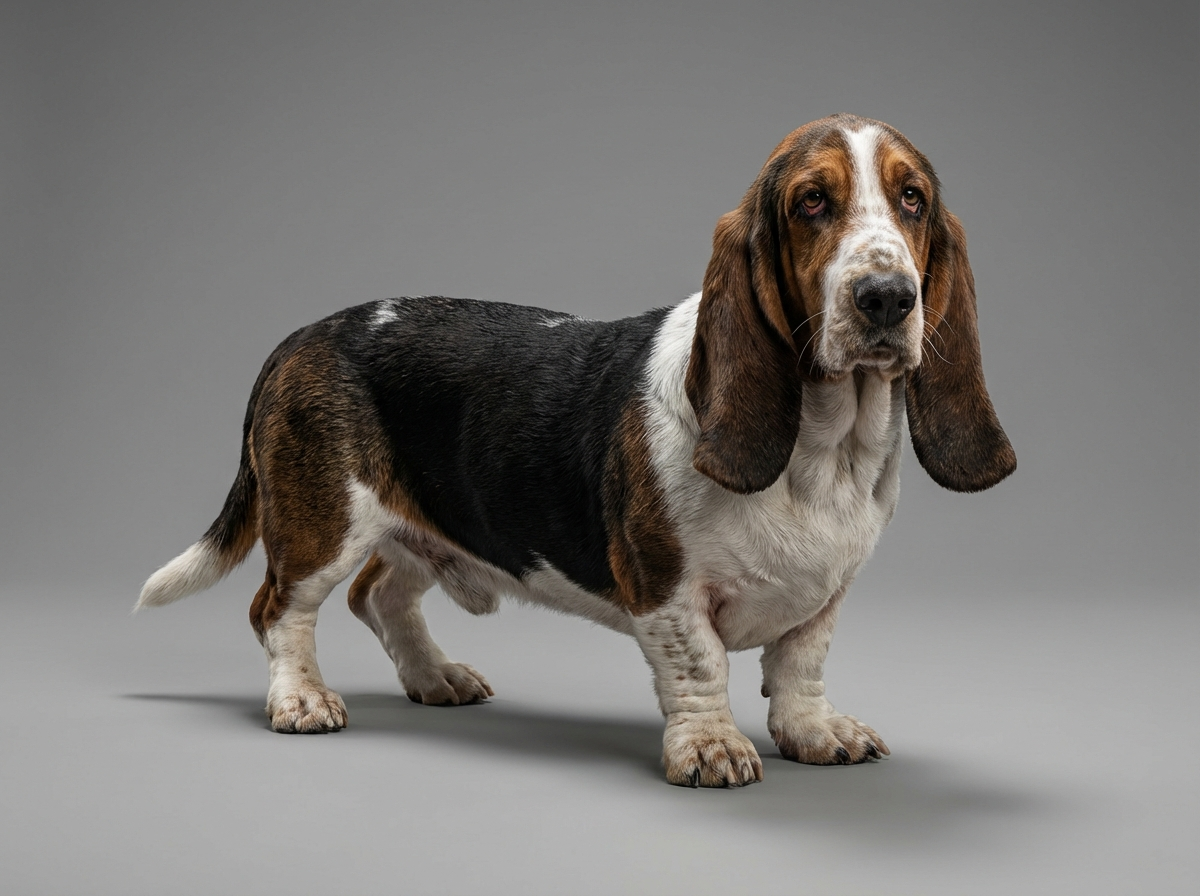
Signs of chondrodystrophy in Basset Hounds include difficulty walking, reluctance to play, and visible pain when moving. You may also notice abnormalities in their limbs. If you see these signs, consult a vet for evaluation.
Can Basset Hounds with chondrodystrophy still lead a happy life?
Yes, Basset Hounds with chondrodystrophy can still live fulfilling lives with proper care. With appropriate management, including regular vet visits and a tailored exercise routine, they can enjoy their daily activities and maintain a good quality of life.
What are the signs of chondrodystrophy in Basset Hounds?
Signs of Basset Hound chondrodystrophy (cddy) may include unusual body shape, difficulty walking, and joint stiffness. You might also notice your dog having trouble jumping or climbing stairs. If you observe these symptoms, it's a good idea to consult your vet.
Can chondrodystrophy be managed with training?
While training alone won't cure Basset Hound chondrodystrophy (cddy), it can help improve their mobility and behavior. Focus on gentle exercises and positive reinforcement to keep your dog engaged without putting too much strain on their joints. A vet or a professional trainer can provide guidance tailored to your dog's needs.
When should I take my Basset Hound to the vet for cddy symptoms?
If your Basset Hound shows signs of discomfort, such as limping or reluctance to move, it’s time to see the vet. Additionally, if you notice sudden changes in their behavior or appetite, don’t hesitate to reach out. Early intervention can help manage their condition effectively.
Is there a genetic test for Basset Hound chondrodystrophy (cddy)?
Yes, genetic testing is available for Basset Hound chondrodystrophy (cddy). This test can help identify carriers and inform breeding decisions. If you're considering getting a Basset Hound, ask the breeder about health screenings.
How does chondrodystrophy affect the lifespan of Basset Hounds?
Basset Hounds with chondrodystrophy (cddy) may face additional health challenges that could impact their lifespan. Proper care, including regular vet check-ups, a healthy diet, and appropriate exercise, can help manage these issues. Early diagnosis and treatment can lead to a better quality of life.