What are some quick tips for Basset Hound hip dysplasia prevalence?
Keep your Basset Hound at a healthy weight, provide low-impact exercise, and ensure regular vet check-ups. Early detection and management can greatly improve their quality of life.
Basset Hound hip dysplasia prevalence is a common concern for owners. This condition can lead to pain and mobility issues.

Typically, first-time dog owners or those new to Basset Hounds may struggle with recognizing the signs of hip dysplasia. Busy families and individuals who may not have extensive experience with dog health may find it challenging to navigate this issue.
This guide is not medical advice. If your dog shows pain, sudden behavior change, or worsening symptoms, consult a licensed veterinarian.
Some links may be affiliate links. We may earn a commission at no extra cost to you. We only suggest products we believe are helpful for dog owners.
Basset Hound hip dysplasia prevalence is a common concern for dog owners. This genetic condition affects the hip joint, leading to pain and mobility issues as the dog ages. Symptoms can include difficulty in movement, reluctance to exercise, and changes in behavior due to discomfort.
Hip dysplasia is fairly common in Basset Hounds, especially due to their unique body structure. Many Bassets experience some degree of this condition, making awareness and preventive care essential for owners.
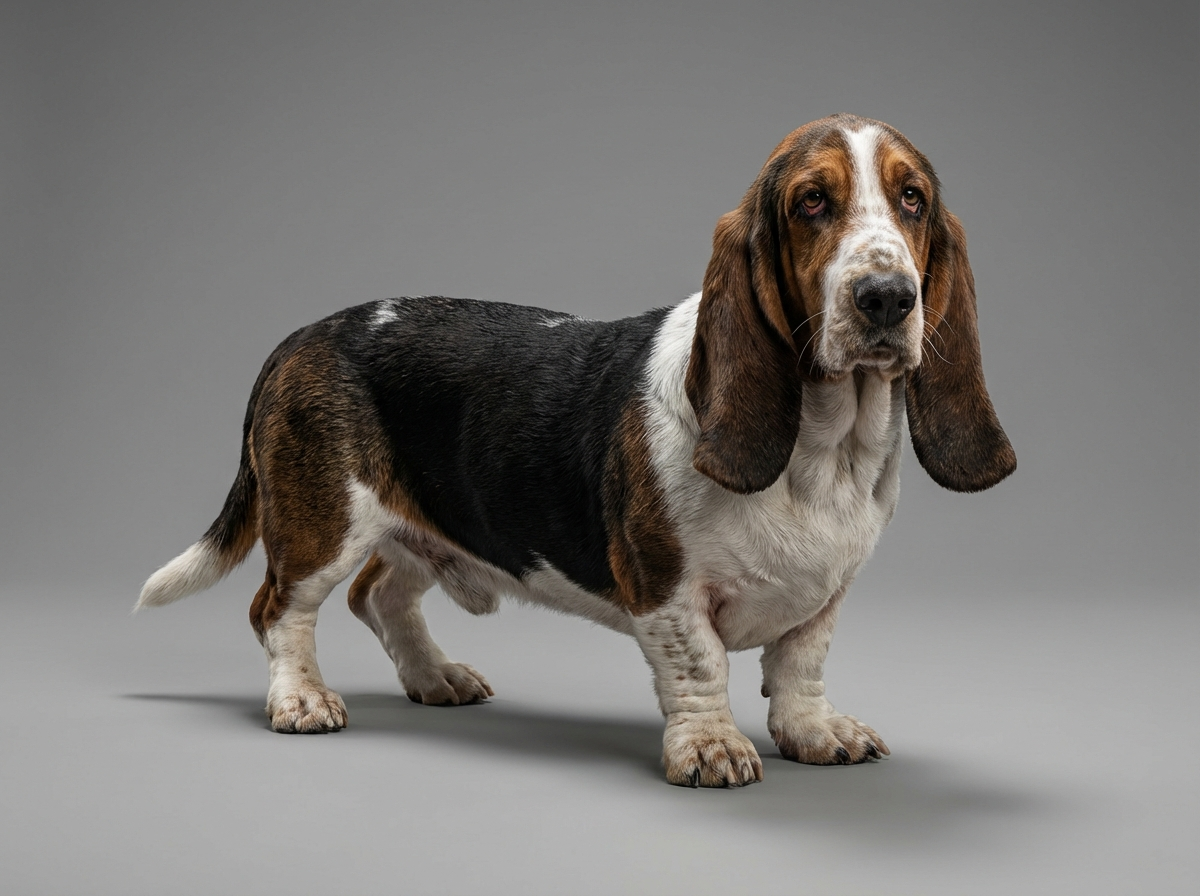
Basset Hounds are genetically predisposed to hip dysplasia due to their body structure. Their short legs and long bodies can lead to joint issues. This breed's weight and size also contribute to the likelihood of developing hip dysplasia.
Environmental factors can influence the prevalence of hip dysplasia in Basset Hounds. Overweight dogs, lack of exercise, and improper nutrition can worsen the condition. Additionally, high-impact activities or slippery surfaces can increase the risk of joint damage.
If your Basset Hound shows signs of discomfort or reluctance to exercise, a professional trainer can help develop a suitable exercise plan. They can also guide you on proper training techniques to ensure your dog stays active without risking injury.
If you notice limping, difficulty standing, or reluctance to jump, consult your vet. They can assess your dog's condition and may recommend treatments such as weight management, physical therapy, or medication for pain relief.
With consistent training and proper care, you may see improvements in your Basset Hound's hip health within 3 to 6 months.
Success means your Basset can move comfortably, engage in daily activities, and show improved mobility without pain.
Avoiding certain common mistakes can help manage Basset Hound hip dysplasia prevalence. Here are a few behaviors to watch out for.
Understanding when your Basset Hound's hip dysplasia symptoms indicate an emergency is crucial. Some signs require immediate veterinary attention, while others can be monitored with a plan. Knowing the difference can help you act swiftly and appropriately.
Red-flag signs that mean you should call your vet now include sudden inability to walk, severe limping, or signs of intense pain like whining or growling when touched. If your Basset is unable to stand or shows swelling around the hip joint, these are also urgent situations. Additionally, if you notice a noticeable change in appetite or behavior that seems out of the ordinary, don’t hesitate to reach out to your vet.
On the other hand, mild cases can often be monitored at home. If your dog shows occasional limping or stiffness after exercise but still enjoys their daily walks, you may not need an immediate vet visit. Keeping track of their activity levels, pain episodes, and any changes in behavior can help you assess their condition over time. You can also implement a gentle exercise plan and weight management to ease their discomfort, but always consult with a vet for tailored advice.

Emily, a busy nurse in Chicago, adopted Bella, a Basset Hound with a noticeable limp. Initially, Emily felt overwhelmed by Bella's hip dysplasia diagnosis and wasn't sure how to help her. After researching, she started Bella on a tailored exercise program and sought advice from a vet about joint supplements. Over six months, Bella's mobility improved significantly, allowing her to enjoy walks and playtime without discomfort. Emily learned to adjust her expectations and focus on Bella's quality of life.
Key takeaway: With the right support and care, you can manage hip dysplasia in Basset Hounds, leading to a happier, healthier life for your dog.

Basset Hounds can inherit hip dysplasia due to genetics, as it often runs in families. Factors like rapid growth, obesity, and improper exercise can also contribute to this condition. It's essential to monitor your dog's weight and keep them active within healthy limits.
To help prevent hip dysplasia, ensure your Basset Hound maintains a healthy weight and gets regular, moderate exercise. Avoid high-impact activities, especially during their growth phase. Regular vet check-ups can help catch any early signs of hip problems.
Common signs include limping, difficulty getting up, reluctance to jump or run, and a decreased range of motion. If you notice any of these symptoms, consult your veterinarian for an evaluation. Early detection can lead to better management of the condition.
Training can support your Basset Hound by promoting appropriate activity levels and teaching them to avoid jumping or rough play that could strain their hips. Incorporating low-impact training, like obedience or scent work, can keep them mentally and physically stimulated.
Treatment options range from weight management and physical therapy to medications for pain relief. In severe cases, surgery may be necessary. Always consult your vet to determine the best course of action for your dog's specific needs.
Basset Hound hip dysplasia prevalence is often due to genetics and improper growth during puppyhood. Factors like rapid weight gain and inadequate exercise also contribute to the condition.
Yes, older Basset Hounds can develop hip dysplasia, even if they didn't show symptoms earlier in life. Aging can lead to joint wear and tear, making existing issues more evident.
Managing Basset Hound hip dysplasia prevalence involves maintaining a healthy weight, providing joint supplements, and ensuring low-impact exercise. Consulting your vet for tailored advice is crucial.
If your Basset Hound shows signs of pain, difficulty standing, or reluctance to play, it's time to see a vet. Early intervention can help manage symptoms and improve quality of life.
Yes, training techniques that focus on low-impact activities can help your Basset Hound. Obedience training and gentle walks are ideal to keep them engaged without straining their joints.
Keep your Basset Hound at a healthy weight, provide low-impact exercise, and ensure regular vet check-ups. Early detection and management can greatly improve their quality of life.
Look for signs like limping, difficulty standing, and decreased activity. If you notice these symptoms, consult your veterinarian for a thorough evaluation.
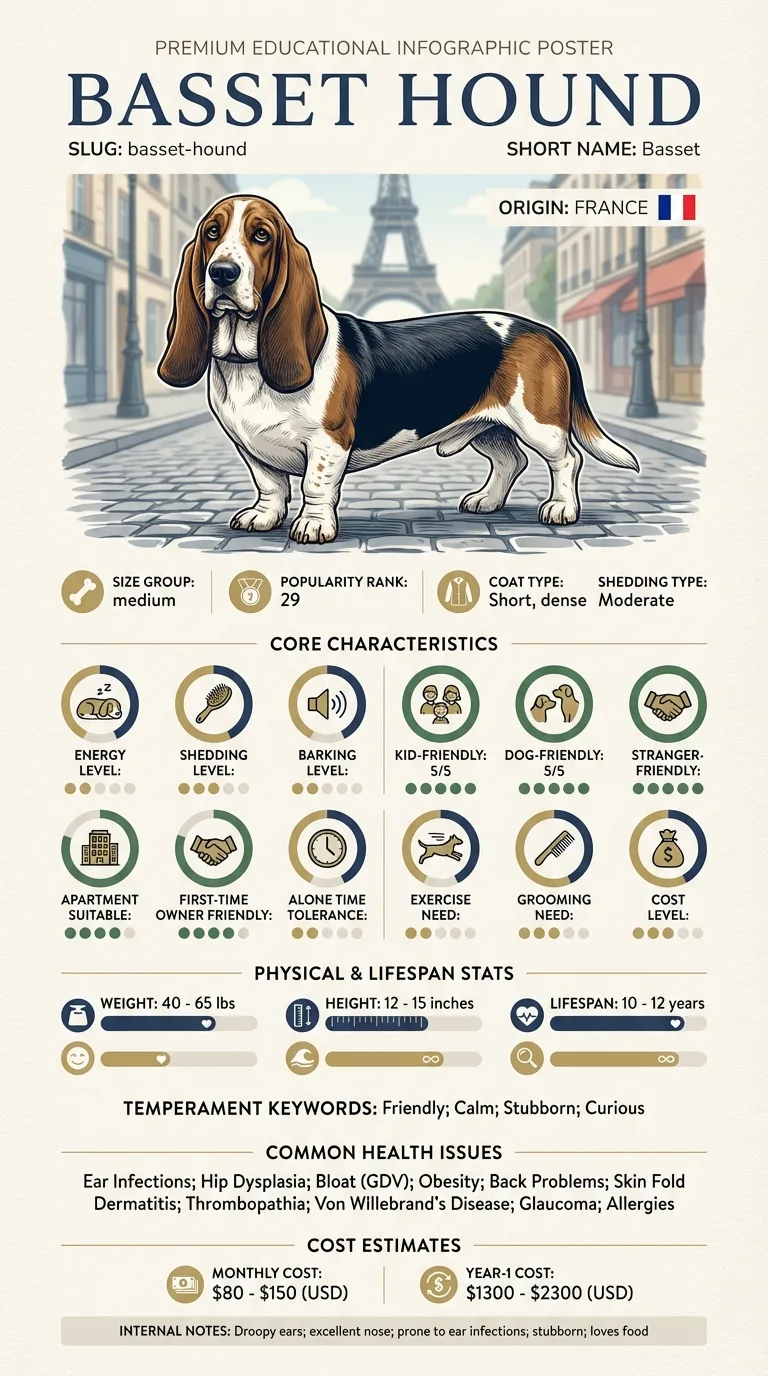
Monthly costs can range from $80 to $150, depending on treatment needs. Surgical options can be more expensive, so it's important to budget accordingly.