Health
What are some quick tips for Basset Hound most common genetic disorders?
Ensure regular vet check-ups and maintain a healthy diet. Early detection is key to managing genetic disorders effectively.

Quick answer
What are some quick tips for Basset Hound most common genetic disorders?
Ensure regular vet check-ups and maintain a healthy diet. Early detection is key to managing genetic disorders effectively.
Basset Hounds are prone to several genetic disorders that can impact their health and happiness. Understanding these issues is crucial for responsible ownership.
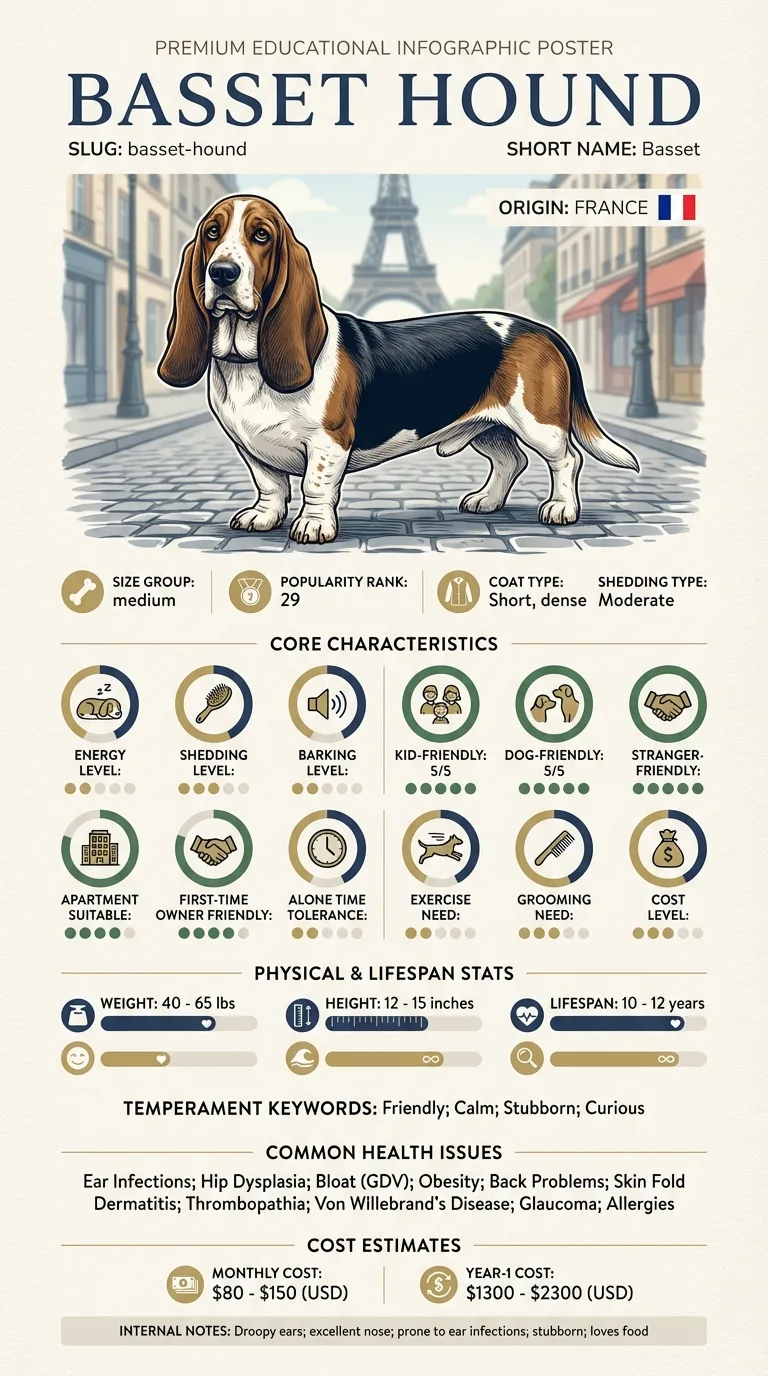
First-time dog owners and families may find it challenging to navigate the health needs of Basset Hounds. Busy pet parents may also struggle to identify early signs of these disorders. Awareness is key to preventing and managing these conditions effectively.
This guide is not medical advice. If your dog shows pain, sudden behavior change, or worsening symptoms, consult a licensed veterinarian.
Some links may be affiliate links. We may earn a commission at no extra cost to you. We only suggest products we believe are helpful for dog owners.
We research and check what we publish, but we do not warrant that any figure, date, price, or statement is accurate, complete, or current, and we accept no liability for any loss, cost, injury, or other harm arising from the use of this site. Use it as one reference among several. You remain responsible for your own decisions and for your dog's care - confirm anything that matters with a licensed veterinarian or another qualified professional before you act on it. Full disclaimer.
Check this first
Recognizing when your Basset Hound's health issues are emergencies can be crucial. Some signs require immediate veterinary attention, while others may be monitored at home. Knowing the difference can save your dog's life.
Red flags that mean you should call your vet immediately include severe vomiting, loss of consciousness, difficulty breathing, or sudden weakness. If your Basset shows signs of extreme pain or has a bloated abdomen, this could indicate conditions like bloat, which is life-threatening. Additionally, if your dog is bleeding or has a seizure, these are clear emergencies.
On the other hand, if your Basset Hound is exhibiting mild symptoms such as occasional coughing, minor skin irritation, or slight lethargy, these cases can often be managed at home. You should monitor your dog closely and consult your vet for a plan. Keeping a log of any symptoms and changes in behavior can be helpful for your vet during follow-up visits.
If any of these apply, call your vet or an emergency clinic now. The rest of this page is for the cases that are not an emergency.
Basset Hounds are prone to several genetic disorders that can greatly affect their health and quality of life. Some of the most common issues include hip dysplasia, ear infections, and obesity, which can lead to other serious conditions. Owners may notice symptoms such as limping, difficulty in movement, or frequent itching and scratching.
Genetic disorders are fairly common in Basset Hounds due to their breeding history. Approximately 20-30% of Basset Hounds may experience issues related to these genetic disorders, making it essential for owners to be aware of their dog's health and genetics.
Basset Hounds are prone to several genetic disorders due to their specific breeding history. Conditions like hip dysplasia and ear infections are common because of their unique body structure and floppy ears. Their short legs and long bodies can also lead to back problems and obesity, making them more susceptible to certain health issues.
Environmental factors can exacerbate genetic predispositions. Poor diet, lack of exercise, and inadequate grooming can increase the likelihood of obesity and skin fold dermatitis. Additionally, living in a humid climate can lead to ear infections, as moisture can accumulate in their droopy ears.
Consult your vet if you notice any unusual symptoms or if your Basset is not responding to home care strategies. Early intervention is crucial, especially for conditions like hip dysplasia or skin infections, to prevent further complications.
Avoiding common mistakes can help address Basset Hound most common genetic disorders effectively. Here are some behaviors to watch out for.
See all Basset Hound health problems, which breeds are prone to most common genetic disorders, or the full Basset Hound breed guide for temperament, exercise needs and ownership costs.
Addressing genetic disorders in Basset Hounds typically takes several months to years, depending on the severity and type of the disorder. Regular vet visits and treatment plans may be necessary during this time.
Success means managing the dog's health effectively, minimizing symptoms, and ensuring a good quality of life. Owners should aim for regular vet check-ups and a consistent care routine.
When Lily brought Daisy home, she was excited about the new addition to her family. However, after a few months, Daisy started showing signs of hip dysplasia and frequent ear infections. Lily was overwhelmed but determined to help her furry friend. She consulted a vet who recommended a combination of weight management, joint supplements, and regular ear cleaning. After six months of following the vet's plan, Daisy became more active and her ear infections reduced significantly. Lily learned the importance of proactive care and communication with her vet.
Key takeaway: Early intervention and consistent care can significantly improve the quality of life for Basset Hounds with genetic disorders.
Basset Hounds are prone to several genetic disorders, including hip dysplasia, ear infections, and obesity. They can also suffer from back problems and skin fold dermatitis. Regular vet check-ups can help catch these issues early.
Many genetic disorders in Basset Hounds are inherited due to their breeding practices. Poor breeding can lead to increased risks of conditions like hip dysplasia and obesity. It's essential to ensure that your Basset is from a reputable breeder who tests for these issues.
To help prevent genetic disorders, ensure your Basset Hound maintains a healthy weight through a balanced diet and regular exercise. Regular vet visits are crucial for monitoring health and catching potential problems early. Additionally, consider genetic testing to understand specific risks.
Signs of hip dysplasia in Basset Hounds include difficulty rising, reluctance to exercise, and noticeable limping. If you notice these symptoms, consult your vet for an evaluation. Early detection can lead to better management of the condition.
Managing Basset Hound most common genetic disorders involves regular vet check-ups, maintaining a healthy diet, and ensuring they get proper exercise. Training can also help manage conditions like obesity and anxiety. Addressing health issues early is crucial for better outcomes.
If your Basset Hound exhibits symptoms like limping, difficulty breathing, or unusual lethargy, it's crucial to consult your vet. Early detection can help manage these conditions effectively, improving your dog's quality of life.
Yes, as Basset Hounds age, they may be more susceptible to disorders like hip dysplasia and obesity. Regular vet check-ups and a proper diet can help manage these risks and maintain your dog's health over time.
Look for signs such as changes in behavior, reluctance to move, or excessive whining. If your Basset Hound seems uncomfortable or in pain, it's essential to consult your vet for an evaluation.
While diet alone won't prevent genetic disorders, a balanced and nutritious diet can help maintain a healthy weight and support overall health. Consult your vet for specific dietary recommendations tailored to your Basset Hound's needs.
Long-term management may include regular vet visits, medications, physical therapy, and lifestyle adjustments. Working closely with your vet can help create a comprehensive plan tailored to your Basset Hound's specific health challenges.
Ensure regular vet check-ups and maintain a healthy diet. Early detection is key to managing genetic disorders effectively.
Exercise is crucial to prevent obesity and joint issues in Basset Hounds. Regular walks and playtime can help maintain their health.
A balanced diet rich in nutrients and low in fillers is essential. Consult your vet for specific dietary recommendations.
Yes, training can help manage behavior associated with genetic disorders. Positive reinforcement techniques are especially effective.
A one-page prep sheet for this condition: the signs, the questions to ask, what to get priced. Unlocks here.
You get: Vet visit prep sheet
No spam. One-click unsubscribe. See our privacy policy.
Preview page 1 before you decide.