What are some quick tips for Basset Hound anesthesia sensitivity?
To help with Basset Hound anesthesia sensitivity, inform your vet about your dog's history and consider pre-anesthesia testing. Always monitor their recovery closely after any procedure.
Basset Hound anesthesia sensitivity can pose serious risks during surgery or dental work. Understanding this issue is vital for your dog's safety.
Owners of Basset Hounds may struggle with anesthesia sensitivity, especially when their pets need surgery or dental care. This concern is particularly relevant for first-time dog owners or those unfamiliar with the breed's unique health needs.
Important reminder
This guide is not medical advice. If your dog shows pain, sudden behavior change, or worsening symptoms, consult a licensed veterinarian.
Some links may be affiliate links. We may earn a commission at no extra cost to you. We only suggest products we believe are helpful for dog owners.
We research and check what we publish, but we do not warrant that any figure, date, price, or statement is accurate, complete, or current, and we accept no liability for any loss, cost, injury, or other harm arising from the use of this site. Use it as one reference among several. You remain responsible for your own decisions and for your dog's care - confirm anything that matters with a licensed veterinarian or another qualified professional before you act on it. Full disclaimer.
Check this first
When Basset Hound Anesthesia Sensitivity Becomes an Emergency
Recognizing when your Basset Hound's anesthesia sensitivity is an emergency is crucial for their safety. Immediate veterinary attention is necessary in certain situations, while others can be monitored at home. If your Basset Hound shows extreme reactions such as difficulty breathing, unresponsiveness, or seizures after anesthesia, call your vet immediately. These are red-flag signs that require urgent care.
If any of these apply, call your vet or an emergency clinic now. The rest of this page is for the cases that are not an emergency.
What this problem looks like
Basset Hound anesthesia sensitivity can be a serious concern for owners. This breed may react poorly to anesthetic drugs, leading to complications during veterinary procedures. Common signs include sluggishness, prolonged recovery times, and unexpected reactions post-surgery.
Common triggers
Undergoing surgery or dental work
Receiving vaccinations
Certain medications that require sedation
Anesthesia sensitivity is relatively common in Basset Hounds due to their unique physiology and weight distribution. Many owners have reported issues, especially in older dogs or those with pre-existing health conditions.
Why this happens
Breed factors
Basset Hounds can be sensitive to anesthesia due to their unique physiology. Their short, dense bodies and specific metabolic rates might affect how they process anesthetic drugs. Additionally, their predisposition to certain health issues can increase their sensitivity during procedures.
Environment factors
Environmental factors can also contribute to anesthesia sensitivity. Stress from unfamiliar settings, lack of proper acclimatization, or previous negative experiences can heighten anxiety levels. This anxiety may lead to an exaggerated response to anesthesia, making it crucial to create a calm and familiar environment for procedures.
What you can do at home (once it is not an emergency)
When to talk to your vet
Discuss any concerns about your Basset Hound's anesthesia sensitivity with your vet. If your dog has had adverse reactions to anesthesia in the past, bring this up during routine check-ups. Your vet may recommend a pre-anesthesia assessment to ensure safe handling during procedures.
At home, alongside your vet's plan
Establish a calm routine before vet visits to help your Basset feel more secure. Engage in relaxing activities like gentle play or quiet time together.
Consider desensitization techniques. Gradually expose your Basset Hound to the sights and sounds of vet offices, starting with short visits that don't involve procedures.
Use positive reinforcement during visits. Bring treats and praise to create a positive association with the vet environment.
Mistakes that make Anesthesia Sensitivity worse
Avoiding common mistakes can help your Basset Hound manage anesthesia sensitivity more effectively. Here are some pitfalls to be aware of.
Ignoring Pre-Surgery Instructions: Not following your vet's pre-surgery guidelines can increase risks. Always adhere to fasting and medication directions to ensure your dog is ready.
Failing to Discuss History: Not sharing your Basset Hound's medical history, including past reactions to anesthesia, can lead to complications. Always keep your vet informed to tailor their approach.
Choosing Inexperienced Vets: Opting for a less experienced veterinarian can negatively impact your dog's safety. Choose a vet with experience in handling Basset Hounds and their specific needs.
Neglecting Follow-Up Care: Overlooking post-operative care can exacerbate sensitivity issues. Always follow up with your vet to monitor any reactions after anesthesia.
Overlooking Weight Management: Allowing your Basset Hound to become overweight can heighten anesthesia risks. Maintain a healthy diet and exercise regimen to help manage their weight.
Rushing Recovery Time: Pressuring your dog to return to normal activities too soon can lead to setbacks. Allow adequate recovery time after procedures to ensure their safety.
You can expect to see improvements in your Basset Hound's anesthesia sensitivity within 4 to 6 weeks of consistent care and behavior modifications.
Success means your Basset Hound can undergo necessary procedures with reduced anxiety and sensitivity, allowing for safer anesthesia use.
When to Watch and Wait
On the other hand, if your Basset Hound experiences mild side effects like temporary disorientation or slight lethargy after anesthesia, it may be safe to monitor them at home. It's important to keep an eye on their behavior over the next few hours. If they gradually return to their normal self, you can rest assured. However, if symptoms persist or worsen, seek veterinary advice.
Understanding Basset Hound Anesthesia Sensitivity - When to Watch and Wait
Training Bella: A Basset Hound's Journey
When Jenna adopted Bella, her Basset Hound, she quickly noticed Bella's extreme anxiety during vet visits. Bella would tremble and bark when the vet mentioned anesthesia, creating a stressful situation for everyone involved. After discussing this with her vet, Jenna learned about Basset Hound anesthesia sensitivity and started a training program to help Bella. She used positive reinforcement techniques, rewarding Bella for calm behavior during practice visits to the vet. Over weeks, Bella became more relaxed, and Jenna felt more confident about any future procedures. The first time Bella needed minor surgery, Jenna was pleasantly surprised by how well Bella handled the anesthesia. The vet noted a much calmer dog, and the procedure went smoothly.
Key takeaway: With patience and consistent training, you can help your Basset Hound manage anesthesia sensitivity, leading to a more positive experience at the vet.
Frequently asked questions
Why does my Basset Hound have anesthesia sensitivity?
Basset Hounds can be sensitive to anesthesia due to their unique physiology and body composition. This sensitivity may stem from their weight or underlying health issues. Always discuss any concerns with your veterinarian before procedures. This answer relates to Basset Hound anesthesia sensitivity.
How can I stop my Basset Hound from having anesthesia sensitivity?
While you can't completely eliminate anesthesia sensitivity, you can take steps to minimize risks. Ensure your vet is aware of your dog's sensitivity, consider pre-anesthetic blood work, and discuss alternative anesthetic options that may be safer.
What are the signs of anesthesia sensitivity in Basset Hounds?
Signs of anesthesia sensitivity can include prolonged recovery, unusual reactions to medications, or difficulty waking up. If you notice any of these after a procedure, contact your vet immediately for guidance.
What can I do to prepare for my Basset Hound's surgery?
Before surgery, ensure your Basset Hound is healthy and discuss all medications and health concerns with your vet. Following their pre-operative instructions closely can help reduce the risk of complications.
Can older Basset Hounds have anesthesia sensitivity?
Yes, older Basset Hounds can develop anesthesia sensitivity as they age. Their bodies may process medications differently, leading to increased risks during surgery. Always consult your vet about any concerns related to anesthesia for older dogs.
What signs indicate my Basset Hound has anesthesia sensitivity?
Signs of anesthesia sensitivity in Basset Hounds can include prolonged recovery time, unusual behavior after anesthesia, or difficulty waking up. If you notice these signs, contact your veterinarian immediately to discuss your dog's condition.
How can I prepare my Basset Hound for anesthesia?
Preparing your Basset Hound for anesthesia includes following your vet's fasting guidelines and providing a calm environment before the procedure. Discuss any concerns with your vet, who may suggest specific pre-anesthetic tests based on your dog's health.
Is anesthesia sensitivity hereditary in Basset Hounds?
While there is no definitive evidence that anesthesia sensitivity is hereditary in Basset Hounds, some health issues related to the breed may increase this risk. Responsible breeding practices can help mitigate inherited health problems, so consider discussing this with breeders.
What steps can I take to manage my Basset Hound's anesthesia sensitivity?
To manage anesthesia sensitivity in your Basset Hound, work closely with your veterinarian to create a tailored anesthesia plan. This may include using alternative medications or adjusting dosages to ensure your dog's safety during procedures.
What are some quick tips for Basset Hound anesthesia sensitivity?
To help with Basset Hound anesthesia sensitivity, inform your vet about your dog's history and consider pre-anesthesia testing. Always monitor their recovery closely after any procedure.
Costs
How much does it cost to treat Basset Hound anesthesia sensitivity?
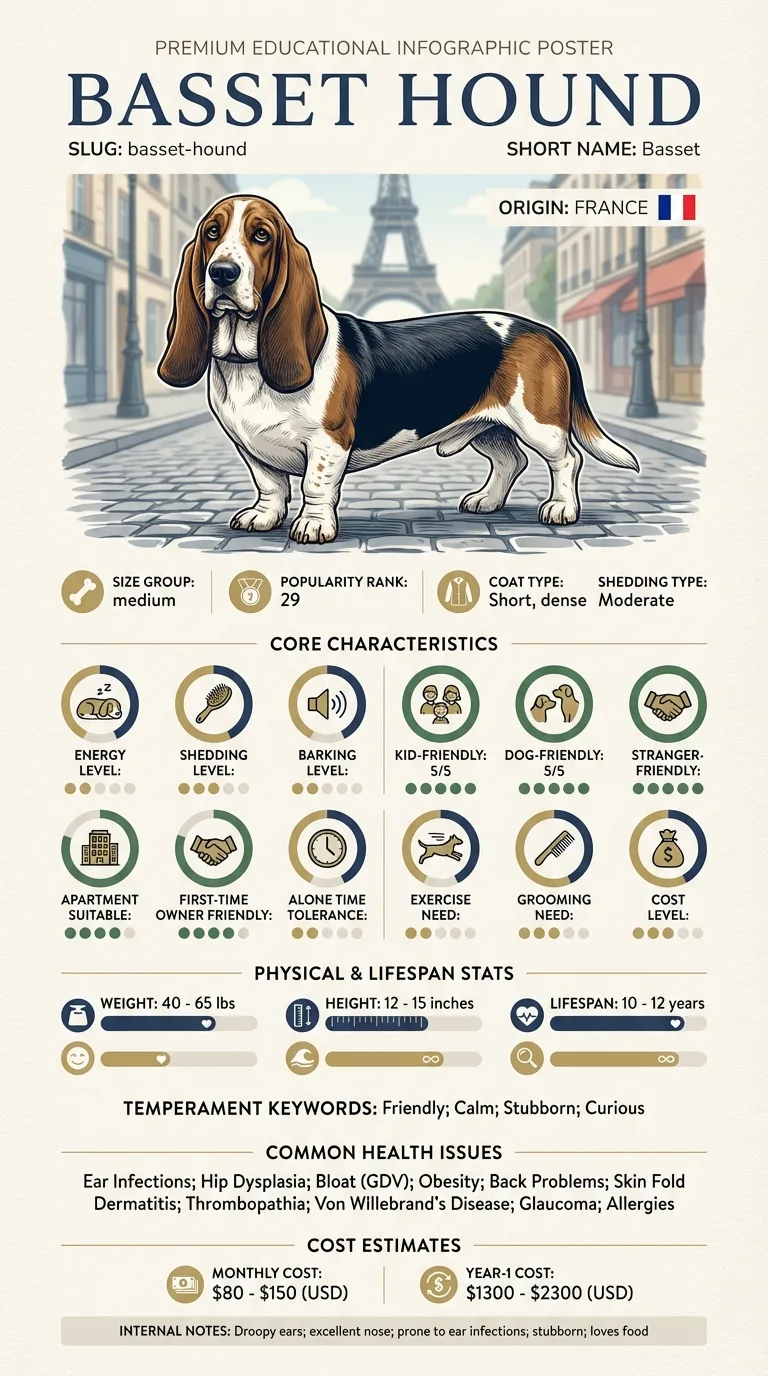
Costs can vary, but expect to spend around $1300 to $2300 in the first year for overall care, including potential surgeries or treatments related to anesthesia sensitivity.
Training
Can training help with my Basset Hound's anxiety related to anesthesia?
Yes, training can help reduce anxiety around veterinary visits. Using positive reinforcement and gradual exposure to the vet environment can make a big difference.
Health
What should I do if my Basset Hound has a bad reaction to anesthesia?
If your Basset Hound has a bad reaction, contact your vet immediately. They can provide necessary care and advice on how to manage future procedures.
Living
How can I support my Basset Hound during recovery from anesthesia?
To support your Basset Hound during recovery, create a quiet, comfortable space and monitor their behavior closely. Offer plenty of water and follow your vet's recovery guidelines.
A fuller vet-visit kit for Basset Hound Anesthesia Sensitivity
The free prep sheet covers the same-day warning signs, a symptom log and the questions to ask. We are considering a fuller kit that adds a cost worksheet for the usual tests and treatments (US price ranges with their sources) and a plain-English guide to ways of covering the bill. It is not built yet; this list tells us whether it is worth building.
One email, no spam, unsubscribe anytime. Information only, not veterinary advice.