Tackling Basset Hound Obesity: Causes and Solutions
Quick answer
What are quick tips for managing Basset Hound obesity?
Monitor their food intake and offer low-calorie treats. Increase daily exercise with fun activities like fetch or brisk walks. Regular vet check-ups will help keep their weight in check.
Basset Hound obesity is a growing concern for many owners. This weight issue can lead to serious health problems and affect your dog's quality of life.
Typically, owners of Basset Hounds who are less active or those who give in to their dog's pleading eyes during mealtime may struggle with managing their pet's weight. Additionally, busy families or first-time dog owners may find it challenging to establish a consistent feeding and exercise routine.
Important reminder
This guide is not medical advice. If your dog shows pain, sudden behavior change, or worsening symptoms, consult a licensed veterinarian.
Some links may be affiliate links. We may earn a commission at no extra cost to you. We only suggest products we believe are helpful for dog owners.
We research and check what we publish, but we do not warrant that any figure, date, price, or statement is accurate, complete, or current, and we accept no liability for any loss, cost, injury, or other harm arising from the use of this site. Use it as one reference among several. You remain responsible for your own decisions and for your dog's care - confirm anything that matters with a licensed veterinarian or another qualified professional before you act on it. Full disclaimer.
Check this first
When Basset Hound Obesity is an Emergency
Basset Hound obesity can be concerning, but knowing when it becomes an emergency is crucial. If your Basset is showing signs of severe distress or any sudden changes in behavior, it's time to call your vet. Look for symptoms like difficulty breathing, excessive lethargy, or inability to stand. These signs could indicate serious underlying health issues that require immediate attention.
On the other hand, if your Basset is just slightly overweight but still active and healthy, you can monitor their weight with a plan. Signs to watch for include a slower-than-normal pace during walks or difficulty maintaining a healthy weight. In these cases, a gradual change in diet and exercise can make a difference.
Keep in mind that every dog is unique, and what works for one Basset might not work for another. If you're uncertain about your dog's condition or how to adjust their routine, consulting your vet is always a safe option.
If any of these apply, call your vet or an emergency clinic now. The rest of this page is for the cases that are not an emergency.
What this problem looks like
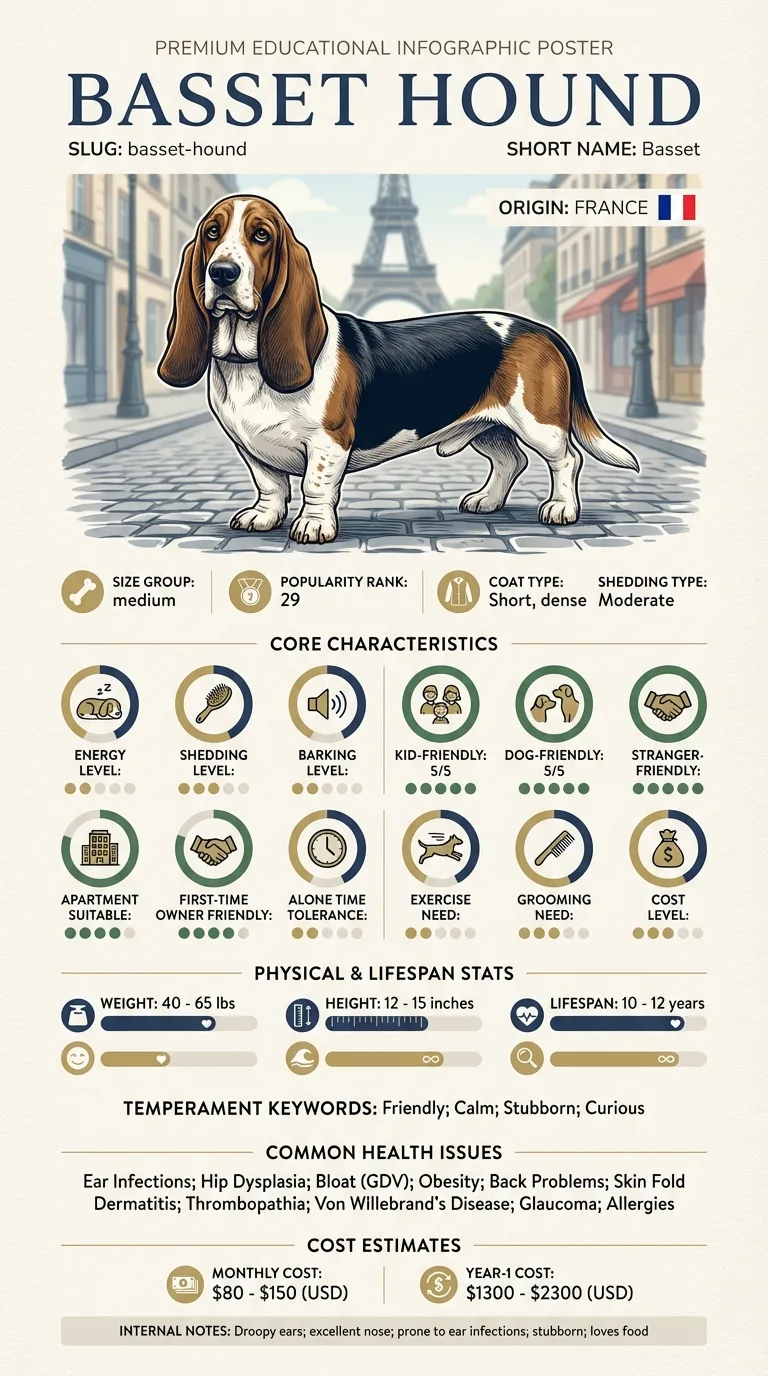
Basset Hound obesity is a pressing issue that many owners face. These lovable dogs, known for their droopy ears and friendly demeanor, can easily become overweight if their diet and exercise are not managed properly. Daily life with an obese Basset Hound may include struggles with mobility, lethargy, and a higher risk of health problems, making it crucial to address this issue early.
Common triggers
Overfeeding: Basset Hounds love food and can easily overeat if given the chance.
Lack of exercise: Their low energy levels can lead to insufficient physical activity.
Health issues: Certain health problems can contribute to weight gain and make weight loss difficult.
Obesity is fairly common among Basset Hounds, with many owners reporting weight management challenges. Due to their love of food and relatively lower exercise needs, it’s estimated that a significant percentage of Basset Hounds are overweight at some point in their lives.
Why this happens
Breed factors
Basset Hounds have a natural tendency to gain weight due to their low energy levels and love for food. Their short legs and long bodies can lead to a sluggish lifestyle if not properly managed. Additionally, their stubborn nature can make them resistant to exercise, which contributes to obesity.
Environment factors
Environmental factors play a significant role in Basset Hound obesity. A sedentary lifestyle, lack of exercise opportunities, and easy access to unhealthy treats can lead to weight gain. If they are not given proper structure, they might overeat, especially if their owners are not consistent with feeding schedules.
What you can do at home (once it is not an emergency)
When to talk to your vet
If your Basset Hound is severely overweight or if you notice sudden weight gain, it’s best to consult your vet. They can rule out any underlying health issues and help create a safe weight loss plan tailored to your dog's needs.
At home, alongside your vet's plan
Establish a regular feeding schedule. Feed your Basset Hound at the same times each day to help control portions and prevent overeating.
Increase daily exercise. Take your Basset on walks or play fetch. Aim for at least 30 minutes of activity daily to boost their metabolism.
Monitor their weight. Use a scale to track your dog's weight weekly. If you notice significant weight gain, adjust their food or activity levels accordingly.
Use puzzle toys for feeding. These toys can make mealtime more engaging and slow down eating, reducing the chances of overeating.
Mistakes that make Tackling Obesity worse
Avoiding these common pitfalls can help you manage Basset Hound obesity effectively.
Free feeding your Basset Hound: Leaving food out all day encourages overeating. Instead, establish regular feeding times with measured portions.
Ignoring exercise needs: Basset Hounds may not seem active, but they still need daily walks. Set a schedule to ensure they're getting enough activity.
Using food as a reward: While it’s tempting to reward with treats, this can add calories quickly. Opt for praise or playtime as rewards instead.
Neglecting health check-ups: Regular vet visits can catch weight issues early. Schedule check-ups to monitor their health and weight.
Overlooking diet quality: Not all dog foods are created equal. Choose high-quality food that meets their nutritional needs rather than cheaper options.
Typically, it takes about 6 to 12 months to see significant weight loss in a Basset Hound with obesity. Consistent exercise and dietary changes are crucial during this time.
Success looks like your Basset Hound losing 1-2% of their body weight weekly, becoming more active, and showing improved overall health. A slimmer dog will be more energetic and may even show a happier demeanor.
Max's Journey to a Healthier Weight
When Sarah adopted Max, her Basset Hound, he weighed 70 pounds, far above the ideal weight for his size. Sarah quickly noticed that Max struggled to keep up during walks and often seemed tired. After discussing with her vet, she learned about proper nutrition and the importance of regular exercise. Sarah started tracking Max's food intake and gradually increased his daily walks. After a few months, Max lost 10 pounds and could run around the yard with more energy. Sarah felt relieved and proud to see Max enjoying life again.
Key takeaway: With patience, consistent effort, and a solid plan, managing Basset Hound obesity is achievable. Small, steady changes can lead to lasting health improvements.
Frequently asked questions
Why does my Basset Hound have obesity?
Basset Hounds are prone to obesity due to their love for food and a relatively low energy level. Lack of exercise, overfeeding, and high-calorie treats can contribute to weight gain. It's essential to monitor their diet and activity to prevent obesity.
How can I stop Basset Hound obesity?
To tackle Basset Hound obesity, start by adjusting their diet. Switch to a high-quality, portion-controlled dog food and reduce treats. Regular exercise, such as daily walks, is also crucial for maintaining a healthy weight.
What are some signs of obesity in Basset Hounds?
Signs of obesity in Basset Hounds include difficulty in breathing, lack of energy, and an inability to feel their ribs. A noticeable belly and trouble with mobility are also key indicators. Regular vet check-ups can help assess their weight.
How much exercise does my Basset Hound need to avoid obesity?
Basset Hounds typically need about 30 minutes of moderate exercise each day. This can be split into shorter walks or playtime sessions. Consistency is key, so make exercise a part of your daily routine.
Can Basset Hound obesity lead to health problems?
Yes, obesity in Basset Hounds can lead to serious health issues such as diabetes, heart disease, and joint problems. Maintaining a healthy weight is crucial for their overall well-being. Consult your vet for tailored health advice.
Can Basset Hounds develop obesity as they age?
Yes, Basset Hounds can develop obesity as they age due to decreased activity levels and slower metabolism. It's important to adjust their diet and exercise routine to keep them healthy throughout their life.
How can I help my Basset Hound lose weight safely?
To help your Basset Hound lose weight safely, gradually reduce their food intake and increase their exercise. Always consult with your vet for a tailored weight loss plan that suits your dog's specific needs.
Is obesity in Basset Hounds linked to other health problems?
Yes, obesity in Basset Hounds can lead to various health issues such as joint problems, diabetes, and heart disease. Maintaining a healthy weight is crucial for their overall well-being.
What should I do if my Basset Hound is overweight and resistant to exercise?
If your Basset Hound is overweight and resistant to exercise, start with short walks and gradually increase their activity. Incorporating playtime with engaging toys can also motivate them to move more.
What are quick tips for managing Basset Hound obesity?
Monitor their food intake and offer low-calorie treats. Increase daily exercise with fun activities like fetch or brisk walks. Regular vet check-ups will help keep their weight in check.
Training
How can I make exercise enjoyable for my Basset Hound?
Incorporate games like hide and seek or use puzzle toys to stimulate their mind. Joining a dog park can also encourage play with other dogs, making exercise more fun.
Living
Is Basset Hound obesity common?
Yes, Basset Hounds are one of the breeds more prone to obesity due to their love for food and lower exercise needs. Awareness and prevention are vital.
Health
What should I feed my Basset Hound to prevent obesity?
Choose a balanced, high-quality dog food with appropriate portions. Avoid high-calorie treats and consider healthier alternatives like carrots or green beans.
The free prep sheet covers the same-day warning signs, a symptom log and the questions to ask. We are considering a fuller kit that adds a cost worksheet for the usual tests and treatments (US price ranges with their sources) and a plain-English guide to ways of covering the bill. It is not built yet; this list tells us whether it is worth building.
One email, no spam, unsubscribe anytime. Information only, not veterinary advice.