Behavior
What are quick tips for managing Basset Hound gastrointestinal disorders?
Feed high-quality, easily digestible food and maintain a consistent feeding schedule. Monitor their stress levels and avoid sudden diet changes.

Quick answer
What are quick tips for managing Basset Hound gastrointestinal disorders?
Feed high-quality, easily digestible food and maintain a consistent feeding schedule. Monitor their stress levels and avoid sudden diet changes.
Basset Hound gastrointestinal disorders can be challenging for both dogs and their owners. These issues can lead to discomfort and health complications if not addressed.
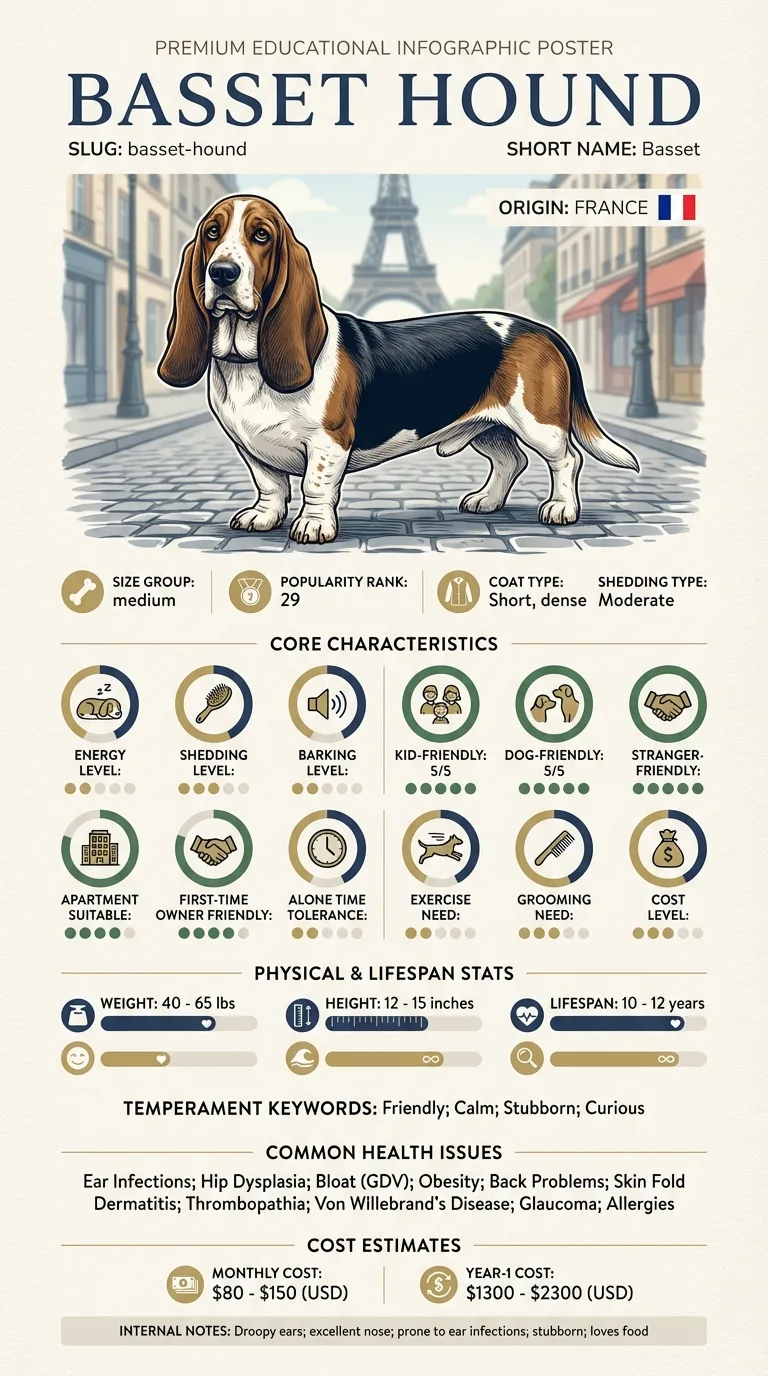
Owners of Basset Hounds, especially first-time dog parents or those with busy lifestyles, may struggle to recognize and address these gastrointestinal issues promptly.
This guide is not medical advice. If your dog shows pain, sudden behavior change, or worsening symptoms, consult a licensed veterinarian.
Some links may be affiliate links. We may earn a commission at no extra cost to you. We only suggest products we believe are helpful for dog owners.
We research and check what we publish, but we do not warrant that any figure, date, price, or statement is accurate, complete, or current, and we accept no liability for any loss, cost, injury, or other harm arising from the use of this site. Use it as one reference among several. You remain responsible for your own decisions and for your dog's care - confirm anything that matters with a licensed veterinarian or another qualified professional before you act on it. Full disclaimer.
Check this first
Recognizing when your Basset Hound's gastrointestinal disorders require immediate veterinary attention is crucial. Certain red flags indicate that you should call your vet now. Signs such as vomiting blood, severe abdominal pain, bloating, or lethargy are serious and warrant urgent care. If your dog is unable to keep food or water down for more than 24 hours, or if they have diarrhea that lasts several days, these are also emergencies.
If any of these apply, call your vet or an emergency clinic now. The rest of this page is for the cases that are not an emergency.
Basset Hound gastrointestinal disorders can lead to daily discomfort for your pup. Common symptoms include vomiting, diarrhea, and bloating, which can make mealtime stressful. These issues can arise from their love of food and a tendency to overeat, along with their sensitive stomachs.
Gastrointestinal disorders are fairly common among Basset Hounds due to their unique anatomy and dietary habits. Many owners report issues at some point in their dog's life, making it essential to stay vigilant and proactive.
Basset Hounds are known for their unique physical structure, which can contribute to gastrointestinal disorders. Their long bodies and short legs may lead to issues like bloat or acid reflux. Additionally, their food-loving nature can result in overeating, further complicating digestive health.
Environmental factors like diet, stress, and sudden changes in routine can also trigger gastrointestinal problems in Basset Hounds. A sudden switch in dog food or feeding habits can upset their stomach. Stress from loud noises or changes in the household may also lead to digestive distress.
Consult a veterinarian if your Basset Hound exhibits severe symptoms like vomiting, diarrhea, or lethargy. If dietary changes don’t improve their condition, a vet can rule out any serious underlying health issues.
Avoiding these common mistakes can help improve your Basset Hound's gastrointestinal disorders.
Start here: Basset Hound Most Common Genetic Disorders: Screening
See all Basset Hound health problems, which breeds are prone to gastrointestinal disorders, or the full Basset Hound breed guide for temperament, exercise needs and ownership costs.
You can expect improvements in your Basset Hound's gastrointestinal issues within 4 to 6 weeks after implementing dietary changes and care.
Success means your Basset Hound will have more regular bowel movements, reduced vomiting, and overall improved energy and mood.
In less severe cases, you can monitor your Basset Hound at home. Mild symptoms like occasional vomiting or diarrhea, especially after a dietary change, can often be managed with a bland diet and close observation. Keep an eye on their behavior, appetite, and hydration levels. If these symptoms don't improve within a day or two, it’s time to consult your vet. Always have a plan in place for emergencies, but many cases can be handled without immediate vet visits.

Jake, a busy teacher, was worried about his Basset Hound, Bella. She frequently experienced gastrointestinal disorders, leading to vomiting and lethargy. After consulting with a vet, Jake learned that Bella needed a special diet and a consistent feeding schedule. He gradually transitioned her to a high-quality, low-fat diet and implemented a strict feeding routine. Within a month, Bella showed significant improvement and was back to her playful self. Jake felt relieved and proud of his commitment to Bella's health.
Key takeaway: With the right diet and routine, managing Basset Hound gastrointestinal disorders can lead to a happier, healthier pup.
Basset Hounds can suffer from gastrointestinal disorders due to various factors, including diet, genetics, and stress. Common issues include inflammatory bowel disease and acid reflux. Keeping track of your dog's eating habits and stress levels can help identify triggers.
To manage Basset Hound gastrointestinal disorders, start by improving their diet. Consider high-quality, easily digestible food and avoid sudden changes to their diet. Regular vet check-ups are crucial for monitoring their health.
Signs of gastrointestinal disorders in Basset Hounds include vomiting, diarrhea, loss of appetite, and weight loss. If your dog shows these symptoms, it's important to consult a vet to diagnose the issue. Early intervention can prevent serious health problems.
Yes, stress can significantly impact a Basset Hound's digestive health. Situations like moving, loud noises, or changes in routine can trigger gastrointestinal disorders. Creating a stable environment can help reduce their stress levels.
Training your Basset Hound to eat slowly can help prevent gastrointestinal issues. Using slow feeder bowls or teaching them to wait for a command before eating can reduce the risk of bloat and other digestive problems. Consistent feeding schedules also support their digestive health.
If your Basset Hound shows persistent vomiting, diarrhea, or significant changes in appetite or weight, you should consult a vet. Quick intervention can lead to better outcomes, especially if the symptoms persist for more than 24 hours.
Common symptoms include vomiting, diarrhea, loss of appetite, and weight loss. If your Basset Hound shows any of these signs, it's important to consult your veterinarian for an accurate diagnosis.
Older Basset Hounds may require a special diet that is easier on their digestive systems. Consult your vet for tailored dietary recommendations and consider smaller, more frequent meals to aid digestion.
Repeated gastrointestinal issues can be due to food intolerances, allergies, or underlying health conditions. A vet visit is crucial to identify the root cause and develop an appropriate treatment plan.
Maintaining a consistent diet and avoiding sudden food changes can help prevent gastrointestinal issues. Regular exercise and monitoring your dog's weight are also beneficial for overall digestive health.
You should see a vet if your Basset Hound experiences persistent vomiting or diarrhea lasting more than 24 hours, shows signs of pain, or has blood in their stool. Timely veterinary care can prevent serious complications.
Feed high-quality, easily digestible food and maintain a consistent feeding schedule. Monitor their stress levels and avoid sudden diet changes.
Look for ongoing symptoms like vomiting, diarrhea, or significant weight loss. If symptoms persist for over 24 hours, consult your vet.
Yes, foods that are low in fat and high in fiber can aid digestion. Consult your vet for specific dietary recommendations.
Yes, regular exercise can promote healthy digestion and reduce stress. Aim for moderate daily activity suited to your Basset's energy level.
A one-page prep sheet for this condition: the signs, the questions to ask, what to get priced. Unlocks here.
You get: Vet visit prep sheet
No spam. One-click unsubscribe. See our privacy policy.
See a sample page before you decide.
Early access list
The free prep sheet covers the same-day warning signs, a symptom log and the questions to ask. We are considering a fuller kit that adds a cost worksheet for the usual tests and treatments (US price ranges with their sources) and a plain-English guide to ways of covering the bill. It is not built yet; this list tells us whether it is worth building.
One email, no spam, unsubscribe anytime. Information only, not veterinary advice.