DogBreedCompass

Pit Bull or Chow Chow: A Coat You Cannot Shave in a Dog That Overheats

The Chow Chow carries a 5/5 grooming rating, sheds at 4/5, is explicitly heat-sensitive — and must never be clipped. Those four facts together define most of what living with one involves.

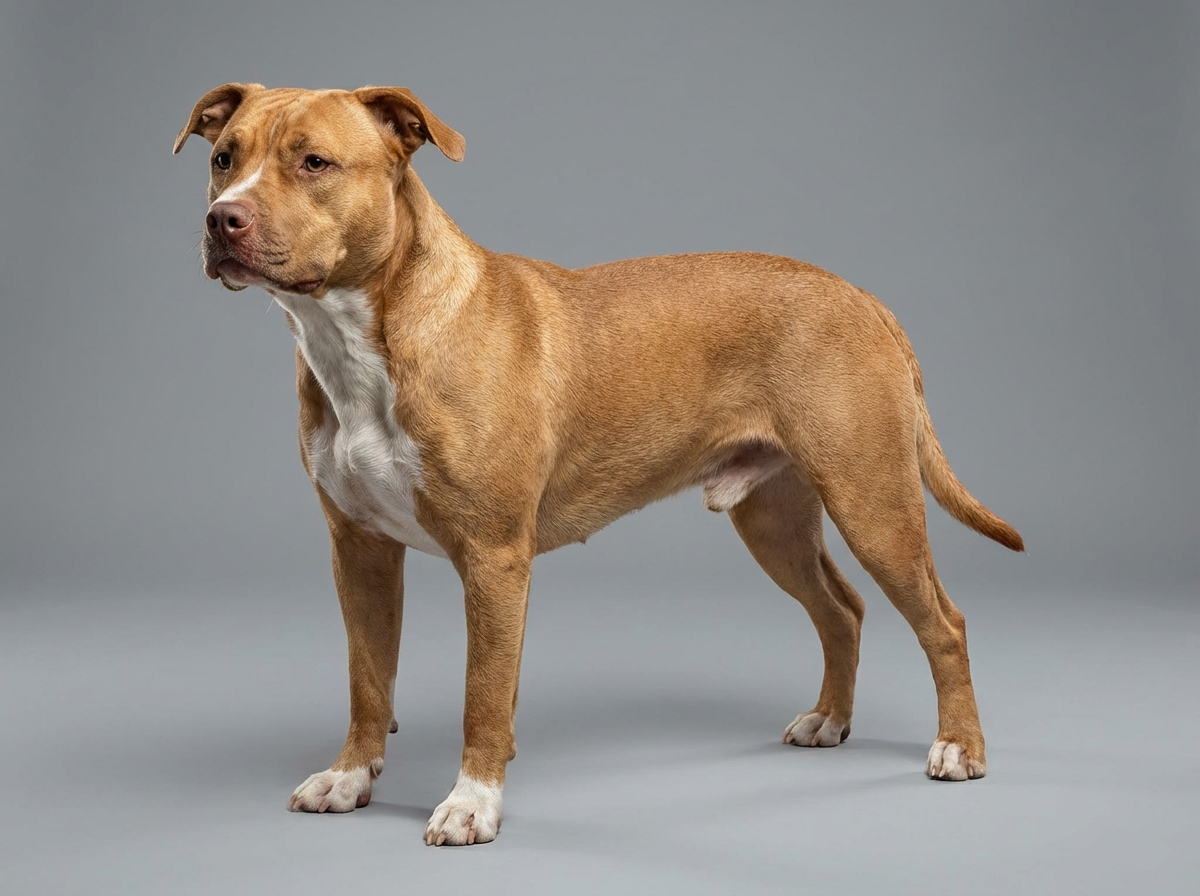
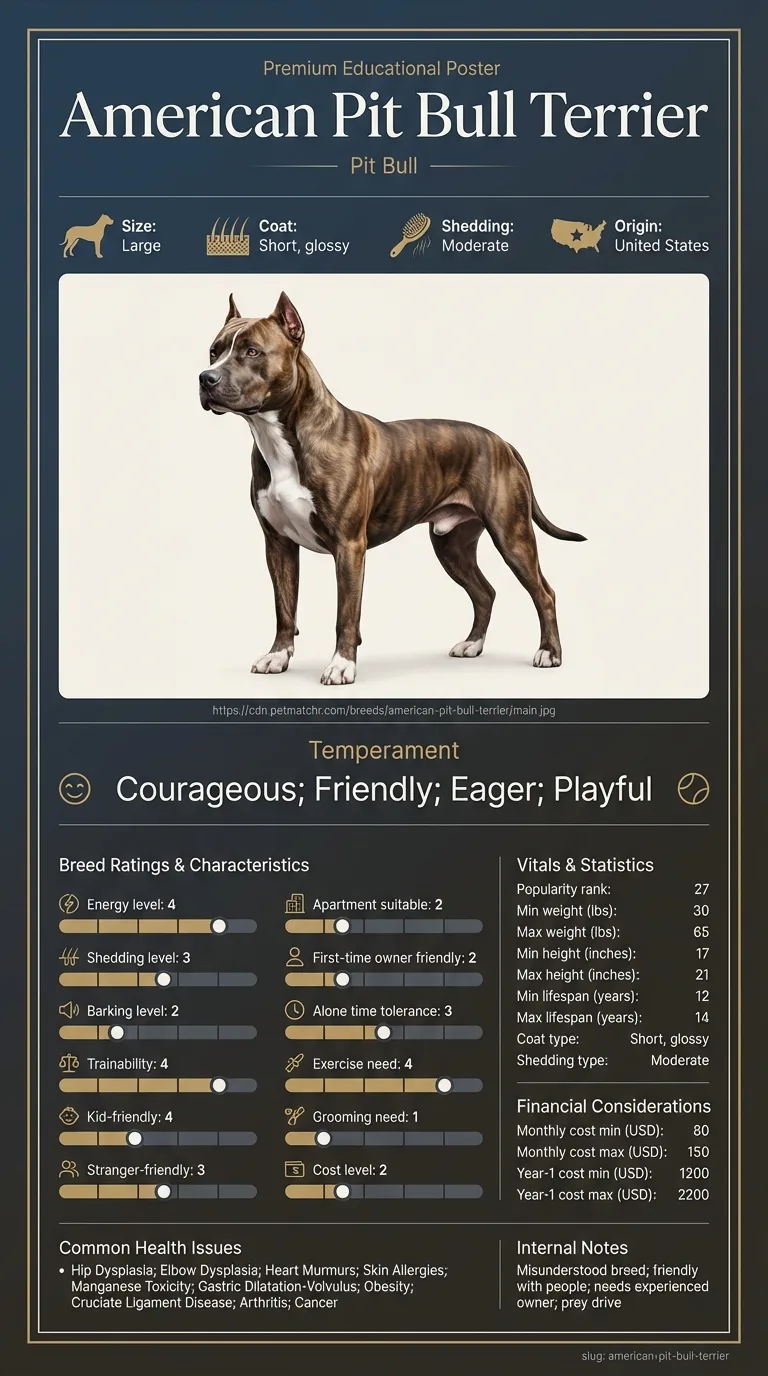
american pit bull terrier infographic
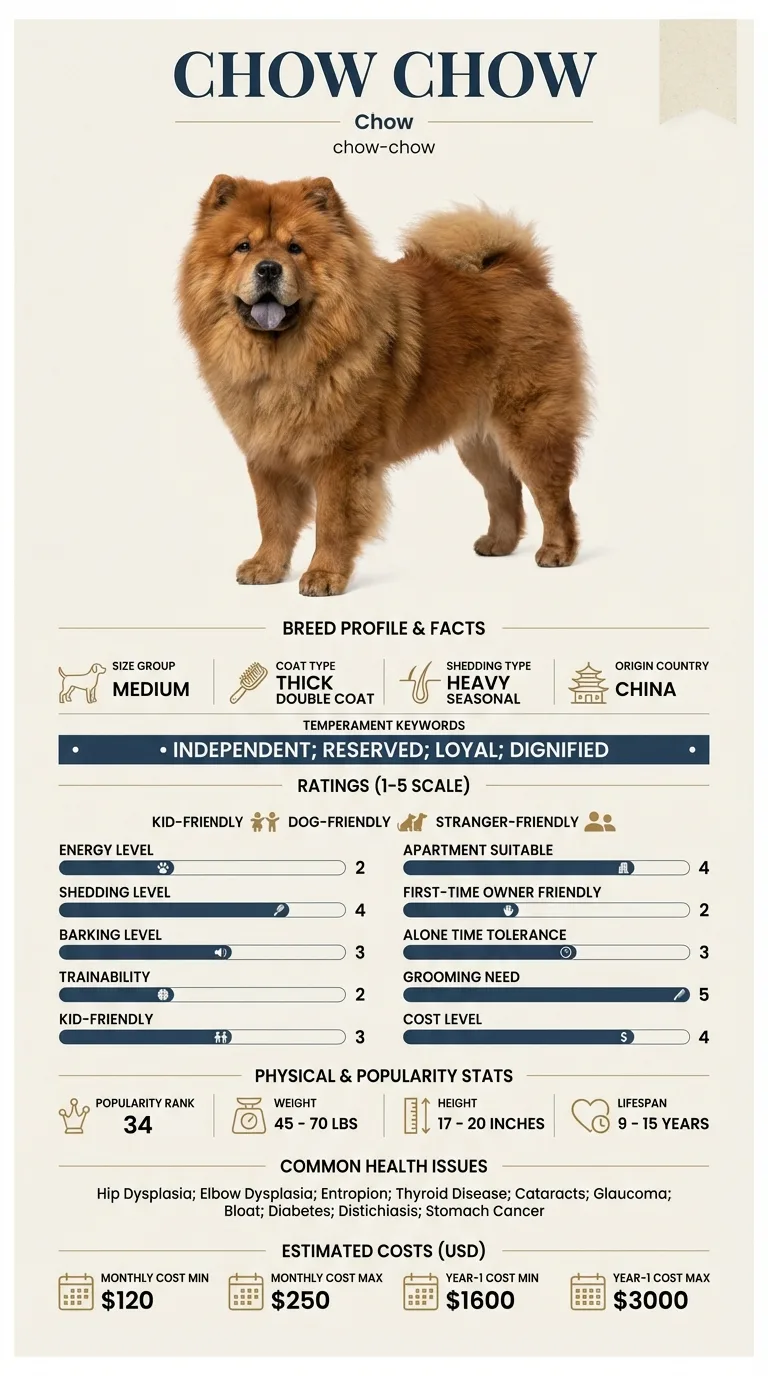
chow chow infographic

This page is for someone drawn to a striking, quiet, independent breed and needing to know what its coat and its eyes actually demand across a decade.

Quick verdict

The Chow asks for very little exercise and a great deal of coat work, and its eyes need watching in a way the Pit Bull's never will.

Choose american pit bull terrier if...

Choose the American Pit Bull Terrier if you want an athletic dog with essentially no grooming, warm with people and cheap to run, and you can supply an hour a day and manage introductions to other dogs.

Choose chow chow if...

Choose the Chow Chow if you want a calm, quiet, self-contained dog that needs only two short walks a day, and you will rake a heavy double coat two or three times a week for its whole life.

Head-to-head comparison

Featureamerican pit bull terrierchow chowWinner
Weight30–65 lbs45–70 lbsEqual
Height17–21 in17–20 inEqual
Lifespan12–14 years9–15 yearsEqual
CoatShort, glossyThick double coatamerican pit bull terrier
Grooming need1/55/5american pit bull terrier
Shedding3/5 — moderate4/5 — heavy seasonalamerican pit bull terrier
Energy level4/52/5chow chow
Exercise need4/52/5chow chow
Trainability4/52/5american pit bull terrier
Barking2/53/5american pit bull terrier
Good with kids4/53/5american pit bull terrier
Good with other dogs2/52/5Equal
Friendly to strangers3/52/5american pit bull terrier
Apartment suitability2/54/5chow chow
Good for first-time owners2/52/5Equal
Tolerates being alone3/53/5Equal
Typical monthly cost$80–150$120–250american pit bull terrier
Typical first-year cost$1,200–2,200$1,600–3,000american pit bull terrier

Deep dive

A 5/5 coat with a hard rule attached

The Chow's grooming rating is one of the highest on this site, and unlike the non-shedding breeds that share that score, its coat sheds heavily as well — 4/5, with dramatic seasonal blows.

The structure is a dense woolly undercoat beneath a long harsh outer coat, and in the rough variety the ruff around the neck and shoulders is substantial enough to be a grooming project on its own. The undercoat releases steadily and then wholesale twice a year over two or three weeks, during which a Chow can fill a bin liner.

The work is an undercoat rake and a slicker taken to the skin in sections, two or three times a week, and daily during a blow. The places that mat first are the ruff, behind the ears, the britches and the feathering on the legs and tail, and a mat on a double coat traps damp against the skin and becomes a hot spot.

The rule that catches people out is the prohibition on shaving. A double coat insulates in both directions and protects the skin from sun; removing it does not cool the dog, and regrowth after a shave is frequently patchy and permanently altered in texture. Trimming feet, sanitary areas and ear edges is fine. Taking the body coat off is not.

That rule collides directly with the breed's heat sensitivity, which its own notes flag. A heavy northern-style coat on a dog that is already poor at shedding heat means summer exercise moves to the cool ends of the day for several months, with shade and indoor cooling in between. Raking the dead undercoat out properly is the legitimate way to help; clipping is not.

The Pit Bull's 1/5 is the other end of the scale entirely: a rubber curry mitt once a week and a bath when needed, with 3/5 moderate shedding. Its own limitation runs the other way — a thin coat means it feels cold quickly and pale skin can burn.

Entropion, distichiasis and glaucoma: an eye-heavy list

Three of the ten entries on the Chow's health list are eye conditions, and they are related to the same heavily furnished, deep-set face.

Entropion is an eyelid rolling inward so that lashes and hair rub the cornea. In a Chow the deep-set eyes and the weight of facial coat make it more likely, and it typically shows in the first year or two as persistent squinting, weeping or rubbing at one eye. Left alone it causes ongoing corneal damage. Correction is surgical and usually straightforward.

Distichiasis is the one most owners have never heard of. Extra eyelashes grow from the meibomian glands along the eyelid margin — a place lashes should not grow at all — and point inward toward the eye. Some dogs tolerate them with no visible problem; others develop chronic irritation, tearing and corneal ulcers. It is diagnosed by a vet examining the lid margin closely, and treatment options range from plucking to cryotherapy or electrolysis for the follicles.

The practical consequence of both is the same: a Chow that squints, weeps, holds an eye closed or paws at its face is not being dramatic, and the problem is usually mechanical rather than infectious.

Glaucoma is the third and the urgent one. Raised pressure inside the eye is painful and can destroy vision within a day or two in its acute form. The signs are a suddenly painful eye, a cloudy or bluish cornea, redness, a dilated pupil that does not respond, and a subdued dog rubbing at its face. That combination is a same-day emergency.

Cataracts complete the eye group, and eye certification of breeding stock is a fair thing to ask a breeder about.

The rest of the list runs hip and elbow dysplasia, thyroid disease, bloat, diabetes and stomach cancer. The Pit Bull's list is orthopaedic and dermatological by comparison, with cataracts the only shared eye entry.

Aloof by design, and what that requires

The Chow's temperament keywords are independent, reserved, loyal and dignified, and its own notes describe it as aloof and not ideal with children. Those are accurate descriptions rather than warnings, and they suit some households well.

A Chow is devoted to its own family in an undemonstrative way and largely indifferent to everyone else. It does not seek attention from visitors, it dislikes being handled by strangers, and it will remove itself from a situation it does not want to be in. At 2/5 with strangers it is a guardian by history and still watches rather than greets.

Without deliberate socialisation, that reserve drifts toward suspicion, and a 60 pound reserved dog that has decided a visitor is a problem is a serious matter. Structured, positive exposure through the first two years is not optional in this breed, and it should include being handled — a Chow that has not learned to accept a vet's hands is a difficult patient for the next decade.

The 3/5 with children reflects a low tolerance for being fussed over rather than any hostility toward a family's own. It suits households with older children who will leave the dog alone.

The 2/5 trainability is genuine independence. Chows consider instructions and often decline, and they respond poorly to pressure — force produces obstinacy, not compliance. Short, well-paid, consistent sessions work.

With other dogs both breeds rate 2/5, and the management is similar: no dog parks, careful neutral-ground introductions, no on-lead greetings with unknown dogs.

One factual note owners often want: the blue-black tongue is a normal, harmless breed characteristic present from a few weeks old, not a sign of anything. Puppies are born with pink tongues that darken.

The Pit Bull's 3/5 with strangers, 4/5 with children and 4/5 trainability make it markedly easier with people and much easier to train reliable behaviour on.

Cost level 4/5 against 2/5, and a wide lifespan

The Chow runs $120–250 a month at cost level 4/5, with a first year of $1,600–3,000. The Pit Bull is $80–150 at 2/5, with $1,200–2,200.

Some of the Chow's premium is professional grooming, which many owners eventually use for the seasonal blows even if they rake at home the rest of the year. The rest is medical: eye surgery where entropion or distichiasis needs it, glaucoma treatment, lifelong thyroid medication where thyroid disease is diagnosed, and orthopaedic care. Diabetes and stomach cancer sit on the list too, and both are expensive when they occur.

Bloat is the acute risk. Split meals, quiet time around eating, a slow-feeder bowl for a fast eater, and knowing the out-of-hours route in advance.

One further cost that is not a bill: handling. A dog that dislikes being touched by strangers and needs regular grooming, ear checks and eye examinations is a dog that must be taught to accept all of it. Chows that have not had that training end up sedated for routine procedures, which is both expensive and avoidable.

Lifespan is unusually wide at 9 to 15 years against the Pit Bull's 12 to 14, and the spread reflects how much variation the breed carries. Weight, joint care and whether the eyes and thyroid are managed early all move the number.

The honest summary is that the Chow trades exercise for maintenance. An owner who cannot face an hour of walking a day but is happy to spend twenty minutes with a rake three times a week, and who wants a quiet, dignified, undemanding presence in the house, may find it an excellent match. An owner who wants a dog to do things with, or who is hoping to shave the coat in July, should look elsewhere.

And as with any bully-type dog, the Pit Bull's paperwork — tenancy rules and insurance exclusions — should be checked in writing before committing.

The practical week with each dog

The Chow's 2/5 exercise rating is real. Two moderate walks totalling around forty-five minutes suits an adult, and it is not a running, hiking or dog-sport breed — the straight-hocked rear that gives the Chow its distinctive stilted gait is not built for sustained impact, and hip and elbow dysplasia both sit on its list.

What it needs instead is consistency and calm. Chows settle for long periods, tolerate a working day at 3/5, and are quiet enough at 3/5 barking to suit a flat, which is why the apartment rating is 4/5 despite the size.

The daily commitment is the coat and the face: raking two or three times a week, ear checks, and a look at both eyes. Twenty minutes a week of attention prevents most of the breed's routine problems.

The Pit Bull's week is the reverse. An hour to ninety minutes of activity daily — a brisk walk plus a flirt pole, tug, weight pull or training session — and about five minutes of coat care a week. It settles hard once the work is done and is quiet at 2/5.

Both rate 2/5 for first-time owners and both are 2/5 with other dogs, so the shortlist is not an easy-versus-hard choice. It is a question of where the difficulty sits: maintenance and reserve for the Chow, activity and management for the Pit Bull.

One last consideration for warm climates. The Chow's heat sensitivity is not a mild preference — a heavy double coat on a dog that cannot be clipped means several months of dawn and dusk routines and indoor cooling. If your summers are long and hot, that is a substantial change to how you live, and it is worth being honest about before the puppy arrives.

American Pit Bull Terrier vs Chow Chow at a glance

The Chow Chow carries a 5/5 grooming rating, sheds at 4/5, is explicitly heat-sensitive, and must never be clipped. Those facts together define most of what living with the breed actually involves.

The Chow asks for very little exercise compared to the Pit Bull and a great deal of coat work instead, and its eyes need regular watching in a way the Pit Bull's never will.

Choose the American Pit Bull Terrier if you want an athletic dog with essentially no grooming, warm with people and cheap to run, and you can supply an hour a day and manage introductions to other dogs. Choose the Chow Chow if you want a calm, quiet, self-contained dog that needs only two short walks a day, and you will rake a heavy double coat two or three times a week for its whole life.

Frequently asked questions

Can I shave a Chow Chow in summer?

No. The double coat insulates in both directions and protects the skin from sun, and regrowth after a shave is frequently patchy and permanently altered. Rake the dead undercoat out instead and move walks to the cool ends of the day.

How much grooming does a Chow really need?

It rates 5/5 — an undercoat rake and slicker taken to the skin two or three times a week, and daily during the two seasonal blows. The ruff, behind the ears, the britches and the feathering mat first.

What is distichiasis?

Extra eyelashes growing from the glands along the eyelid margin and pointing toward the eye. Some dogs tolerate them; others develop chronic irritation and corneal ulcers. Treatment ranges from plucking to cryotherapy or electrolysis.

Is the blue-black tongue a health problem?

No. It is a normal breed characteristic. Puppies are born with pink tongues that darken within the first few weeks, and the pigment has no medical significance.

Which is better with children?

The Pit Bull at 4/5 against 3/5. The Chow's score reflects a low tolerance for being fussed over rather than hostility, and the breed suits households with older children who will leave it alone.

Which eye signs are urgent in a Chow?

A suddenly painful, cloudy or red eye with a dilated pupil is a glaucoma emergency — vision can be lost within a day or two. Persistent squinting or weeping is usually mechanical, from entropion or distichiasis, and needs assessment rather than drops.

Which is cheaper to keep?

The Pit Bull at $80–150 a month against $120–250, at cost level 2/5 against 4/5. The Chow's premium is grooming plus eye, thyroid and orthopaedic care.

Quick answers

View more answers
Living

Pit Bull or Chow Chow: which should I choose?

The Chow if you want a quiet, dignified, low-exercise dog and will commit to raking a heavy coat for its whole life. The Pit Bull if you want an athletic, low-maintenance dog and can supply an hour a day.

Costs

Which costs more to keep?

The Chow Chow at $120–250 a month against $80–150, at cost level 4/5 against 2/5. Grooming and eye care account for most of the difference.

Health

What should I ask a Chow breeder?

About eye certification and any history of entropion or distichiasis needing surgery, plus hip and elbow scores and any thyroid disease in the line.

Living

How much exercise does a Chow need?

Two moderate walks totalling around forty-five minutes, on a 2/5 rating. It is not built for running or sustained impact, and summer walks belong at the cool ends of the day.

Related DogBreedCompass guides

  • American Pit Bull Terrier breed guideThe Pit Bull profile covers temperament, exercise and the practical realities of ownership.
  • Chow Chow breed guideThe Chow profile covers coat maintenance, heat sensitivity and the breed's reserved temperament.
  • common genetic disorders in Chow ChowsThe breed's inherited risks are unusually eye-heavy and worth reading as a set.
  • cataracts in Pit Bull TerriersCataracts are the one eye condition shared by both breeds and are picked up by certification.
  • bloat in Pit Bull TerriersBloat sits on both lists and both dogs benefit from split meals and a known emergency route.
  • American Pit Bull Terrier vs Chinese Shar-PeiThe other aloof Chinese breed on this site shares several ratings and a very different coat.

Related guides

Important reminder

Health information here is general and is not veterinary advice. Eye emergencies, surgery and screening should be discussed with your own veterinarian.

Some links on this site are affiliate links. We may earn a commission if you buy through them, at no additional cost to you.

Find Your Perfect Breed

Match your lifestyle to the right dog.

Take quiz

Find your match

Not sure which breed is right for you? Take our 2-minute quiz to find out.

Take the quiz