Behavior
What are quick tips for American Pit Bull Terrier pregnancy complications?
Monitor your dog's health closely and consult your vet regularly. Ensure she has a balanced diet and a quiet, comfortable space during her pregnancy.

Quick answer
What are quick tips for American Pit Bull Terrier pregnancy complications?
Monitor your dog's health closely and consult your vet regularly. Ensure she has a balanced diet and a quiet, comfortable space during her pregnancy.
Pregnancy complications in American Pit Bull Terriers can pose significant risks for both the mother and her puppies. It's crucial to be informed and prepared.
First-time dog owners, especially those unfamiliar with the breed's needs, often find themselves overwhelmed when facing pregnancy complications. Additionally, experienced owners may struggle if they haven't encountered these issues before.
This guide is not medical advice. If your dog shows pain, sudden behavior change, or worsening symptoms, consult a licensed veterinarian.
Some links may be affiliate links. We may earn a commission at no extra cost to you. We only suggest products we believe are helpful for dog owners.
We research and check what we publish, but we do not warrant that any figure, date, price, or statement is accurate, complete, or current, and we accept no liability for any loss, cost, injury, or other harm arising from the use of this site. Use it as one reference among several. You remain responsible for your own decisions and for your dog's care - confirm anything that matters with a licensed veterinarian or another qualified professional before you act on it. Full disclaimer.
Check this first
Pregnancy complications in your American Pit Bull Terrier can be serious. Recognizing when to act quickly can save your dog's life and her puppies. Here’s what to watch for and when to call your vet immediately.
If any of these apply, call your vet or an emergency clinic now. The rest of this page is for the cases that are not an emergency.
American Pit Bull Terrier pregnancy complications can be quite challenging for both the dog and the owner. These complications may include issues like hormonal imbalances, infections, or difficulties during delivery. Daily signs may involve restlessness, unusual behavior, or distress, which can be alarming for owners.
Pregnancy complications are a significant concern for American Pit Bull Terriers, with studies suggesting they may be at a 419% higher risk than other breeds. Many owners encounter these issues, especially if they are not well-versed in canine reproductive health.
American Pit Bull Terriers may experience pregnancy complications due to genetic predispositions. Some common issues include hip dysplasia and heart murmurs, which can affect a dog's overall health during pregnancy. Additionally, their strong prey drive might lead to stress if not managed properly, impacting pregnancy.
Environmental factors can also play a role in pregnancy complications for American Pit Bull Terriers. Stressful situations, such as loud noises or chaotic households, can be detrimental. Poor nutrition or lack of proper prenatal care can further exacerbate these issues, leading to complications.
If you notice any unusual symptoms, such as excessive vomiting, lethargy, or unusual discharge, contact your vet immediately. It's crucial to address any health concerns promptly to ensure the safety of both the mother and her puppies.
Avoid these common mistakes to help your American Pit Bull Terrier during pregnancy complications.
Start here: American Pit Bull Terrier Most Common Genetic Disorders
See all American PIT Bull Terrier health problems, which breeds are prone to pregnancy complications, or the full American PIT Bull Terrier breed guide for temperament, exercise needs and ownership costs.
Expect to manage American Pit Bull Terrier pregnancy complications over a period of 2 to 4 weeks. This includes monitoring the health of the mother and her puppies closely.
Success means having a healthy delivery with minimal complications. It also includes ensuring the mother recovers well and that the puppies are thriving.
If you notice any of the following signs, it’s crucial to seek veterinary help right away: - Excessive bleeding during or after whelping - Severe abdominal pain or swelling - Signs of distress like panting, whining, or pacing - Unusual discharge or foul-smelling fluid - Rapid heart rate or difficulty breathing - Seizures or loss of consciousness These symptoms indicate serious issues that could threaten your dog’s health.

Some pregnancy complications in American Pit Bull Terriers can be monitored with a plan. Look out for these mild signs: - Slight lethargy or fatigue - Occasional vomiting or diarrhea - Mild changes in appetite - Slightly increased nesting behavior If these symptoms are present, keep a close eye on your dog. If they worsen or persist, contact your vet.

When Sarah, a first-time dog owner, noticed her American Pit Bull Terrier Bella acting unusually restless, she realized something was off. After a vet visit, she learned Bella was pregnant but facing complications. With guidance from her veterinarian, Sarah followed a strict care regimen, including a balanced diet and regular check-ups. After a tense few weeks, Bella successfully delivered three healthy puppies, and Sarah felt immense relief and pride in her dedication.
Key takeaway: Understanding your dog's pregnancy complications is crucial. Regular vet visits and attentive care can make all the difference in ensuring a safe delivery.
Signs of pregnancy complications can include excessive vomiting, lethargy, or a sudden change in appetite. If your Pit Bull is experiencing abnormal discharge or seems in pain, it’s crucial to consult your veterinarian promptly.
To prevent complications, ensure your dog receives proper prenatal care, including a balanced diet and regular vet check-ups. Keeping her stress levels low and providing a safe environment are also crucial.
While training won't directly prevent pregnancy complications, it can help manage your dog's behavior. Training can create a calmer environment, which may reduce stress during pregnancy.
Ensure your Pit Bull has a comfortable, quiet space to rest and eat a balanced diet rich in nutrients. Regular vet check-ups are important for monitoring her health and the developing puppies.
If you notice any concerning symptoms, such as severe swelling, difficulty breathing, or unusual behavior, seek veterinary care immediately. It's always better to err on the side of caution during pregnancy.
While training doesn’t directly prevent complications, it can help manage your dog's stress and anxiety. A calm and well-adjusted dog is less likely to encounter issues during pregnancy, so consider incorporating relaxation techniques.
If your dog has previously faced pregnancy complications, discuss this history with your vet before breeding. They can provide tailored advice and may recommend additional monitoring during her pregnancy.
Monitor your dog's health closely and consult your vet regularly. Ensure she has a balanced diet and a quiet, comfortable space during her pregnancy.
Provide her with plenty of water, nutritious food, and a calm environment. Limit stressful activities to help her feel secure.
Look for signs like excessive vomiting, lethargy, or unusual discharge. If you see these symptoms, contact your vet immediately.
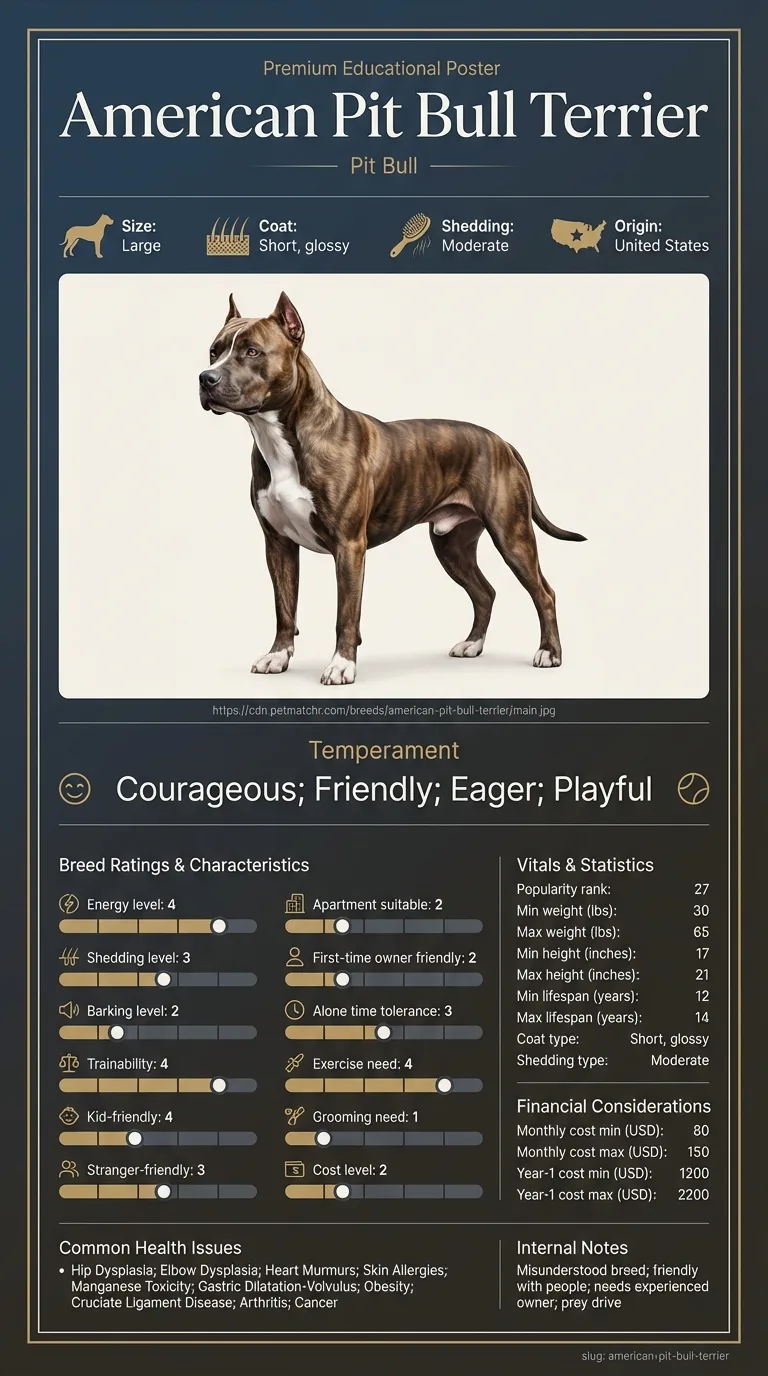
Expect to spend between $80 to $150 monthly on veterinary care, food, and supplies during pregnancy, plus potential additional costs for complications.
A one-page prep sheet for this condition: the signs, the questions to ask, what to get priced. Unlocks here.
You get: Vet visit prep sheet
No spam. One-click unsubscribe. See our privacy policy.
See a sample page before you decide.
Early access list
The free prep sheet covers the same-day warning signs, a symptom log and the questions to ask. We are considering a fuller kit that adds a cost worksheet for the usual tests and treatments (US price ranges with their sources) and a plain-English guide to ways of covering the bill. It is not built yet; this list tells us whether it is worth building.
One email, no spam, unsubscribe anytime. Information only, not veterinary advice.