Health
Is EIC a real risk for Weimaraners?
No, the confirmed genetic mutation is documented in Labrador Retrievers and related breeds, not Weimaraners.

Quick answer
Is EIC a real risk for Weimaraners?
No, the confirmed genetic mutation is documented in Labrador Retrievers and related breeds, not Weimaraners.
A Weimaraner that suddenly wobbles, loses coordination in the back end, or collapses mid-run is showing something that needs a vet's attention, but it's worth knowing upfront that the well-known 'EIC' genetic test used in Labradors isn't the likely explanation for this breed.

This affects owners of highly active Weimaraners who have witnessed a collapse or near-collapse during intense exercise and want to understand what's actually likely going on.
This guide is not medical advice. If your dog shows pain, sudden behavior change, or worsening symptoms, consult a licensed veterinarian.
Some links may be affiliate links. We may earn a commission at no extra cost to you. We only suggest products we believe are helpful for dog owners.
We research and check what we publish, but we do not warrant that any figure, date, price, or statement is accurate, complete, or current, and we accept no liability for any loss, cost, injury, or other harm arising from the use of this site. Use it as one reference among several. You remain responsible for your own decisions and for your dog's care - confirm anything that matters with a licensed veterinarian or another qualified professional before you act on it. Full disclaimer.
Exercise-induced collapse as a specific genetic condition is documented in Labrador Retrievers and related breeds, not Weimaraners. When a Weimaraner collapses during or after intense exercise, the more relevant causes to investigate are cardiac issues, overheating, low blood sugar, or a seizure disorder.
True genetic EIC has no documented occurrence in Weimaraners. Collapse during exercise from other causes, particularly heat-related, is uncommon but does happen in high-energy breeds pushed hard in warm conditions, making it worth understanding even without a specific genetic link.
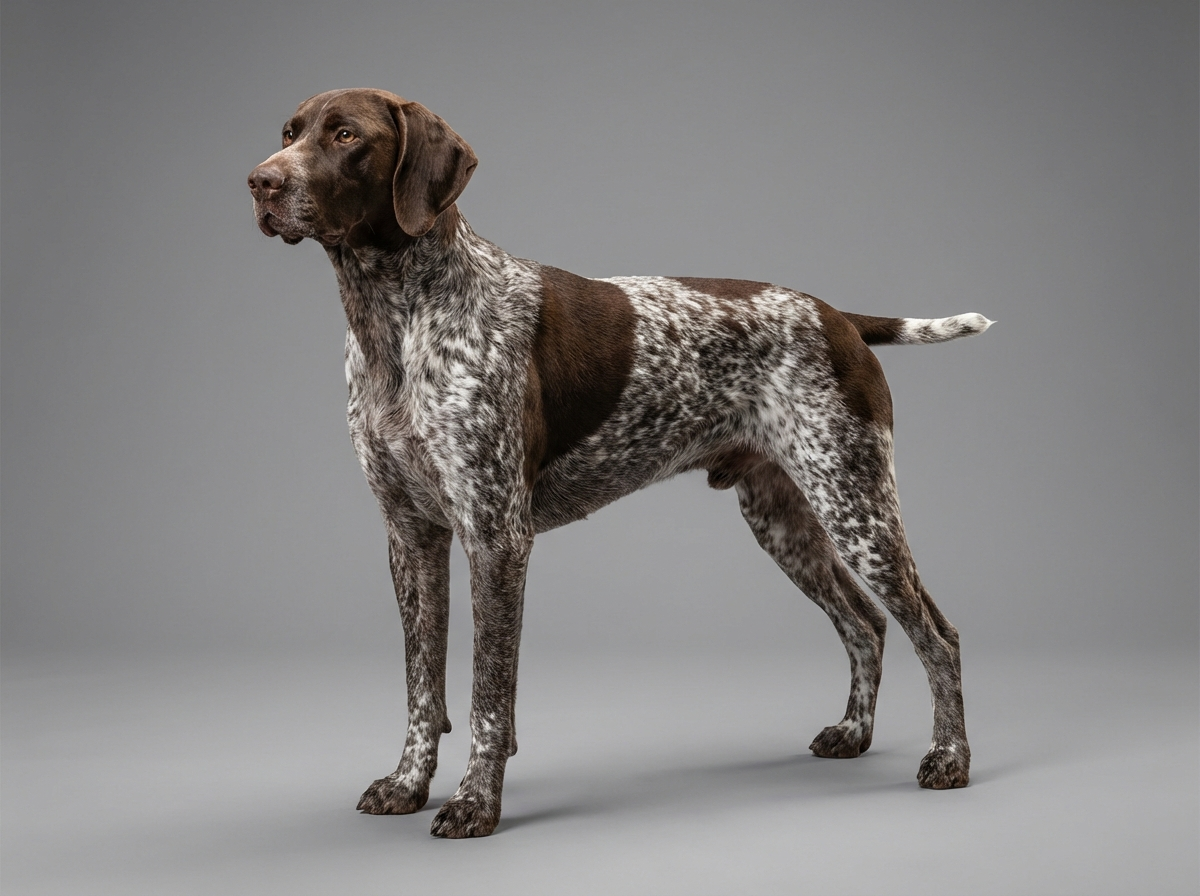
Weimaraners are not documented carriers of the DNM1 mutation responsible for true EIC. What is relevant to this breed is its combination of very high exercise drive, a headstrong temperament that doesn't self-limit, and a short coat with low body fat that reduces heat tolerance, all of which raise the odds of exertion-related collapse from causes other than the Labrador-specific mutation.
Warm weather, prolonged high-intensity activity without breaks, and inadequate hydration all increase the risk of heat-related collapse specifically. An underlying, previously undiagnosed heart or metabolic issue can also make a dog more susceptible to collapse during exertion.
Contact your vet promptly after any collapse or near-collapse during exercise, even if your dog seems to recover quickly. Pale or bluish gums, labored breathing, a body temperature that feels notably hot to the touch, or a collapse that doesn't resolve within a few minutes are all signs of an emergency needing immediate care.
See all Weimaraner health problems, which breeds are prone to exercise induced collapse eic, or the full Weimaraner breed guide for temperament, exercise needs and ownership costs.
A diagnostic workup typically takes one to a few visits depending on which tests are needed. If a cause like a heart condition or heat sensitivity is identified, management is usually ongoing rather than a single fix.
Success is identifying the actual cause of collapse and adjusting exercise intensity, timing, or treatment accordingly, allowing your dog to stay active safely within whatever limits are appropriate for the underlying cause.
The genetic mutation behind true EIC affects a protein involved in nerve signaling to muscles, and it was identified and confirmed specifically in Labrador Retrievers, with a smaller number of related retriever and spaniel breeds also found to carry it. Weimaraners have not been documented as a breed carrying this mutation, which means a genetic EIC test, while it exists, isn't the standard or expected diagnostic path for a Weimaraner showing exercise-related collapse.
What that means practically is that collapse during or after intense exercise in a Weimaraner needs to be treated as a diagnostic puzzle rather than an assumed case of EIC. The most relevant possibilities to rule out in this breed include an underlying heart condition affecting output during exertion, airway limitations, severe overheating given the breed's short coat and low body fat, low blood sugar, or, less commonly, a seizure disorder triggered by exertion and excitement.
This is exactly the kind of situation where guessing based on what you've read about a different breed's genetic condition could delay finding the actual cause. A full workup, starting with a cardiac and general health exam, is the right first step rather than assuming any single explanation.
Because the classic genetic explanation doesn't apply here, ruling things out systematically is the more useful path forward.

If you think your Weimaraner has exercise-induced collapse (eic), the plan is three steps: write down what you have seen and when it started, book a veterinary appointment rather than waiting for the next flare, and take video of the behaviour or symptom before you go — the thing you are worried about rarely happens in the consulting room. Screening in the parents covers bloat (gdv), hip dysplasia, hypertrophic osteodystrophy.
What the vet visit should produce is a diagnosis and a written plan, not just reassurance: what is being ruled out, what the monitoring interval is, and which signs mean you come back sooner. Ask what the treatment costs across a year rather than per visit, because that is the number that decides whether you are managing this condition or reacting to it.
Between appointments, keep a short log — dates, what you saw, what changed. It is the single most useful thing an owner brings to a follow-up, and for exercise-induced collapse (eic) it is often what separates a clear pattern from a guess.
During an intense game of fetch on a warm afternoon, Reid's Weimaraner, Koda, suddenly became wobbly in the back legs and lay down, seeming disoriented for a minute or two before recovering somewhat on his own. Reid had read about EIC in Labradors and initially assumed that must be what happened. His vet explained that Koda's collapse pattern, combined with the warm weather and how hard he'd been running, pointed more toward heat-related collapse than a genetic condition not documented in this breed. Bloodwork and a cardiac check came back normal. Reid now avoids intense fetch sessions during the hottest hours and takes frequent water and shade breaks, with no further episodes since.
Key takeaway: Reid's first instinct was to assume the Labrador-specific condition he'd read about, but ruling things out properly for his actual breed led to a more accurate answer: heat, not genetics, was very likely the cause.
No, this mutation has been confirmed specifically in Labrador Retrievers and a small number of related retriever and spaniel breeds. Weimaraners are not documented as carrying it, so a genetic EIC test isn't the standard path here.
The main possibilities to rule out include an underlying heart condition, severe overheating given the breed's short coat and low body fat, low blood sugar, or, less commonly, a seizure triggered by intense exertion and excitement.
Yes, a short coat and lean, low-body-fat build offer little insulation, and this breed's drive to keep going past its own limits means it may not self-limit during intense activity in warm weather, making heat-related collapse a genuine risk to rule out.
It's not the standard recommendation for this breed since the mutation hasn't been documented in Weimaraners, but your vet can advise whether it's worth considering as part of a broader workup depending on your dog's specific presentation.
Stop activity immediately, move your dog to a cool, shaded area, and contact your vet promptly to describe what happened. A collapse that doesn't resolve within a few minutes, or is accompanied by pale gums or labored breathing, needs emergency care.
An echocardiogram and sometimes a Holter monitor to track heart rhythm during activity are the main tools used to check whether the heart is the source of the problem.
It varies depending on which tests are needed, but a workup involving cardiac imaging and bloodwork commonly runs into several hundred dollars or more, since ruling out multiple possible causes takes more than a single test.
No, the confirmed genetic mutation is documented in Labrador Retrievers and related breeds, not Weimaraners.
A heart issue, overheating, low blood sugar, or a seizure are the more relevant possibilities to rule out in this breed.
Yes, the short coat and low body fat offer little insulation, and the breed's drive to keep going can mask early overheating.
Stop activity immediately, move to shade, cool them if overheating is suspected, and contact your vet promptly.
Often several hundred dollars or more, since ruling out multiple possible causes requires more than one type of test.
A one-page prep sheet for this condition: the signs, the questions to ask, what to get priced. Unlocks here.
You get: Vet visit prep sheet
No spam. One-click unsubscribe. See our privacy policy.
Preview page 1 before you decide.