Behavior
What are quick tips for managing Shiba Inu diabetes?
Monitor their diet, maintain regular vet visits, and establish a feeding schedule. Ensure consistent exercise to help manage their weight.

Quick answer
What are quick tips for managing Shiba Inu diabetes?
Monitor their diet, maintain regular vet visits, and establish a feeding schedule. Ensure consistent exercise to help manage their weight.
Shiba Inu diabetes is a serious health issue that affects this beloved breed. It occurs when the body cannot regulate blood sugar levels.
Typically, owners of older Shiba Inus or those with a family history of diabetes face this challenge. It requires dedication and knowledge to ensure your dog lives a happy, healthy life despite the condition.
This guide is not medical advice. If your dog shows pain, sudden behavior change, or worsening symptoms, consult a licensed veterinarian.
Some links may be affiliate links. We may earn a commission at no extra cost to you. We only suggest products we believe are helpful for dog owners.
We research and check what we publish, but we do not warrant that any figure, date, price, or statement is accurate, complete, or current, and we accept no liability for any loss, cost, injury, or other harm arising from the use of this site. Use it as one reference among several. You remain responsible for your own decisions and for your dog's care - confirm anything that matters with a licensed veterinarian or another qualified professional before you act on it. Full disclaimer.
Check this first
If your Shiba Inu shows any of the following red flags, contact your vet right away:
- Excessive vomiting or diarrhea - Rapid weight loss despite normal eating - Lethargy or extreme fatigue - Difficulty breathing or a noticeable change in breathing pattern - Signs of dehydration, such as a dry nose or gums
These symptoms can indicate serious complications related to diabetes, such as ketoacidosis or infections. Immediate veterinary care is essential to prevent worsening conditions.
On the other hand, if your dog exhibits mild symptoms, you can monitor them with a plan. Keep an eye on:
- Increased thirst and urination without drastic changes in behavior - Mild lethargy that doesn’t improve with rest - Occasional fluctuations in appetite
These signs may suggest that your Shiba Inu’s diabetes is manageable at home, but regular vet check-ups are still important. Maintaining a consistent routine for feeding, insulin administration, and exercise can help track your dog's condition effectively.
Remember, always trust your instincts as a pet owner. If something feels off, it’s better to err on the side of caution and consult your vet.
If any of these apply, call your vet or an emergency clinic now. The rest of this page is for the cases that are not an emergency.
Shiba Inus can develop diabetes, a serious endocrine disorder, especially as they age. This condition often leads to increased thirst and frequent urination, which can disrupt daily life for both the dog and its owner. Managing Shiba Inu diabetes requires consistent monitoring and adjustments to diet and exercise.
Diabetes is not the most common health issue for Shiba Inus, but it does occur frequently enough that owners should be aware of the signs, especially in older dogs. Regular vet check-ups can help catch early symptoms.
Shiba Inus can be genetically predisposed to diabetes, especially as they age. Their small size and unique metabolism might make them more susceptible to insulin resistance, which is a key factor in diabetes development. Additionally, certain health issues common in the breed, like obesity, can heighten the risk.
Environmental factors play a significant role in the development of Shiba Inu diabetes. Poor diet and lack of exercise can lead to obesity, which is a major contributor to diabetes. Stressful living conditions, such as frequent changes in the household or lack of routine, can also trigger hormonal imbalances that affect blood sugar levels.
If you notice symptoms like increased thirst, frequent urination, or unexplained weight loss, contact your vet immediately. They can run tests to determine if your Shiba Inu has diabetes and discuss treatment options.
Avoiding these common mistakes can help manage your Shiba Inu's diabetes more effectively.
Start here: Shiba Inu Most Common Genetic Disorders: What to Screen For
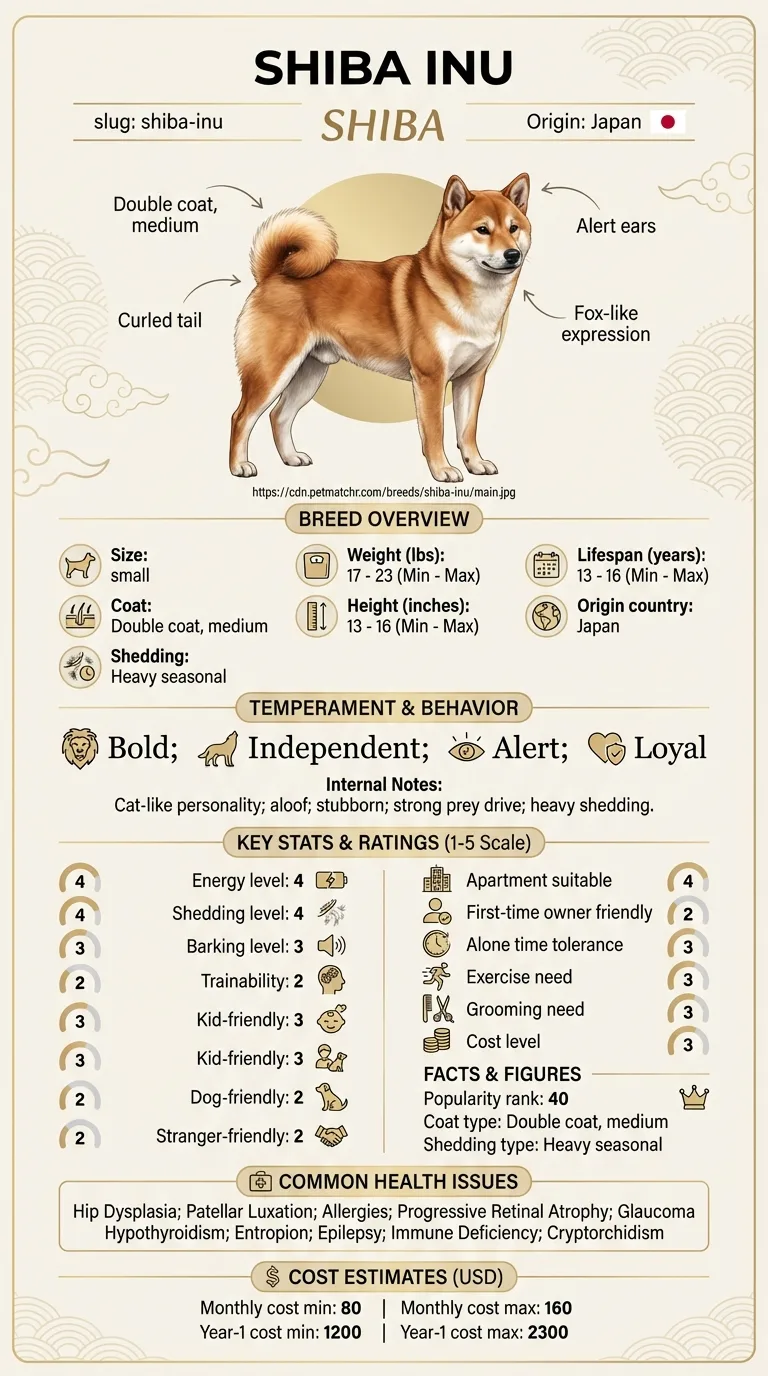
See all Shiba INU health problems, which breeds are prone to diabetes, or the full Shiba INU breed guide for temperament, exercise needs and ownership costs.
Managing Shiba Inu diabetes typically takes several months of consistent care and monitoring.
Success means your Shiba Inu maintains a stable blood sugar level, has a healthy diet, and shows improved energy and overall well-being.
Mia, a Shiba Inu, was diagnosed with diabetes at age 8. Her owner, Sarah, initially struggled with understanding the condition. After consulting a vet, Sarah learned how to adjust Mia's diet and administer insulin injections. It took a few months, but with patience and commitment, Mia's blood sugar stabilized. Sarah noticed Mia had more energy and seemed happier. Over time, they established a routine that worked for both of them, making the management of diabetes a part of their daily life.
Key takeaway: With dedication and the right guidance, managing Shiba Inu diabetes can lead to a fulfilling life for both you and your pet.
Shiba Inus can develop diabetes due to factors like genetics, obesity, and age. Senior dogs are especially prone to this condition as their insulin production may decline. It's important to monitor their weight and diet to prevent diabetes.
Managing Shiba Inu diabetes involves regular vet check-ups, a controlled diet, and potentially insulin injections. Consistent feeding times and monitoring their blood sugar levels are crucial. Work closely with your vet to create a tailored management plan.
Yes, a balanced diet can help prevent diabetes. Focus on high-quality dog food with appropriate carbohydrates and proteins. Avoid excessive treats and table scraps, especially those high in sugar.
If your Shiba Inu is diagnosed with diabetes, follow your vet's recommendations for treatment and lifestyle changes. This may include insulin therapy, dietary adjustments, and regular exercise. Consistency is key to managing their condition.
Training a diabetic Shiba Inu should focus on routine and consistency. Establish a feeding schedule and incorporate regular exercise to help manage their weight. Positive reinforcement can help them learn to comply with new routines.
Yes, managing diabetes in Shiba Inus often involves adjusting their diet. A high-fiber, low-carbohydrate diet can help maintain stable blood sugar levels. Always work with your vet to create a meal plan tailored to your dog's needs.
Yes, diabetes is more common in older Shiba Inus, typically those over the age of 7. Regular check-ups with your vet can help catch this condition early, especially as your dog ages.
If your Shiba Inu is diagnosed with diabetes, follow your vet's recommendations for treatment. This often includes insulin injections, dietary changes, and regular monitoring of blood sugar levels. Consistency is key to managing the condition effectively.
Helping your Shiba Inu adjust to diabetes involves maintaining a routine for meals and insulin injections. Providing plenty of love and support, along with training to keep them comfortable, can also make the transition smoother for both of you.
Monitor their diet, maintain regular vet visits, and establish a feeding schedule. Ensure consistent exercise to help manage their weight.
Check your Shiba Inu's blood sugar levels as advised by your vet, typically once or twice daily to ensure stable levels.
Diabetes is generally a manageable condition but not typically reversible. Consistent care and lifestyle adjustments can help control it.
High-fiber, low-fat dog foods are recommended for diabetic Shiba Inus. Consult your vet for specific dietary recommendations.
A one-page prep sheet for this condition: the signs, the questions to ask, what to get priced. Unlocks here.
You get: Vet visit prep sheet
No spam. One-click unsubscribe. See our privacy policy.
Preview page 1 before you decide.