DogBreedCompass
← Back to breed profile

Shiba Inu Arthritis: Signs and Solutions

Quick answer

What are quick tips for managing Shiba Inu arthritis?

Focus on maintaining a healthy weight, provide joint supplements, and ensure regular, low-impact exercise. Keep your home environment comfortable and consider orthopedic beds for support.

Shiba Inu arthritis is a common issue that affects many dogs as they age. This painful condition can greatly impact their quality of life.

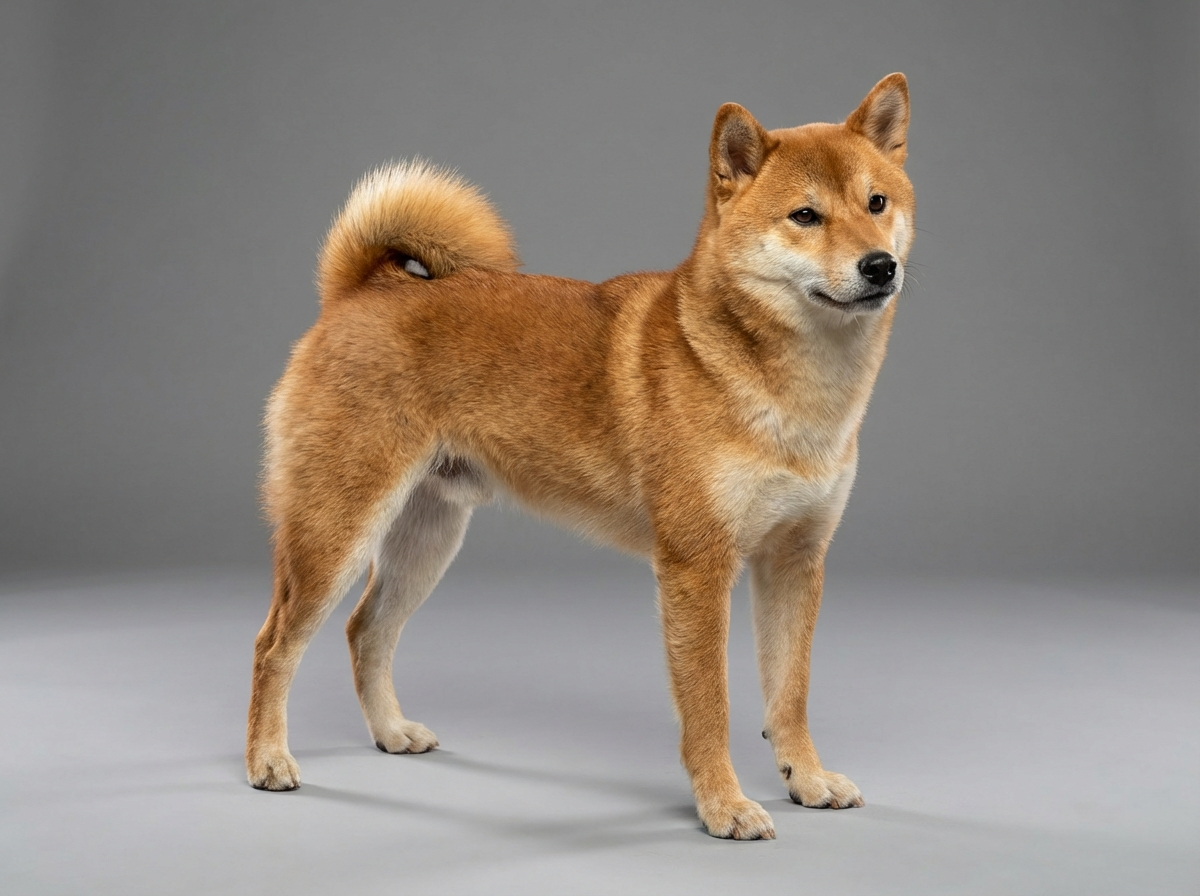
Shiba Inu Arthritis: Signs and Solutions infographic

Many Shiba Inu owners, particularly those with older dogs, face the challenge of arthritis. Busy families, working individuals, or first-time dog owners may not know how to identify or address this problem effectively.

Important reminder

This guide is not medical advice. If your dog shows pain, sudden behavior change, or worsening symptoms, consult a licensed veterinarian.

Some links may be affiliate links. We may earn a commission at no extra cost to you. We only suggest products we believe are helpful for dog owners.

What this problem looks like

Shiba Inu arthritis is a common issue that many Shiba Inus face as they age. This condition leads to painful inflammation in the joints, making everyday activities like walking, playing, or even getting up from a lying position challenging. You might notice your Shiba Inu being less active, hesitating to jump, or showing signs of discomfort when touched in certain areas.

Common triggers

  • Age-related wear and tear on joints
  • Genetics predisposition in certain Shiba Inus
  • Obesity, which puts extra pressure on joints
  • Injury from rough play or accidents

Arthritis is quite common in Shiba Inus, especially as they reach their senior years. Studies show that up to 20% of dogs experience some form of arthritis, and Shiba Inus are no exception. Regular check-ups can help catch this condition early and manage it effectively.

Why this happens

Breed factors

Shiba Inus can be prone to arthritis due to their small size and unique body structure. This breed may have inherited genetic factors that contribute to joint issues as they age. Additionally, their playful nature can sometimes lead to overexertion, stressing their joints.

Environment factors

Environmental factors can also impact arthritis development in Shiba Inus. Limited exercise or being overweight can exacerbate joint pain. Poor living conditions, such as cold or damp environments, may further increase discomfort and stiffness.

What you can try

At-home strategies

  • Maintain a healthy weight for your Shiba Inu. Regularly measure their food portions and consider low-calorie treats.
  • Encourage gentle exercise, like short walks or swimming, to keep their joints moving without excessive strain.
  • Create a comfortable resting area with soft bedding to help relieve pressure on their joints.
  • Consider providing joint supplements, such as glucosamine and chondroitin, after discussing with your vet.

When to consider a trainer

If your Shiba Inu shows signs of aggression or severe anxiety related to pain, it might be time to consult a professional trainer. They can help with behavior management, especially if arthritis causes fear or changes in behavior.

When to talk to your vet

If you notice significant changes in your Shiba Inu's mobility, or if they seem to be in constant pain, contact your vet. They can provide a proper diagnosis and discuss treatment options, including pain management or medication.

See all Shiba INU health problems, which breeds are prone to arthritis, or the full Shiba INU breed guide for temperament, exercise needs and ownership costs.

Realistic expectations

When managing Shiba Inu arthritis, expect to see gradual improvements over 4 to 8 weeks with consistent care and treatment adjustments.

Success looks like your Shiba Inu being more mobile, showing less discomfort, and enjoying daily activities like walks and playtime without excessive fatigue.

Mistakes that make Arthritis worse

Avoiding these common mistakes can help improve your Shiba Inu's arthritis symptoms.

  • Ignoring signs of pain: If your Shiba Inu shows signs of discomfort, it's crucial to address these symptoms promptly. Instead of brushing it off, consult your vet for appropriate care.
  • Over-exercising: While exercise is important, too much can aggravate arthritis. Focus on short, gentle walks and low-impact activities instead of intense play.
  • Neglecting weight management: Extra weight can worsen arthritis symptoms. Ensure your Shiba Inu maintains a healthy diet and consult your vet for weight management advice.
  • Skipping vet visits: Regular check-ups can help monitor your Shiba Inu's arthritis progress. Don’t delay visits; staying proactive is key.
  • Using harsh training methods: Negative reinforcement can stress your dog and worsen their anxiety and pain. Instead, use positive reinforcement techniques to encourage good behavior.
  • Inconsistent medication: If your vet prescribes medication for arthritis, ensure you follow the dosage schedule. Missing doses can lead to increased pain for your Shiba Inu.
  • Forgetting about comfort: A comfortable resting area is essential for an arthritic dog. Provide soft bedding and consider ramps to help them move around safely.

When Shiba Inu Arthritis is an Emergency

Recognizing when Shiba Inu arthritis becomes an emergency is crucial for your dog's health. If you notice any of the following red-flag signs, it's time to call your vet immediately:

- Severe limping or inability to put weight on one or more legs. - Sudden changes in behavior, like aggression or withdrawal, which could indicate pain. - Swelling in joints or noticeable heat in the affected area. - Difficulty breathing or rapid breathing, which can indicate a serious condition.

On the other hand, there are milder cases of Shiba Inu arthritis that can be monitored at home. Look for symptoms such as:

- Occasional stiffness, especially after resting or during cold weather. - Reluctance to jump or play but still willing to go for short walks. - Minor changes in appetite or energy levels, which can be common with aging.

In these cases, you can develop a plan with your vet that may include weight management and moderate exercise. Keep a close eye on your Shiba Inu's condition, and don’t hesitate to reach out if symptoms worsen or new issues arise. Regular check-ups are essential to make sure your dog stays comfortable and healthy.

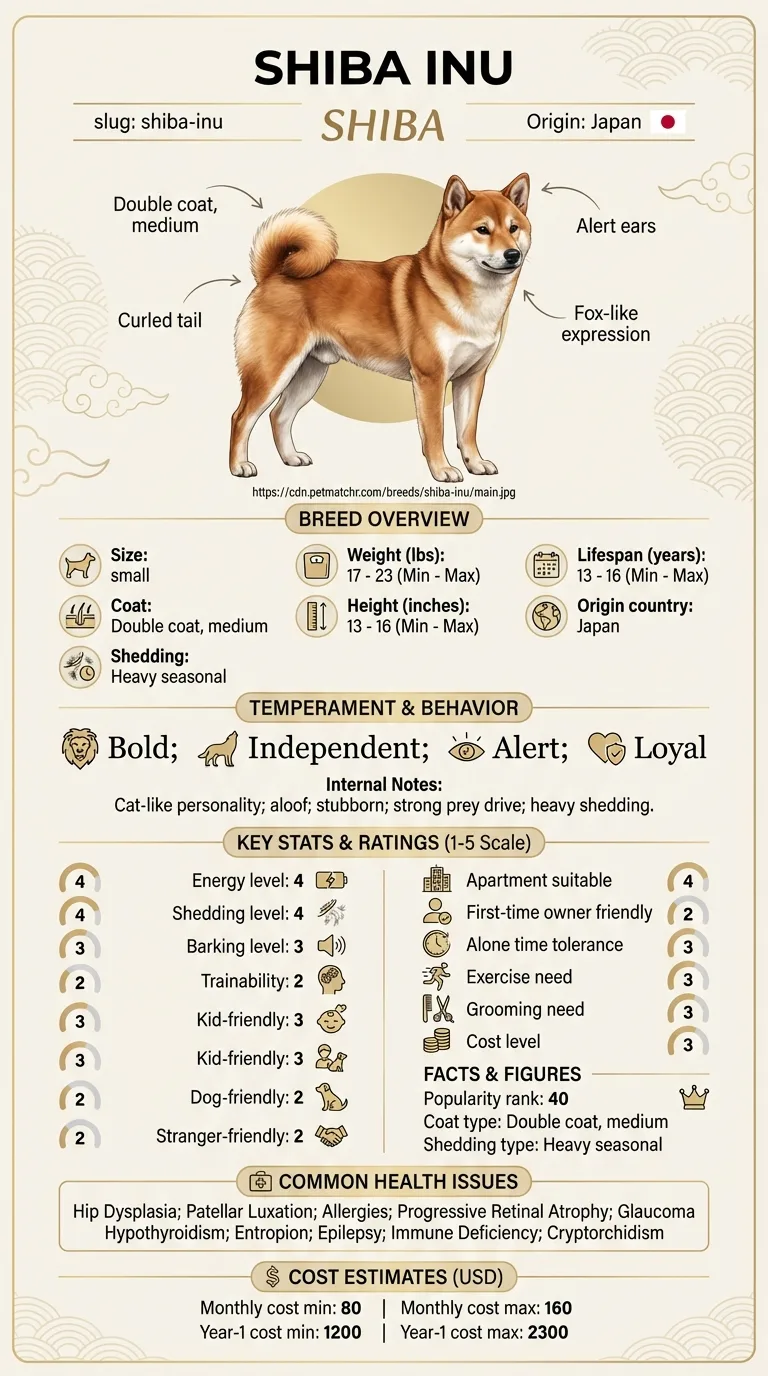
Understanding Shiba Inu Arthritis: Signs and Solutions - When Shiba Inu Arthritis is an Emergency

Finding Comfort for Kiko: A Shiba Inu's Journey

Sarah, a busy nurse in San Diego, noticed her 8-year-old Shiba Inu, Kiko, was struggling to jump onto the couch and hesitated during walks. After discussing her concerns with a vet, she learned that Kiko had arthritis, a common issue for older dogs. Sarah committed to a treatment plan that included joint supplements, a gentle exercise routine, and some weight management. Over the next few months, Kiko's mobility improved significantly. He was more active and even started playing with his favorite toys again.

Key takeaway: Early intervention and a tailored care plan can greatly improve the quality of life for dogs with arthritis, allowing them to enjoy their golden years.

Frequently asked questions

Why does my Shiba Inu have arthritis?

Arthritis in Shiba Inus is often age-related, as their joints wear down over time. Other factors include genetics, previous injuries, or obesity, which can put extra strain on their joints. Regular vet check-ups can help identify early signs and manage the condition.

How can I help my Shiba Inu with arthritis?

To help your Shiba Inu, consider weight management, as excess weight can worsen arthritis. Providing joint supplements, like glucosamine, may also be beneficial. Regular, low-impact exercise helps keep joints flexible without causing strain.

Can training help with my Shiba Inu's arthritis?

Yes, training can help by encouraging gentle movement and promoting good posture. Focus on low-impact activities that are easy on the joints, like swimming or short walks. Avoid excessive jumping or running, which can exacerbate the pain.

What treatments are available for Shiba Inu arthritis?

Treatment options include medications, physical therapy, and weight management strategies. In some cases, your vet might suggest joint injections or even surgery for severe cases. Always consult your vet before starting any treatment plan.

Can I manage my older Shiba Inu's arthritis at home?

Yes, you can help manage your older Shiba Inu's arthritis at home by providing a comfortable bed, ensuring they maintain a healthy weight, and engaging in gentle exercise. However, always consult your vet for specific recommendations.

When should I take my Shiba Inu to the vet for arthritis?

If your Shiba Inu shows persistent signs of pain, difficulty moving, or changes in behavior, it's time to visit the vet. Early intervention can help manage the condition more effectively and improve your dog's quality of life.

Can arthritis in a Shiba Inu be prevented?

While you can't completely prevent arthritis, you can take steps to reduce the risk. Keeping your Shiba Inu at a healthy weight and providing regular low-impact exercise can help maintain joint health as they age.

Quick answers

View more answers
Behavior

What are quick tips for managing Shiba Inu arthritis?

Focus on maintaining a healthy weight, provide joint supplements, and ensure regular, low-impact exercise. Keep your home environment comfortable and consider orthopedic beds for support.

Health

How can I tell if my Shiba Inu's arthritis is getting worse?

Watch for increased limping, difficulty rising, or changes in mood. If your Shiba Inu seems in more pain or is less active than usual, consult your vet.

Costs

Are there specific diets that help with arthritis in Shiba Inus?

Yes, a balanced diet rich in omega-3 fatty acids can help reduce inflammation. Consult your vet for specific dietary recommendations tailored to your Shiba Inu's needs.

Training

Can my Shiba Inu still play with arthritis?

Yes, but modify playtime to include gentler activities. Avoid high-impact games and focus on short, frequent play sessions that keep them engaged without overexerting them.

Related DogBreedCompass guides

  • Shiba Inu behavior problemsLearn about common joint issues in Shiba Inus and their management.
  • Shiba Inu arthritis trainingExplore training methods to help your Shiba Inu cope with arthritis.
  • Shiba Inu arthritis quick tipsUnderstand the signs of arthritis and how it affects your Shiba Inu's lifestyle.
  • how to stop Shiba Inu arthritisCheck out our comprehensive guide on how to stop Shiba Inu arthritis progression.
  • Shiba Inu separation anxiety guideFind resources to support Shiba Inu owners dealing with separation anxiety.

Related guides