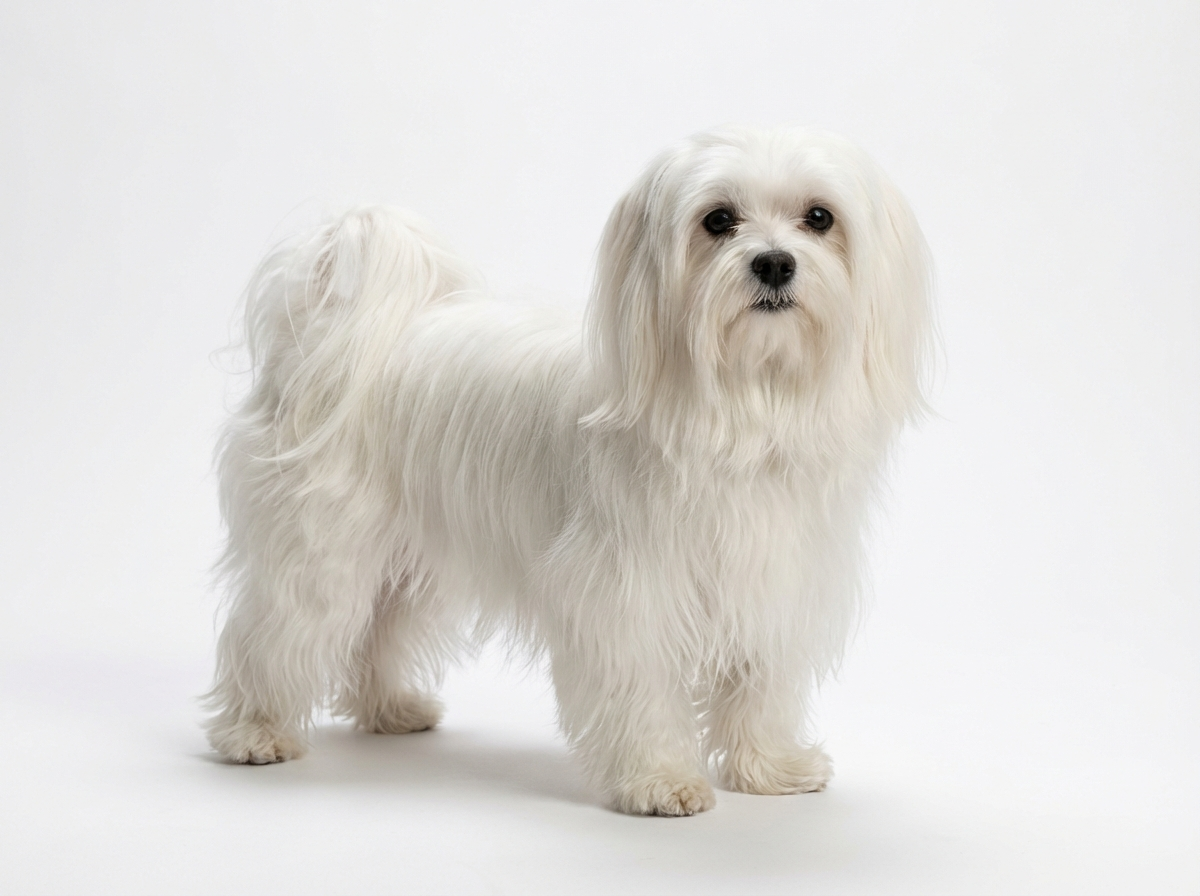
What are Maltese arthritis quick tips?
Monitor your Maltese's weight and provide a balanced diet to prevent excess strain on their joints. Regular, low-impact exercise is key to keeping them mobile. Consult your vet for joint care supplements.
Maltese arthritis is a common health issue that affects many of these small dogs as they age. This age-related joint disease can cause significant discomfort and limit mobility.

Owners of older Maltese dogs often struggle with arthritis. This is especially true for those who notice their pets becoming less playful or having difficulty with everyday activities like climbing stairs or jumping onto furniture.
This guide is not medical advice. If your dog shows pain, sudden behavior change, or worsening symptoms, consult a licensed veterinarian.
Some links may be affiliate links. We may earn a commission at no extra cost to you. We only suggest products we believe are helpful for dog owners.
Maltese arthritis is an age-related joint disease that affects many Maltese dogs, especially as they get older. Owners may notice their pets limping, hesitating to jump or run, or showing signs of discomfort when moving. This can lead to a decline in their playful nature, affecting both their quality of life and yours.
Arthritis is quite common in Maltese dogs, particularly those over the age of 7. Many Maltese will experience some form of arthritis during their lifetime, making it important for owners to recognize the signs early.
Maltese dogs, like many small breeds, are prone to certain joint issues as they age. Their small size can lead to conditions like arthritis, especially if they've experienced injuries or have a genetic predisposition to joint problems. Additionally, their long, silky coats require grooming, and if not managed properly, can lead to discomfort and mobility issues.
Environmental factors can also contribute to arthritis in Maltese dogs. A lack of exercise or excessive weight gain can put additional strain on their joints. Furthermore, living in cold, damp conditions may exacerbate their discomfort, making it harder for them to move around comfortably.
If your Maltese is struggling with mobility or showing signs of pain during activities, consider hiring a professional trainer experienced in canine rehabilitation. They can help tailor exercises that are safe and beneficial for your dog's specific needs.
If you notice persistent limping, reluctance to move, or changes in behavior such as increased irritability, it's crucial to consult your veterinarian. They can assess the severity of the arthritis and recommend appropriate treatments or medications.
Expect to see improvements in your Maltese's mobility and comfort within 4 to 6 weeks of starting a treatment plan.
Success means your Maltese can move more freely, enjoy walks, and engage in play without showing signs of pain or discomfort.
Avoid these common mistakes that can worsen Maltese arthritis and delay recovery.
Recognizing when Maltese arthritis is an emergency can save your dog from unnecessary pain. If your Maltese shows signs of severe pain, such as whimpering, inability to walk, or excessive licking at a joint, you should call your vet immediately. Other red flags include sudden swelling in the joints, noticeable changes in appetite, or lethargy that is out of character for your pup.
In contrast, mild arthritis symptoms can often be monitored. If your Maltese is showing occasional stiffness or reluctance to jump, it may be manageable at home. Regular check-ins with your vet can help you create a plan to monitor their condition, involving gentle exercises and weight management. However, keep an eye on any changes in their behavior or mobility, as these could indicate a need for professional assessment.
Understanding these differences is crucial. For emergency signs, immediate veterinary care is essential. For milder symptoms, a thoughtful approach can help maintain your Maltese's quality of life without panic. Always trust your instincts; if something feels off, it's better to err on the side of caution.

When Sarah adopted Bella, her 8-year-old Maltese, she noticed Bella was slower to get up and often hesitated to jump on the couch. After a vet visit confirmed arthritis, Sarah felt overwhelmed. She started Bella on a joint supplement and adjusted her exercise routine to include shorter, more frequent walks. With patience and a little training, Bella began to show improvements. Within weeks, she was more active and playful, even chasing her favorite toy again.
Key takeaway: Regular vet check-ups and a tailored care plan can significantly improve your Maltese's quality of life.
Maltese arthritis is often age-related, as their joints can wear down over time. Other factors like genetics, previous injuries, or obesity can also contribute. Regular vet check-ups can help monitor their joint health.
To manage Maltese arthritis, maintain a healthy weight through a balanced diet and regular, low-impact exercise. Consult your vet about joint supplements or medications that can help reduce pain and inflammation. Keeping your dog active while being mindful of their limitations is crucial.
Training for a Maltese with arthritis should focus on gentle exercises that promote joint mobility without causing strain. Short, frequent walks and engaging in low-stress activities like puzzle toys can stimulate their mind while keeping them physically active. Avoid high-impact activities like jumping.
Look for signs like limping, reluctance to jump or play, stiffness after rest, or changes in behavior such as irritability. If you notice any of these symptoms, it's essential to consult your vet for proper diagnosis and treatment options.
Create a comfortable living space with soft bedding and easy access to food and water. Maintain a consistent routine for feeding and exercise, and consider using ramps or steps to help them navigate their environment. Regular vet visits can help assess their condition.
Common signs of arthritis in a Maltese include difficulty standing up, reluctance to jump or climb stairs, and changes in their walking pattern. You might also notice them being less active or showing signs of pain when touched.
Yes, maintaining a healthy weight can significantly reduce the strain on your Maltese's joints. A balanced diet and regular, low-impact exercise can help manage their weight and alleviate some arthritis symptoms.
For older Maltese dogs with arthritis, provide a comfortable sleeping area with soft bedding. Gentle exercises like short walks can help maintain mobility, and consult your vet about joint supplements or medications that may ease their discomfort.
While arthritis is often associated with older dogs, some Maltese can develop it earlier due to genetic predispositions or previous injuries. It's important to monitor their activity and consult a veterinarian for tailored advice.
Yes, using positive reinforcement training techniques can help engage your Maltese without causing strain. Focus on low-impact activities and consider training that emphasizes mental stimulation, which can be less taxing on their joints.
Monitor your Maltese's weight and provide a balanced diet to prevent excess strain on their joints. Regular, low-impact exercise is key to keeping them mobile. Consult your vet for joint care supplements.
Provide soft bedding and avoid slippery surfaces to help your Maltese move around easily. Gentle massages can also relieve discomfort, and keeping their stress levels low is beneficial.
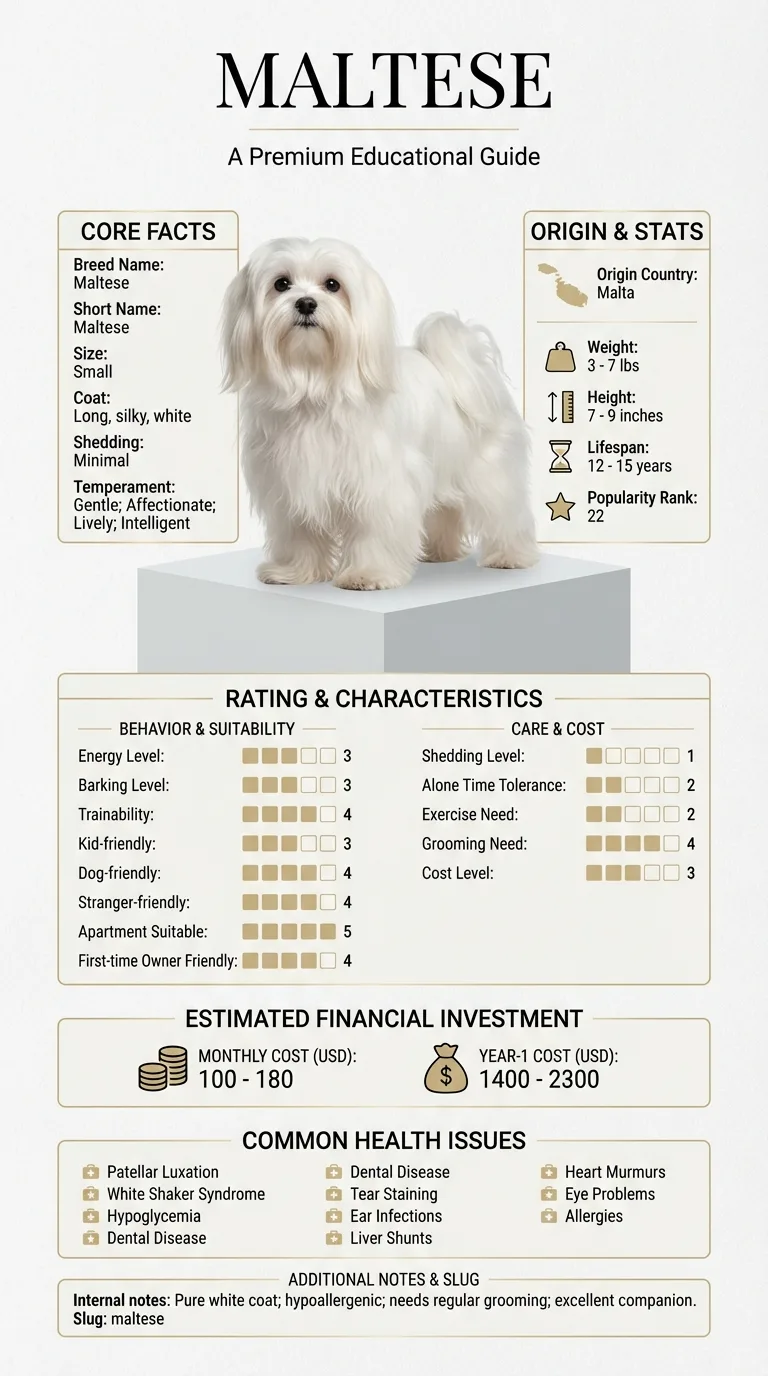
Managing Maltese arthritis can vary in cost, typically ranging from $100 to $180 monthly, including vet visits and medication. Planning for potential treatments can help ease financial burdens.
Yes, gentle training focused on low-impact activities can help maintain mobility and reduce discomfort. Always consult your vet for tailored training advice.