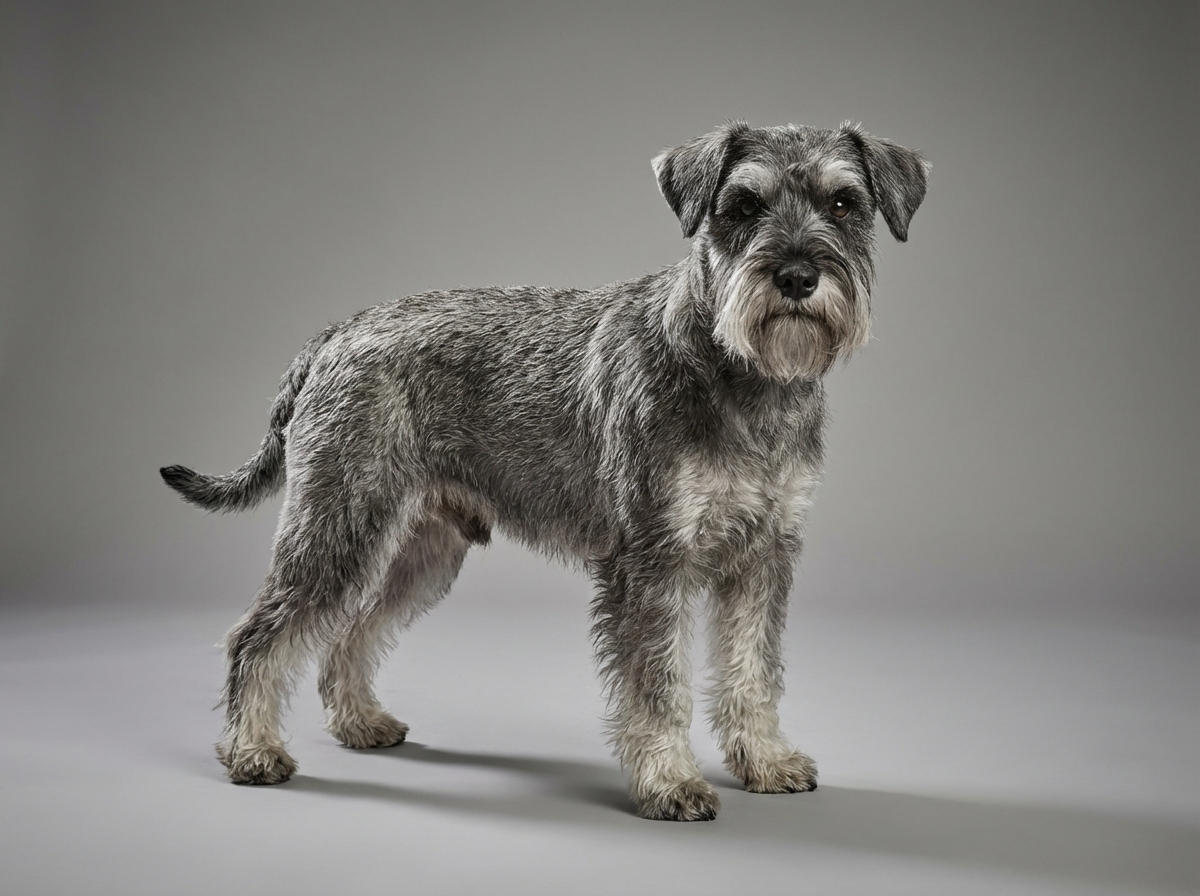
DogBreedCompass
← Back to breed profile

Understanding Miniature Schnauzer Arthritis

Miniature Schnauzer arthritis is a common issue that affects many dogs as they age. It's crucial to recognize the signs early to help manage their discomfort.

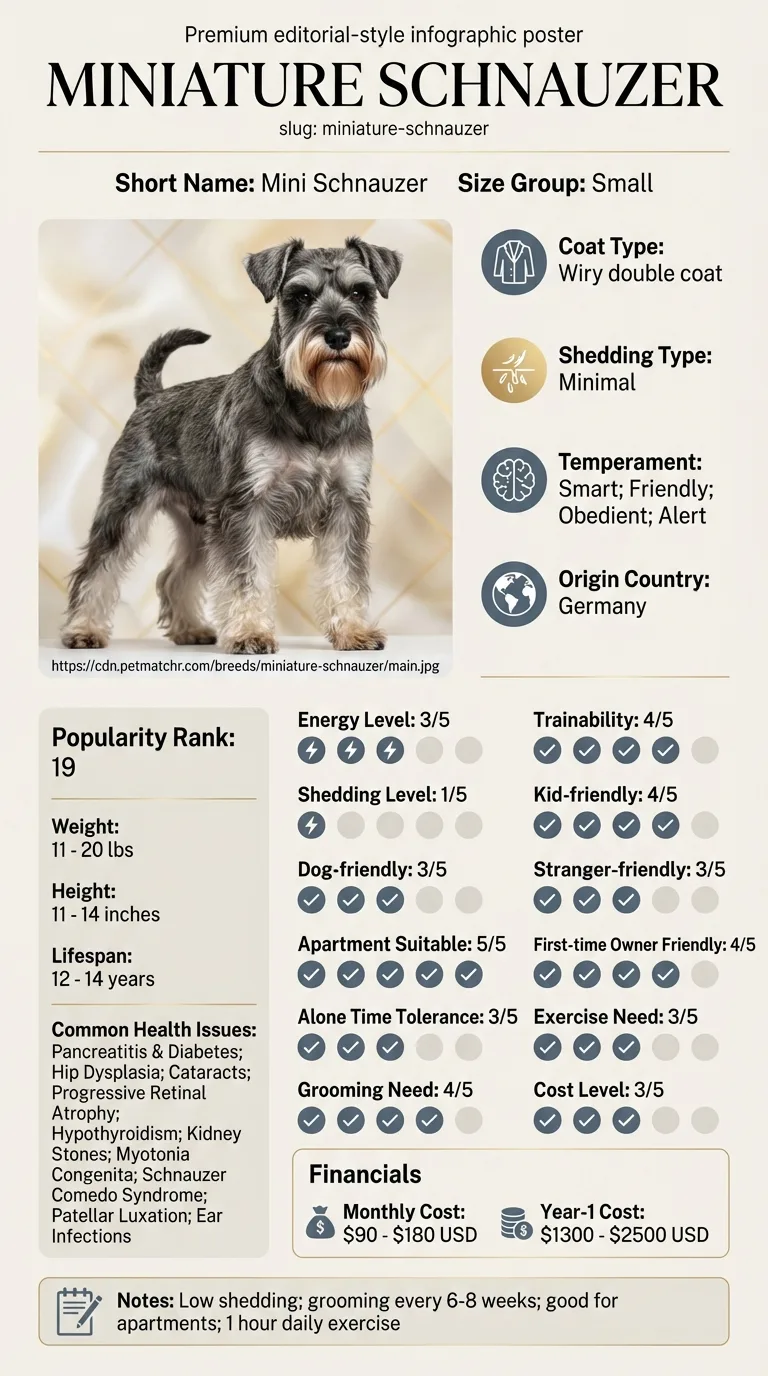
Understanding Miniature Schnauzer Arthritis infographic

Owners of Miniature Schnauzers, especially those with older dogs, often face this struggle. If your dog is showing reluctance to jump, play, or take walks, it may be a sign of arthritis.

Important reminder

This guide is not medical advice. If your dog shows pain, sudden behavior change, or worsening symptoms, consult a licensed veterinarian.

Some links may be affiliate links. We may earn a commission at no extra cost to you. We only suggest products we believe are helpful for dog owners.

What this problem looks like

Miniature Schnauzer arthritis is a common age-related joint disease that affects many dogs as they grow older. It manifests as stiffness in their legs, difficulty in getting up, or reluctance to engage in physical activities they once enjoyed. Owners may notice their Mini Schnauzer limping or favoring one leg, especially after resting or during colder weather.

Common triggers

  • Obesity, which puts extra strain on joints
  • Sudden changes in weather, especially cold or damp conditions
  • Increased activity levels that can aggravate existing joint issues
  • Genetic predisposition as some Miniature Schnauzers are more prone to arthritis

Arthritis is quite common in Miniature Schnauzers, especially those over the age of 6. As they age, the risk increases, making it essential for owners to be aware of the signs and manage their dog's health proactively.

Why this happens

Breed factors

Miniature Schnauzers are prone to certain genetic issues that may increase the risk of arthritis. Their small size can also lead to joint stress as they age, making them more susceptible to this condition. Additionally, their active nature might contribute to wear and tear on their joints over time.

Environment factors

Environmental factors like obesity can significantly impact a Miniature Schnauzer's joint health. A lack of exercise may also lead to weakened muscles around the joints, which can exacerbate arthritis. Moreover, cold weather can worsen symptoms, making it uncomfortable for them to move around.

What you can try

At-home strategies

  • Maintain a healthy weight by monitoring your dog's diet and serving appropriate portions. Consult your vet for dietary recommendations.
  • Provide regular, low-impact exercise to keep joints flexible. Short walks and gentle play sessions are ideal.
  • Create a comfortable resting area. Use soft bedding and avoid stairs if they are causing discomfort.
  • Incorporate joint supplements into their diet, such as glucosamine and chondroitin, after discussing with your vet.

When to consider a trainer

If your Miniature Schnauzer struggles with mobility or exhibits behavior changes due to arthritis, a professional trainer can help modify their activity levels and create a safe exercise plan tailored to their needs.

When to talk to your vet

If you notice signs of arthritis, such as limping, difficulty getting up, or reluctance to play, consult your vet. They can provide a proper diagnosis and discuss treatment options, including pain management strategies.

Realistic expectations

Improvement can take 6 to 12 weeks with consistent care and treatment.

A successful outcome would mean your Miniature Schnauzer shows increased mobility, less pain, and a happier demeanor.

Mistakes that make this worse

Here are some common mistakes that can inadvertently worsen Miniature Schnauzer arthritis and some safer alternatives to consider.

  • Ignoring signs of discomfort: Many owners overlook subtle signs like limping or reluctance to play. Instead, pay attention to your dog's behavior and consult a vet if you notice changes.
  • Over-exercising: Too much exercise can strain your Miniature Schnauzer's joints. Opt for shorter, more frequent walks rather than long, strenuous outings.
  • Feeding unhealthy treats: High-calorie treats can lead to weight gain, worsening arthritis. Choose low-calorie, joint-supporting treats to keep your dog healthy.
  • Neglecting weight management: Extra weight adds pressure on joints. Keep your Mini Schnauzer at a healthy weight through diet and proper exercise.
  • Skipping vet appointments: Regular check-ups are crucial. Make sure to keep up with vet visits so your vet can monitor your dog's arthritis and adjust treatment as needed.
  • Using hard surfaces for play: Playing on hard surfaces can aggravate joint pain. Encourage play on soft grass or carpet to reduce impact on their joints.

When Miniature Schnauzer Arthritis is an Emergency

Understanding when to seek immediate veterinary care for your Miniature Schnauzer's arthritis is crucial. Some signs indicate that it's time to call your vet right away. These include severe limping, inability to stand or walk, sudden swelling around the joints, and noticeable pain when touched. If your dog is showing signs of distress, such as excessive panting or whining, these are also red flags that require urgent attention.

On the other hand, some symptoms can be monitored at home. Mild limping, stiffness after resting, or occasional difficulty getting up may not require immediate action. In these cases, you can create a management plan that includes gentle exercise, weight control, and joint supplements. Keep track of any changes and consult your vet if symptoms worsen or persist over time. Remember, observing your dog's behavior closely can help you distinguish between what can wait and what cannot.

Understanding Miniature Schnauzer Arthritis - When Miniature Schnauzer Arthritis is an Emergency

Maggie's Journey with Arthritis

When Sarah, a busy nurse in Seattle, noticed her Miniature Schnauzer, Maggie, limping and struggling to jump onto the couch, she felt worried. After visiting the vet, Sarah learned that Maggie had arthritis, a common issue for older dogs. With a tailored plan that included joint supplements, weight management, and gentle exercises, Sarah committed to helping Maggie. Over the next few months, she saw Maggie regain some mobility and even start to play again, which brought joy back into their home.

Key takeaway: With the right care and attention, you can help your Miniature Schnauzer manage arthritis and improve their quality of life.

Frequently asked questions

Why does my Miniature Schnauzer have arthritis?

Miniature Schnauzers often develop arthritis due to age-related wear and tear on their joints. Factors like genetics, weight, and previous injuries can also contribute. It's essential to monitor their activity levels and weight to help manage this condition.

How can I stop Miniature Schnauzer arthritis from worsening?

To prevent arthritis from worsening, focus on maintaining a healthy weight through proper diet and regular, low-impact exercise. Consult your vet for a tailored exercise plan and consider supplements like glucosamine for joint health. Regular vet check-ups can also help monitor the condition.

What are the signs of arthritis in Miniature Schnauzers?

Signs of arthritis include limping, difficulty standing up, and reluctance to jump or play. You may also notice stiffness after rest or changes in their activity level. If you see these signs, it’s vital to consult your vet for a proper diagnosis.

Can training help with Miniature Schnauzer arthritis?

Yes, training can help by ensuring your Miniature Schnauzer engages in gentle, controlled activities. Training can also reinforce positive behaviors and encourage them to avoid movements that might strain their joints. Always consult your vet to align training with their health needs.

Are there specific diets for Miniature Schnauzers with arthritis?

Feeding your Miniature Schnauzer a balanced diet rich in omega-3 fatty acids can help reduce inflammation. Look for dog foods specifically formulated for joint health. Always check with your vet before making any significant dietary changes.

What are the signs of arthritis in a Miniature Schnauzer?

Signs of arthritis in a Miniature Schnauzer can include limping, difficulty climbing stairs, and reluctance to play. You might also notice your dog being less active or having trouble getting up after resting. If you see these behaviors, it's a good idea to consult your vet.

Can arthritis affect Miniature Schnauzers at a young age?

While arthritis is more common in older dogs, it can affect Miniature Schnauzers at a young age due to genetic factors or previous injuries. Keep an eye on any unusual stiffness or limping, and talk to your vet if you're concerned.

What should I do if my Miniature Schnauzer is in pain from arthritis?

If your Miniature Schnauzer seems to be in pain due to arthritis, consult your vet immediately. They may recommend pain relief medications, dietary changes, or physical therapy. Early intervention can significantly help manage your dog's discomfort.

Is there a specific diet to help manage Miniature Schnauzer arthritis?

A diet rich in omega-3 fatty acids can help reduce inflammation in dogs with arthritis. Consider foods or supplements that support joint health. Always check with your vet before making any significant changes to your dog's diet.

How can I help my Miniature Schnauzer stay comfortable with arthritis?

To help your Miniature Schnauzer stay comfortable, provide a soft, warm bed and avoid slippery floors. Regular, gentle exercise can also help maintain joint mobility. Consult your vet for tailored recommendations based on your dog's condition.

Quick answers

View more answers
Behavior

What are Miniature Schnauzer arthritis quick tips?

Keep your Miniature Schnauzer at a healthy weight and engage them in gentle exercises. Regular vet visits can help monitor their joint health. Consider supplements like fish oil or glucosamine for added support.

Living

How often should I exercise my Miniature Schnauzer with arthritis?

Aim for short, frequent walks rather than long, strenuous sessions. This helps maintain mobility without putting too much strain on their joints.

Behavior

Can my Miniature Schnauzer still play with arthritis?

Yes, but keep play sessions short and low-impact. Activities like gentle fetch or tug-of-war can be enjoyable without causing pain.

Health

What signs indicate my Miniature Schnauzer's arthritis is getting worse?

Look for increased limping, difficulty in standing, or changes in appetite. If you notice these signs, consult your vet for advice.

Related DogBreedCompass guides

  • Miniature Schnauzer arthritis trainingLearn more about how to manage the symptoms of arthritis in Miniature Schnauzers.
  • Common health issues in Miniature SchnauzersUnderstand the common health issues Miniature Schnauzers face and how to prevent them.
  • Miniature Schnauzer cost breakdownExplore the costs associated with owning a Miniature Schnauzer, including health care.
  • Miniature Schnauzer separation anxiety guideFind out how to help your Miniature Schnauzer cope with separation anxiety.
  • Miniature Schnauzer behavior problemsGet tips on how to address behavior problems that may arise with your Miniature Schnauzer.

Related guides