Health
What are some Labradoodle arthritis quick tips?
Keep your Labradoodle at a healthy weight, provide joint supplements, and ensure regular vet visits for assessments.

Quick answer
What are some Labradoodle arthritis quick tips?
Keep your Labradoodle at a healthy weight, provide joint supplements, and ensure regular vet visits for assessments.
Labradoodle arthritis is a common issue that affects many dogs as they age. It can lead to discomfort and mobility challenges, making it essential for owners to recognize the signs early.
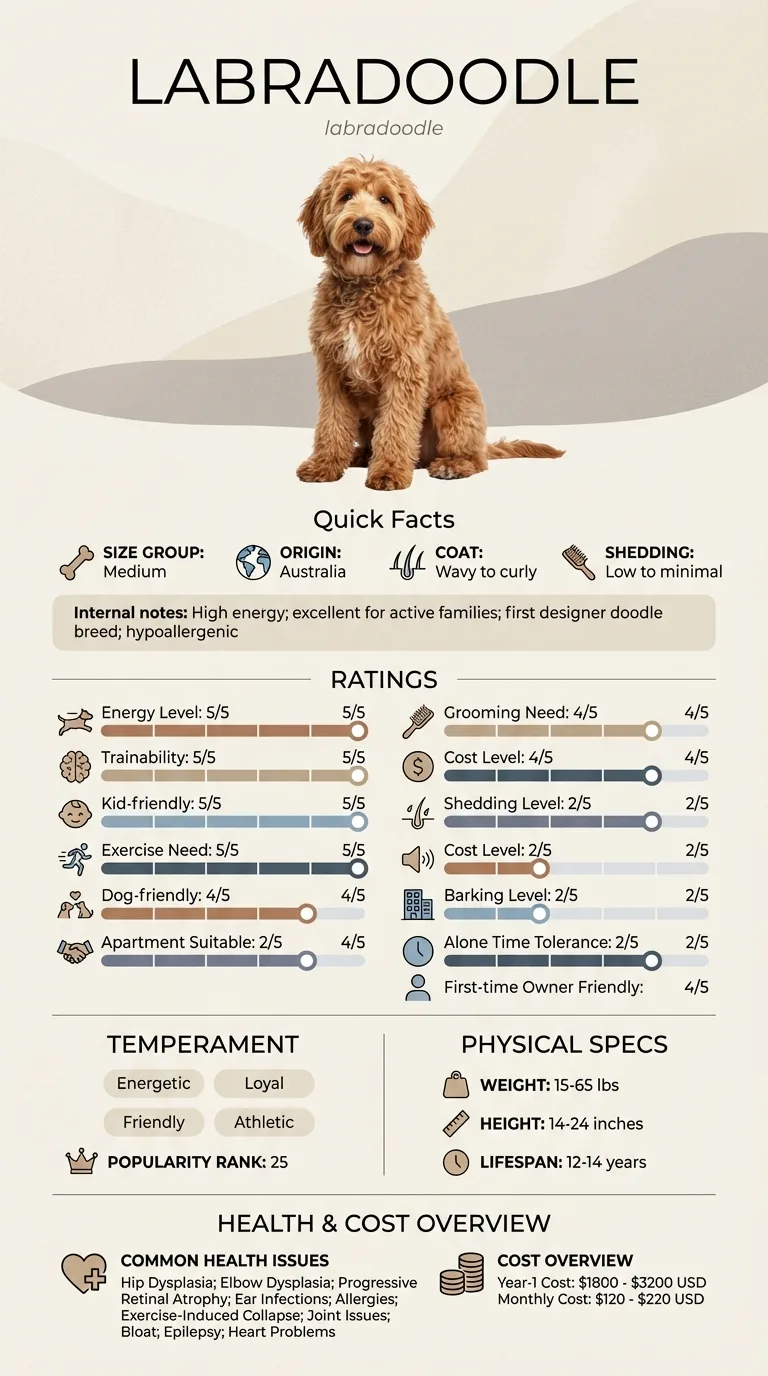
Typically, owners of older Labradoodles or those with a history of joint problems may struggle with this issue. Busy pet parents or first-time dog owners might find it especially challenging to recognize the symptoms and determine the best course of action.
This guide is not medical advice. If your dog shows pain, sudden behavior change, or worsening symptoms, consult a licensed veterinarian.
Some links may be affiliate links. We may earn a commission at no extra cost to you. We only suggest products we believe are helpful for dog owners.
We research and check what we publish, but we do not warrant that any figure, date, price, or statement is accurate, complete, or current, and we accept no liability for any loss, cost, injury, or other harm arising from the use of this site. Use it as one reference among several. You remain responsible for your own decisions and for your dog's care - confirm anything that matters with a licensed veterinarian or another qualified professional before you act on it. Full disclaimer.
Check this first
Recognizing when your Labradoodle's arthritis is an emergency is crucial. Immediate veterinary attention is necessary if you notice severe swelling in the joints, sudden inability to move, or signs of significant pain, such as yelping or growling when touched. Additionally, if your dog has a sudden loss of appetite or is lethargic, these may indicate a serious underlying issue that requires prompt action.
On the other hand, mild cases of Labradoodle arthritis can often be monitored at home. If your dog shows slight limping after exercise or seems a bit stiff after resting, these might be manageable symptoms. Keep track of their activity levels, and consider adjusting their exercise routine. Regular check-ups with your vet will help ensure their condition doesn't worsen.
If you’re unsure, it’s always better to err on the side of caution. Consult your vet if your Labradoodle’s condition changes or if you have concerns about their comfort and mobility.
If any of these apply, call your vet or an emergency clinic now. The rest of this page is for the cases that are not an emergency.
Labradoodle arthritis can significantly impact your dog's daily life. This common condition often manifests as stiffness, limping, or difficulty getting up after resting. Over time, it can lead to decreased activity levels and even weight gain, which can worsen the issue.
Arthritis is a frequent concern for Labradoodles, especially as they age. Many Labradoodles experience some level of arthritis by the time they reach their senior years, making it a common health issue for this breed.
Labradoodles can be prone to joint issues due to their genetics, especially if they have a family history of arthritis. Their active lifestyle may also increase the wear and tear on their joints, leading to early signs of arthritis.
Environmental factors like excess weight, lack of exercise, or injuries can exacerbate arthritis symptoms. Additionally, living in a cold climate can cause stiffness and discomfort for your Labradoodle's joints.
If your Labradoodle shows signs of pain, difficulty in movement, or changes in behavior, it's essential to consult your vet. They can diagnose the severity of arthritis and recommend appropriate treatments or medications.
Avoiding these common mistakes can help your Labradoodle manage arthritis better. Here are some behaviors to watch out for.
Start here: Labradoodle Most Common Genetic Disorders: Screening
See all Labradoodle health problems, which breeds are prone to arthritis, or the full Labradoodle breed guide for temperament, exercise needs and ownership costs.
Managing Labradoodle arthritis can take several weeks to months. Consistent treatment and lifestyle changes will help ease their discomfort over time.
Success looks like your Labradoodle being able to enjoy their daily activities with reduced pain, improved mobility, and a happier demeanor.
When Sarah, a busy nurse in Dallas, noticed her Labradoodle Max struggling to jump onto the couch, she became concerned. After a vet visit confirmed arthritis, Sarah felt overwhelmed. She started a new routine that included joint supplements, gentle exercise, and a comfortable bed. Gradually, Max regained some mobility and even started wagging his tail again during walks. Sarah learned to balance his exercise with rest, making their bond stronger.
Key takeaway: With patience and a tailored plan, you can greatly improve your Labradoodle's quality of life despite arthritis.
Labradoodles may develop arthritis due to a combination of genetic factors, age, and joint injuries. Conditions like hip or elbow dysplasia can increase the risk. Regular vet check-ups are essential to catch and manage these issues early.
To help your Labradoodle with arthritis, maintain a healthy weight to reduce strain on the joints. Regular, gentle exercise is crucial, but avoid high-impact activities. Consult your vet about anti-inflammatory medications and joint supplements.
Signs of arthritis in Labradoodles may include limping, difficulty getting up, reluctance to exercise, and stiffness after resting. They may also show signs of discomfort when touched around their joints. If you notice any of these behaviors, it’s best to consult a vet.
Yes, training techniques for Labradoodles with arthritis should focus on gentle commands and low-impact activities. Use positive reinforcement and short training sessions to keep them engaged without overexerting them. Consult a professional trainer familiar with arthritis.
Absolutely! A balanced diet with joint-supporting nutrients, like omega-3 fatty acids, can help manage arthritis symptoms. Discuss dietary options with your vet to create a meal plan that supports your Labradoodle's joint health.
Yes, Labradoodles can develop arthritis at a young age, especially if they have underlying conditions like hip or elbow dysplasia. It's important to monitor their activity and weight to reduce stress on their joints. Early intervention can help manage symptoms effectively.
To help a senior Labradoodle with arthritis, provide a warm, comfortable place to rest and consider joint supplements like glucosamine. Regular, gentle exercise is important to maintain mobility, but avoid overexertion. A vet can recommend a tailored exercise program.
Yes, certain diets rich in omega-3 fatty acids, antioxidants, and joint-supporting nutrients can help manage Labradoodle arthritis. Foods with high-quality protein and limited fillers are beneficial. Discuss dietary changes with your vet for the best results.
Keep your Labradoodle at a healthy weight, provide joint supplements, and ensure regular vet visits for assessments.
A Labradoodle with arthritis should engage in light, regular exercise, like short walks or gentle play, to maintain mobility without causing strain.
Common treatments include anti-inflammatory medications, joint supplements, and physical therapy to alleviate pain and improve mobility.
Provide soft bedding, keep food and water at accessible heights, and minimize stairs to make your home more comfortable for your arthritic Labradoodle.
A one-page prep sheet for this condition: the signs, the questions to ask, what to get priced. Unlocks here.
You get: Vet visit prep sheet
No spam. One-click unsubscribe. See our privacy policy.
Preview page 1 before you decide.