Behavior
What are quick tips for managing Rottweiler Mix corneal dystrophy?
Keep your dog's eyes clean and avoid exposure to irritants. Regular vet check-ups are essential for monitoring the condition.

Quick answer
What are quick tips for managing Rottweiler Mix corneal dystrophy?
Keep your dog's eyes clean and avoid exposure to irritants. Regular vet check-ups are essential for monitoring the condition.
Rottweiler Mix corneal dystrophy is a common eye condition that causes cloudiness in the cornea. This can lead to vision issues and discomfort for your dog.
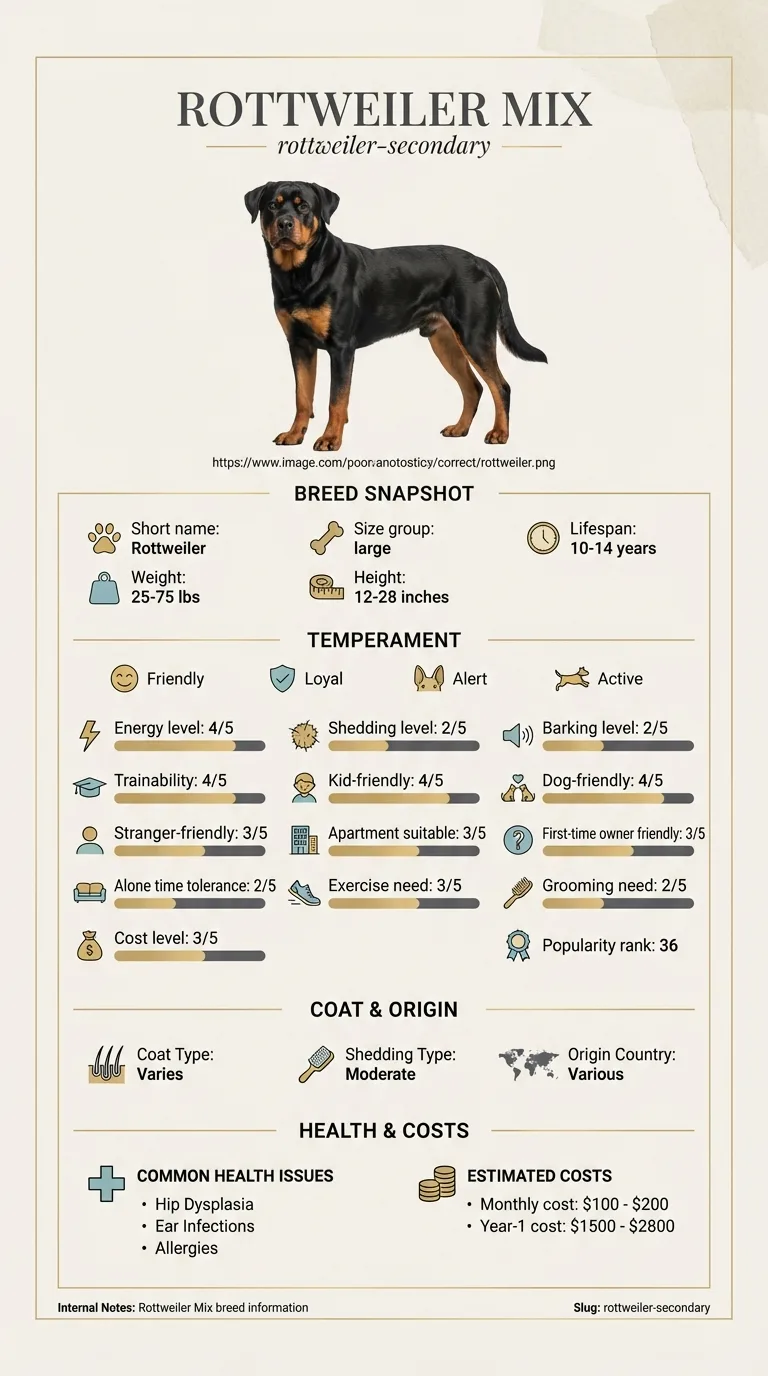
Typically, first-time dog owners or those who are not familiar with eye health issues may struggle with recognizing and addressing corneal dystrophy in their Rottweiler Mix. These owners often want to ensure their dogs are happy and healthy but may need guidance on how to manage such conditions.
This guide is not medical advice. If your dog shows pain, sudden behavior change, or worsening symptoms, consult a licensed veterinarian.
Some links may be affiliate links. We may earn a commission at no extra cost to you. We only suggest products we believe are helpful for dog owners.
We research and check what we publish, but we do not warrant that any figure, date, price, or statement is accurate, complete, or current, and we accept no liability for any loss, cost, injury, or other harm arising from the use of this site. Use it as one reference among several. You remain responsible for your own decisions and for your dog's care - confirm anything that matters with a licensed veterinarian or another qualified professional before you act on it. Full disclaimer.
Check this first
Corneal dystrophy in Rottweiler Mixes can range from mild to severe. Knowing when to seek immediate veterinary care can make a big difference. Watch for signs that indicate an emergency versus those that can be monitored at home.
If any of these apply, call your vet or an emergency clinic now. The rest of this page is for the cases that are not an emergency.
Rottweiler Mix corneal dystrophy is a condition that affects the clarity of the eye's cornea, leading to cloudiness. This can result in discomfort and vision problems for your dog. Daily life for an affected Rottweiler Mix may include squinting, rubbing their eyes, or being hesitant to engage in activities that require clear vision.
Corneal dystrophy is relatively common in Rottweiler Mixes, especially if there is a family history of eye issues. While not every Rottweiler Mix will experience this condition, awareness and proactive care can help manage it effectively.
Rottweiler Mixes can be predisposed to corneal dystrophy due to genetic factors. This condition can lead to cloudiness in the cornea, affecting vision. Some Rottweiler Mixes may inherit this from their Rottweiler parent, making them more vulnerable.
Environmental factors can also play a role in corneal dystrophy. Exposure to irritants, such as smoke or allergens, can aggravate eye conditions. Additionally, lack of proper eye care and hygiene may contribute to the development of this issue.
It's essential to consult a vet if you notice any changes in your dog's vision or if corneal cloudiness persists. A vet can provide a proper diagnosis and recommend treatments to manage the condition effectively.
Many owners unintentionally make Rottweiler Mix corneal dystrophy worse. Here are some common mistakes to avoid and safer alternatives to consider.
Start here: Rottweiler Mix Genetic Disorders: What to Screen For
See all Rottweiler Secondary health problems, which breeds are prone to corneal dystrophy, or the full Rottweiler Secondary breed guide for temperament, exercise needs and ownership costs.
Addressing Rottweiler Mix corneal dystrophy typically requires consistent management over several weeks to months. Expect to see gradual improvement as you follow a tailored treatment plan.
Success looks like a reduction in symptoms, such as clearer vision and less discomfort for your dog. Regular veterinary check-ups will help monitor progress and adjust treatments as needed.
If your Rottweiler Mix shows any of the following symptoms, it's time to call your vet immediately:

In less severe situations, you can monitor your Rottweiler Mix at home. Keep an eye out for the following signs:

Emily, a dedicated dog owner from Ohio, noticed her Rottweiler Mix, Max, squinting and being less active. After a visit to the vet, she learned that Max had corneal dystrophy. With the vet's guidance, Emily started a regimen of eye drops and regular check-ups. Over the next few months, she saw significant improvement in Max's eye clarity and comfort. Emily realized that providing consistent care was crucial to Max's well-being.
Key takeaway: Regular vet visits and a tailored care plan can significantly improve your Rottweiler Mix's quality of life when dealing with corneal dystrophy.
Corneal dystrophy in Rottweiler Mixes can be due to genetic factors. This condition leads to cloudiness in the cornea, affecting vision. It's important to consult a vet for a proper diagnosis and treatment options.
To manage Rottweiler Mix corneal dystrophy, keep your dog's eyes clean and avoid irritants. Regular vet check-ups can help monitor the condition. In some cases, surgery may be recommended if vision is significantly affected.
Symptoms of corneal dystrophy include cloudy eyes, excessive tearing, and possible discomfort. You might also notice your dog squinting or having difficulty seeing. If you observe these signs, visit your veterinarian.
Corneal dystrophy is typically not painful, but it can lead to discomfort or vision issues. If your dog seems to be in pain, consult your vet for advice on pain management and treatment options.
While there is no cure for corneal dystrophy, treatment options exist to manage symptoms. Your vet may recommend eye drops or other therapies to alleviate discomfort and improve quality of life.
Regular vet visits are crucial for monitoring corneal dystrophy. Typically, every six months is a good rule, but your vet might suggest more frequent visits based on your dog's condition.
Corneal dystrophy in Rottweiler Mixes is often hereditary and can result from a genetic predisposition. It leads to cloudiness in the cornea, which may affect vision. If you notice changes in your dog's eyes, it's important to consult a vet.
For older Rottweiler Mixes, managing corneal dystrophy can involve regular vet check-ups and possibly medication to reduce discomfort. Keeping the environment calm and avoiding irritants can also help. Make sure to provide soft bedding and a stress-free area for your dog.
If your Rottweiler Mix shows signs of pain, excessive tearing, or difficulty seeing, it's time to visit the vet. Early intervention can prevent further complications and address discomfort. Don't wait too long if you notice these symptoms.
Yes, training can help Rottweiler Mixes cope with behavioral changes due to corneal dystrophy. Positive reinforcement techniques can build confidence and reduce anxiety. Working with a professional trainer familiar with the breed can be particularly beneficial.
There are various eye drops and ointments prescribed by veterinarians to help manage corneal dystrophy. Additionally, protective dog eyewear can prevent further irritation. Always consult your vet before starting any new treatment or product.
Keep your dog's eyes clean and avoid exposure to irritants. Regular vet check-ups are essential for monitoring the condition.
If you notice cloudy eyes, schedule a vet appointment to evaluate your dog's eye health. Early intervention can help manage the condition.
A balanced diet rich in omega fatty acids can support eye health. Consult your vet for specific dietary recommendations.
A one-page prep sheet for this condition: the signs, the questions to ask, what to get priced. Unlocks here.
You get: Vet visit prep sheet
No spam. One-click unsubscribe. See our privacy policy.
See a sample page before you decide.
Early access list
The free prep sheet covers the same-day warning signs, a symptom log and the questions to ask. We are considering a fuller kit that adds a cost worksheet for the usual tests and treatments (US price ranges with their sources) and a plain-English guide to ways of covering the bill. It is not built yet; this list tells us whether it is worth building.
One email, no spam, unsubscribe anytime. Information only, not veterinary advice.