Health
What are quick tips for Rottweiler corneal dystrophy?
Keep your Rottweiler's eyes clean and consult your vet for appropriate eye drops to manage symptoms.

Quick answer
What are quick tips for Rottweiler corneal dystrophy?
Keep your Rottweiler's eyes clean and consult your vet for appropriate eye drops to manage symptoms.
Rottweiler corneal dystrophy is a condition that leads to cloudiness in the eye, affecting your dog's vision.
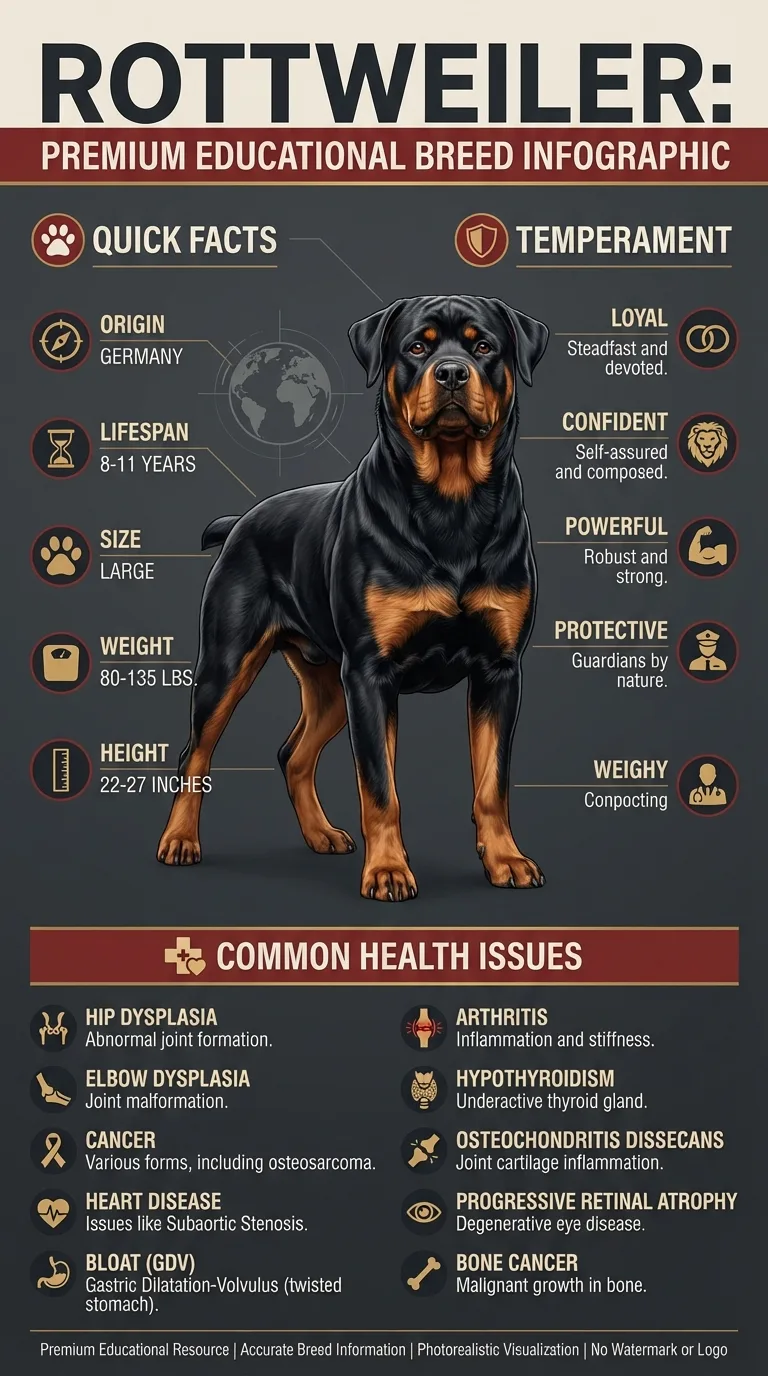
Typically, owners of Rottweilers, especially those who notice changes in their dog's eyes, may struggle with this problem. It’s especially challenging for first-time dog owners who are unfamiliar with eye health issues.
This guide is not medical advice. If your dog shows pain, sudden behavior change, or worsening symptoms, consult a licensed veterinarian.
Some links may be affiliate links. We may earn a commission at no extra cost to you. We only suggest products we believe are helpful for dog owners.
We research and check what we publish, but we do not warrant that any figure, date, price, or statement is accurate, complete, or current, and we accept no liability for any loss, cost, injury, or other harm arising from the use of this site. Use it as one reference among several. You remain responsible for your own decisions and for your dog's care - confirm anything that matters with a licensed veterinarian or another qualified professional before you act on it. Full disclaimer.
Check this first
Identifying when Rottweiler corneal dystrophy becomes an emergency is crucial for your dog's health. While some symptoms can be monitored, others require immediate veterinary attention. Here’s how to distinguish between the two.
If any of these apply, call your vet or an emergency clinic now. The rest of this page is for the cases that are not an emergency.
Rottweiler corneal dystrophy is a genetic eye condition that causes cloudiness in the cornea. This can lead to discomfort and vision problems for your Rottweiler. Day-to-day, you might notice your dog squinting, having watery eyes, or being more sensitive to light.
Corneal dystrophy is relatively common in Rottweilers, with estimates suggesting that it affects a significant number of this breed. Early detection can help manage symptoms and improve your dog's comfort.
Rottweilers can develop corneal dystrophy due to genetic factors. This breed is predisposed to certain eye conditions, including corneal cloudiness, which may be inherited. If your Rottweiler has a family history of eye problems, this could increase the risk.
Environmental factors such as exposure to UV light and irritants can worsen corneal dystrophy. If your dog spends a lot of time outdoors without protection, they may be more susceptible to developing eye issues. Additionally, poor nutrition can impact overall eye health.
If you notice any changes in your dog's vision, such as cloudiness or difficulty seeing, contact your vet. They can assess the condition and recommend the best treatment options, which may include medications or surgery.
Certain behaviors can unintentionally worsen Rottweiler corneal dystrophy. Here are some common mistakes to avoid and safer alternatives to consider.
See all Rottweiler health problems, which breeds are prone to corneal dystrophy, or the full Rottweiler breed guide for temperament, exercise needs and ownership costs.
You should see noticeable improvements in your Rottweiler's eye health within 3 to 6 months of starting treatment. Regular vet check-ups will help track progress.
Success looks like your Rottweiler having clearer vision and reduced discomfort. They should be more active and less prone to eye-related issues.
Look for these signs that indicate an urgent situation: - Sudden loss of vision or noticeable changes in eyesight. - Severe redness or swelling of the eye. - Excessive tearing or discharge, especially if it's green or yellow.
- Signs of pain such as pawing at the eye or squinting. - Your Rottweiler appears lethargic or is not eating.

In less severe cases, you can monitor your Rottweiler's condition. Here are some signs to watch for: - Mild cloudiness of the eye without other symptoms. - Occasional tearing but no excessive discharge.
- No visible pain or discomfort. - Normal behavior and appetite. - Follow-up with your vet for regular check-ups to track any changes.

Connie, a dedicated Rottweiler owner from Denver, noticed that her dog Max was squinting and reluctant to play outside. After a vet visit, she learned that Max had corneal dystrophy, which can cause cloudiness in the eyes. Connie was initially overwhelmed but committed to following the vet's treatment plan, which included eye drops and regular check-ups. Over six months, Max's condition improved significantly, and he was back to chasing squirrels in the park with enthusiasm.
Key takeaway: With the right treatment and regular vet visits, Rottweilers with corneal dystrophy can regain their quality of life.
Rottweiler corneal dystrophy is often hereditary and can cause cloudiness in the eye. This condition usually arises due to a genetic predisposition, so it's essential to consult with a vet for a proper diagnosis and treatment options.
Managing Rottweiler corneal dystrophy focuses on regular veterinary check-ups and monitoring the condition. Your vet may recommend specific eye drops or medications to alleviate symptoms and prevent complications.
Common signs include cloudiness in the eyes, squinting, or signs of discomfort. If you notice these symptoms, schedule a vet appointment for a thorough examination.
While corneal dystrophy can affect vision, it doesn't always lead to blindness. Regular monitoring and veterinary care can help manage the condition and reduce the risk of severe complications.
Treatment options can include lubricating eye drops, medications for inflammation, or surgical intervention in severe cases. Always consult with a veterinarian to determine the best approach for your dog's needs.
Yes, Rottweiler corneal dystrophy can potentially lead to vision loss, especially if left untreated. It's essential to monitor your dog's eye health and consult a vet if you notice any changes in their vision.
Signs of Rottweiler corneal dystrophy include cloudiness of the eye and possible squinting or discomfort. If you suspect your Rottie has this condition, it's best to get a professional evaluation from a veterinarian.
Treatment options for Rottweiler corneal dystrophy can include medicated eye drops or, in more severe cases, surgery. Always consult with a vet to determine the best approach for your dog's specific needs.
Yes, Rottweiler corneal dystrophy is often hereditary. If your Rottweiler has this condition, it may be wise to discuss it with your breeder and consider genetic testing for future litters.
To help your Rottweiler with corneal dystrophy, maintain regular vet check-ups and follow their treatment plan. Additionally, providing a comfortable environment and monitoring for any signs of discomfort can also be beneficial.
Keep your Rottweiler's eyes clean and consult your vet for appropriate eye drops to manage symptoms.
Regular vet check-ups are crucial for monitoring and managing your dog's eye health effectively.
Treatment costs can vary, but expect to spend between $100 to $300 for initial evaluations and ongoing care.
While training won't cure corneal dystrophy, positive reinforcement can help your Rottweiler adapt to any vision changes.
Yes, they may require more frequent vet visits and special eye care to manage their condition effectively.
A one-page prep sheet for this condition: the signs, the questions to ask, what to get priced. Unlocks here.
You get: Vet visit prep sheet
No spam. One-click unsubscribe. See our privacy policy.
Preview page 1 before you decide.