Health
What are quick tips for Poodle corneal dystrophy?
Regular vet check-ups and a clean environment are essential. Monitor your Poodle's eyes for any changes and consult your vet if you notice issues.

Quick answer
What are quick tips for Poodle corneal dystrophy?
Regular vet check-ups and a clean environment are essential. Monitor your Poodle's eyes for any changes and consult your vet if you notice issues.
Poodle corneal dystrophy is a condition that causes cloudiness in the eyes, affecting your dog's vision.
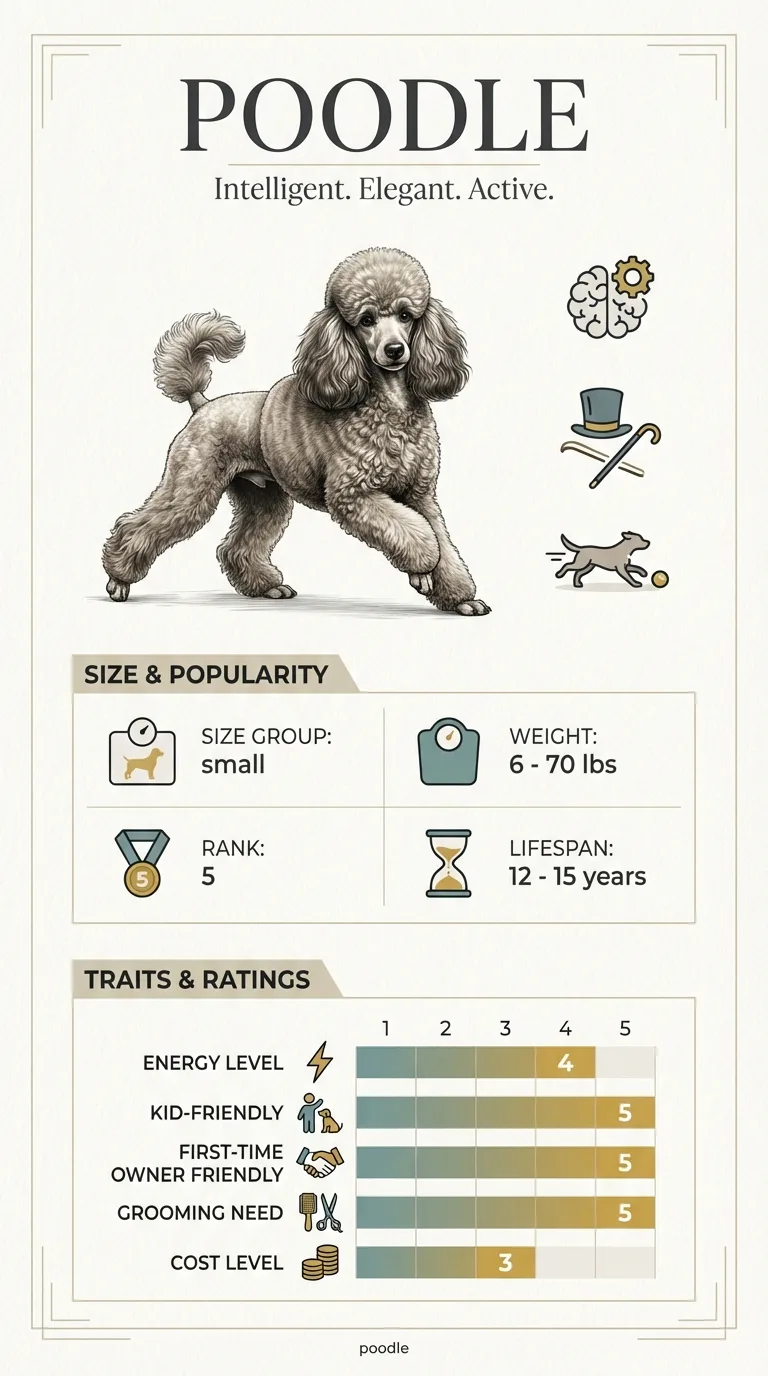
Owners of Poodles, especially those who are first-time pet parents or busy individuals, may struggle with this condition. Recognizing eye problems in dogs can be challenging, and many owners feel overwhelmed when health issues arise.
This guide is not medical advice. If your dog shows pain, sudden behavior change, or worsening symptoms, consult a licensed veterinarian.
Some links may be affiliate links. We may earn a commission at no extra cost to you. We only suggest products we believe are helpful for dog owners.
We research and check what we publish, but we do not warrant that any figure, date, price, or statement is accurate, complete, or current, and we accept no liability for any loss, cost, injury, or other harm arising from the use of this site. Use it as one reference among several. You remain responsible for your own decisions and for your dog's care - confirm anything that matters with a licensed veterinarian or another qualified professional before you act on it. Full disclaimer.
Check this first
Recognizing when Poodle corneal dystrophy is an emergency can be crucial for your dog's health. If you notice any sudden changes, such as excessive squinting, pawing at the eyes, or signs of pain, it's time to call your vet immediately. These symptoms can indicate severe discomfort or complications that need urgent attention.
Additionally, if your Poodle's vision seems significantly impaired, or if you see any unusual discharge from their eyes, don't wait. These red flags often mean that the condition is worsening and requires prompt medical intervention.
On the other hand, mild cases of Poodle corneal dystrophy can often be monitored at home. If your dog shows only slight cloudiness in the eyes without other alarming symptoms, you can keep an eye on them. Creating a routine for checking their eyes, along with regularly scheduled vet visits, can help manage the condition effectively. Document any changes in their behavior or eye appearance, and share this information during your next vet visit to ensure the best care for your Poodle.
If any of these apply, call your vet or an emergency clinic now. The rest of this page is for the cases that are not an emergency.
Poodle corneal dystrophy is a condition that causes cloudiness in the eyes. This can affect their vision, making it tough for them to see clearly. Common signs include squinting, excessive tearing, or rubbing their eyes, which can be concerning for owners.
Corneal dystrophy is relatively common in Poodles, especially in older dogs. It's important to monitor their eye health routinely, as early detection can help manage the condition effectively.
Poodles can inherit corneal dystrophy due to genetic factors. This condition is often linked to the breed's lineage, which may predispose them to eye problems like corneal cloudiness. If you have a Poodle, it's essential to know that their elegant appearance can sometimes come with health challenges.
Environmental factors can also play a role. Exposure to irritants like smoke, dust, or harsh chemicals can exacerbate eye problems. Additionally, a lack of proper eye care or frequent exposure to bright sunlight can contribute to the development of corneal dystrophy.
It's crucial to speak with a vet if you notice significant changes in your Poodle's vision or if their eyes appear increasingly cloudy. A vet can offer specific treatments or recommend the best course of action for your dog's eye health.
Avoiding these common mistakes can help your Poodle's corneal dystrophy. Here are some behaviors to steer clear of.
See all Poodle health problems, which breeds are prone to corneal dystrophy, or the full Poodle breed guide for temperament, exercise needs and ownership costs.
Typically, it takes several weeks to months to manage Poodle corneal dystrophy effectively through a combination of treatments and lifestyle adjustments.
Success looks like a noticeable reduction in eye discomfort for your Poodle, improved clarity in vision, and a happier, more active dog.
Emily adopted Max, her sweet Poodle, and noticed he often squinted and seemed uncomfortable, especially in bright light. After a vet visit, she learned Max had corneal dystrophy. Determined to help him, Emily started a treatment plan that included topical medications and protective eyewear when they went outside. She also adjusted their daily walks to avoid peak sunlight hours. With consistent care and attention, Max became more comfortable and active, enjoying their outings again.
Key takeaway: With proper treatment and adjustments to their routine, you can significantly improve your Poodle's quality of life while managing corneal dystrophy.
Corneal dystrophy in Poodles is often hereditary, meaning it can be passed down through generations. If your Poodle has this condition, it's likely due to their genetic makeup. Regular vet check-ups can help you understand more about your dog's specific health issues.
While there is no cure for corneal dystrophy, you can help manage the condition by ensuring your Poodle has regular veterinary eye exams. Keeping their environment free from irritants and providing a balanced diet can also support eye health.
In some cases, corneal dystrophy can be associated with other eye problems, like cataracts. Regular vet visits are crucial for early detection and treatment of any related conditions.
Corneal dystrophy itself is usually not painful, but it can lead to discomfort if the cornea becomes irritated. If your Poodle shows signs of pain, it's essential to consult a vet for appropriate care.
You can help your Poodle by ensuring they have a comfortable living environment and by following your vet's recommendations for eye care. Keeping their eyes clean and free from irritants is key.
Yes, older Poodles may experience more severe symptoms of corneal dystrophy. Their eyes could be more sensitive, and the condition might progress faster, so regular vet check-ups are crucial.
Poodle corneal dystrophy can have a genetic component. If you notice this issue in your Poodle, it’s wise to discuss it with your vet and consider screening any potential breeding pairs to prevent passing it on.
If you observe any signs of discomfort, such as squinting or redness, you should take your Poodle to the vet. Early intervention can help manage pain and prevent further complications.
To manage Poodle corneal dystrophy at home, keep your dog's environment free of irritants and provide regular eye drops as recommended by your vet. Monitoring their behavior and eye condition is also essential for timely intervention.
Regular vet check-ups and a clean environment are essential. Monitor your Poodle's eyes for any changes and consult your vet if you notice issues.
Aim for at least once a year, or more frequently if your Poodle has corneal dystrophy. Early detection can help manage the condition effectively.
A balanced diet rich in omega fatty acids may support overall eye health. Discuss dietary options with your vet for the best outcomes.
In some cases, surgery may be considered, but this depends on the severity of the condition. Always consult your vet for personalized advice.
Lubricating eye drops can help keep your Poodle's eyes comfortable. Always choose products recommended by your veterinarian.
A one-page prep sheet for this condition: the signs, the questions to ask, what to get priced. Unlocks here.
You get: Vet visit prep sheet
No spam. One-click unsubscribe. See our privacy policy.
Preview page 1 before you decide.