Belgian Malinois Corneal Dystrophy: What You Need to Know
Quick answer
What are quick tips for managing corneal dystrophy in Belgian Malinois?
Regular vet check-ups and eye exams are essential. Use lubricating eye drops as recommended, and ensure your dog avoids irritants. Training can also help them adjust to their vision changes.
Belgian Malinois corneal dystrophy can lead to cloudy vision and discomfort for your dog. It's essential to understand this condition to ensure your pup stays happy and healthy.
Owners of Belgian Malinois may find themselves grappling with corneal dystrophy, especially if they notice their dog struggling with vision or comfort. Busy families or first-time dog owners might feel overwhelmed when faced with this health issue, unsure of how to proceed.
Important reminder
This guide is not medical advice. If your dog shows pain, sudden behavior change, or worsening symptoms, consult a licensed veterinarian.
Some links may be affiliate links. We may earn a commission at no extra cost to you. We only suggest products we believe are helpful for dog owners.
We research and check what we publish, but we do not warrant that any figure, date, price, or statement is accurate, complete, or current, and we accept no liability for any loss, cost, injury, or other harm arising from the use of this site. Use it as one reference among several. You remain responsible for your own decisions and for your dog's care - confirm anything that matters with a licensed veterinarian or another qualified professional before you act on it. Full disclaimer.
Check this first
When Belgian Malinois Corneal Dystrophy is an Emergency
Emergency signs include sudden changes in vision, excessive squinting, or if your dog seems to be in pain. If you notice any swelling or discharge from the eyes, that’s also a red flag. These symptoms suggest a more serious issue that needs prompt veterinary attention.
On the other hand, if your Belgian Malinois has mild cloudiness but is otherwise acting normally, you might not need to rush to the vet. If the corneal dystrophy is stable and your dog is not showing any discomfort, you can keep a watchful eye on the situation. Regular check-ups with your vet can help track any changes.
Monitoring your dog’s behavior is key. If they’re eating well, playing, and their eye condition isn’t worsening, it’s likely not an emergency. However, always trust your instincts; if you feel something is off, it’s better to err on the side of caution and consult your vet.
If any of these apply, call your vet or an emergency clinic now. The rest of this page is for the cases that are not an emergency.
What this problem looks like
Belgian Malinois corneal dystrophy is a genetic eye condition that leads to cloudiness in the cornea. This cloudiness can affect the dog's vision and cause discomfort. Owners might notice their Malinois squinting, rubbing their eyes, or showing signs of sensitivity to light.
Common triggers
Genetic predisposition in some Belgian Malinois
Age-related changes in the eye
Environmental factors such as dust or allergens
Corneal dystrophy is relatively common in Belgian Malinois, especially as they age. While not every Malinois will develop this condition, it is seen frequently enough that owners should be aware of the signs and symptoms.
Why this happens
Breed factors
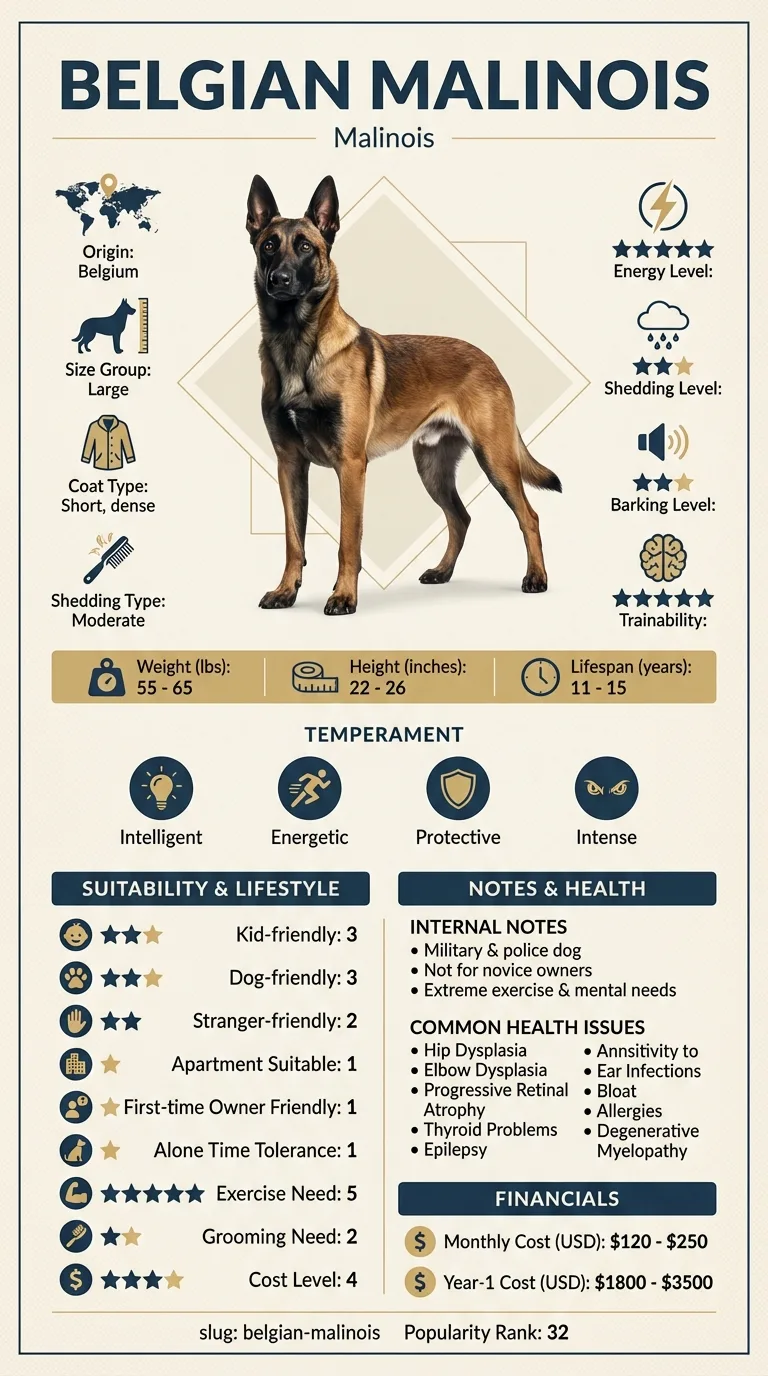
The Belgian Malinois is known for its intelligence and high energy, but this breed can be predisposed to certain health issues, including corneal dystrophy. This condition causes cloudiness in the cornea, which may be hereditary. If your Malinois has a family history of eye problems, that increases the risk.
Environment factors
Environmental factors can also contribute to corneal dystrophy in your Belgian Malinois. Excessive sun exposure, irritants like dust or smoke, and underlying health issues can exacerbate eye conditions. If your dog spends a lot of time outdoors without protection, they may be more susceptible.
What you can do at home (once it is not an emergency)
When to talk to your vet
It's essential to consult your veterinarian if you notice any eye changes, such as cloudiness or redness. They can determine the severity of the corneal dystrophy and recommend treatment options or specialist referrals.
At home, alongside your vet's plan
Limit your dog's sun exposure, especially during peak hours. Consider using dog sunglasses designed to protect their eyes.
Keep your home clean and free of dust and allergens that could irritate your dog's eyes. Regular cleaning can help minimize exposure.
Monitor your dog's diet to ensure they are getting essential nutrients that support eye health, such as Omega-3 fatty acids. Consult with your vet for specific dietary recommendations.
Mistakes that make Corneal Dystrophy worse
Avoiding common pitfalls can help manage your Belgian Malinois corneal dystrophy effectively. Here are some mistakes to steer clear of.
Ignoring Symptoms: Waiting too long to address symptoms can lead to worsening vision issues. Regular vet check-ups are crucial for early detection.
Self-Medicating: Using over-the-counter eye drops or treatments without veterinary guidance can harm your dog. Always consult your vet for safe options.
Neglecting Diet: Poor diet may impact overall health, including eye health. A balanced diet with essential nutrients is key for your dog's well-being.
Inconsistent Training: Inconsistent training can add stress, making symptoms worse. Stick to a regular training schedule to maintain your dog's comfort and confidence.
Overlooking Environmental Factors: Dust, smoke, or chemicals can irritate your dog's eyes. Keep your home clean and minimize exposure to irritants.
Avoiding Vet Visits: Skipping vet appointments can delay necessary treatments. Regular check-ups help monitor the progression of corneal dystrophy.
Lack of Proper Eye Care: Not cleaning your dog's eyes regularly can lead to further complications. Make it a routine to gently wipe away any debris.
Addressing Belgian Malinois corneal dystrophy can take several weeks to months, depending on the severity of the condition. Regular vet visits and consistent care are essential during this period.
Success means your dog's symptoms are managed effectively, with reduced cloudiness and discomfort. Regular check-ups will help ensure the condition doesn't worsen.
Caring for Max: A Journey Through Corneal Dystrophy
When Sarah adopted Max, her Belgian Malinois, she noticed he was squinting and had cloudy eyes. After a vet visit, Sarah learned he had corneal dystrophy. Initially overwhelmed, she followed the vet's advice, which included medications and regular check-ups. She also adjusted his diet and ensured he wore protective eyewear during walks. Over time, Max's eye condition improved, and he was much more comfortable.
Key takeaway: With the right care and guidance, managing Belgian Malinois corneal dystrophy is possible, leading to a happier, healthier dog.
Frequently asked questions
What are the symptoms of corneal dystrophy in a Belgian Malinois?
Symptoms often include noticeable cloudiness in the eyes, squinting, or excessive tearing. If your dog seems to have trouble seeing or is more sensitive to light, it's crucial to consult a veterinarian. Early intervention can help manage discomfort.
How can I stop my Belgian Malinois from getting corneal dystrophy?
While you can't prevent corneal dystrophy entirely, regular eye exams can catch early signs. Maintaining a healthy diet and ensuring proper hydration may also support eye health. Consult your vet for tailored advice.
Is there a specific treatment for corneal dystrophy in Belgian Malinois?
Treatment typically involves managing symptoms rather than curing the condition. Your vet might recommend lubricating eye drops or surgical options in severe cases. Always follow your vet's guidance for your dog's unique situation.
Can training help a Belgian Malinois with corneal dystrophy?
Training can help your dog adapt to changes in their vision. Positive reinforcement techniques can improve their confidence and comfort. Work with a professional trainer experienced in dogs with vision issues for the best results.
Can Belgian Malinois corneal dystrophy affect older dogs differently?
Yes, older Belgian Malinois may experience corneal dystrophy differently, as their overall eye health may decline with age. Monitoring their eye condition regularly and seeking veterinary advice can help manage any complications that arise.
Is Belgian Malinois corneal dystrophy hereditary?
Corneal dystrophy can be hereditary in certain breeds, including the Belgian Malinois. If you have concerns about your dog's eye health, it's best to discuss family history with your vet, especially if you notice symptoms.
How can I support my Belgian Malinois with corneal dystrophy during training?
When training a Belgian Malinois with corneal dystrophy, use positive reinforcement and avoid overly demanding exercises that might stress their eyes. Be patient and adjust training sessions to accommodate their comfort and vision needs.
What should I do if I suspect my Belgian Malinois has corneal dystrophy?
If you suspect your Belgian Malinois has corneal dystrophy, schedule a visit with your veterinarian as soon as possible. Early detection can help manage the condition and improve your dog's quality of life.
What are quick tips for managing corneal dystrophy in Belgian Malinois?
Regular vet check-ups and eye exams are essential. Use lubricating eye drops as recommended, and ensure your dog avoids irritants. Training can also help them adjust to their vision changes.
Costs
How much does it cost to treat corneal dystrophy in a Belgian Malinois?
Treating corneal dystrophy can range from $100 to $500 depending on the vet's recommendations. Ongoing care and medications may add to the overall costs.
Health
What should I look for in a vet for my Belgian Malinois with corneal dystrophy?
Look for a vet with experience in eye conditions and a good reputation with Belgian Malinois. They should provide clear treatment options and be willing to discuss your concerns.
A fuller vet-visit kit for Belgian Malinois Corneal Dystrophy
The free prep sheet covers the same-day warning signs, a symptom log and the questions to ask. We are considering a fuller kit that adds a cost worksheet for the usual tests and treatments (US price ranges with their sources) and a plain-English guide to ways of covering the bill. It is not built yet; this list tells us whether it is worth building.
One email, no spam, unsubscribe anytime. Information only, not veterinary advice.