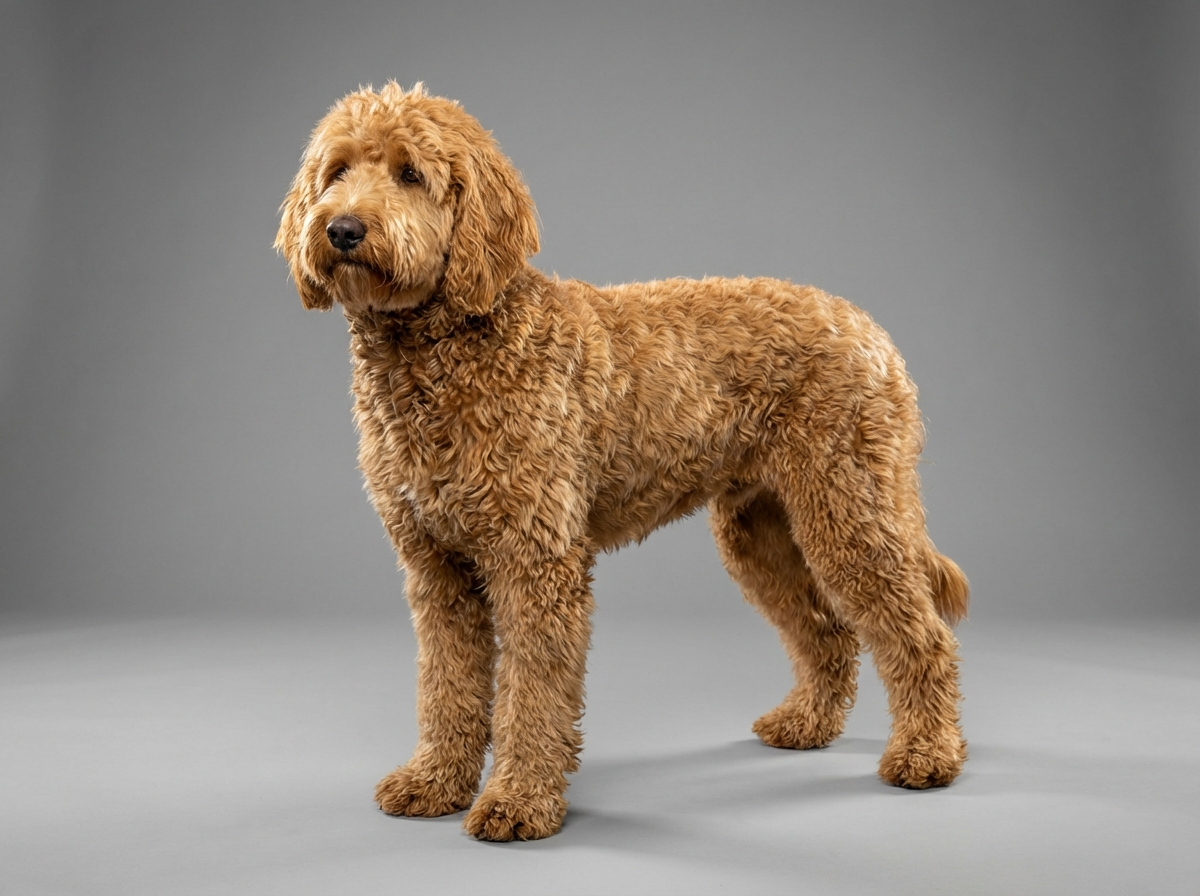
Poodle (Miniature) Separation Anxiety: What You Need to Know
Quick answer
What are some quick tips for Poodle (Miniature) separation anxiety?
Start by leaving your Poodle (Miniature) alone for short periods and gradually increase the time. Using puzzle toys can distract them while you're gone, and establishing a consistent routine helps them feel secure.
Poodle (Miniature) separation anxiety can be tough for both dogs and owners. It’s a common issue that causes distress when your pup is left alone.
Typical owners facing this challenge often have busy lifestyles and may need to leave their dogs alone for extended periods. Families with children or first-time dog owners might also find it difficult to manage their Mini Poodle's anxiety effectively.
Important reminder
This guide is not medical advice. If your dog shows pain, sudden behavior change, or worsening symptoms, consult a licensed veterinarian.
Some links may be affiliate links. We may earn a commission at no extra cost to you. We only suggest products we believe are helpful for dog owners.
We research and check what we publish, but we do not warrant that any figure, date, price, or statement is accurate, complete, or current, and we accept no liability for any loss, cost, injury, or other harm arising from the use of this site. Use it as one reference among several. You remain responsible for your own decisions and for your dog's care - confirm anything that matters with a licensed veterinarian or another qualified professional before you act on it. Full disclaimer.
What this problem looks like
Poodle (Miniature) separation anxiety is a common issue where your Mini Poodle feels distress when left alone. This can manifest as excessive barking, destructive behavior, or even attempts to escape. These behaviors indicate that your dog is uncomfortable being away from you, which can be challenging for both of you.
Common triggers
Changes in routine, such as moving to a new home or a shift in family dynamics
Long periods of alone time, even if it's just a few hours
A lack of socialization or exposure to different environments
Separation anxiety is quite common among Mini Poodles. Their strong attachment to family members makes them prone to anxiety when left alone. If you notice signs of distress, you're not alone; many owners face similar challenges.
Why this happens
Breed factors
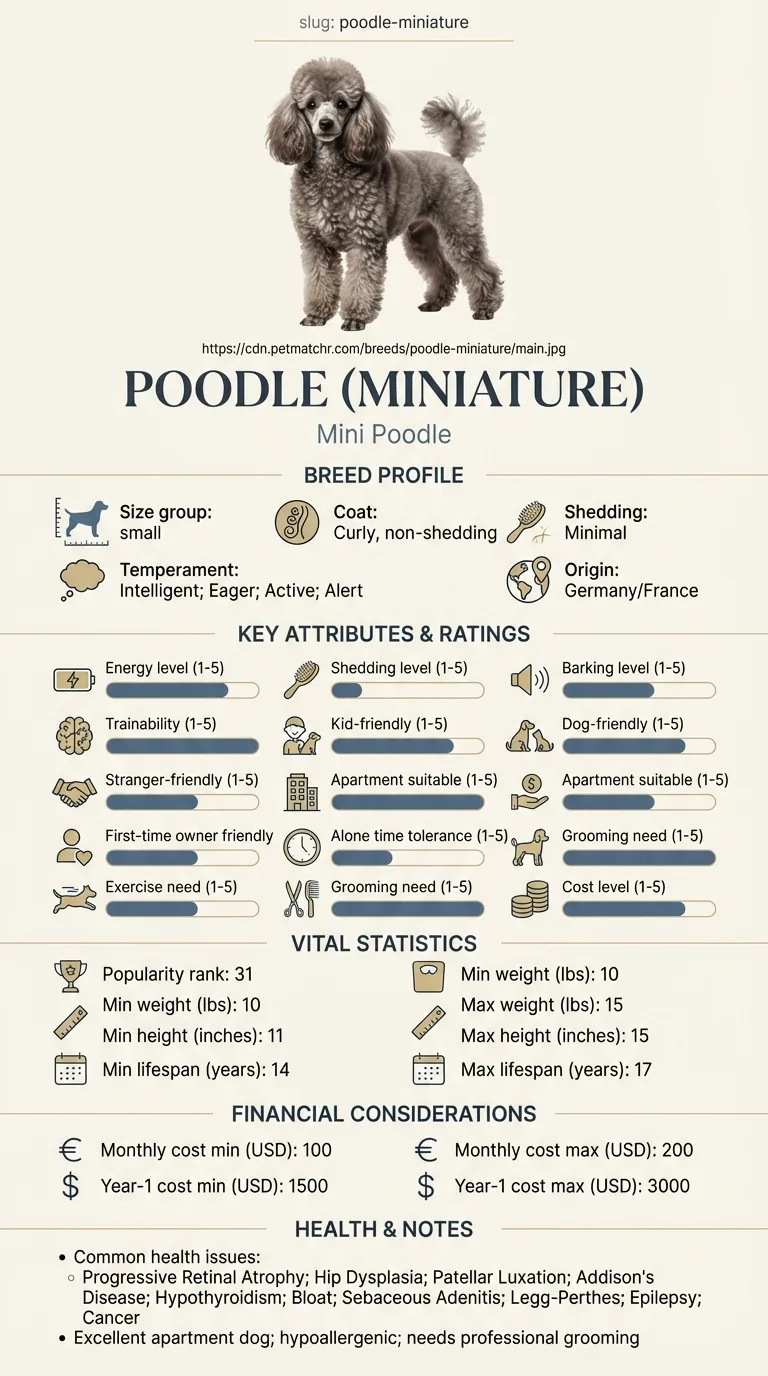
Poodle (Miniature) separation anxiety often stems from their strong attachment to their owners. This breed thrives on companionship and can become distressed when left alone for extended periods. Their high intelligence also means they can easily become bored or anxious if they don't receive enough mental stimulation.
Environment factors
Environmental factors play a significant role as well. Changes in routine, such as moving to a new home or changes in family dynamics, can trigger anxiety. Additionally, if a Mini Poodle has not been properly socialized or exposed to being alone gradually, they may struggle more with separation.
What you can try
At-home strategies
Create a safe space for your Poodle with their favorite toys and blankets. This can help them feel secure when you're away.
Gradually train your dog to be alone by starting with short absences and slowly increasing the time. Reward them for calm behavior when you leave and return.
Provide mental stimulation through puzzle toys or interactive games. This can keep them engaged and reduce anxiety.
Establish a consistent routine for feeding, walks, and playtime. Predictability can help ease their stress.
Consider using calming aids like anxiety wraps or pheromone diffusers to create a more soothing environment.
When to consider a trainer
If your Mini Poodle's separation anxiety persists despite your efforts, it may be time to consult a professional trainer. A trainer can provide personalized strategies and help you implement a structured training plan tailored to your dog's needs.
When to talk to your vet
If your dog's anxiety seems severe or is accompanied by destructive behavior, it's important to consult a veterinarian. They can rule out any medical issues and discuss potential treatments, including medications that can help manage anxiety.
With consistent training, you can see improvement in your Mini Poodle's separation anxiety within 4 to 8 weeks. However, every dog is different, and some may take longer.
Success means your Poodle can comfortably be alone for short periods without excessive barking, destructive behavior, or distress. They should show signs of settling down rather than panicking when you leave.
Mistakes that make Poodle (Miniature) Separation Anxiety worse
Avoiding these common mistakes can help improve your Poodle (Miniature)'s separation anxiety. Here are some behaviors to steer clear of, along with safer alternatives.
1. Giving too much attention before leaving: When you shower your Poodle (Miniature) with affection right before you leave, it can increase their anxiety. Instead, keep departures low-key and calm.
2. Making a fuss when you return: Overly excited greetings can lead to your dog anticipating your comings and goings. Try to stay calm and relaxed during reunions to help your dog feel secure.
3. Leaving your dog alone for long periods: If your Poodle (Miniature) is left alone too often, it can worsen their anxiety. Instead, start by leaving them for short periods and gradually increasing the time.
4. Ignoring signs of distress: If your dog shows signs of anxiety, like barking or destructive behavior, addressing these issues early is crucial. Consider consulting a trainer or behaviorist for effective strategies.
5. Relying solely on punishment: Punishing your dog for anxious behavior can increase their stress levels. Focus on positive reinforcement techniques to encourage calmness instead.
6. Not providing enough mental stimulation: A bored dog can become anxious and destructive. Ensure your Poodle (Miniature) has plenty of toys and engages in activities to keep their mind occupied.
7. Skipping training: Consistent training can help your Poodle (Miniature) feel more secure and confident. Incorporate training sessions into your routine to build a strong bond and reduce anxiety.
When Poodle (Miniature) Separation Anxiety Becomes an Emergency
Separation anxiety in your Poodle (Miniature) can range from mild distress to severe episodes that require immediate action. It's important to recognize when to call your vet versus when to monitor the situation at home.
Red-flag signs indicating an emergency include excessive barking, destructive behavior, or attempts to escape when left alone. If your Mini Poodle injures themselves while trying to break free or refuses to eat for more than 24 hours, these are clear signs to seek veterinary help.
On the other hand, mild cases of separation anxiety can often be managed at home. If your Poodle shows signs like a little whining or pacing but doesn't engage in harmful behaviors, you can create a plan to help them cope. Gradual desensitization and training can make a big difference over time. For example, start by leaving your dog alone for short periods and gradually increase the time as they become more comfortable. It's critical to engage with a vet or trainer if you're unsure about the severity of your dog's anxiety.
Poodle (Miniature) Separation Anxiety: What You Need to Know - When Poodle (Miniature) Separation Anxiety Becomes an Emergency
A Day in the Life of Sarah and Her Mini Poodle
Sarah, a busy nurse in Chicago, adopted a Mini Poodle named Max. She soon noticed Max would whine and chew on furniture whenever she left for work. Frustrated, Sarah learned that Mini Poodles can struggle with separation anxiety. She began a training routine using short departures and positive reinforcement. Within a few weeks, Max learned that Sarah would always come back, and his anxious behavior decreased. Now, he happily settles with his favorite toy while she is gone.
Key takeaway: The key to managing Poodle (Miniature) separation anxiety is patience and consistency. Gradual training can help your dog feel secure when left alone.
Frequently asked questions
Why does my Poodle (Miniature) have separation anxiety?
Poodle (Miniature) separation anxiety often stems from their strong bond with their owners. This breed thrives on companionship and may feel distressed when left alone for extended periods. Factors like changes in routine, moving to a new home, or previous traumatic experiences can also trigger this anxiety.
How can I stop my Poodle (Miniature) separation anxiety?
To stop Poodle (Miniature) separation anxiety, start by gradually getting your dog used to being alone. Begin with short departures and slowly increase the time you’re away. Providing mental stimulation through toys or puzzles can also help keep them occupied.
Is training effective for Poodle (Miniature) separation anxiety?
Yes, training can be very effective for managing Poodle (Miniature) separation anxiety. Positive reinforcement techniques, such as rewarding calm behavior or using a crate as a safe space, can help. Consider enrolling in a training class focused on anxiety management.
When should I consult a vet about my Poodle (Miniature) separation anxiety?
If your Poodle (Miniature) shows severe symptoms, like self-harm or extreme distress, consult a vet. They can rule out any underlying health issues and may recommend behavioral therapy or medication as part of a comprehensive treatment plan.
How can I help my older Poodle (Miniature) with separation anxiety?
Older Poodles may experience separation anxiety due to changes in their environment or health. Gradual desensitization, providing comfort items, and maintaining a consistent routine can help. Always consult your vet for tailored advice based on their health status.
Can medication help my Poodle (Miniature) with separation anxiety?
In some cases, medication may be necessary to manage Poodle (Miniature) separation anxiety, especially if it's severe. A veterinarian can evaluate your dog's situation and prescribe appropriate medication alongside behavioral training to ensure the best outcome.
Is crate training effective for Poodle (Miniature) separation anxiety?
Crate training can be an effective tool for managing separation anxiety in Poodles when done correctly. It provides a safe space for your dog and can help them learn to be alone gradually. However, it's important to ensure the crate is a positive place, not a punishment.
When should I seek professional help for my Poodle (Miniature) separation anxiety?
If your Poodle (Miniature) shows severe signs of separation anxiety that disrupt their daily life or yours, it's time to seek professional help. A dog trainer or behaviorist can provide tailored strategies and training to address the issue effectively.
What are some quick tips for Poodle (Miniature) separation anxiety?
Start by leaving your Poodle (Miniature) alone for short periods and gradually increase the time. Using puzzle toys can distract them while you're gone, and establishing a consistent routine helps them feel secure.
Behavior
Can I use calming products for my Poodle (Miniature)?
Yes, calming products like pheromone diffusers or anxiety wraps can be helpful. However, it's best to combine these with behavioral training for the best results.
Living
How much exercise does my Poodle (Miniature) need to help with anxiety?
Daily exercise is essential; aim for at least 30 minutes of activity. Regular walks and playtime can help reduce anxiety by burning off excess energy.