Behavior
What are quick tips to manage Miniature Schnauzer separation anxiety?
Start by leaving your Miniature Schnauzer alone for short periods and gradually increase the duration. Use interactive toys to keep them occupied while you're away.

Quick answer
What are quick tips to manage Miniature Schnauzer separation anxiety?
Start by leaving your Miniature Schnauzer alone for short periods and gradually increase the duration. Use interactive toys to keep them occupied while you're away.
Miniature Schnauzer separation anxiety is a common issue that can lead to distress when your pup is left alone.
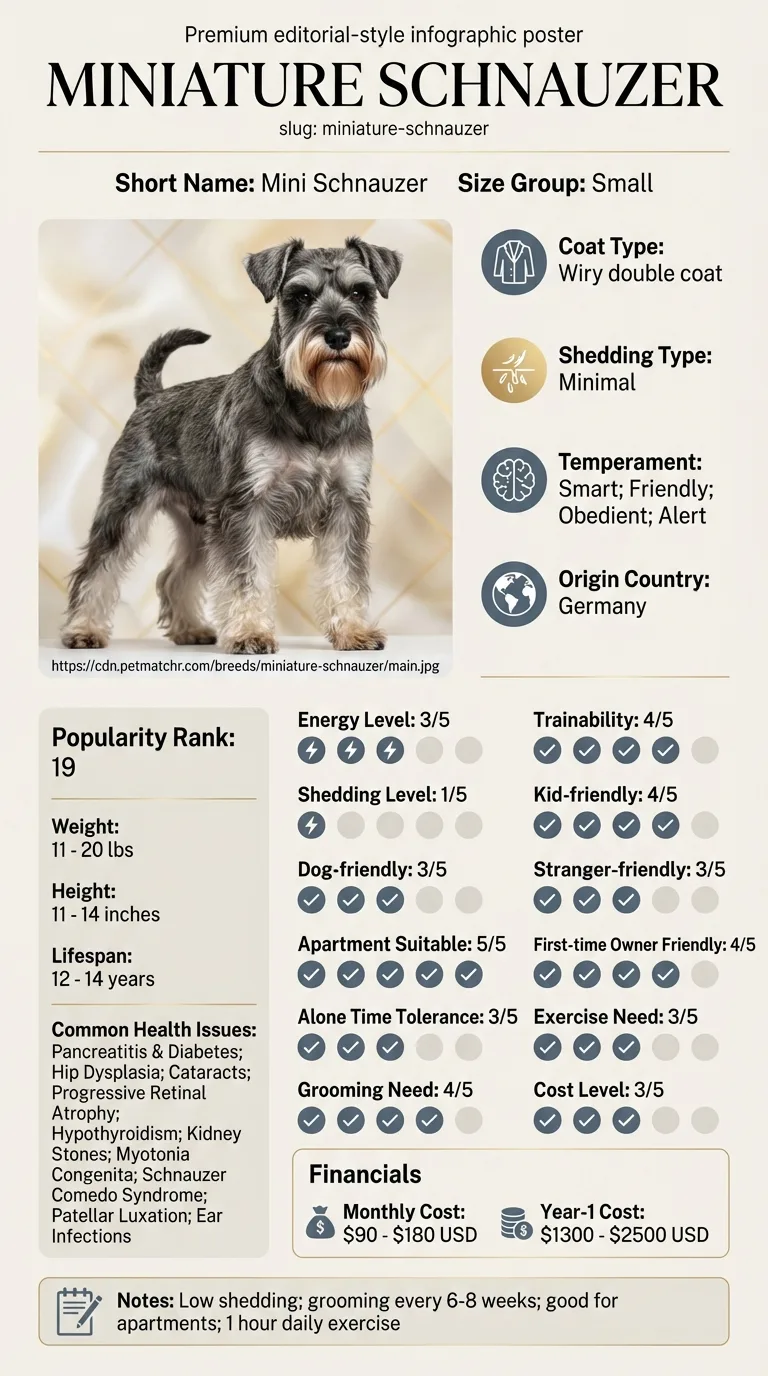
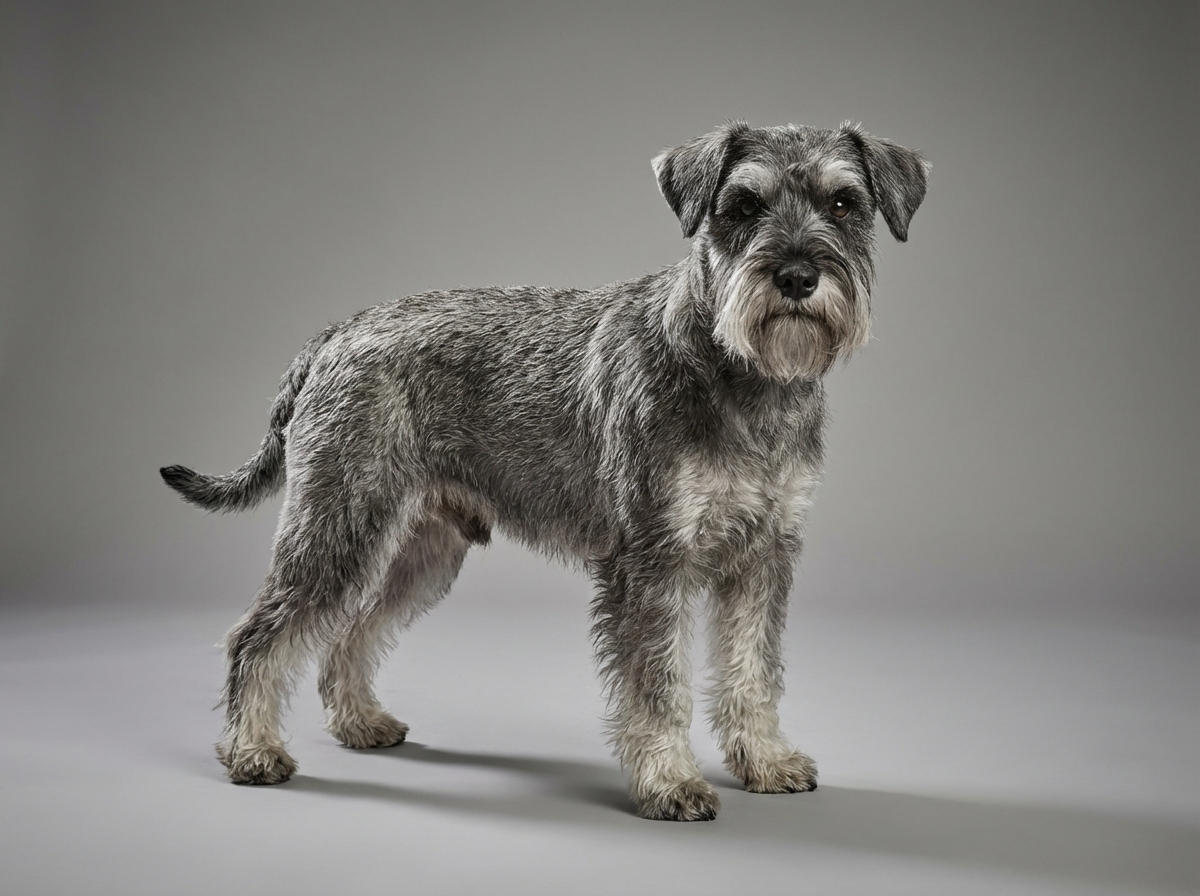
First-time dog owners or those with busy schedules often struggle with this problem. Miniature Schnauzers are known for their strong bonds with their owners, which can make alone time particularly challenging.
This guide is not medical advice. If your dog shows pain, sudden behavior change, or worsening symptoms, consult a licensed veterinarian.
Some links may be affiliate links. We may earn a commission at no extra cost to you. We only suggest products we believe are helpful for dog owners.
We research and check what we publish, but we do not warrant that any figure, date, price, or statement is accurate, complete, or current, and we accept no liability for any loss, cost, injury, or other harm arising from the use of this site. Use it as one reference among several. You remain responsible for your own decisions and for your dog's care - confirm anything that matters with a licensed veterinarian or another qualified professional before you act on it. Full disclaimer.
Miniature Schnauzer separation anxiety is a common issue for this breed, often manifesting when they are left alone. Owners may notice their Mini Schnauzer barking excessively, pacing, or even trying to escape. This distress can lead to destructive behaviors like chewing furniture or having accidents indoors.
Separation anxiety is quite common in Miniature Schnauzers. Many owners report experiencing this issue, especially in younger dogs or those who have not been properly trained to be alone.
Miniature Schnauzers are naturally social and bond closely with their owners. Their affectionate nature can lead to anxiety when left alone, especially if they haven't been properly acclimated. Additionally, their alert temperament means they might be more sensitive to changes in the home environment.
Separation anxiety can be influenced by changes in routine, moving to a new home, or a lack of early socialization. If a Miniature Schnauzer experiences a traumatic event, like being abandoned or rehomed, it can also trigger anxiety when left alone.
If your Miniature Schnauzer's separation anxiety doesn't improve with at-home strategies, consider consulting a professional trainer. A trainer can provide tailored behavior modification techniques and help identify triggers.
If your dog's anxiety leads to destructive behavior or excessive barking, it may be time to talk to your vet. They can rule out underlying health issues and discuss possible medication options if needed.
Start here: Miniature Schnauzer Most Common Genetic Disorders: Screening
See all Miniature Schnauzer health problems, which breeds are prone to separation anxiety, or the full Miniature Schnauzer breed guide for temperament, exercise needs and ownership costs.
You can expect to see improvements in your Miniature Schnauzer's separation anxiety within 4 to 8 weeks of consistent training and management.
Success means your Miniature Schnauzer can comfortably stay alone for short periods without excessive barking or destructive behavior.
Understanding common mistakes can help you avoid worsening your Miniature Schnauzer's separation anxiety. Here are key behaviors to watch for:
Separation anxiety in Miniature Schnauzers can range from mild stress to a serious situation. Recognizing the difference is key to ensuring your dog's well-being. If your Mini Schnauzer shows extreme distress, such as excessive barking, destructive behavior, or attempts to escape, it's crucial to call your vet right away.
Look for red flags that indicate an emergency. If your dog is injuring themselves while trying to escape, or if they refuse to eat or drink for more than a day, these are urgent signs. Additionally, if your Schnauzer is panting heavily, trembling, or showing signs of severe depression, it’s time to seek professional help immediately.
On the other hand, if your Miniature Schnauzer is displaying mild signs of anxiety, such as whining or pacing when you leave, you can monitor the situation at home. Create a safe space for them with toys and comforting items. Gradually increase the time they spend alone, and consider training techniques to help them adjust. This approach can be effective if your dog’s anxiety is manageable and not causing harm to themselves or your home.

Emily, a busy nurse in Chicago, struggled with her Miniature Schnauzer, Max, who became anxious whenever she left for work. Despite his friendly and smart nature, Max would bark incessantly and chew on furniture when left alone. Emily decided to tackle this issue by implementing a routine, gradually increasing the time Max spent alone. She also used puzzle toys to keep him engaged. Within two months, Max could stay alone for up to four hours without panic, and Emily could focus on her job knowing he was calm.
Key takeaway: With patience and a structured approach, you can help your Miniature Schnauzer manage separation anxiety effectively.
Miniature Schnauzers may develop separation anxiety due to their strong bond with their owners. Changes in routine, moving to a new home, or even a traumatic experience can trigger this behavior. Understanding the root cause is essential for effective management.
To help stop Miniature Schnauzer separation anxiety, gradually get your dog used to being alone. Start with short absences and slowly increase the time you're away. Providing a comfortable space with toys can also help ease their stress.
Signs of separation anxiety include excessive barking, destructive behavior, and attempts to escape. Other indicators are accidents in the house and drooling. Observing these behaviors can help you address the issue sooner.
Yes, training can be effective for Miniature Schnauzer separation anxiety. Positive reinforcement techniques, like rewarding calm behavior when you leave or return home, can help. Consistency is key, so stick to a routine.
In some cases, medication may be necessary for severe separation anxiety. Consult your vet about potential options. They can recommend medications that can be used alongside behavioral training.
Improvements in Miniature Schnauzer separation anxiety can take several weeks to months. Patience and consistency in your training approach are essential. Regularly reassess your strategies to see what works best.
Yes, older Miniature Schnauzers can develop separation anxiety, especially if they have experienced changes in their environment or routine. It's essential to monitor their behavior and seek professional advice if you notice any troubling signs.
Start by creating a safe space with their favorite toys and a comfortable bed. Gradually get them used to being alone for short periods, and reward calm behavior during these times to help build their confidence.
In some cases, a vet may recommend medication to help manage your Miniature Schnauzer's anxiety. This can be particularly useful when combined with training and behavior modification techniques.
The duration of training can vary significantly based on the severity of the anxiety. Some owners see improvements within a few weeks, while others may require months of consistent training and support to help their Mini Schnauzer feel secure when alone.
Start by leaving your Miniature Schnauzer alone for short periods and gradually increase the duration. Use interactive toys to keep them occupied while you're away.
Create a comforting environment with their favorite blanket and toys. You can also play calming music to help ease their anxiety.
Avoid making a big fuss when leaving or returning home, as this can increase anxiety. Instead, keep departures and arrivals low-key.
Behaviour changes often start with pain. The prep sheet for this page covers what to rule out, and what to ask.
You get: Vet visit prep sheet
No spam. One-click unsubscribe. See our privacy policy.
Preview page 1 before you decide.