Behavior
What are Great Dane separation anxiety quick tips?
Start with short departures and gradually increase the time you're away. Use treats and toys to distract your dog while you leave. Consider a comforting blanket or an item with your scent.

Quick answer
What are Great Dane separation anxiety quick tips?
Start with short departures and gradually increase the time you're away. Use treats and toys to distract your dog while you leave. Consider a comforting blanket or an item with your scent.
Great Dane separation anxiety can be a challenging issue for both dogs and their owners. This behavior often leads to distress when left alone, causing various problems at home.
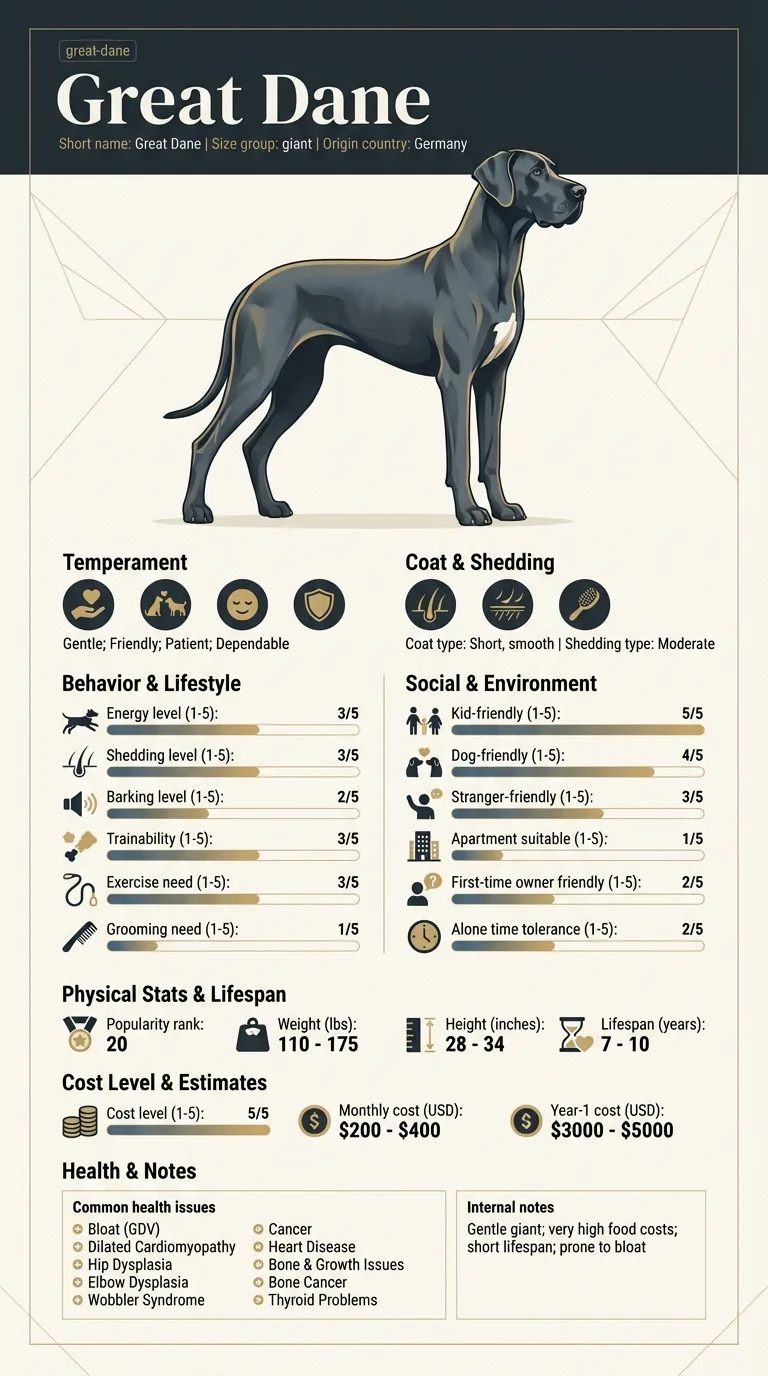
Many first-time dog owners or busy families may struggle with a Great Dane's separation anxiety. Those who work long hours or frequently leave their dogs alone may notice signs of distress, like barking, chewing, or accidents in the house.
This guide is not medical advice. If your dog shows pain, sudden behavior change, or worsening symptoms, consult a licensed veterinarian.
Some links may be affiliate links. We may earn a commission at no extra cost to you. We only suggest products we believe are helpful for dog owners.
We research and check what we publish, but we do not warrant that any figure, date, price, or statement is accurate, complete, or current, and we accept no liability for any loss, cost, injury, or other harm arising from the use of this site. Use it as one reference among several. You remain responsible for your own decisions and for your dog's care - confirm anything that matters with a licensed veterinarian or another qualified professional before you act on it. Full disclaimer.
Great Dane separation anxiety is a common issue that can cause distress for both the dog and owner. These gentle giants thrive on companionship and may become anxious when left alone for extended periods. Symptoms can include excessive barking, destructive behavior, or even attempts to escape. It's crucial to recognize these signs early to help your Great Dane feel more secure.
Separation anxiety is quite common among Great Danes, especially since they are known for their loyalty and attachment to their families. Many owners report facing this challenge, particularly during the first few months of bringing their Dane home.
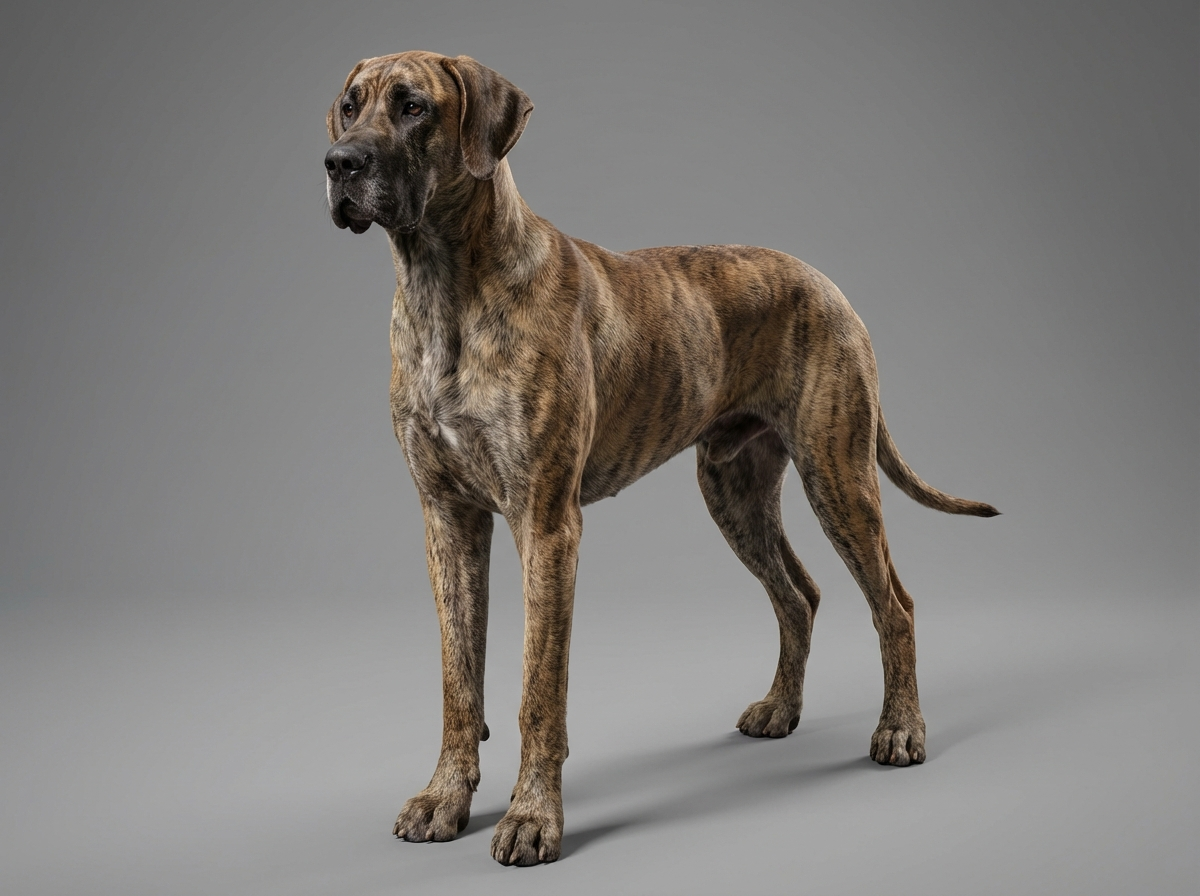
Great Danes are known for their gentle and friendly nature, but they can also be quite sensitive. Their strong attachment to their owners makes them prone to separation anxiety. This breed often struggles with being alone due to their social temperament and need for companionship.
Environmental factors can also contribute to separation anxiety in Great Danes. A chaotic home environment, frequent changes in routine, or lack of socialization can heighten their anxiety. Additionally, if they are left alone for long periods, this can exacerbate their distress.
If your Great Dane's separation anxiety persists despite your efforts, consider consulting a professional trainer. A trainer can provide personalized strategies and techniques tailored to your dog's needs. Group classes might also help socialize your dog and reduce anxiety.
If your Great Dane shows severe signs of anxiety, like destructive behavior or excessive barking, it’s time to talk to your vet. They can rule out any underlying health issues and discuss potential medication options if necessary. Always prioritize your dog's well-being.
Start here: Great Dane Most Common Genetic Disorders: What to Screen For
See all Great Dane health problems, which breeds are prone to separation anxiety, or the full Great Dane breed guide for temperament, exercise needs and ownership costs.
Most owners will see improvement in their Great Dane's separation anxiety within 4 to 8 weeks of consistent training and support.
Success looks like your Great Dane being able to stay alone for increasing periods without excessive barking, destructive behavior, or signs of distress.
Avoiding these common mistakes can help improve your Great Dane's separation anxiety.
Understanding when Great Dane separation anxiety is an emergency can help you act quickly. If your Great Dane shows severe signs of distress like excessive barking, destructive behavior, or attempts to escape, it's crucial to call your vet or a professional trainer. These behaviors can lead to injuries or worsen anxiety if not addressed immediately.
On the other hand, if your Great Dane displays mild symptoms such as whining, pacing, or being a bit clingy when you leave, these are usually manageable. You can monitor these behaviors with a structured plan, including gradual desensitization to alone time and providing engaging toys. Keeping track of your dog's reactions and working on training can often lead to improvement without emergency intervention.
In summary, red flags for emergencies include severe distress, physical harm, or ongoing destructive behavior. Monitor mild cases and implement training strategies, but reach out for professional help if your dog's anxiety escalates.

Emily, a busy nurse in a small apartment, struggled with her Great Dane, Max, who became anxious every time she left. He would bark loudly and even chew on furniture, making it hard for her to leave the house. After researching how to stop Great Dane separation anxiety, Emily implemented a combination of gradual desensitization and positive reinforcement training. Over weeks, she started leaving Max alone for short periods, gradually extending the time. With consistent training and the help of a local dog trainer, Max learned to feel more secure when alone.
Key takeaway: Patience and a structured training plan can significantly improve a Great Dane's separation anxiety, allowing both dog and owner to feel more at ease.
Signs of separation anxiety in Great Danes include excessive barking, destructive behavior, and trying to escape. You may also notice pacing, drooling, or excessive whining when you prepare to leave. Observe your dog's behavior carefully to identify patterns.
To stop Great Dane separation anxiety, start by gradually increasing the time your dog is left alone. Use positive reinforcement to reward calm behavior and provide engaging toys. Consider crate training as a safe space for your dog while you’re away.
Yes, training can significantly help with Great Dane separation anxiety. Consistent training that focuses on desensitization and counter-conditioning can teach your dog to associate your departures with positive experiences. Seek professional help if needed.
Products like anxiety wraps, calming toys, or pheromone diffusers can help ease a Great Dane's separation anxiety. Additionally, consider interactive toys that keep your dog entertained while you're away. Always choose products that are safe for your dog.
Establishing a consistent daily routine can help alleviate Great Dane separation anxiety. Regular feeding, exercise, and playtime schedules provide stability. Predictability helps your dog feel secure and less anxious when you leave.
If your Great Dane's separation anxiety is severe, impacting their health or safety, it's time to seek professional help. A veterinarian or certified dog trainer can provide tailored strategies and training methods to address the issue effectively.
Common signs include excessive barking, destructive behavior, and attempts to escape when left alone. You might also notice your Great Dane pacing, drooling, or becoming overly clingy before you leave.
Yes, separation anxiety can develop in older Great Danes, especially if they have experienced significant changes like moving to a new home or losing a companion. It's important to monitor their behavior and seek help if anxiety seems to increase.
If your Great Dane is only destructive when left alone, it’s likely separation anxiety. However, if they show signs of boredom, like chewing on toys or being restless, they may need more mental and physical stimulation even when you’re home.
Absolutely. If left unaddressed, separation anxiety can lead to more serious behavior issues such as aggression or persistent barking. It's vital to address the anxiety to prevent these complications.
If your Great Dane’s separation anxiety is severe or worsening, it’s a good idea to consult a vet. They can help rule out medical issues and recommend effective treatment options, including training or medication.
Start with short departures and gradually increase the time you're away. Use treats and toys to distract your dog while you leave. Consider a comforting blanket or an item with your scent.
Look for signs like pacing, barking, or destructive behavior when you prepare to leave. Excessive drooling or attempts to escape can also indicate anxiety.
Costs can vary widely, but training sessions may range from $100 to $500. Products like calming aids might add an additional $20 to $100 a month.
Yes, chronic anxiety can lead to health issues like gastrointestinal problems or a weakened immune system. Addressing separation anxiety early is crucial for your Great Dane's overall health.
Yes, with proper training, your Great Dane can learn to be comfortable alone. Start with short periods and gradually increase the time, rewarding calm behavior.
Behaviour changes often start with pain. The prep sheet for this page covers what to rule out, and what to ask.
You get: Vet visit prep sheet
No spam. One-click unsubscribe. See our privacy policy.
Preview page 1 before you decide.