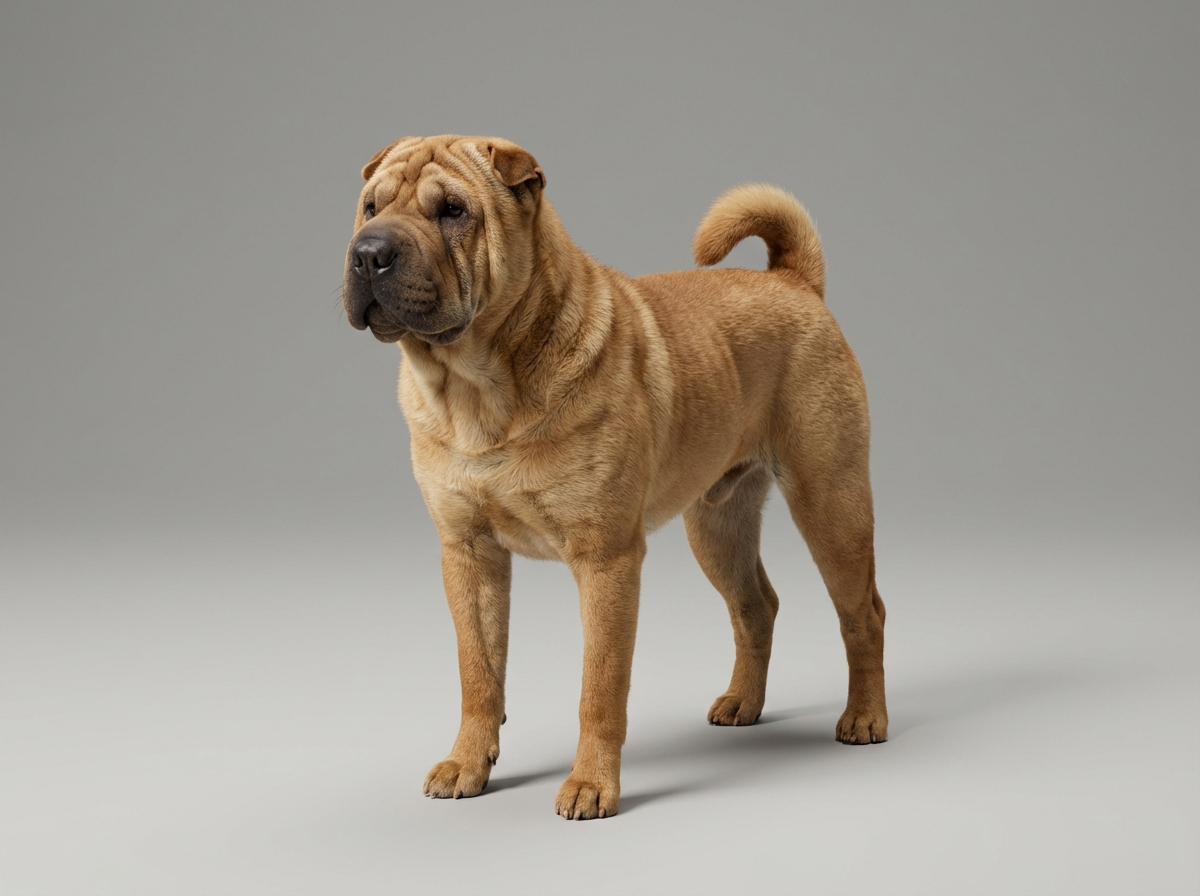
What are some quick tips for Maltese separation anxiety?
To help with Maltese separation anxiety, start by leaving your dog alone for short periods and gradually increase the time. Use calming music or toys to keep them occupied. Maintaining a consistent routine can also ease their anxiety.
Maltese separation anxiety can be a challenging issue for both dogs and their owners. It often leads to distress when left alone, making everyday life difficult.
Owners of Maltese dogs, especially those who work long hours or travel frequently, often face this issue. New pet parents may also find it challenging to manage their dog's anxiety.
Important reminder
This guide is not medical advice. If your dog shows pain, sudden behavior change, or worsening symptoms, consult a licensed veterinarian.
Some links may be affiliate links. We may earn a commission at no extra cost to you. We only suggest products we believe are helpful for dog owners.
We research and check what we publish, but we do not warrant that any figure, date, price, or statement is accurate, complete, or current, and we accept no liability for any loss, cost, injury, or other harm arising from the use of this site. Use it as one reference among several. You remain responsible for your own decisions and for your dog's care - confirm anything that matters with a licensed veterinarian or another qualified professional before you act on it. Full disclaimer.
What this problem looks like
Maltese separation anxiety is a common issue where your Maltese feels distressed when left alone. This anxiety can manifest through excessive barking, destructive behavior, or attempts to escape. These little dogs thrive on companionship and often struggle to cope when their owner is away, leading to noticeable stress.
Common triggers
Changes in routine or environment
Long periods of alone time
Lack of socialization with other dogs or people
Sudden changes in family dynamics, like moving or a new baby
Separation anxiety is quite common in Maltese dogs, particularly because of their strong bond with their owners. Many Maltese owners report experiencing this issue, especially in younger dogs or those that haven't been properly socialized.
Why this happens
Breed factors
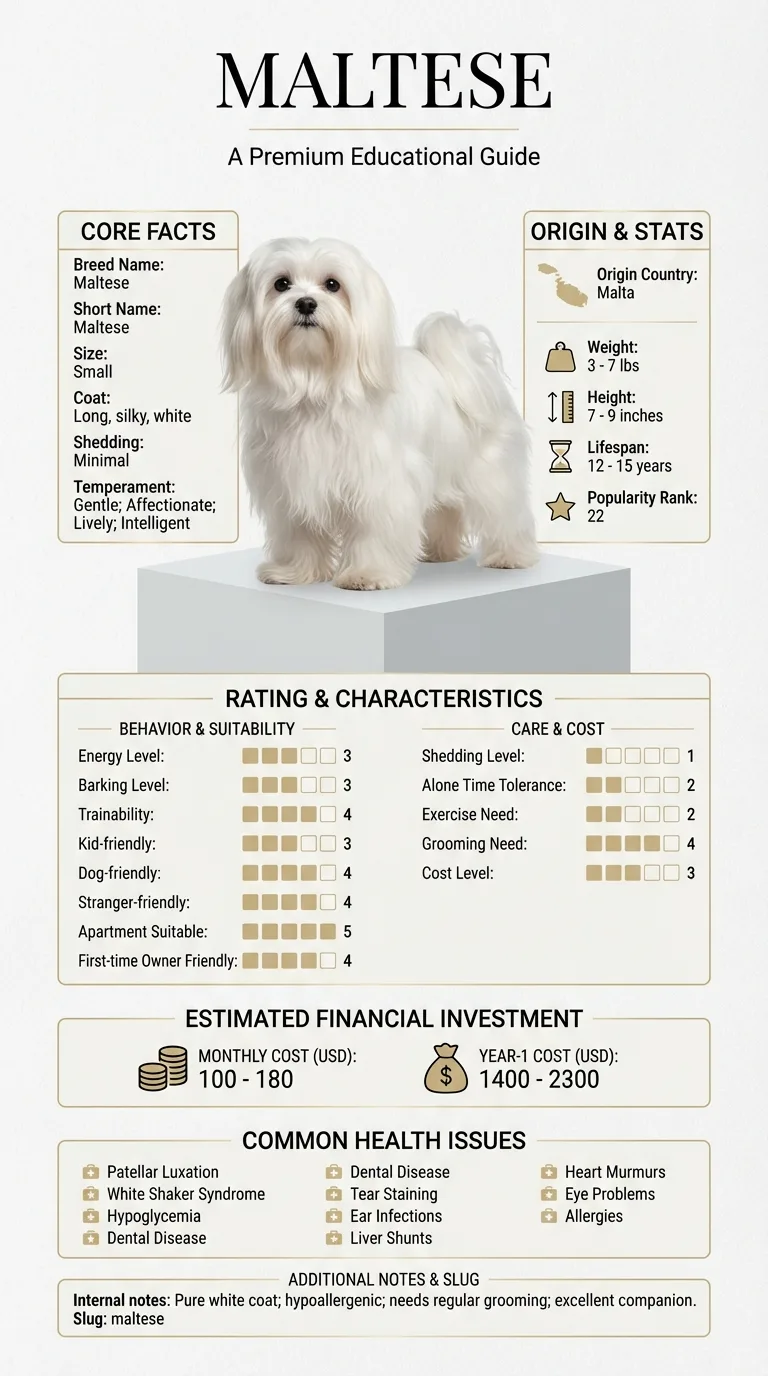
Maltese dogs are known for their affectionate nature and strong attachment to their owners. This breed thrives on companionship, and their desire for closeness can lead to anxiety when left alone. Their small size and gentle temperament can also make them more sensitive to changes in their environment.
Environment factors
Environmental factors can greatly influence Maltese separation anxiety. Frequent changes in routine, such as moving to a new home or changes in work hours, can increase stress. Additionally, a lack of socialization or inadequate exercise can heighten their anxiety levels when they are left alone.
What you can try
At-home strategies
Establish a routine: Consistency helps reduce anxiety. Set regular feeding, walking, and playtimes.
Create a safe space: Designate a cozy area for your Maltese with their bed and toys. This can provide comfort when you leave.
Practice short departures: Start by leaving your Maltese for short periods. Gradually increase the time as they adjust.
Provide distractions: Leave interactive toys or puzzles that engage your pet while you’re gone. This can help divert their attention.
Use calming aids: Consider pheromone diffusers or calming music specifically designed for dogs to help soothe their nerves.
When to consider a trainer
If your Maltese shows severe signs of anxiety, such as destructive behavior or excessive barking, it may be time to consult a professional trainer. Look for someone experienced in positive reinforcement techniques and separation anxiety training.
When to talk to your vet
If your Maltese's anxiety persists despite your efforts, or if you notice changes in appetite or behavior, consult a veterinarian. They can help rule out underlying health issues and discuss potential treatments.
With consistent training and patience, you can see improvements in your Maltese's separation anxiety within 4 to 12 weeks.
Success means your Maltese can stay alone for short periods without excessive barking or destructive behavior. Gradually, they should feel more secure when you're not home.
Mistakes that make Separation Anxiety worse
Many Maltese owners unknowingly reinforce separation anxiety with common mistakes. Here are some behaviors to avoid, along with safer alternatives.
1. Overreacting when leaving or returning home: This can heighten your Maltese's anxiety. Instead, keep departures and arrivals low-key to reduce stress.
2. Giving excessive attention before leaving: Showering your dog with love right before you go can create anxiety. Instead, establish a calm routine before leaving.
3. Providing comfort during anxious moments: If you comfort your Maltese when they’re anxious, it may reinforce the behavior. Instead, wait until they calm down before offering affection.
4. Ignoring training opportunities: Some owners overlook training that helps reduce anxiety. Invest time in positive reinforcement training to build confidence and independence.
5. Leaving them alone for long periods: Maltese are prone to separation anxiety and need companionship. Gradually increase alone time to help them adjust.
6. Relying solely on punishment: Punishing your dog for anxious behavior can worsen the problem. Use positive strategies and rewards to encourage calmness instead.
7. Not providing enough mental stimulation: A bored Maltese may become anxious. Engage them with puzzles or toys to keep their mind occupied.
When Maltese Separation Anxiety is an Emergency
Recognizing when Maltese separation anxiety becomes an emergency is crucial for your pet's well-being. While it’s common for Maltese dogs to feel anxious when left alone, some signs indicate a need for immediate veterinary attention. If you notice your Maltese exhibiting extreme distress, such as excessive barking, destructive behavior, or attempts to escape, these are red flags. Other concerning signs include loss of appetite, vomiting, or signs of depression.
If your Maltese is injuring themselves while trying to escape or showing signs of aggression, it's time to call your vet immediately. Additionally, if they become lethargic or unresponsive, these could signal a serious underlying issue. On the other hand, if your Maltese occasionally whines or displays mild anxiety when you leave, this may not require an emergency response.
Monitoring their behavior over time is important. Mild cases can often be managed with training techniques or behavior modification plans. For instance, gradual desensitization to being alone can help ease their anxiety. If your Maltese shows signs of anxiety but isn't exhibiting emergency behavior, consider implementing a structured routine or enriching their environment to help them feel more secure.
Maltese Separation Anxiety: Causes and Solutions - When Maltese Separation Anxiety is an Emergency
Emily and Bella's Journey to Overcoming Separation Anxiety
Emily, a busy nurse in Chicago, adopted a Maltese named Bella. She quickly noticed Bella would bark excessively and chew on furniture whenever Emily left for her shifts. Determined to help her new friend, Emily researched how to stop Maltese separation anxiety. She started with gradual departures, leaving Bella alone for just a few minutes at a time. Each time she returned, she rewarded Bella with treats and praise. Over weeks, Emily extended the time she was gone. With patience, Bella learned that being alone wasn't scary after all.
Key takeaway: Gradual exposure and positive reinforcement can effectively reduce separation anxiety in Maltese dogs. Small steps lead to big changes!
Frequently asked questions
Why does my Maltese have separation anxiety?
Maltese dogs often develop separation anxiety because they are highly social and form strong bonds with their owners. When left alone, they may feel stressed or scared, leading to destructive behavior. This can be exacerbated by changes in routine, environment, or family dynamics.
How can I stop Maltese separation anxiety?
To stop Maltese separation anxiety, gradually get your dog used to being alone. Start with short periods and slowly increase the duration. Use positive reinforcement when they remain calm during your absence, and provide them with toys or puzzles to keep them occupied.
What training methods work for Maltese separation anxiety?
Maltese separation anxiety training can include crate training, which provides a safe space for your dog. You can also use desensitization techniques, where you gradually leave and return at increasing intervals. Consulting a professional trainer can also be beneficial.
Are there products that can help with Maltese separation anxiety?
Yes, several products can help alleviate separation anxiety in your Maltese. Anxiety wraps, calming pheromone diffusers, and interactive toys can provide comfort and distraction. Always consult with your vet before trying new products.
What are the signs of separation anxiety in Maltese dogs?
Signs of separation anxiety in Maltese dogs can include excessive barking, destructive behavior, pacing, and attempts to escape. They may also show signs of distress like whining or drooling when you prepare to leave. Observing these behaviors can help you identify and address the issue early.
Can Maltese separation anxiety be treated?
Yes, Maltese separation anxiety can be treated with a combination of behavioral training, environmental changes, and sometimes medication. It’s essential to consult with a veterinarian or a pet behaviorist to create an effective plan tailored to your dog's needs.
How long does it take to train a Maltese with separation anxiety?
The time it takes to train a Maltese with separation anxiety varies based on the dog's temperament and the training method used. With consistent effort, improvements can often be seen within a few weeks, but it may take several months to fully resolve the issue.
Can separation anxiety in Maltese worsen with age?
Yes, separation anxiety can worsen as your Maltese ages, especially if they have been through significant changes like moving or losing a companion. Older dogs may become more sensitive and require additional comfort and reassurance.
When should I consult a vet about my Maltese's anxiety?
If your Maltese shows severe signs of separation anxiety, such as self-harm or extreme distress, it's time to consult a vet. They can help rule out any underlying health issues and suggest appropriate training or medication.
Is Maltese separation anxiety common among small breeds?
Yes, small breeds like the Maltese are often more prone to separation anxiety. Their strong bond with owners can make being alone particularly stressful for them, so it's important to address this behavior early.
How long can a Maltese be left alone without developing anxiety?
Typically, a Maltese should not be left alone for more than 2 to 4 hours at a time. If they need to be alone longer, consider gradual training or hiring a pet sitter to help ease their anxiety.
What are some quick tips for Maltese separation anxiety?
To help with Maltese separation anxiety, start by leaving your dog alone for short periods and gradually increase the time. Use calming music or toys to keep them occupied. Maintaining a consistent routine can also ease their anxiety.
Behavior
How can I tell if my Maltese is anxious when alone?
If your Maltese is anxious when alone, you may notice excessive barking, destructive behavior, or signs of distress like drooling. Monitoring their behavior can help you determine if they're experiencing separation anxiety.
Behavior
Is it common for Maltese to have separation anxiety?
Yes, separation anxiety is common in Maltese dogs due to their strong attachment to their owners. They thrive on companionship, making it challenging for them to be left alone.
Training
Can training help my Maltese with separation anxiety?
Absolutely! Training techniques like desensitization and positive reinforcement can significantly help your Maltese overcome separation anxiety. Consistency is key to success.