Behavior
How can I prevent Golden Retriever obesity?
To prevent obesity, monitor your Golden's diet carefully, provide regular exercise, and limit treats. Consistency is essential for maintaining a healthy weight.

Quick answer
How can I prevent Golden Retriever obesity?
To prevent obesity, monitor your Golden's diet carefully, provide regular exercise, and limit treats. Consistency is essential for maintaining a healthy weight.
Golden Retriever obesity is a growing concern for many pet owners.
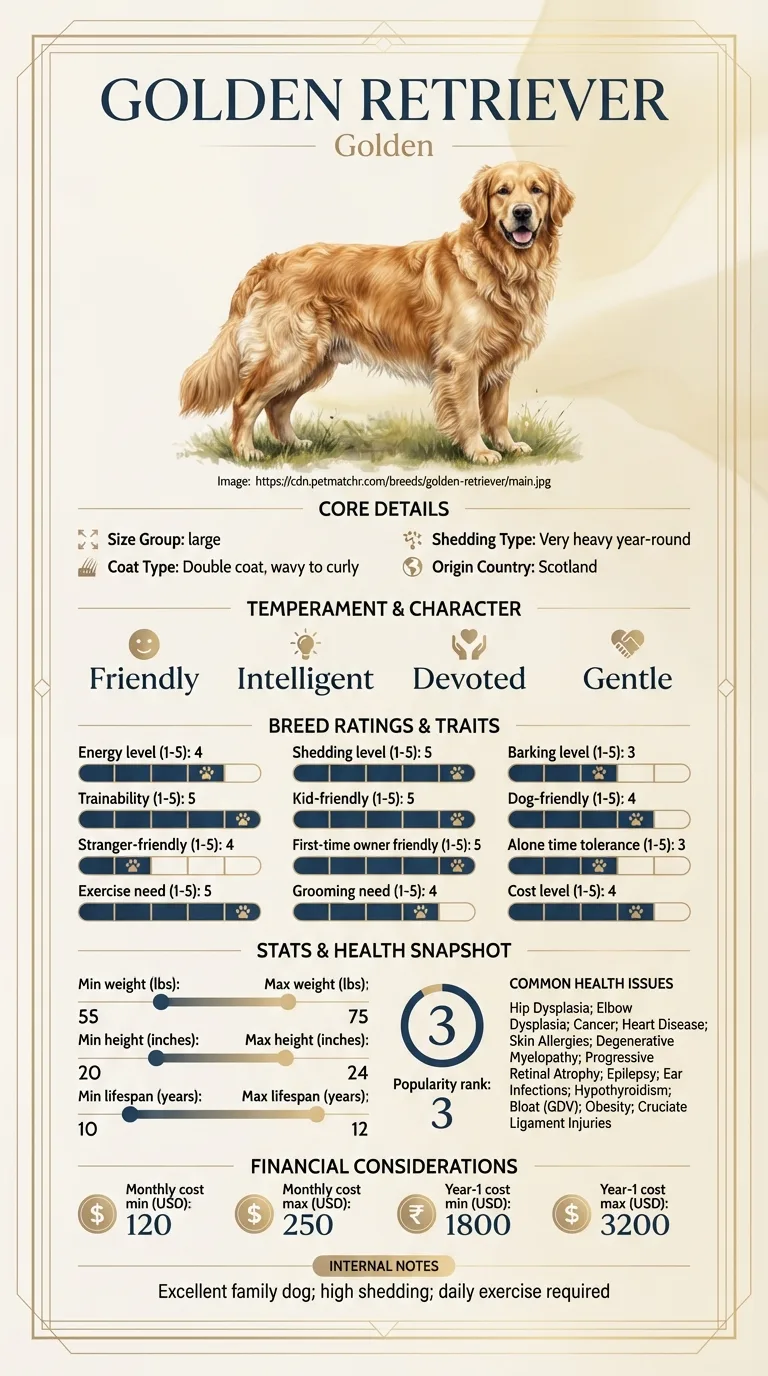
Owners of Golden Retrievers often face this challenge, especially those who may not be aware of their dog's dietary needs or exercise requirements. Busy families and first-time dog owners are particularly at risk.
This guide is not medical advice. If your dog shows pain, sudden behavior change, or worsening symptoms, consult a licensed veterinarian.
Some links may be affiliate links. We may earn a commission at no extra cost to you. We only suggest products we believe are helpful for dog owners.
We research and check what we publish, but we do not warrant that any figure, date, price, or statement is accurate, complete, or current, and we accept no liability for any loss, cost, injury, or other harm arising from the use of this site. Use it as one reference among several. You remain responsible for your own decisions and for your dog's care - confirm anything that matters with a licensed veterinarian or another qualified professional before you act on it. Full disclaimer.
Check this first
Recognizing when Golden Retriever obesity becomes an emergency is crucial for your dog’s health. If your Golden shows signs like difficulty breathing, severe lethargy, or inability to stand, these are red flags. These symptoms could indicate serious health issues that require immediate veterinary attention.
Alternatively, if your dog is slightly overweight but active and playful, you might not need to rush to the vet. Monitor their weight and consider adjusting their diet and exercise gradually. Keep an eye out for less urgent signs, such as occasional panting or mild fatigue after playtime.
These can often be managed with lifestyle changes.
If you’re unsure whether your Golden’s weight is a concern, a vet visit is always a good idea. It’s better to be cautious, especially with a breed prone to health issues like Golden Retrievers. Being proactive can help prevent more serious issues down the line.
If any of these apply, call your vet or an emergency clinic now. The rest of this page is for the cases that are not an emergency.
Golden Retriever obesity is a growing concern for many dog owners. This breed, known for its friendly and devoted nature, can easily become overweight if not managed properly. Day-to-day, an obese Golden Retriever may struggle with basic activities like running or playing, leading to a lower quality of life.
Obesity is common among Golden Retrievers, with studies showing that about 30% of them are overweight. This issue can be exacerbated by their loving nature, as owners often give in to their begging for treats.
Golden Retrievers are prone to obesity due to their large size and love for food. Their friendly, patient nature often leads them to be overfed by well-meaning owners. Additionally, their moderate exercise needs can make it easy for them to gain weight if not properly managed.
An owner's lifestyle can also contribute to Golden Retriever obesity. A lack of physical activity, combined with high-calorie treats and free-feeding habits, can lead to weight gain. Changes in routine, like a move or family changes, can affect exercise and diet, making it easier for your Golden to pack on the pounds.
If your Golden Retriever has significant weight gain or shows signs of health issues, consult your vet. They can assess for underlying conditions contributing to obesity, such as thyroid problems. Regular check-ups are also essential to ensure your dog remains healthy while managing their weight.
Managing Golden Retriever obesity can be a challenge, but some common mistakes can make the situation even tougher. Here are key behaviors to avoid and safer alternatives to consider.
Start here: Golden Retriever Most Common Genetic Disorders: Screening
See all Golden Retriever health problems, which breeds are prone to obesity, or the full Golden Retriever breed guide for temperament, exercise needs and ownership costs.
You can expect to see improvements in your Golden Retriever's weight and energy levels within 2-3 months of starting a consistent diet and exercise routine.
Success means your Golden Retriever will have a healthier weight, increased energy, and improved overall well-being. You should also notice a positive change in their behavior, such as increased playfulness and willingness to engage in activities.
When Sarah adopted Max, her Golden Retriever, she quickly noticed he was overweight. Despite being a friendly dog, Max struggled to keep up during walks and often preferred lounging on the couch. Sarah realized that she needed to make a change. She consulted her vet, who recommended a specific diet and a daily exercise plan. Sarah started taking Max on longer walks and introduced interactive toys to encourage play. After three months, Max lost 10 pounds and had so much more energy. He now eagerly awaits their daily walks and enjoys playing fetch in the yard.
Key takeaway: With commitment and the right plan, you can help your Golden Retriever overcome obesity and lead a healthier, happier life.
Golden Retriever obesity can stem from overfeeding, lack of exercise, or health issues. Many owners underestimate their dog's calorie needs or give too many treats. It's crucial to monitor their weight and adjust their diet and activity levels accordingly.
To combat Golden Retriever obesity, focus on a balanced diet and regular exercise. Reducing portion sizes, eliminating table scraps, and increasing activity can help. Aim for at least an hour of exercise each day to keep your Golden fit.
Common signs of obesity in Golden Retrievers include difficulty in feeling their ribs, lack of a defined waist, and decreased energy levels. If your dog struggles with activities they once enjoyed, it may be time to evaluate their weight and diet.
Yes, training can play a vital role in addressing Golden Retriever obesity. Incorporating training sessions into playtime can increase physical activity while strengthening your bond with your dog. Consider using treats wisely as rewards to avoid extra calories.
A high-quality, balanced diet with controlled portions is ideal for a Golden Retriever with obesity. Look for foods formulated for weight management, and consult your vet for personalized recommendations based on your dog's specific needs.
Aim for at least 60 minutes of exercise daily for your Golden Retriever. This can include walks, playtime, and interactive games. Consistency is key to helping them lose weight and maintain a healthy lifestyle.
If your Golden Retriever is overweight or you notice significant changes in their weight, consult your vet. They can provide a tailored weight loss plan and check for any underlying health issues contributing to obesity.
Common signs of obesity in Golden Retrievers include difficulty in feeling their ribs, lack of a defined waist, and excessive weight around the abdomen. You may also notice reduced energy levels and difficulty in exercising. Regular vet check-ups can help assess their weight.
Yes, older Golden Retrievers can develop obesity more easily due to decreased activity levels and slower metabolism. It's essential to adjust their diet and exercise routine as they age. Consult your vet for tailored advice on managing their weight effectively.
Preventing obesity involves providing a balanced diet and ensuring regular exercise. Limit treats and follow a feeding schedule to control portion sizes. Engaging in daily activities like walks and playtime can help maintain their healthy weight.
If your Golden Retriever is obese, consult your vet for a weight loss plan tailored to their needs. This may include a specialized diet and a gradual increase in exercise. Monitor their progress regularly to adjust the plan as needed.
Obesity can occur even with regular exercise if your Golden Retriever is consuming more calories than they burn. Factors like high-calorie treats, overfeeding, or underlying health issues can contribute to weight gain. A vet can help identify the cause and suggest solutions.
To prevent obesity, monitor your Golden's diet carefully, provide regular exercise, and limit treats. Consistency is essential for maintaining a healthy weight.
Consider meal prepping to control portions, engage in daily walks, and choose low-calorie treats for training. Keeping a routine helps your Golden stay active.
If your Golden is reluctant to exercise, try varying the activities you offer. Short, engaging play sessions can spark their interest and make exercise enjoyable.
Yes, obesity can lead to severe health issues, including joint problems and heart disease. It's essential to take weight management seriously for their well-being.
Keep a log of your Golden's weight and body condition score. Regular vet check-ups can also help monitor their progress effectively.
A one-page prep sheet for this condition: the signs, the questions to ask, what to get priced. Unlocks here.
You get: Vet visit prep sheet
No spam. One-click unsubscribe. See our privacy policy.
Preview page 1 before you decide.