DogBreedCompass
← Back to breed profile

English Springer Spaniel Immune-Mediated Thyroiditis: A Guide for Owners

English Springer Spaniel immune-mediated thyroiditis is a serious autoimmune condition that affects your dog's thyroid gland. This can lead to a range of health issues if not managed properly.

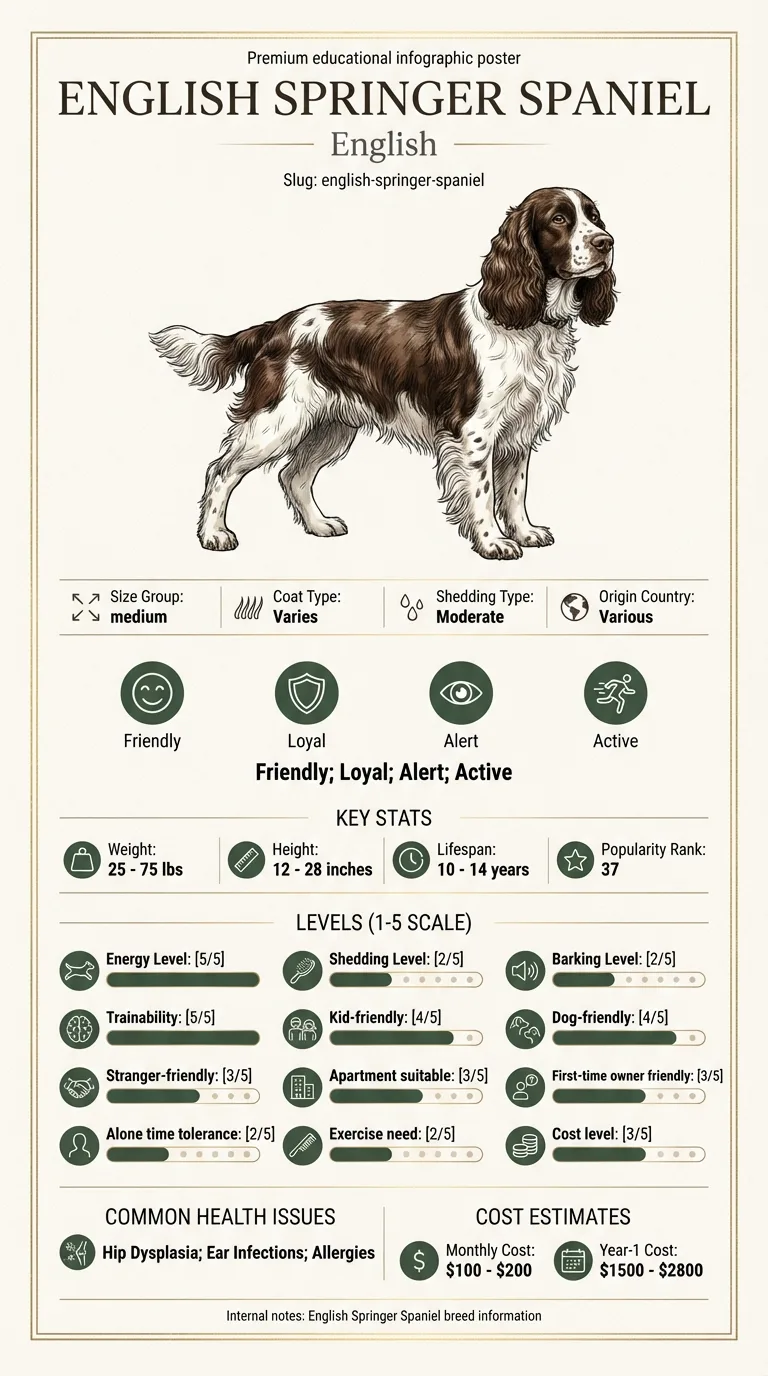
English Springer Spaniel Immune-Mediated Thyroiditis: A Guide for Owners infographic

Typically, owners of English Springer Spaniels who are noticing these unusual symptoms may feel overwhelmed. They often want the best for their furry friends but may not know how to address these health concerns.

Important reminder

This guide is not medical advice. If your dog shows pain, sudden behavior change, or worsening symptoms, consult a licensed veterinarian.

Some links may be affiliate links. We may earn a commission at no extra cost to you. We only suggest products we believe are helpful for dog owners.

What this problem looks like

English Springer Spaniel immune-mediated thyroiditis is an autoimmune condition where the dog's immune system attacks its thyroid gland. This can lead to a variety of symptoms, including weight gain, lethargy, and changes in coat quality. Owners may notice their dog seeming more tired than usual or losing interest in activities they once enjoyed.

Common triggers

  • Genetics
  • Environmental factors
  • Dietary issues

This condition can occur in English Springer Spaniels, but it's not extremely common. While some breeds are predisposed to thyroid issues, a well-cared-for Springer with a good diet and regular vet visits can manage their health effectively.

Why this happens

Breed factors

English Springer Spaniels are genetically predisposed to immune-mediated thyroiditis. This means certain dogs may have a higher risk of developing this autoimmune disease due to their breed's specific genetic traits. When the immune system mistakenly attacks the thyroid, it can lead to hormonal imbalances affecting their overall health.

Environment factors

Environmental factors can also play a significant role. Stress, poor diet, or exposure to certain toxins may trigger or worsen the condition. A dog's lifestyle, including its living conditions and diet, can influence its immune system's health.

What you can try

At-home strategies

  • Maintain a balanced diet with high-quality dog food that supports thyroid health. Consult your vet for recommendations tailored to your dog's needs.
  • Create a calm environment to reduce stress. Use comforting tools like blankets or toys to help your English Springer Spaniel feel secure.
  • Monitor your dog's weight and energy levels. Regular check-ins can help you spot any changes early, allowing for quicker interventions.

When to consider a trainer

If your dog shows behavioral issues or anxiety related to their condition, consider working with a professional trainer. They can provide specialized training techniques to help manage stress and improve behavior.

When to talk to your vet

Consult your vet if you notice symptoms like lethargy, weight gain, or changes in appetite. A vet can perform tests to diagnose immune-mediated thyroiditis and recommend appropriate treatments, including medication or dietary adjustments.

Realistic expectations

It typically takes 3 to 6 months to notice significant improvements in managing English Springer Spaniel immune-mediated thyroiditis with consistent care and treatment.

Success means your dog has stabilized thyroid levels, shows increased energy, and maintains a healthy weight.

Mistakes that make this worse

Avoid these common mistakes that can worsen your English Springer Spaniel's immune-mediated thyroiditis.

  • Neglecting Regular Vet Check-ups: Skipping vet visits can prevent early detection of health issues. Schedule regular check-ups to monitor your dog's thyroid levels and overall health.
  • Ignoring Dietary Needs: Feeding low-quality food can aggravate thyroid problems. Opt for a balanced diet with high-quality ingredients tailored for thyroid health.
  • Overlooking Medication Compliance: If your vet prescribes medication, make sure to follow the dosage and schedule. Missing doses can lead to increased health risks.
  • Stressful Environments: Exposing your dog to stressful situations can worsen their condition. Create a calm, stable home environment and avoid sudden changes that might stress them out.
  • Inconsistent Training: Inconsistent training can lead to anxiety and behavioral problems. Establish a consistent routine that helps your dog feel secure and confident.
  • Self-Diagnosing: Trying to diagnose or treat your dog's condition without professional help can do more harm than good. Always consult your veterinarian for the best advice and treatment options.
  • Neglecting Exercise: Lack of exercise can lead to weight gain and further health complications. Provide regular, moderate exercise that suits your dog's energy level.

When English Springer Spaniel Immune-Mediated Thyroiditis is an Emergency

Understanding when English Springer Spaniel immune-mediated thyroiditis becomes an emergency is crucial for your dog’s health. Certain signs indicate you should call your vet immediately, while other symptoms can be managed at home. Recognizing these differences can help ensure your furry friend receives the right care in a timely manner.

English Springer Spaniel Immune-Mediated Thyroiditis: A Guide for Owners - When English Springer Spaniel Immune-Mediated Thyroiditis is an Emergency

Red-Flag Signs to Call Your Vet

If your English Springer Spaniel shows any of these red-flag signs, contact your vet right away: - Sudden weight loss or gain - Severe lethargy or weakness - Extreme changes in appetite - Noticeable difficulty breathing - Vomiting or diarrhea that lasts more than a day - Seizures or tremors These symptoms can indicate serious complications and should not be ignored.

English Springer Spaniel Immune-Mediated Thyroiditis: A Guide for Owners - Red-Flag Signs to Call Your Vet
  • Sudden weight loss or gain
  • Severe lethargy or weakness
  • Extreme changes in appetite
  • Noticeable difficulty breathing
  • Vomiting or diarrhea that lasts more than a day
  • Seizures or tremors

Mild Cases to Monitor

In less severe cases, you can monitor your dog with a plan. Watch for these milder symptoms that typically don’t require immediate vet visits: - Slight lethargy - Occasional vomiting or diarrhea - Mild fluctuations in weight - Decreased appetite without other symptoms Always keep your vet informed if these symptoms persist or worsen.

English Springer Spaniel Immune-Mediated Thyroiditis: A Guide for Owners - Mild Cases to Monitor
  • Slight lethargy
  • Occasional vomiting or diarrhea
  • Mild fluctuations in weight
  • Decreased appetite without other symptoms

Finding Balance: Managing Bella's Thyroid Condition

Emily, a busy nurse in Seattle, noticed her English Springer Spaniel, Bella, was lethargic and gaining weight despite regular exercise. After a vet visit, Bella was diagnosed with immune-mediated thyroiditis. Emily felt overwhelmed but committed to Bella’s care. She followed a strict medication schedule and adjusted Bella's diet with help from a pet nutritionist. Over a few months, Bella's energy returned, and she shed the extra pounds. Emily learned to recognize signs of low energy and started a regular monitoring routine with her vet.

Key takeaway: Managing English Springer Spaniel immune-mediated thyroiditis requires dedication, but with the right treatment and lifestyle changes, your dog can thrive.

Frequently asked questions

Why does my English Springer Spaniel have immune-mediated thyroiditis?

English Springer Spaniels can develop immune-mediated thyroiditis due to genetic predispositions and environmental factors. This autoimmune disease affects their thyroid gland, leading to various health issues. Regular vet check-ups can help catch this condition early.

How can I manage my English Springer Spaniel's immune-mediated thyroiditis?

To manage English Springer Spaniel immune-mediated thyroiditis, work closely with your vet to establish a treatment plan. This often includes hormone replacement therapy and regular monitoring of thyroid levels. A balanced diet and appropriate exercise can also support their overall health.

What are the symptoms of immune-mediated thyroiditis in English Springer Spaniels?

Common symptoms include weight gain, lethargy, hair loss, and skin issues. If you notice these signs, it's essential to consult a veterinarian. Early diagnosis can lead to more effective treatment and improved quality of life.

Can immune-mediated thyroiditis in English Springer Spaniels be cured?

Currently, immune-mediated thyroiditis cannot be cured, but it can be effectively managed. With proper treatment and regular vet visits, many dogs can lead healthy lives. Consistency in medication and care is key.

What dietary changes can help my English Springer Spaniel with immune-mediated thyroiditis?

A diet rich in omega-3 fatty acids and low in processed ingredients can benefit dogs with immune-mediated thyroiditis. Consult your vet for specific dietary recommendations that suit your dog's needs. Supplements may also help support their immune system.

What are the early signs of English Springer Spaniel immune-mediated thyroiditis?

Early signs of English Springer Spaniel immune-mediated thyroiditis can include weight gain, lethargy, and changes in coat quality. If you notice these symptoms, it's important to consult your vet for a proper diagnosis.

How can I support my English Springer Spaniel with immune-mediated thyroiditis?

Supporting your English Springer Spaniel with immune-mediated thyroiditis involves a balanced diet and possibly medication as prescribed by your vet. Regular check-ups will help monitor their thyroid levels and overall health.

Can immune-mediated thyroiditis affect older English Springer Spaniels differently?

Yes, older English Springer Spaniels may experience more severe symptoms due to the progression of the disease. It's crucial to keep an eye on their energy levels and weight, and to maintain regular vet appointments as they age.

Is immune-mediated thyroiditis hereditary in English Springer Spaniels?

While the exact cause of immune-mediated thyroiditis is not fully understood, some studies suggest a genetic predisposition may exist in certain breeds, including English Springer Spaniels. If you have concerns, discuss them with your breeder or vet.

How does stress affect English Springer Spaniel immune-mediated thyroiditis?

Stress can exacerbate symptoms of immune-mediated thyroiditis in English Springer Spaniels. Providing a calm environment and engaging in stress-relief activities can help manage their condition effectively.

Quick answers

View more answers
Health

What are quick tips for English Springer Spaniel immune-mediated thyroiditis?

Monitor your dog’s weight and energy levels closely, and ensure they are on the correct medication. Regular vet visits are crucial for managing their health effectively.

Health

How often should my English Springer Spaniel see the vet?

Your English Springer Spaniel should see the vet at least twice a year for routine check-ups and to monitor thyroid levels. Adjust this frequency based on their health and age.

Costs

What is the cost of treating immune-mediated thyroiditis in English Springer Spaniels?

Treatment costs can vary, but expect to spend between $100 to $200 per month, including medication and vet visits. Yearly costs may range from $1,500 to $2,800.

Related DogBreedCompass guides

Related guides