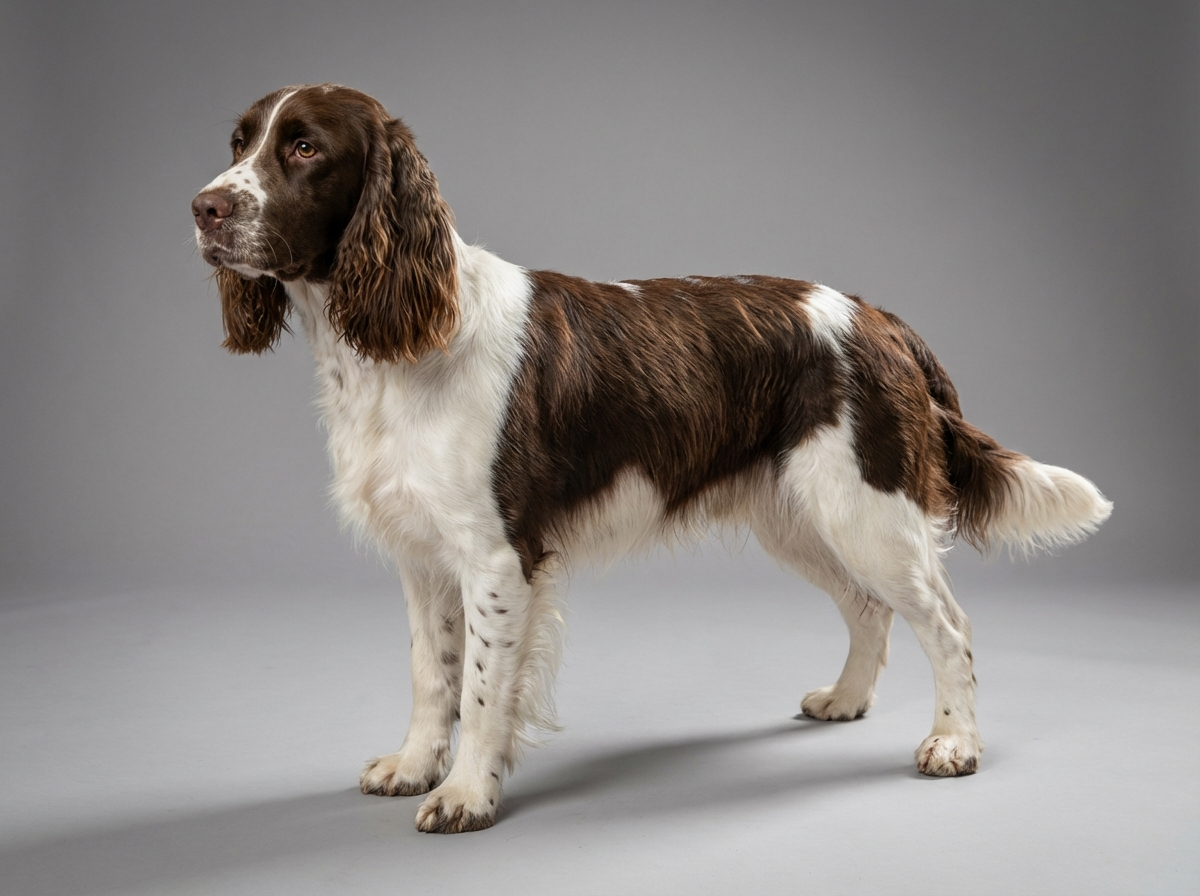
Behavior
What are quick tips for managing English Springer Spaniel hip dysplasia?
Maintain a healthy diet, provide low-impact exercise, and monitor your dog's weight to manage English Springer Spaniel hip dysplasia effectively.

Quick answer
What are quick tips for managing English Springer Spaniel hip dysplasia?
Maintain a healthy diet, provide low-impact exercise, and monitor your dog's weight to manage English Springer Spaniel hip dysplasia effectively.
English Springer Spaniel hip dysplasia is a serious condition that affects many dogs, leading to painful mobility issues.
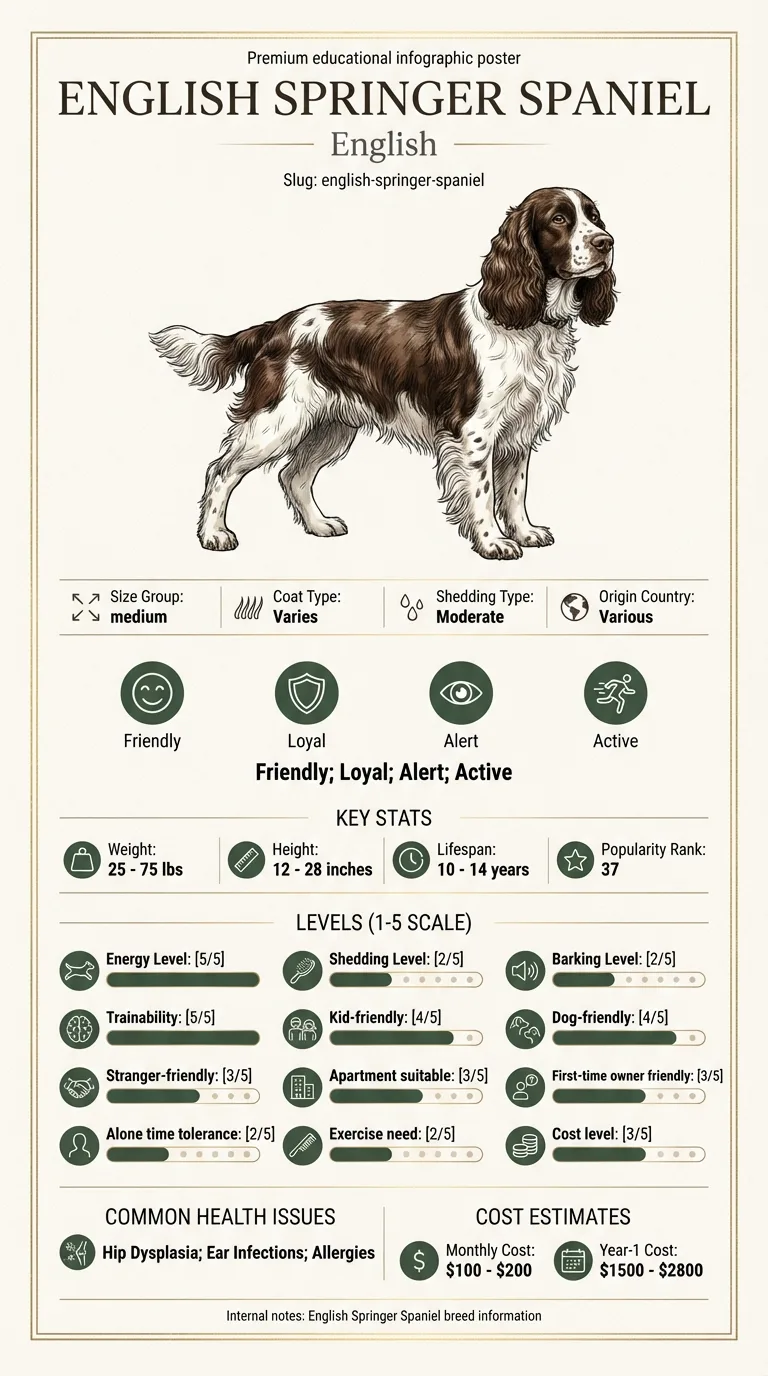
Typically, owners of English Springer Spaniels may face this issue, especially those with active dogs or those in their first few years of ownership. It's vital for both new and experienced owners to recognize the signs and seek help.
This guide is not medical advice. If your dog shows pain, sudden behavior change, or worsening symptoms, consult a licensed veterinarian.
Some links may be affiliate links. We may earn a commission at no extra cost to you. We only suggest products we believe are helpful for dog owners.
We research and check what we publish, but we do not warrant that any figure, date, price, or statement is accurate, complete, or current, and we accept no liability for any loss, cost, injury, or other harm arising from the use of this site. Use it as one reference among several. You remain responsible for your own decisions and for your dog's care - confirm anything that matters with a licensed veterinarian or another qualified professional before you act on it. Full disclaimer.
Check this first
It's important to know when your English Springer Spaniel's hip dysplasia requires immediate veterinary attention. Look for severe symptoms that could indicate a serious issue. If your dog is experiencing extreme pain, unable to walk, or has visible swelling around the hip area, contact your vet right away. These signs often indicate a worsening condition that needs urgent care.
On the other hand, if your dog is showing mild discomfort, such as occasional limping or reluctance to jump, you may not need to rush to the vet. Monitor these symptoms closely and create a management plan with your vet. Regular check-ups can help track your dog's condition and adjust treatment as needed.
In summary, act fast if you notice these red flags: - Severe or persistent pain - Inability to walk or bear weight on the affected leg - Noticeable swelling or heat in the hip area
If your dog has mild symptoms, keep an eye on them and consult your vet for a proper management strategy. Early intervention can lead to better outcomes, so trust your instincts when it comes to your dog's health.
If any of these apply, call your vet or an emergency clinic now. The rest of this page is for the cases that are not an emergency.
English Springer Spaniel hip dysplasia is a common condition where the hip joints are malformed, leading to arthritis and mobility issues. Daily life for affected dogs often includes limping, reluctance to exercise, or difficulty getting up after lying down. Owners may notice their dog struggling to keep up during walks or hesitating to jump onto furniture.
Hip dysplasia is relatively common in English Springer Spaniels, affecting about 20-30% of the breed. This prevalence highlights the importance of regular vet check-ups and maintaining a healthy weight to prevent worsening symptoms.
English Springer Spaniels can be predisposed to hip dysplasia due to their genetic background. This breed's physical structure and growth patterns may contribute to improperly formed hip joints, leading to pain and mobility issues. If your pup's parents had hip dysplasia, the chances of your dog developing it increase significantly.
Environmental factors also play a role in the development of hip dysplasia. Overweight dogs or those lacking proper exercise can experience increased strain on their joints. Additionally, rapid growth during puppyhood, often due to overfeeding or high-impact activities, can exacerbate joint issues.
If you notice persistent limping, difficulty standing, or reluctance to move, it's time to talk to your vet. They can assess your dog's condition, recommend treatments, or suggest medications to alleviate pain associated with English Springer Spaniel hip dysplasia.
When dealing with English Springer Spaniel hip dysplasia, it's easy to make mistakes that could worsen the situation. Here are some common pitfalls and safer alternatives.
Start here: English Springer Spaniel Most Common Genetic Disorders: Screening
See all English Springer Spaniel health problems, which breeds are prone to hip dysplasia, or the full English Springer Spaniel breed guide for temperament, exercise needs and ownership costs.
It typically takes 3 to 6 months of consistent care and follow-up with your vet to see significant improvements in managing English Springer Spaniel hip dysplasia.
Success means your dog shows decreased discomfort, improved mobility, and can engage in daily activities with more ease and joy.
Sarah, a busy mom from Ohio, adopted Max, her English Springer Spaniel, only to discover he had hip dysplasia. At first, he struggled to keep up with her kids during their outdoor playtime. After consulting with a vet, Sarah learned about tailored exercise routines and proper weight management for Max. She committed to a daily gentle exercise plan and incorporated joint supplements into his diet. Over the next few months, Max became more active and playful, finally keeping pace with the kids once again.
Key takeaway: With the right care and adjustments, you can help your English Springer Spaniel live a happier, more active life despite hip dysplasia.
English Springer Spaniel hip dysplasia is often due to genetics, poor nutrition, or rapid growth in puppies. If both parents have hip dysplasia, their puppies are more likely to develop it too. Regular vet check-ups and proper feeding can help catch issues early.
To help prevent English Springer Spaniel hip dysplasia, focus on a balanced diet and avoid overfeeding during the puppy stage. Regular exercise, but not excessive running or jumping, can also strengthen their joints. Additionally, consider speaking with a vet about preventive measures.
Signs of hip dysplasia include limping, difficulty rising, reluctance to exercise, and changes in behavior. If your dog seems to be in pain or avoids certain activities, it's time to consult a veterinarian. Early intervention can make a big difference.
Treatment for English Springer Spaniel hip dysplasia may include weight management, physical therapy, or medication for pain relief. In severe cases, surgery might be recommended. Always work closely with your vet to determine the best approach for your dog.
Yes, training can help by reinforcing gentle movements and reducing stress on the hips. Focus on obedience and low-impact activities to keep your dog engaged without straining their joints. Always consult a trainer familiar with hip dysplasia issues.
Yes, while hip dysplasia can't be cured, it can be managed in older dogs. Weight management, appropriate exercise, and medications can help reduce pain and improve mobility. Always work closely with your vet to create a tailored plan.
Gentle, low-impact exercises are ideal for dogs with hip dysplasia. Activities like swimming or walking on soft surfaces can improve strength and flexibility without putting too much strain on the joints. Always consult your vet before starting any new exercise regimen.
If conservative treatments like weight management and medications are ineffective, surgery might be an option. Indications for surgery include severe pain or significant mobility issues. Discuss your options thoroughly with your vet to decide the best course of action.
Maintain a healthy diet, provide low-impact exercise, and monitor your dog's weight to manage English Springer Spaniel hip dysplasia effectively.
Supplements like glucosamine can help support joint health. Always discuss with your vet before starting any new supplements.
If your English Springer Spaniel shows signs of pain, consult a veterinarian for a thorough evaluation and treatment options.
Yes, hip dysplasia can be hereditary, which is why responsible breeding practices are crucial to reduce the risk.
A one-page prep sheet for this condition: the signs, the questions to ask, what to get priced. Unlocks here.
You get: Vet visit prep sheet
No spam. One-click unsubscribe. See our privacy policy.
Preview page 1 before you decide.