Health
What are quick tips for managing English Springer Spaniel liver shunts?
Regular vet visits, a specialized diet, and medication can help manage liver shunts. Always follow your veterinarian's advice for the best care.

Quick answer
What are quick tips for managing English Springer Spaniel liver shunts?
Regular vet visits, a specialized diet, and medication can help manage liver shunts. Always follow your veterinarian's advice for the best care.
Liver shunts can be a serious health issue for English Springer Spaniels. These portal vein abnormalities affect the dog's liver function and overall health.
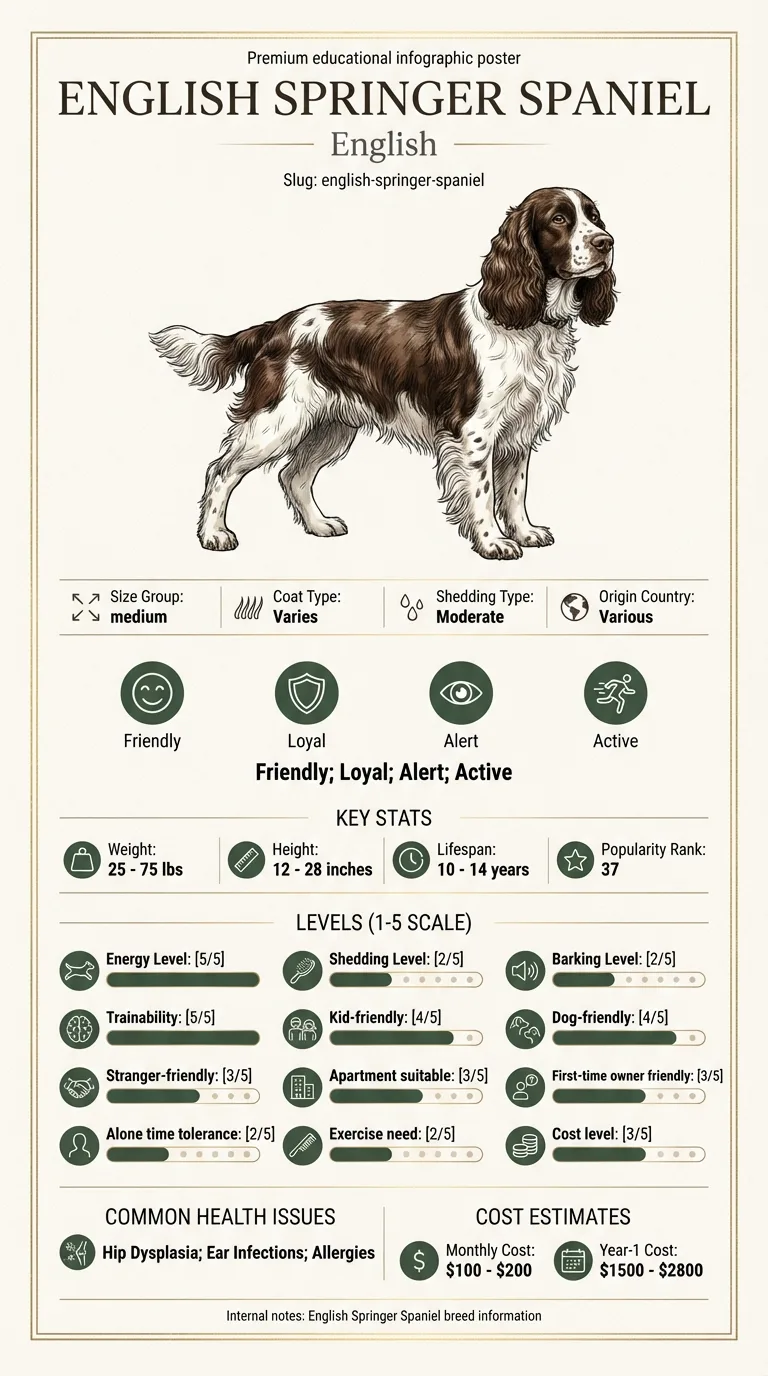
Typically, pet owners of English Springer Spaniels may face this problem, especially those who are first-time dog owners or are unaware of the breed's specific health issues.
This guide is not medical advice. If your dog shows pain, sudden behavior change, or worsening symptoms, consult a licensed veterinarian.
Some links may be affiliate links. We may earn a commission at no extra cost to you. We only suggest products we believe are helpful for dog owners.
We research and check what we publish, but we do not warrant that any figure, date, price, or statement is accurate, complete, or current, and we accept no liability for any loss, cost, injury, or other harm arising from the use of this site. Use it as one reference among several. You remain responsible for your own decisions and for your dog's care - confirm anything that matters with a licensed veterinarian or another qualified professional before you act on it. Full disclaimer.
Check this first
Recognizing when liver shunts in English Springer Spaniels become an emergency can save your dog's life. If you notice severe symptoms like seizures, persistent vomiting, or extreme lethargy, it's crucial to contact your vet immediately. These signs indicate a possible critical condition that requires urgent care.
On the other hand, mild symptoms such as occasional vomiting, mild lethargy, or changes in appetite might not require immediate veterinary attention. Instead, you can monitor these symptoms for a short period while keeping a close eye on your dog’s behavior. However, if these mild symptoms worsen or persist, you should seek veterinary advice without delay.
Remember, it's better to be safe and consult with your vet if you're unsure. Early intervention can lead to better outcomes for your dog.
If any of these apply, call your vet or an emergency clinic now. The rest of this page is for the cases that are not an emergency.
English Springer Spaniel liver shunts are serious health issues where blood flow bypasses the liver due to abnormal blood vessels. This can lead to a buildup of toxins in the bloodstream, causing symptoms like lethargy, poor appetite, and vomiting. Owners might notice their dog acting differently, especially after meals, which can be a sign of discomfort or distress caused by liver dysfunction.
Liver shunts are relatively rare but can occur in English Springer Spaniels, particularly those with a family history of liver issues. Many dog owners may not encounter this problem, but awareness is crucial for early detection and treatment.
English Springer Spaniels may be genetically predisposed to liver shunts due to their breeding history. This breed's unique anatomy can sometimes lead to portal vein abnormalities, which impact liver function. If liver shunts are present, they can cause serious health issues if not addressed early.
Environmental factors can also play a role in liver shunts. A poor diet lacking essential nutrients may exacerbate liver conditions. Additionally, exposure to toxins in food or household items can negatively affect liver health.
If you suspect your dog has liver shunts or notice any concerning symptoms, contact your veterinarian immediately. Early diagnosis and intervention are crucial for managing liver health effectively.
Avoiding common pitfalls can help your English Springer Spaniel manage liver shunts more effectively. Here are some mistakes to watch out for and safer alternatives.
Start here: English Springer Spaniel Most Common Genetic Disorders: Screening
See all English Springer Spaniel health problems, which breeds are prone to liver shunts, or the full English Springer Spaniel breed guide for temperament, exercise needs and ownership costs.
Addressing English Springer Spaniel liver shunts typically takes several months, especially if surgery is involved. Many owners see improvements in their dog's condition within 6 to 12 weeks after treatment starts.
Success means your dog shows increased energy, better appetite, and normalizing bathroom habits. Regular vet check-ups confirm improvements in liver function and overall health.
Emily, a first-time dog owner, noticed her English Springer Spaniel, Max, was lethargic and had a poor appetite. After some research, she learned about liver shunts and took him to the vet, where he was diagnosed with the condition. Following the vet's advice, Emily made dietary changes and scheduled surgery. With time and care, Max gradually regained his energy, and after a few months, he was back to chasing squirrels and playing fetch, much to Emily's relief.
Key takeaway: Early diagnosis and following veterinary guidance made all the difference in Max's recovery from liver shunts.
Liver shunts are abnormal blood vessels that bypass the liver, preventing it from filtering toxins. This condition can lead to serious health issues, including stunted growth and neurological problems. If you suspect your dog has liver shunts, consult your veterinarian for diagnosis and treatment options.
Liver shunts can be congenital, meaning they are present at birth, or acquired due to liver disease. Genetics may play a significant role, especially in breeds like the English Springer Spaniel. Regular vet check-ups can help catch this condition early.
Signs of liver shunts can include poor growth, lethargy, vomiting, and seizures. If your dog exhibits any of these symptoms, it’s crucial to see a vet. Early detection can significantly improve treatment outcomes.
Unfortunately, liver shunts can't be completely 'stopped,' but they can be managed with appropriate veterinary care. Treatment options may include surgery to correct the shunt and dietary changes to support liver function. Always follow your vet's recommendations for the best results.
Treatment often involves surgical intervention to close the abnormal blood vessels. In some cases, medication and dietary management may also be recommended. Consult with a veterinary specialist to determine the best plan for your dog.
Yes, liver shunts can be hereditary, especially in certain breeds, including the English Springer Spaniel. Responsible breeding practices can help reduce the incidence of this condition. Always choose a reputable breeder who screens for genetic conditions.
While you can't entirely prevent liver shunts, regular veterinary check-ups can help detect early issues. Maintaining a healthy diet and keeping your dog’s weight in check can also support overall liver health.
While genetic factors play a significant role in liver shunts, responsible breeding practices can help reduce the risk. Regular vet check-ups and a balanced diet also contribute to your dog's overall liver health.
If you suspect your English Springer Spaniel has liver shunts, schedule an appointment with your vet as soon as possible. Early intervention can significantly improve the outcome and quality of life for your dog.
Regular vet visits, a specialized diet, and medication can help manage liver shunts. Always follow your veterinarian's advice for the best care.
Treatment costs for liver shunts can vary widely but may range from $1,500 to $5,000 depending on surgery and ongoing care.
Symptoms include poor growth, lethargy, and gastrointestinal issues. If you notice these signs, consult your vet promptly.
Not always, but surgery is often the best option for correcting liver shunts. A veterinary specialist can provide the best guidance.
Yes, liver shunts can lead to neurological issues that may affect behavior, including seizures or disorientation. Early intervention is key.
A one-page prep sheet for this condition: the signs, the questions to ask, what to get priced. Unlocks here.
You get: Vet visit prep sheet
No spam. One-click unsubscribe. See our privacy policy.
Preview page 1 before you decide.