What are quick tips for managing English Cocker Spaniel pregnancy complications?
Ensure regular vet visits, maintain a balanced diet, and create a calm environment. Watch for signs of distress or health issues and seek veterinary advice promptly.
English Cocker Spaniel pregnancy complications can pose serious challenges for both the mother and her puppies. Understanding these issues is crucial for a healthy pregnancy and safe delivery.

Owners of English Cocker Spaniels, especially those who are new to breeding or have had little experience with canine pregnancies, often face these challenges. Busy families or individuals juggling work and home responsibilities may find it even harder to manage a dog dealing with pregnancy complications.
This guide is not medical advice. If your dog shows pain, sudden behavior change, or worsening symptoms, consult a licensed veterinarian.
Some links may be affiliate links. We may earn a commission at no extra cost to you. We only suggest products we believe are helpful for dog owners.
English Cocker Spaniel pregnancy complications can manifest in various ways, affecting both the mother and her puppies. Common signs include excessive vomiting, lethargy, or difficulty during labor. These complications can significantly impact the health and well-being of both the dog and her offspring.
Pregnancy complications in English Cocker Spaniels are relatively common, with studies showing a 419% higher risk compared to other breeds. Owners should be vigilant during this sensitive time and consult with a vet to ensure the best outcomes.
English Cocker Spaniels can be prone to certain genetic issues that may lead to pregnancy complications. Their medium size and specific body structure can also affect pregnancy. It's essential to understand that some breeds may have a higher risk of challenges during pregnancy.
Environmental factors like stress, poor nutrition, and inadequate veterinary care can contribute to pregnancy complications. If the pregnant dog is in an unstable environment, it may lead to increased anxiety and health risks. A calm and supportive home is crucial during this time.
If your English Cocker Spaniel shows signs of anxiety or stress during her pregnancy, consider consulting a professional trainer. They can provide techniques to help reduce her anxiety and ensure a smoother pregnancy experience.
Reach out to your vet if you notice any serious symptoms like excessive vomiting, lethargy, or any signs of complications. Early intervention is crucial for the health of both the mother and her puppies.
Most English Cocker Spaniel pregnancy complications can be managed within a few weeks, although some might require ongoing care. Consistent monitoring and vet check-ups during and after pregnancy will help ensure the mother and puppies are healthy.
Success means a healthy pregnancy with minimal complications, leading to the safe delivery of puppies. Additionally, the mother should return to her normal behavior and health quickly after giving birth.
Avoiding certain behaviors can help your English Cocker Spaniel have a smoother pregnancy. Here are common mistakes to steer clear of, along with safer alternatives.
Recognizing when English Cocker Spaniel pregnancy complications are serious is crucial. If your dog shows any of the following red-flag signs, it’s time to call your vet immediately. These include heavy bleeding, lethargy, or refusal to eat.
Additionally, if your dog has been in labor for more than two hours without producing a puppy, that is also an emergency.
On the other hand, there are milder symptoms that can be monitored at home. If your English Cocker Spaniel experiences light discharge, mild vomiting, or slight discomfort, you can keep a close eye on her. Make sure to track her behavior and provide her with a comfortable space.
If these symptoms persist or worsen, consult your vet.
Always trust your instincts; if something seems off, it’s better to be safe. Keeping a pregnancy journal can help you track any changes. This way, you can provide your vet with specific information, which is helpful during a consultation.
Remember, proactive care is essential in ensuring the health of both the mother and her puppies.

When Sarah, a first-time dog owner in Seattle, discovered her English Cocker Spaniel, Daisy, was pregnant, she was excited but anxious. A few weeks into her pregnancy, Daisy started showing signs of distress. After a vet visit, Sarah learned that Daisy was facing pregnancy complications. Sarah quickly adapted by educating herself on how to stop English Cocker Spaniel pregnancy complications through training and proper care. With the vet's guidance, she ensured Daisy had a balanced diet and plenty of rest. They set up a comfortable birthing area in their home, creating a calm environment for Daisy. After a tense few weeks, Daisy gave birth to three healthy puppies, and both mother and pups thrived.
Key takeaway: Being proactive and informed can help you navigate English Cocker Spaniel pregnancy complications successfully. Regular vet check-ups and creating a stress-free environment are crucial.
English Cocker Spaniel pregnancy complications can arise from various factors, including age, health issues, or genetics. It's essential to monitor your dog closely and consult a vet if you notice any unusual symptoms. Early intervention can help manage many complications.
To reduce the risk of complications, ensure your English Cocker Spaniel is in good health before breeding. Regular vet check-ups, proper nutrition, and a stress-free environment are crucial. Monitoring her weight and activity levels can also help.
Signs of potential pregnancy complications include excessive vomiting, lethargy, or abnormal discharge. If she shows signs of distress or you have concerns, contact your vet immediately. Quick action can be vital for her health and the puppies.
While training won't directly prevent pregnancy complications, it can help your dog stay calm and reduce stress. Positive reinforcement training can be beneficial, especially during this sensitive time. Focus on gentle commands and comfort.
Some common complications include infections, miscarriage, and eclampsia. Being aware of these issues can help you prepare and respond quickly if they arise. Always consult your vet for the best advice tailored to your dog's needs.
Common signs include excessive vomiting, lethargy, or lack of appetite. If your English Cocker Spaniel shows these symptoms, it's crucial to consult a vet promptly.
Preparing involves regular vet check-ups and ensuring a healthy diet. Having a birthing kit ready can also be helpful in case complications arise.
You should take your dog to the vet if you notice any concerning symptoms, like unusual bleeding or prolonged labor. It’s best to be proactive about any potential issues.
Certain breeds, including English Cocker Spaniels, can have higher risks of complications due to their size and health issues. Consulting a vet for breed-specific advice is always a wise choice.
If complications occur, remain calm and contact your veterinarian immediately. Quick action can make a significant difference in outcomes.
Ensure regular vet visits, maintain a balanced diet, and create a calm environment. Watch for signs of distress or health issues and seek veterinary advice promptly.
Provide a comfortable space, minimize stressors, and encourage gentle exercise. Nutrition is vital, so consult your vet about the best diet for her needs.
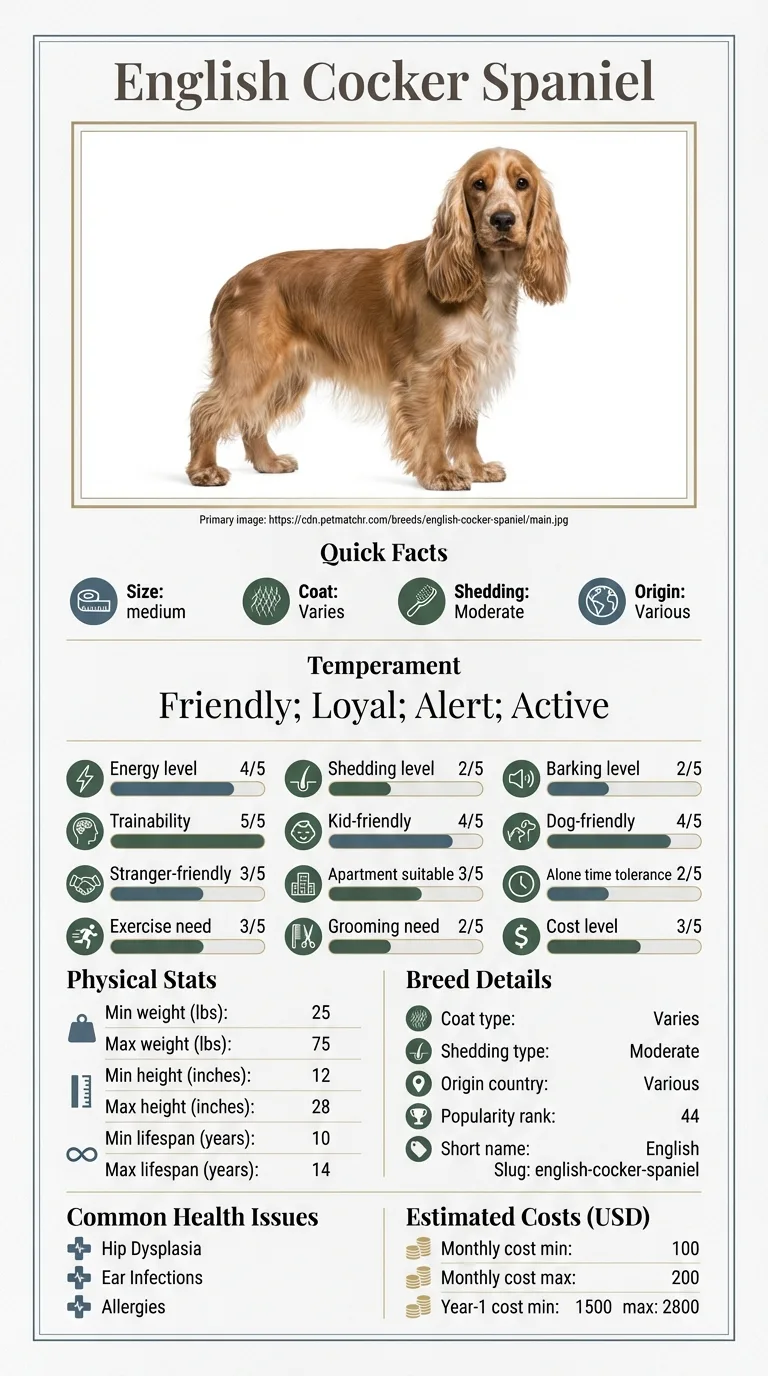
Expect to spend between $1,500 to $2,800 in the first year, including vet visits and care. Keep in mind that complications can increase costs significantly.
Contact your vet if you notice any unusual symptoms or behavior changes. Early intervention is key to managing and preventing complications.