Costs
Saint Bernard cost in Chicago
About $162–$335/month and $2,376–$4,536 for year one — above average, with building pet-weight policies and a 1-out-of-5 apartment rating shaping the decision more than the budget does.

See Saint Bernard price across all cities →
Quick answer
Saint Bernard cost in Chicago
About $162–$335/month and $2,376–$4,536 for year one — above average, with building pet-weight policies and a 1-out-of-5 apartment rating shaping the decision more than the budget does.
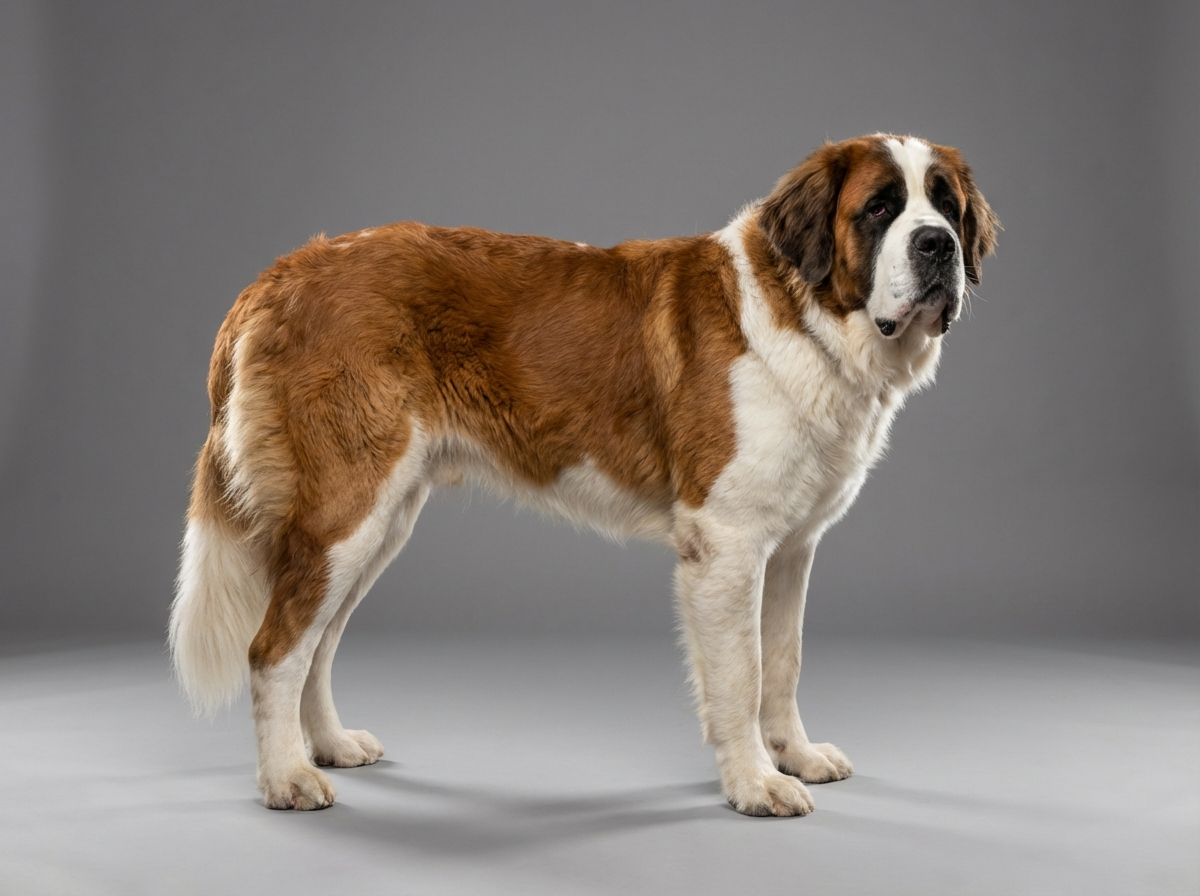
A Saint Bernard in Chicago costs roughly $162 to $335 a month, with the first year near $2,376 to $4,536 — above the national average, in line with the metro's general cost of living. The honest headline for this city is not a number. Chicago has one of the largest high-rise residential stocks in the country, and this breed rates 1 out of 5 for apartment suitability. That is the lowest score on the scale, and it is not a stylistic judgement.

The medical list is unchanged by geography: documented Hip Dysplasia, Elbow Dysplasia, Dilated Cardiomyopathy, Entropion and Bloat (GDV). Chicago's above-average veterinary pricing applies on top of the weight-scaled cost of treating a giant patient, which is what makes the reserve figure here larger than in a Midwest suburb.
Chicago prices above the national average, with a walking line that dense housing makes routine and a winter that this particular breed handles better than most.
Estimate · source: estimation · confidence: medium · updated 2026-09-06 · not a quote
| Item | Cost range |
|---|---|
One-time setup (giant crate, bed, paw care and traction kit, first exam, spay/neuter) Winter paw protection is a small but genuinely useful Chicago addition for a heavy dog on salted pavement. | $562 - $972 |
| Item | Cost range |
|---|---|
Food (giant-breed volume, metro pricing) Quantity is fixed by the dog; the unit cost carries the metro's above-average retail pricing. | $78 - $138 |
Parasite prevention (eight-month Chicago season) Real winters close the window for a third of the year, which matters at this breed's top dosing weight. | $35 - $63 |
Each range starts from a national baseline for this breed's size class and is then adjusted for local cost of living and veterinary pricing. The baselines, and the source each one came from, are listed on our sources page (dataset 2026.09). Two inputs, the purchase price and the emergency reserve, have no published national figure we could verify, so we leave them to you rather than invent them.
These are planning estimates, not quotes. Your own numbers will move with the individual dog, your vet and your insurer. Build a budget with your own figures.
Chicago's above-average pricing raises the cost of every unplanned event, which strengthens the standard giant-breed case for insuring rather than self-funding.
Enrol before any joint or cardiac finding is on record, especially if the household is already stretched by city housing costs.
An owner with a large liquid reserve and a low-stair, ground-access home carries less of the risk this page describes.
The biggest Chicago saving is made at the housing stage, before the dog arrives. After that the levers are small and mostly about winter.
The first thing to check in Chicago is not price, it is policy. A great many condo associations and rental buildings here impose weight limits on dogs, and those limits commonly land far below this breed's adult weight. That single line in a lease or a declaration removes most of the city's high-rise inventory from consideration before any conversation about cost begins.
Buildings that do allow large dogs often have their own operational rules — designated elevators, specific entrances, or restrictions on lobby routes at busy hours. Those are reasonable rules and they are also a daily tax on time for a household that has to use them six times a day.
What this adds up to is a housing search rather than a budget line. Chicago owners of this breed almost always end up in a two-flat, a townhouse, a garden unit with a private entrance, or a bungalow neighbourhood on the north or south sides, and those are the practical options worth focusing on from the start.
Chicago's dense housing makes dog-walking a normal recurring cost rather than an occasional one, and walkers price by dog size with this breed in the top band. For a household working full days, that line is often the largest discretionary item in the budget after food.
The eight-month parasite window is a genuine offset, since real winters here close the season in a way a southern city cannot. And this breed's very low exercise requirement means the walking bill is about relief breaks rather than about burning energy, which keeps the necessary duration short.
Winter itself is manageable for this breed in a way it is not for many. A heavy double coat handles Chicago cold comfortably. The thing to budget for is not warmth but traction and paw care on treated sidewalks, which is a small line with a large payoff for a heavy dog on ice.

A couple looking at lakefront apartments found a unit they loved and mentioned, almost in passing, that their dog would be a Saint Bernard. The building's pet addendum capped dogs at fifty pounds. So did the next two buildings. They eventually rented the upper unit of a two-flat in a bungalow neighbourhood with a back stair to a small yard, which cost less and suited the dog immeasurably better than the tower would have.
Key takeaway: In Chicago the pet-weight clause decides this question before the budget does. Look for private ground access first and price the rest afterwards.
About $162–$335, above the national average, reflecting the metro's general cost of living and above-par service pricing.
Roughly $2,376–$4,536 including the first exam, spay/neuter and the giant-size gear.
Physically yes, but the breed rates 1 out of 5 for apartment suitability, and many buildings impose dog weight limits well below this breed's adult weight. Check the building policy before anything else.
Two-flats, townhouses, garden units with a private entrance and bungalow-neighbourhood houses are the practical Chicago options for a dog this size.
Not the cold. A heavy double coat handles Chicago winters well. What needs budgeting is traction and paw care on treated sidewalks, which matters more for a heavy dog.
About $1,350, sized to the metro's above-average pricing and the higher cost of any procedure on a 120-to-180-pound patient.
About $162–$335/month and $2,376–$4,536 for year one — above average, with building pet-weight policies and a 1-out-of-5 apartment rating shaping the decision more than the budget does.
This guide is not medical advice. If your dog shows pain, sudden behavior change, or worsening symptoms, consult a licensed veterinarian.
Some links may be affiliate links. We may earn a commission at no extra cost to you. We only suggest products we believe are helpful for dog owners.
We research and check what we publish, but we do not warrant that any figure, date, price, or statement is accurate, complete, or current, and we accept no liability for any loss, cost, injury, or other harm arising from the use of this site. Use it as one reference among several. You remain responsible for your own decisions and for your dog's care - confirm anything that matters with a licensed veterinarian or another qualified professional before you act on it. Full disclaimer.
One sheet with every line item, the emergency fund and when insurance pays off - unlocks on this page.
You get: 12-month budget sheet
No spam. One-click unsubscribe. See our privacy policy.
Preview page 1 before you decide.