Health
What are quick tips for managing my Shiba Inu's mmvd?
Keep your Shiba Inu calm and avoid strenuous exercises. Regular vet check-ups and following prescribed medications are crucial for managing their heart health.

Quick answer
What are quick tips for managing my Shiba Inu's mmvd?
Keep your Shiba Inu calm and avoid strenuous exercises. Regular vet check-ups and following prescribed medications are crucial for managing their heart health.
Shiba Inu myxomatous mitral valve disease (MMVD) is a serious heart condition affecting this beloved breed. Understanding it is crucial for their well-being.
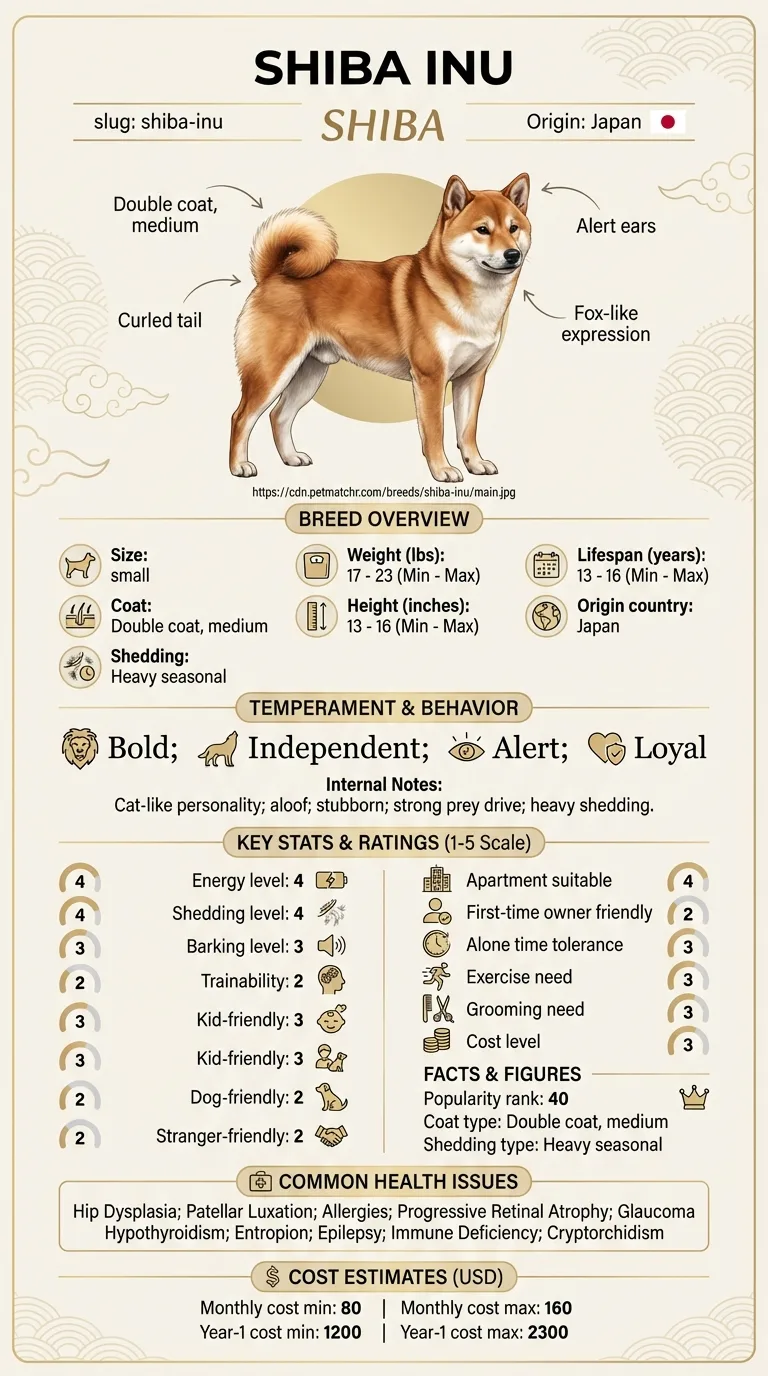
Owners of Shiba Inus, especially those with aging dogs, often face the challenge of managing MMVD. This issue can be particularly concerning for first-time dog owners who may not recognize the signs early on.
This guide is not medical advice. If your dog shows pain, sudden behavior change, or worsening symptoms, consult a licensed veterinarian.
Some links may be affiliate links. We may earn a commission at no extra cost to you. We only suggest products we believe are helpful for dog owners.
We research and check what we publish, but we do not warrant that any figure, date, price, or statement is accurate, complete, or current, and we accept no liability for any loss, cost, injury, or other harm arising from the use of this site. Use it as one reference among several. You remain responsible for your own decisions and for your dog's care - confirm anything that matters with a licensed veterinarian or another qualified professional before you act on it. Full disclaimer.
Check this first
Recognizing when your Shiba Inu's myxomatous mitral valve disease (MMVD) is an emergency is crucial. Some signs require immediate veterinary attention, while others can be monitored at home. If your dog displays severe symptoms, don't hesitate to call your vet right away.
If any of these apply, call your vet or an emergency clinic now. The rest of this page is for the cases that are not an emergency.
Shiba Inus are susceptible to myxomatous mitral valve disease (MMVD), a common heart condition. Day-to-day, this can manifest as fatigue, coughing, or difficulty breathing, especially during physical activity. Owners may notice their Shiba Inu seems less active or has a reduced appetite, which can be concerning.
Myxomatous mitral valve disease (MMVD) is one of the most prevalent health issues in Shiba Inus. Studies show that a significant percentage of Shiba Inus over the age of 10 may develop this condition, making it a key concern for owners.
Shiba Inus are predisposed to myxomatous mitral valve disease (MMVD) due to their genetic makeup. This breed often has heart issues, particularly as they age, making them more vulnerable to conditions like MMVD.
Environmental factors such as obesity and lack of exercise can exacerbate heart conditions. Stressful situations or inadequate care can also contribute to the progression of MMVD in your Shiba Inu.
If you suspect your Shiba Inu may have MMVD or notice symptoms like coughing, lethargy, or difficulty breathing, contact your vet immediately. Regular check-ups are important to monitor their heart health.
Avoiding these common mistakes can help improve your Shiba Inu's health and comfort. Here are some behaviors to reconsider.
Start here: Shiba Inu Most Common Genetic Disorders: What to Screen For
See all Shiba INU health problems, which breeds are prone to myxomatous mitral valve disease mmvd, or the full Shiba INU breed guide for temperament, exercise needs and ownership costs.
You can expect to see improvements in your Shiba Inu's condition within 3 to 6 months of consistent care and management.
Success means your dog shows fewer symptoms, maintains a healthy weight, and enjoys a good quality of life with regular vet check-ups.
Watch for these red flags that mean you should call your vet now: - Sudden difficulty breathing or rapid breathing - Persistent coughing, especially if it worsens - Lethargy or sudden collapse - Bluish gums or tongue - Excessive panting not related to heat or exercise These symptoms can indicate serious complications from MMVD that need urgent care.

If your Shiba Inu shows mild symptoms, you can monitor them at home. Look for: - Occasional coughing without other symptoms - Slight decrease in activity level - Mild weight loss - Changes in appetite but still eating - Occasional panting during rest Create a plan to observe these signs. If they worsen or persist, consult your vet promptly.

Lisa, a busy nurse, noticed her Shiba Inu, Momo, was becoming lethargic and coughing frequently. After a vet visit confirmed MMVD, Lisa felt overwhelmed by the diagnosis. She learned that managing Momo's diet and incorporating gentle exercise could help. Over the next few months, Lisa adjusted Momo's meals and created a daily walking routine. With consistent care, Momo regained energy and was playing with his favorite toys again. Lisa felt relieved and empowered as she watched Momo thrive.
Key takeaway: With dedication and proper management, you can significantly improve your Shiba Inu's quality of life despite MMVD.
Myxomatous mitral valve disease (mmvd) is common in Shiba Inus, especially as they age. It occurs due to degeneration of the heart's mitral valve, leading to potential heart failure. Regular vet check-ups can help catch this issue early.
To support your Shiba Inu, ensure they maintain a healthy weight and engage in gentle exercise. Regular vet visits and medications prescribed by your vet can manage symptoms effectively.
Look for symptoms like coughing, lethargy, or difficulty breathing. If you notice these signs, consult your vet immediately for an assessment and potential treatment options.
While mmvd can’t be entirely prevented, you can minimize risks by providing a balanced diet, regular exercise, and regular veterinary care. Early detection is crucial for effective management.
Treatment options include medications to manage heart function and lifestyle changes to reduce stress on the heart. In severe cases, surgical options may be considered, so discuss these with your vet.
To prevent the condition from worsening, ensure your dog follows a prescribed medication regimen and avoid strenuous activities. Regular vet visits are essential to monitor heart health and adjust treatments as needed.
Early signs of myxomatous mitral valve disease (mmvd) in your Shiba Inu may include a persistent cough, fatigue, or difficulty breathing. If you notice any of these symptoms, it's important to consult your veterinarian as soon as possible.
Many Shiba Inus with myxomatous mitral valve disease (mmvd) can lead a normal life with proper management. Regular vet check-ups, medication, and a healthy diet are essential to help maintain their quality of life.
Supporting your Shiba Inu during treatment for myxomatous mitral valve disease (mmvd) involves following your vet's recommendations closely. This may include administering medications as prescribed, providing a calm environment, and monitoring their activity levels.
Yes, myxomatous mitral valve disease (mmvd) can be hereditary in Shiba Inus. If you have concerns about the health of your dog, discussing family history with your veterinarian can help guide your understanding and care.
Lifestyle changes that may help your Shiba Inu with myxomatous mitral valve disease (mmvd) include reducing strenuous exercise, maintaining a healthy weight, and ensuring they have a stress-free environment. Regular check-ups with your vet are also crucial for monitoring their condition.
Keep your Shiba Inu calm and avoid strenuous exercises. Regular vet check-ups and following prescribed medications are crucial for managing their heart health.
It's best to schedule vet visits every 6 months for regular heart health assessments. Your vet may recommend more frequent visits depending on your dog's condition.
Yes, a healthy, low-sodium diet can support heart health in dogs with mmvd. Consult your vet for specific dietary recommendations tailored for your Shiba Inu.
Ensure your Shiba Inu gets gentle exercise and maintains a healthy weight. Reducing stress and providing a calm environment can also improve their quality of life.
A one-page prep sheet for this condition: the signs, the questions to ask, what to get priced. Unlocks here.
You get: Vet visit prep sheet
No spam. One-click unsubscribe. See our privacy policy.
Preview page 1 before you decide.