DogBreedCompass
← Back to breed profile

Understanding Maltese Myxomatous Mitral Valve Disease (MMVD)

Maltese myxomatous mitral valve disease (MMVD) is a serious heart condition affecting many dogs in this breed. Understanding this disease is crucial for your dog's health.

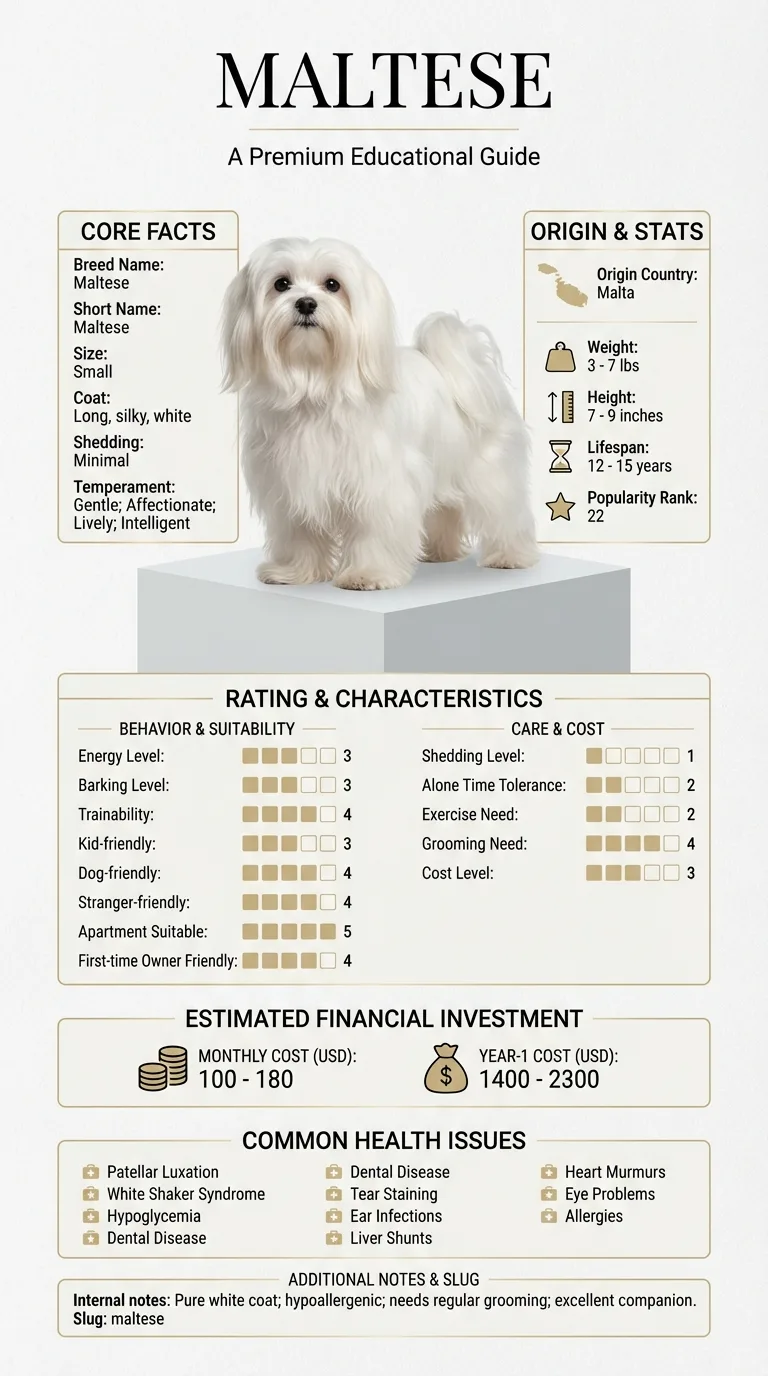
Understanding Maltese Myxomatous Mitral Valve Disease (MMVD) infographic

Owners of Maltese dogs often face the challenge of MMVD, especially as their pets age. First-time dog owners may find it particularly difficult to recognize and manage the symptoms. It's essential to be proactive about heart health to prevent further complications.

Important reminder

This guide is not medical advice. If your dog shows pain, sudden behavior change, or worsening symptoms, consult a licensed veterinarian.

Some links may be affiliate links. We may earn a commission at no extra cost to you. We only suggest products we believe are helpful for dog owners.

What this problem looks like

Maltese myxomatous mitral valve disease (MMVD) is a common heart condition in this breed. It occurs when the mitral valve in the heart becomes thickened and deformed, leading to poor blood flow. Symptoms can include coughing, difficulty breathing, and lethargy, which can significantly affect your dog's quality of life.

Common triggers

  • Genetic predisposition in Maltese breeds
  • Age-related degeneration of the heart valves
  • Obesity and excessive weight gain

MMVD is one of the most common health issues in Maltese dogs, particularly as they age. It's estimated that over 75% of Maltese will develop some form of heart disease by the age of 10, making regular veterinary check-ups essential.

Why this happens

Breed factors

Maltese dogs are prone to Myxomatous Mitral Valve Disease (MMVD) due to genetic factors. This heart condition is common in small breeds, especially as they age. Their small size and unique anatomy can make them more susceptible to heart issues.

Environment factors

Environmental factors such as poor diet, lack of exercise, and obesity can exacerbate MMVD. Stressful situations or lack of routine care may also contribute to heart health decline. A nurturing environment can help mitigate these risks.

What you can try

At-home strategies

  • Provide a balanced, high-quality diet tailored for small breeds to maintain a healthy weight.
  • Encourage regular, moderate exercise without overexertion. Short daily walks can help keep your Maltese active.
  • Monitor your dog's health closely for any signs of heart trouble, such as coughing or fatigue, and adjust activities accordingly.

When to consider a trainer

If your Maltese shows signs of anxiety or stress related to MMVD, it may be helpful to consult a trainer. A professional can provide strategies to ensure your dog feels secure and relaxed.

When to talk to your vet

If you notice any symptoms such as persistent coughing, difficulty breathing, or changes in behavior, contact your vet immediately. Early intervention can be crucial in managing MMVD and improving your dog's quality of life.

Realistic expectations

Managing Maltese myxomatous mitral valve disease (MMVD) typically takes several months of consistent care and monitoring. You may start to see some improvement in your dog's condition within 4 to 6 weeks after implementing a proper treatment plan.

Success in managing MMVD involves stabilizing your dog's heart health, reducing symptoms like coughing or lethargy, and improving their overall quality of life. Regular vet check-ups and adjustments to their care plan will be essential.

Mistakes that make this worse

Avoiding certain common mistakes can help manage your Maltese's myxomatous mitral valve disease (MMVD) more effectively. Here are some behaviors to steer clear of:

  • Ignoring symptoms: Many owners overlook early signs of MMVD, like coughing or fatigue. Regular vet check-ups can help catch issues early.
  • Inconsistent medication: Skipping doses or changing dosages without consulting a vet can worsen the condition. Always follow your vet's prescribed plan.
  • Overexerting your dog: Pushing your Maltese to exercise more than they can handle can strain their heart. Focus on light, enjoyable activities instead.
  • Feeding table scraps: Giving your dog rich or salty human food can lead to weight gain and heart strain. Stick to a balanced dog diet recommended by your vet.
  • Neglecting dental care: Poor dental health can exacerbate heart issues. Regular teeth cleaning is essential to prevent further complications.
  • Failing to manage stress: High-stress situations can negatively impact a dog's heart health. Create a calm environment and help your Maltese feel secure.
  • Forgetting regular vet visits: Skipping check-ups can prevent critical monitoring of your dog's heart condition. Schedule regular appointments to keep track of their health.

When Maltese Myxomatous Mitral Valve Disease (MMVD) is an Emergency

Recognizing when Maltese myxomatous mitral valve disease (MMVD) becomes an emergency is crucial for your dog's health. There are clear signs that warrant immediate attention from your vet. If your Maltese shows severe difficulty breathing, persistent coughing, or sudden lethargy, you should call your vet right away.

Other red-flag signs include a swollen abdomen, bluish gums, or fainting spells. These symptoms indicate that the heart may be struggling significantly, and prompt medical intervention is needed to avoid serious complications.

On the other hand, if your dog exhibits mild symptoms like occasional coughing or decreased exercise tolerance, you can monitor them at home. Keep a close eye on their behavior and set up a plan with your vet. Regular check-ups and adjustments to their care routine can help manage MMVD effectively without immediate panic.

Understanding Maltese Myxomatous Mitral Valve Disease (MMVD) - When Maltese Myxomatous Mitral Valve Disease (MMVD) is an Emergency

Jenna's Journey with Max and MMVD

Jenna, a busy nurse in Chicago, noticed that her Maltese, Max, was coughing more than usual. After a vet visit, she learned Max had myxomatous mitral valve disease (MMVD). Over the next few months, Jenna focused on managing his diet and medication while ensuring he got gentle exercise. She also joined an online support group for pet owners facing similar challenges. With time and dedication, Max's symptoms improved, and he was able to enjoy his daily walks again.

Key takeaway: Consistency in treatment and community support can significantly improve a dog's quality of life when managing chronic health issues like MMVD.

Frequently asked questions

What is Maltese myxomatous mitral valve disease (mmvd)?

Maltese myxomatous mitral valve disease (mmvd) is a common heart condition affecting this breed. It occurs when the mitral valve in the heart deteriorates, leading to heart murmurs and potential heart failure. Early detection and management are key to improving your dog's quality of life.

Why does my Maltese have myxomatous mitral valve disease (mmvd)?

MMVD often develops due to genetic predisposition in Maltese dogs. Factors such as age and breed can increase the risk of developing this heart condition. Regular veterinary check-ups can help catch it early.

How can I manage my Maltese's myxomatous mitral valve disease (mmvd)?

Managing MMVD in your Maltese involves regular vet visits for heart monitoring. Your vet may recommend medications to help manage symptoms and improve heart function. A low-sodium diet and controlled exercise can also be beneficial.

How to stop Maltese myxomatous mitral valve disease (mmvd) from worsening?

While MMVD cannot be cured, you can help prevent it from worsening by following your vet's advice. This includes giving prescribed medications, maintaining a healthy diet, and ensuring regular exercise. Keeping stress levels low can also support heart health.

Is there any training for Maltese with myxomatous mitral valve disease (mmvd)?

Training your Maltese with MMVD focuses on gentle commands and positive reinforcement. Avoid overly strenuous activities, and teach commands that encourage calmness. Ensuring your dog is comfortable and stress-free is crucial for their health.

What are the early signs of my Maltese having myxomatous mitral valve disease (mmvd)?

Early signs of Maltese myxomatous mitral valve disease (mmvd) can include coughing, fatigue, and difficulty breathing. If your Maltese shows any of these symptoms, it's crucial to consult your vet for an evaluation.

Can my Maltese live a normal life with myxomatous mitral valve disease (mmvd)?

Yes, many Maltese dogs with myxomatous mitral valve disease (mmvd) can lead relatively normal lives with proper management. Regular vet check-ups and a tailored treatment plan can help keep your dog healthy and comfortable.

How can I help my Maltese cope with myxomatous mitral valve disease (mmvd)?

To help your Maltese cope with myxomatous mitral valve disease (mmvd), create a low-stress environment and maintain a consistent routine. Regular, gentle exercise is beneficial, but avoid overexertion.

Is myxomatous mitral valve disease (mmvd) hereditary in Maltese dogs?

Yes, myxomatous mitral valve disease (mmvd) is often hereditary in Maltese dogs. If you're considering breeding, it's important to consult a vet to assess the health of potential breeding pairs.

When should I take my Maltese to the vet for myxomatous mitral valve disease (mmvd)?

You should take your Maltese to the vet if you notice any signs of distress like coughing or lethargy, or if their breathing seems labored. Early detection is key to managing myxomatous mitral valve disease (mmvd) effectively.

Quick answers

View more answers
Health

What are quick tips for Maltese myxomatous mitral valve disease (mmvd)?

Keep regular vet appointments for heart checks, manage stress levels, and maintain a low-sodium diet. Consider gentle exercises to keep your dog active without overexertion.

Health

How often should I take my Maltese to the vet if they have mmvd?

It's best to take your Maltese for check-ups every 6 months or as recommended by your veterinarian. Regular monitoring can help manage the condition effectively.

Health

What are signs of worsening mmvd in my Maltese?

Watch for symptoms like coughing, difficulty breathing, or lethargy. If your dog shows these signs, contact your vet immediately for advice.

Related DogBreedCompass guides

  • Maltese behavior problemsLearn more about how to manage your Maltese's behavior issues, including anxiety.
  • Maltese separation anxiety guideFind strategies to help your Maltese cope with separation anxiety.
  • Maltese myxomatous mitral valve disease (mmvd) trainingDiscover how to train your Maltese effectively while considering MMVD.
  • Maltese cost overviewGet insights on the costs associated with owning a Maltese, including potential health issues.
  • Maltese health issuesUnderstand the common health concerns for Maltese dogs, including MMVD.

Related guides