DogBreedCompass
← Back to breed profile

Shiba Inu Dental Issues

Quick answer

What are Shiba Inu dental issues quick tips?

Brush your Shiba Inu's teeth at least twice a week to prevent dental issues. Incorporate dental chews into their diet for added protection. Schedule regular vet check-ups for professional cleanings.

Shiba Inu dental issues can lead to serious health problems if left untreated. It's crucial to address these concerns promptly.

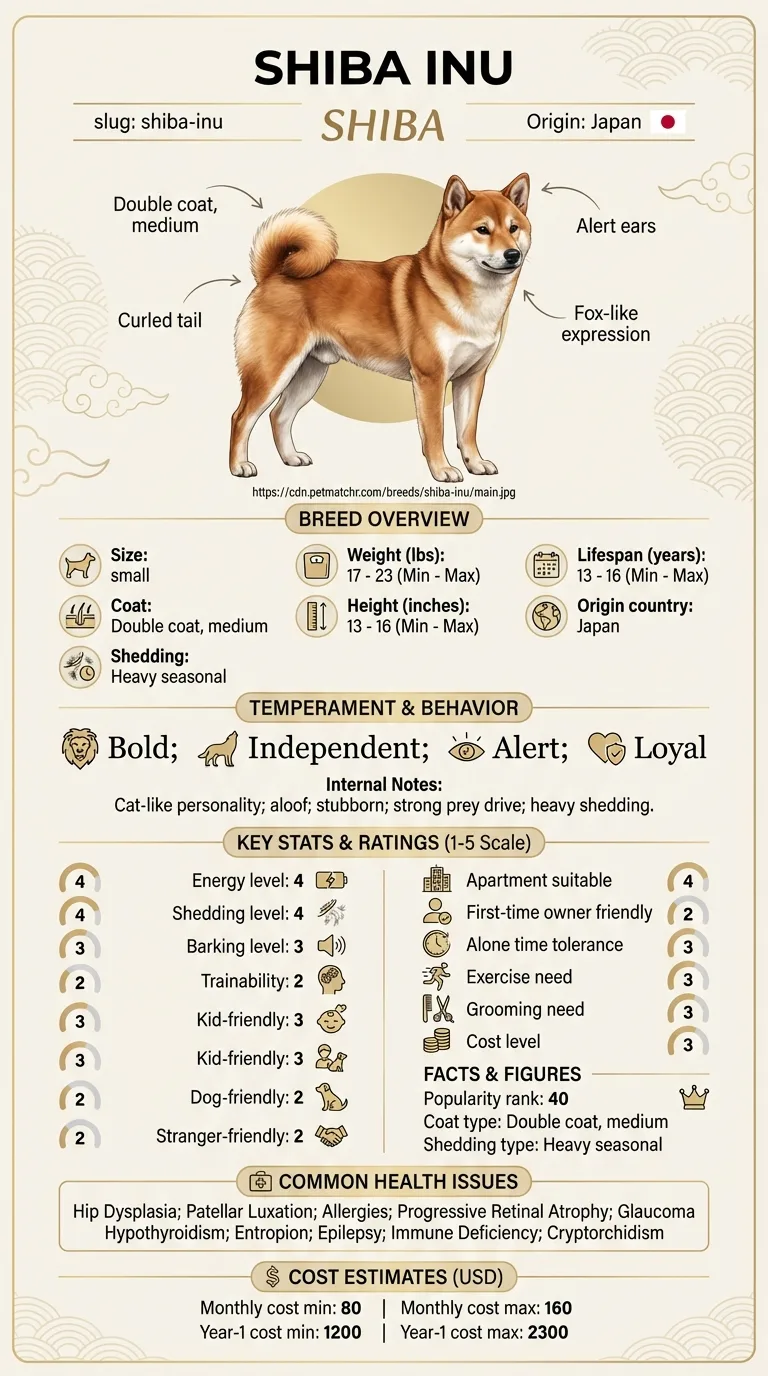
Shiba Inu Dental Issues infographic

Owners of Shiba Inus, especially first-time dog parents, may find themselves puzzled by their pet's dental health. Busy professionals or families may struggle to maintain a consistent dental care routine, leading to potential issues.

Important reminder

This guide is not medical advice. If your dog shows pain, sudden behavior change, or worsening symptoms, consult a licensed veterinarian.

Some links may be affiliate links. We may earn a commission at no extra cost to you. We only suggest products we believe are helpful for dog owners.

We research and check what we publish, but we do not warrant that any figure, date, price, or statement is accurate, complete, or current, and we accept no liability for any loss, cost, injury, or other harm arising from the use of this site. Use it as one reference among several. You remain responsible for your own decisions and for your dog's care - confirm anything that matters with a licensed veterinarian or another qualified professional before you act on it. Full disclaimer.

Check this first

When Shiba Inu Dental Issues Are an Emergency

Dental issues in your Shiba Inu can vary widely in severity. It’s important to recognize when these problems require immediate veterinary attention versus when you can monitor the situation at home. Knowing the signs can save your pet from serious complications.

Red-Flag Signs (Call Your Vet Now): If your Shiba Inu shows any of these symptoms, don’t wait. Call your vet immediately: - Excessive drooling or inability to eat - Swelling or bleeding in the mouth - Severe bad breath that suddenly worsens - Signs of pain, such as whining or pawing at the mouth - Loose teeth or visible decay

These symptoms may indicate serious dental disease or systemic issues that need urgent care.

Mild Cases (Watch and Wait): In other instances, you can manage dental issues at home. Keep an eye out for: - Mild bad breath without other symptoms - Occasional pawing at the mouth - Slight tartar buildup - Minor changes in eating habits that don’t last

For these cases, you can implement a dental care plan. Regular tooth brushing, dental chews, and professional cleanings can greatly improve your Shiba Inu’s oral health. Monitor their behavior and consult your vet if symptoms worsen or don’t improve within a few days.

If any of these apply, call your vet or an emergency clinic now. The rest of this page is for the cases that are not an emergency.

What this problem looks like

Shiba Inu dental issues can manifest in various ways, including bad breath, swollen gums, and difficulty eating. These problems often arise from inadequate dental care, leading to plaque buildup and other dental diseases. Owners may notice their Shiba Inu avoiding hard food or showing discomfort when chewing, which can be alarming.

Common triggers

  • Lack of regular dental care and cleaning
  • High-sugar diets or inappropriate treats
  • Genetic predisposition to dental problems

Dental issues are fairly common among Shiba Inus, especially as they age. Many owners experience these problems due to the breed's unique dental structure and the need for consistent oral hygiene.

Why this happens

Breed factors

Shiba Inus are prone to dental issues due to their small mouths and crowded teeth. This can lead to misalignment and plaque buildup, which can cause more serious problems if not addressed. Additionally, their genetic predisposition can make them more vulnerable to gum disease.

Environment factors

Environmental factors such as diet and lack of dental care can exacerbate dental issues. If a Shiba Inu is fed a diet high in soft foods or lacks regular dental cleanings, this can lead to poor oral hygiene. Stress or anxiety can also result in behaviors that negatively impact dental health.

What you can do at home (once it is not an emergency)

When to talk to your vet

If you notice persistent bad breath, swollen gums, or difficulty eating, it's crucial to consult your vet. They can assess the severity of the dental issues and recommend appropriate treatments or cleanings.

At home, alongside your vet's plan

  • Start a regular teeth brushing routine using dog-friendly toothpaste. Aim for at least 2-3 times a week to help reduce plaque buildup.
  • Provide dental chews or toys designed for teeth cleaning. These can help remove food particles and promote healthy gums.
  • Incorporate a well-balanced diet that includes hard kibble to naturally scrub the teeth as your dog chews.

Mistakes that make Dental Issues worse

Certain actions can accidentally worsen Shiba Inu dental issues. Avoid these common mistakes to help your dog maintain better dental health.

  • Neglecting Regular Dental Care: Skipping routine brushing or dental chews can lead to plaque buildup. Instead, brush your Shiba Inu's teeth several times a week and consider dental treats designed to reduce tartar.
  • Ignoring Bad Breath: Bad breath is often a sign of dental problems. Don't ignore it; schedule a vet visit to check for underlying issues and maintain regular cleanings.
  • Feeding Poor Quality Food: Low-quality dog food can contribute to dental issues. Choose high-quality, vet-recommended food that promotes dental health and check for kibble that helps clean teeth.
  • Overlooking Chew Toys: Not providing appropriate chew toys can lead to boredom and dental problems. Offer durable toys that encourage chewing, which naturally helps clean teeth.
  • Delaying Vet Visits: Postponing dental check-ups can worsen existing problems. Make sure to schedule regular vet visits to monitor your Shiba Inu's dental health and address concerns promptly.
  • Using Human Toothpaste: Human toothpaste can be harmful to dogs. Always use toothpaste specifically made for dogs to avoid gastrointestinal issues.
  • Not Monitoring Dental Changes: Failing to notice changes in your dog's eating habits or behavior can delay treatment. Keep an eye on your Shiba Inu's dental health and consult your vet if you notice anything unusual.

See all Shiba INU health problems, which breeds are prone to dental issues, or the full Shiba INU breed guide for temperament, exercise needs and ownership costs.

What to expect, and how you know it is working

Expect to see improvement in your Shiba Inu's dental health within 1 to 3 months of consistent care and follow-up with your vet.

Success means your Shiba Inu's teeth appear cleaner, bad breath decreases, and they show less discomfort during chewing.

Maya's Journey with Her Shiba Inu, Kiko

Maya, a busy graphic designer, adopted Kiko, her Shiba Inu, and quickly noticed he had bad breath and seemed uncomfortable during meals. After a vet visit, she learned that Kiko had dental issues. Determined to help him, Maya started a routine of daily tooth brushing and gave Kiko dental chews. She also learned to recognize signs of discomfort that could indicate pain. Within a few weeks, Kiko's breath improved, and he seemed happier during meal times. Maya felt proud of her efforts and bonded more with Kiko through their new routine.

Key takeaway: Consistent dental care and attention to your dog's comfort can significantly improve their dental health and overall happiness.

Frequently asked questions

Why does my Shiba Inu have dental issues?

Shiba Inus can have dental issues due to a combination of genetics and diet. Poor dental hygiene, lack of regular brushing, and certain foods can contribute to plaque buildup and gum disease. It's important to maintain a consistent dental care routine to prevent these problems.

How can I stop Shiba Inu dental issues?

To stop dental issues in your Shiba Inu, start by brushing their teeth regularly with dog-friendly toothpaste. Incorporate dental chews and toys that promote oral health. Regular vet check-ups will help catch any problems early.

What are some signs of dental problems in Shiba Inus?

Common signs of dental problems include bad breath, difficulty eating, and swollen or bleeding gums. You might also notice your dog pawing at their mouth or avoiding hard food. If you see these signs, consult your vet.

Do Shiba Inus need professional dental cleanings?

Yes, professional dental cleanings can be important for Shiba Inus, especially if they show signs of dental disease. Your vet can assess the level of cleaning needed and recommend a schedule based on your dog's dental health.

Are there specific foods that help with dental health for Shiba Inus?

Foods that are specifically designed to promote dental health can benefit your Shiba Inu. Look for kibble with a larger size that encourages chewing or dental treats that help reduce plaque. Always choose high-quality options.

When should I take my Shiba Inu to the vet for dental issues?

If you notice persistent bad breath, difficulty eating, or visible tooth decay, it's time to see a vet. Regular dental check-ups are also important as your Shiba Inu ages. Early intervention can prevent more serious health problems down the line.

Can dental issues affect my Shiba Inu's overall health?

Yes, dental issues can lead to more serious health problems in your Shiba Inu. Poor dental health can contribute to heart, kidney, and liver diseases due to bacteria entering the bloodstream. Maintaining good dental hygiene is crucial for their overall well-being.

How can I train my Shiba Inu to tolerate dental care?

To help your Shiba Inu tolerate dental care, start by introducing them to the toothbrush and toothpaste in a positive way. Use treats and praise to create a positive association. Gradually increase the duration of brushing sessions to make it easier for them.

Are older Shiba Inus more prone to dental issues?

Yes, older Shiba Inus are generally more prone to dental issues due to wear and tear on their teeth. Regular veterinary check-ups become increasingly important as they age to catch any dental problems early. A proactive approach can help maintain their dental health.

Quick answers

View more answers
Behavior

What are Shiba Inu dental issues quick tips?

Brush your Shiba Inu's teeth at least twice a week to prevent dental issues. Incorporate dental chews into their diet for added protection. Schedule regular vet check-ups for professional cleanings.

Health

What can I do if my Shiba Inu has bad breath?

Bad breath in your Shiba Inu may indicate dental problems. Start by brushing their teeth and using dental chews. If the problem persists, consult your vet for further evaluation.

Health

How often should I take my Shiba Inu to the vet for dental check-ups?

Aim to take your Shiba Inu for dental check-ups at least once a year. Your vet can provide specific recommendations based on your dog's dental health needs.

Related DogBreedCompass guides

Bring the right questions to the vet

A one-page prep sheet for this condition: the signs, the questions to ask, what to get priced. Unlocks here.

You get: Vet visit prep sheet

No spam. One-click unsubscribe. See our privacy policy.

Preview page 1 before you decide.

Related guides