Living
How often should I clean my Pug's wrinkles?
Daily for most Pugs, more often during flare-ups or humid weather when moisture builds up faster in the folds.

Quick answer
How often should I clean my Pug's wrinkles?
Daily for most Pugs, more often during flare-ups or humid weather when moisture builds up faster in the folds.
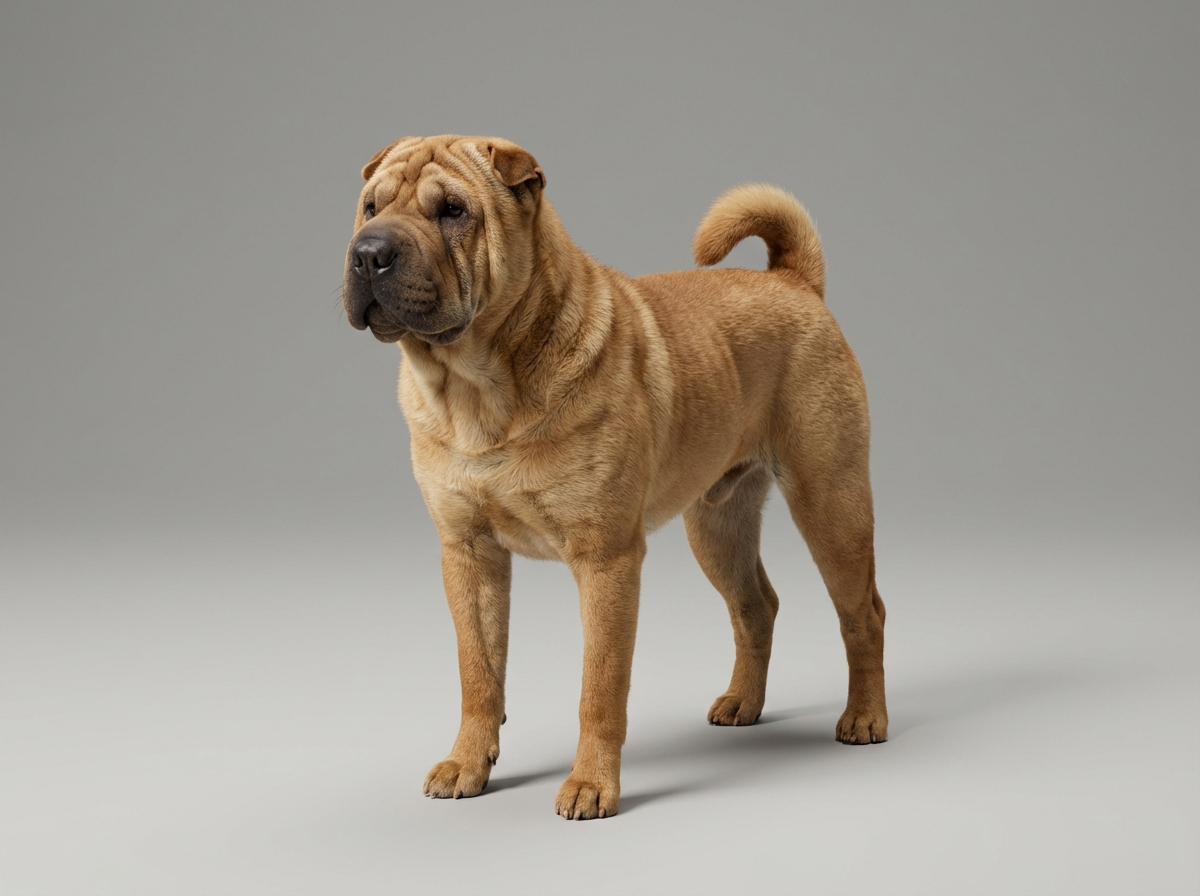
A Pug's wrinkles do more than give them their look; they also give allergens somewhere to sit against the skin all day.
This is a long-running concern for owners who notice their Pug constantly licking paws, shaking their head, or developing an odor from the facial folds. It tends to worsen gradually rather than appear overnight, which means many owners manage it for years without ever getting a full diagnosis.
This guide is not medical advice. If your dog shows pain, sudden behavior change, or worsening symptoms, consult a licensed veterinarian.
Some links may be affiliate links. We may earn a commission at no extra cost to you. We only suggest products we believe are helpful for dog owners.
Chronic allergies in Pugs, whether food or environmental, tend to surface first through the skin folds and ears rather than widespread body itching. The combination of allergic inflammation and this breed's naturally moisture-trapping wrinkles creates a feedback loop where each flare-up leaves the folds more vulnerable to irritation and infection.
Allergic skin and ear disease is one of the most frequently reported chronic issues in this breed, and most owners of an allergic Pug will manage some version of it for the dog's whole life rather than resolving it once and moving on.
Beyond the general genetic tendency toward allergic disease seen across many small breeds, Pugs carry a structural disadvantage: their wrinkles limit airflow to the skin, and their compact facial structure concentrates several fold-prone areas close together. This means the same underlying allergy produces more visible, more infection-prone symptoms than it would in a smooth-coated, wrinkle-free breed.
Humid climates and warm months increase moisture in the folds and boost pollen counts simultaneously, often producing the worst flare-ups of the year. Indoor allergens like dust and mold matter too, particularly for dogs who spend most of their time inside.
Bring your Pug in if fold redness turns to raw or bleeding skin, if ear infections recur more than a couple of times a year, if there's a persistent odor from the skin or ears, or if scratching becomes constant enough to disrupt sleep or daily activity. Persistent or worsening symptoms need a tailored treatment plan rather than more home management alone.
Start here: Pug Most Common Genetic Disorders: What to Screen For
See all PUG health problems, which breeds are prone to allergies, or the full PUG breed guide for temperament, exercise needs and ownership costs.
Most owners see meaningful improvement in flare-up frequency within four to eight weeks of starting a consistent management routine, though full identification of every trigger, especially with food allergies, can take several months.
Success looks like longer stretches between flare-ups, folds that stay dry and odor-free most of the time, and ear infections that become occasional rather than constant, not a Pug who never has another flare-up.
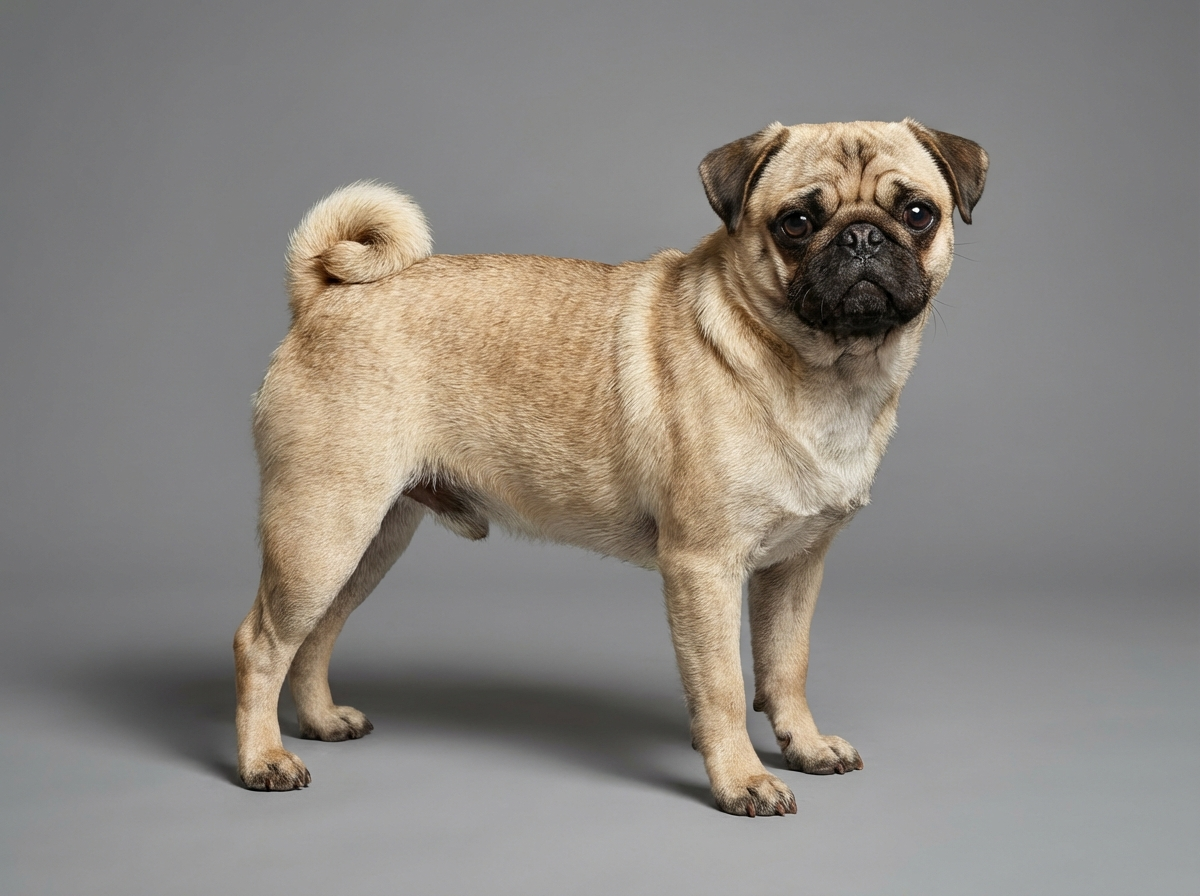
A Pug's facial and tail wrinkles create warm, low-airflow pockets where moisture and skin oils naturally collect. In a dog without an underlying allergy, this can already cause occasional fold irritation. Layer an allergic dog's constant low-grade inflammation and increased skin oil production on top of that, and the folds become a reliable early warning sign. Many owners notice the smell or redness in the folds well before they connect it to a broader allergy, because the fold irritation looks like its own separate, manageable problem rather than one symptom of something systemic.
Environmental allergies tend to track the calendar: flare-ups cluster around pollen seasons or humid stretches and calm down when the weather changes. Food allergies are less predictable by season and instead track what is in the bowl, which is why an elimination diet, feeding a single novel or hydrolyzed protein source for eight to twelve weeks with nothing else, remains the most reliable way to identify one. Neither pattern rules out the other. Many allergic Pugs have both running at once, which is part of why full resolution is rarely quick.

Biscuit started shaking his head and licking his paws around his first birthday. His owner initially treated each ear infection as a one-off, until the pattern became clear: infections every few months, worse in summer, alongside a persistent smell from his facial folds. A vet visit led to an elimination diet trial, which ruled out his chicken-based food as a major trigger, and a daily fold-cleaning routine his owner set a phone reminder for. Two years later, Biscuit still gets occasional mild flare-ups during peak pollen season, but the constant head-shaking and fold odor are gone. His owner describes it as "a five-minute daily habit instead of a monthly vet trip."
Key takeaway: Identifying the trigger matters less than building a sustainable daily routine around the folds and diet; consistency, not a single fix, is what keeps chronic allergies under control long-term.
Chronic ear infections are one of the most common allergy symptoms in this breed. Allergic inflammation increases wax and oil production in the ear canal, creating conditions yeast and bacteria thrive in, so recurring infections often point back to an underlying allergy rather than an ear-only problem.
Wipe the folds daily with a damp, soft cloth or a vet-recommended wipe, then dry them completely, since trapped moisture is what allows yeast and bacteria to take hold. Consistency matters more than any single product.
Yes, and protein sources like chicken, beef, or dairy are common culprits. An elimination diet supervised by your vet, feeding one novel protein for several weeks, is the most reliable way to confirm a food allergy since at-home allergy tests are not considered reliable.
Occasional paw licking is normal grooming, but constant or focused licking, especially if the fur looks stained or the skin looks red, usually signals allergic itch rather than routine cleaning.
Allergies often intensify over the first few years as the immune system's sensitivity builds, then tend to plateau once triggers are identified and managed, though they rarely disappear entirely.
A flare-up is the allergic itch and inflammation itself; a secondary infection develops when the compromised, inflamed skin lets yeast or bacteria take hold, usually visible as increased redness, odor, or discharge that needs its own treatment.
Not typically. Allergies are managed, not cured, through trigger avoidance, skin and ear care, and sometimes long-term medication your vet prescribes and monitors, with the goal being fewer and milder flare-ups rather than none at all.
Daily for most Pugs, more often during flare-ups or humid weather when moisture builds up faster in the folds.
Food allergies don't track the seasons; environmental ones typically flare in spring, summer, or humid stretches.
Blood and skin allergy panels can help identify environmental triggers, but food allergies are best confirmed through an elimination diet.
Ongoing costs vary widely with diet, ear cleaners, and any prescribed medication, often landing in a modest monthly range most owners plan around.
Regular bathing with a vet-recommended shampoo and thorough fold drying reduces the allergen and moisture load on the skin between flare-ups.
A one-page prep sheet for this condition: the signs, the questions to ask, what to get priced. Unlocks here.
You get: Vet visit prep sheet
No spam. One-click unsubscribe. See our privacy policy.
Preview page 1 before you decide.