Health
What are quick tips for Maltese genetic disorders?
Regular vet check-ups and a balanced diet are key. Ensure you choose a responsible breeder to minimize health risks.

Quick answer
What are quick tips for Maltese genetic disorders?
Regular vet check-ups and a balanced diet are key. Ensure you choose a responsible breeder to minimize health risks.
Maltese dogs are charming companions, but they can face a variety of genetic disorders. These issues can significantly impact their health and well-being.
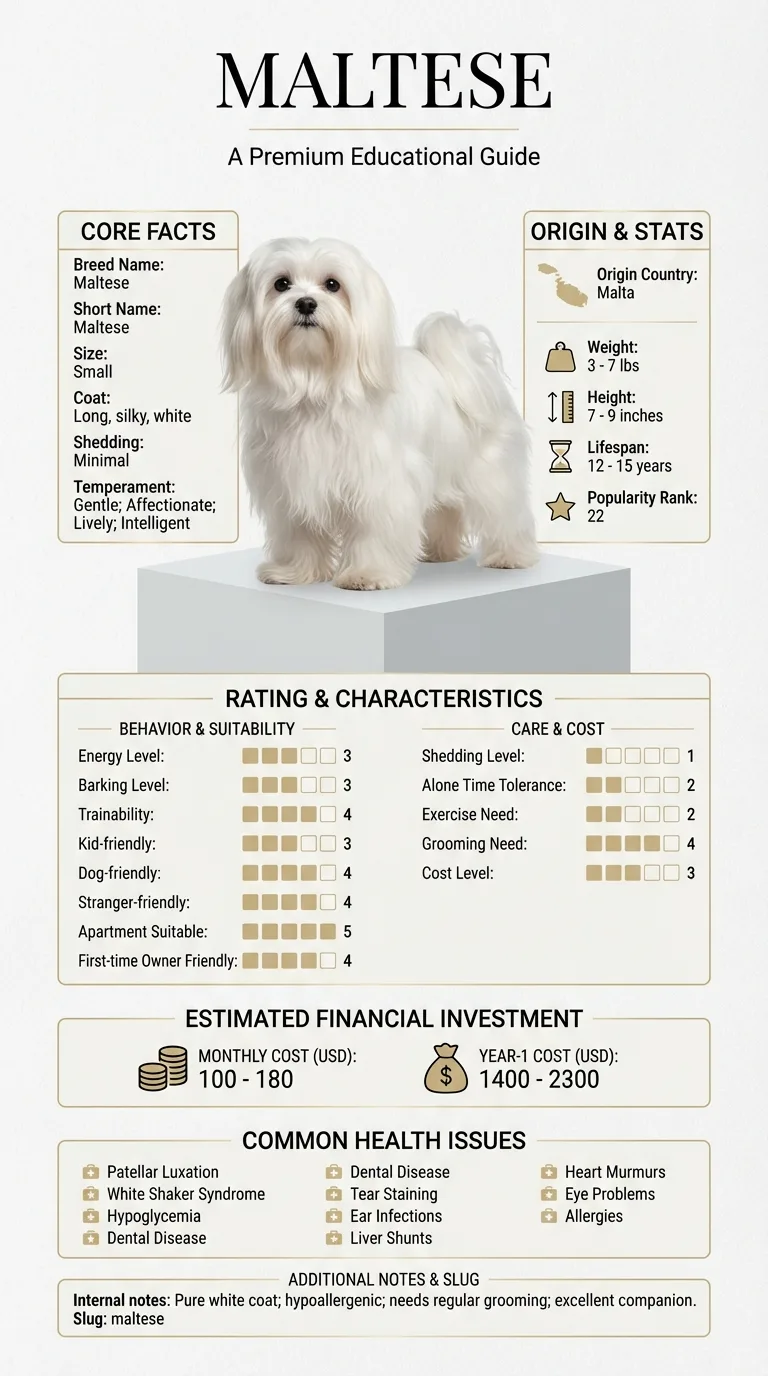
This information is especially important for first-time Maltese owners or families who may not be aware of the breed's specific health risks. If you're a busy pet parent or live in a small space, understanding these disorders can help you make informed decisions for your furry friend.
This guide is not medical advice. If your dog shows pain, sudden behavior change, or worsening symptoms, consult a licensed veterinarian.
Some links may be affiliate links. We may earn a commission at no extra cost to you. We only suggest products we believe are helpful for dog owners.
We research and check what we publish, but we do not warrant that any figure, date, price, or statement is accurate, complete, or current, and we accept no liability for any loss, cost, injury, or other harm arising from the use of this site. Use it as one reference among several. You remain responsible for your own decisions and for your dog's care - confirm anything that matters with a licensed veterinarian or another qualified professional before you act on it. Full disclaimer.
Check this first
Knowing when to seek urgent care for your Maltese can save their life. If your dog shows symptoms like difficulty breathing, persistent vomiting, or seizures, it's time to call your vet immediately. These signs could indicate serious health issues related to genetic disorders, like heart murmurs or liver shunts.
If any of these apply, call your vet or an emergency clinic now. The rest of this page is for the cases that are not an emergency.
Maltese most common genetic disorders can lead to a range of health issues that may affect your dog's daily life. These include conditions like patellar luxation, dental disease, and heart murmurs. Owners may notice their Maltese experiencing pain, difficulty moving, or unusual behaviors due to these disorders.
Genetic disorders are relatively common in Maltese dogs, primarily due to their breeding practices. Many of these issues can arise as early as a few months into their lives, making awareness crucial for new owners.
Maltese dogs are prone to several genetic disorders due to their small size and specific breed characteristics. Conditions like Patellar Luxation and Dental Disease are common among them. This susceptibility is often a result of selective breeding practices aimed at maintaining desirable traits.
Environmental factors, such as diet and lifestyle, can also contribute to health issues in Maltese dogs. Poor nutrition may lead to obesity, which can exacerbate joint problems. Additionally, a lack of exercise can affect their overall health and increase the likelihood of developing genetic disorders.
Consult your vet if you notice any changes in your Maltese's behavior, appetite, or physical condition. Early detection of genetic disorders like Heart Murmurs or Hypoglycemia can lead to better management and treatment options.
Many dog owners unknowingly make choices that can worsen their Maltese's genetic conditions. Here are some common mistakes and safer alternatives to consider.
See all Maltese health problems, which breeds are prone to most common genetic disorders, or the full Maltese breed guide for temperament, exercise needs and ownership costs.
You should start noticing improvements in your Maltese's health and behavior within 3 to 6 months after implementing a care plan.
Success means your Maltese shows fewer signs of distress or discomfort, engages playfully, and maintains a healthy weight and energy level.
Sarah, a first-time dog owner in San Diego, adopted Bella, a Maltese with frequent health issues. After noticing Bella's lethargy and dental problems, Sarah consulted her vet. They developed a plan that included regular vet check-ups, a balanced diet, and daily playtime. Gradually, Bella became more active and her dental health improved significantly. Sarah learned the importance of early intervention and consistent care.
Key takeaway: Addressing genetic disorders early through veterinary guidance and proactive care can lead to a healthier, happier Maltese.
Maltese dogs are prone to several genetic disorders, including patellar luxation, white shaker syndrome, and dental disease. Regular vet check-ups can help catch these issues early. This answer relates to Maltese most common genetic disorders.
Genetic disorders in Maltese often result from breeding practices that prioritize appearance over health. Responsible breeders conduct health screenings to minimize these risks.
To reduce the risk of genetic disorders, choose a reputable breeder who tests for common health issues. Regular vet visits and a healthy diet also contribute to your dog's overall well-being.
Look for signs like limping, excessive shaking, or dental issues in your Maltese. If you notice any unusual behavior, consult a vet promptly.
Training can help manage some behavioral issues related to genetic disorders, such as anxiety. Positive reinforcement techniques are particularly effective for Maltese.
If your Maltese is diagnosed with a genetic disorder, work closely with your vet to develop a care plan. This may include medication, specialized diets, or surgery.
If your Maltese displays unusual symptoms, such as lethargy or difficulty walking, it's important to consult your veterinarian. They can provide a thorough examination and recommend appropriate tests to identify any potential genetic disorders.
Yes, there are genetic tests available for Maltese that can help identify predispositions to certain health issues. These tests can be particularly useful for breeders to minimize the risk of passing on genetic disorders.
While diet and lifestyle won't prevent genetic disorders, they can help manage symptoms and improve your Maltese's quality of life. A balanced diet, regular exercise, and routine vet check-ups are essential for keeping your pet healthy.
It's a good idea to start screening your Maltese for genetic disorders by the age of one. Early detection can help you manage any potential health issues and provide your dog with the best care possible.
Regular vet check-ups and a balanced diet are key. Ensure you choose a responsible breeder to minimize health risks.
Monthly care costs for a Maltese can range from $100 to $180, depending on health needs. Prepare for additional vet costs if genetic disorders arise.
Positive reinforcement training can help manage anxiety in Maltese dogs. Consistency and patience are essential to their success.
A one-page prep sheet for this condition: the signs, the questions to ask, what to get priced. Unlocks here.
You get: Vet visit prep sheet
No spam. One-click unsubscribe. See our privacy policy.
Preview page 1 before you decide.